Loading subject page…


6,266 views

Video Summary: Behavior of Concrete Under Compressive Load Explained
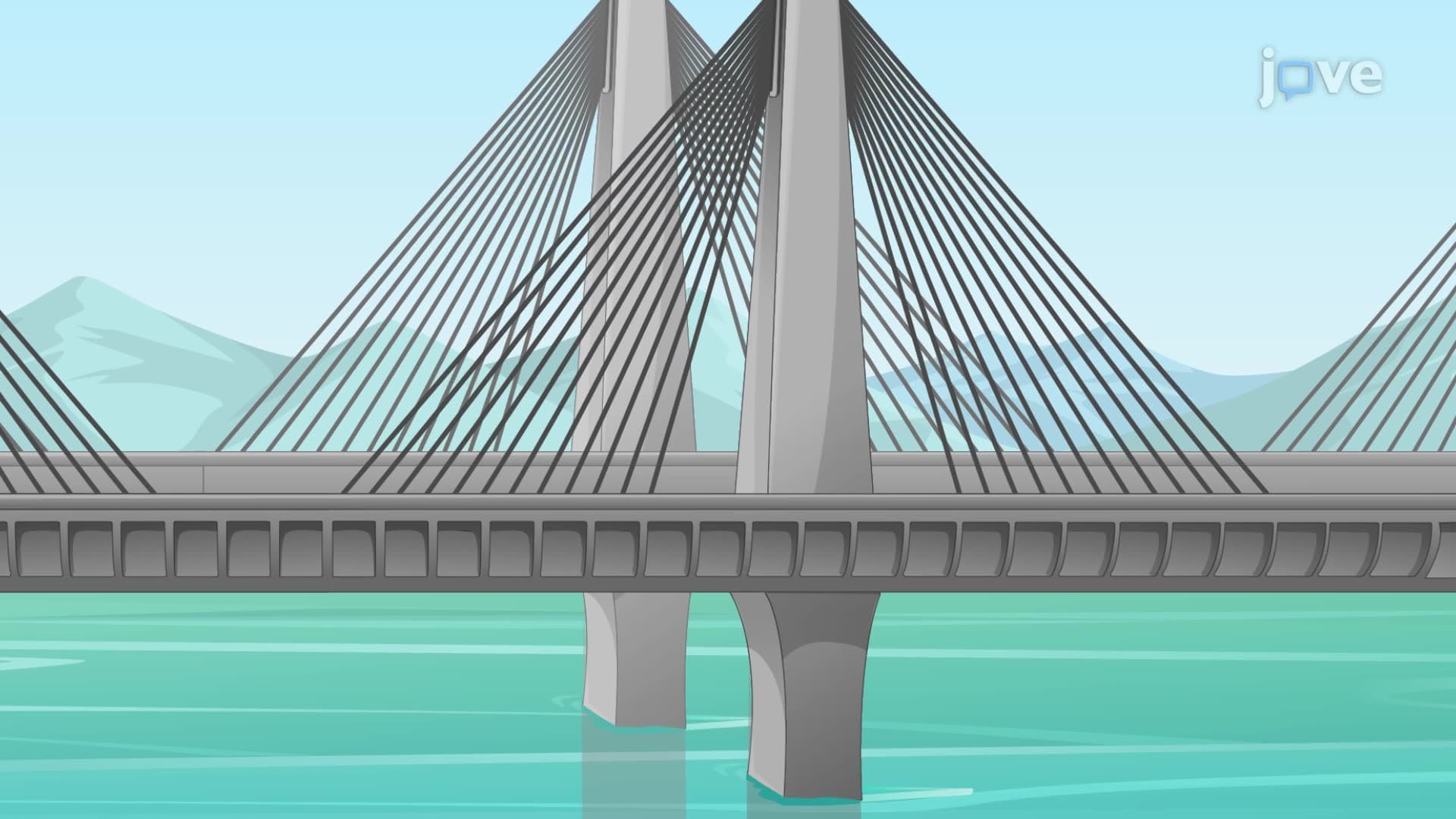
Did you know that concrete can fail under compression even though it's incredibly strong in that direction? The behavior of concrete under compressive load reveals that tensile stresses develop perpendicular to the applied force, creating unexpected crack patterns. Consider the concrete columns supporting San Francisco's Bay Bridge-understanding how they respond to massive compressive forces is crucial for structural safety. This fascinating failure mechanism shows why engineers must consider more than just raw compressive strength when designing concrete structures. Watch the full video on JoVE Coach to master this concept with expert-led visuals and step-by-step explanations.
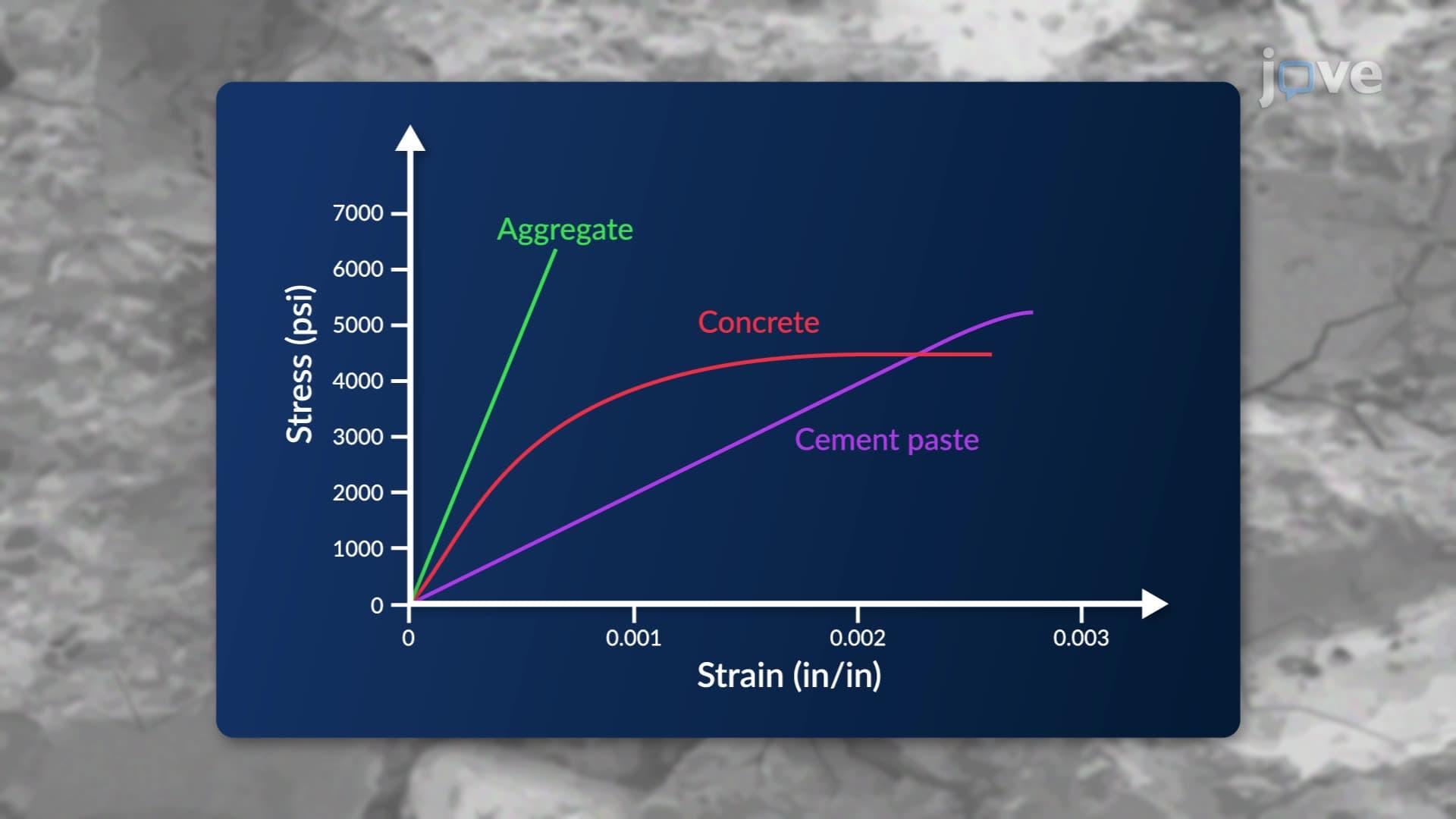
The behavior of concrete under compressive load represents one of the most counterintuitive concepts in materials science. While concrete excels at resisting compression-with typical strengths ranging from 3,000 to 8,000 psi-its failure under compressive loading often occurs due to tensile stresses that develop perpendicular to the applied load. This phenomenon explains why concrete columns in buildings like New York's One World Trade Center require careful analysis beyond simple compressive strength calculations.
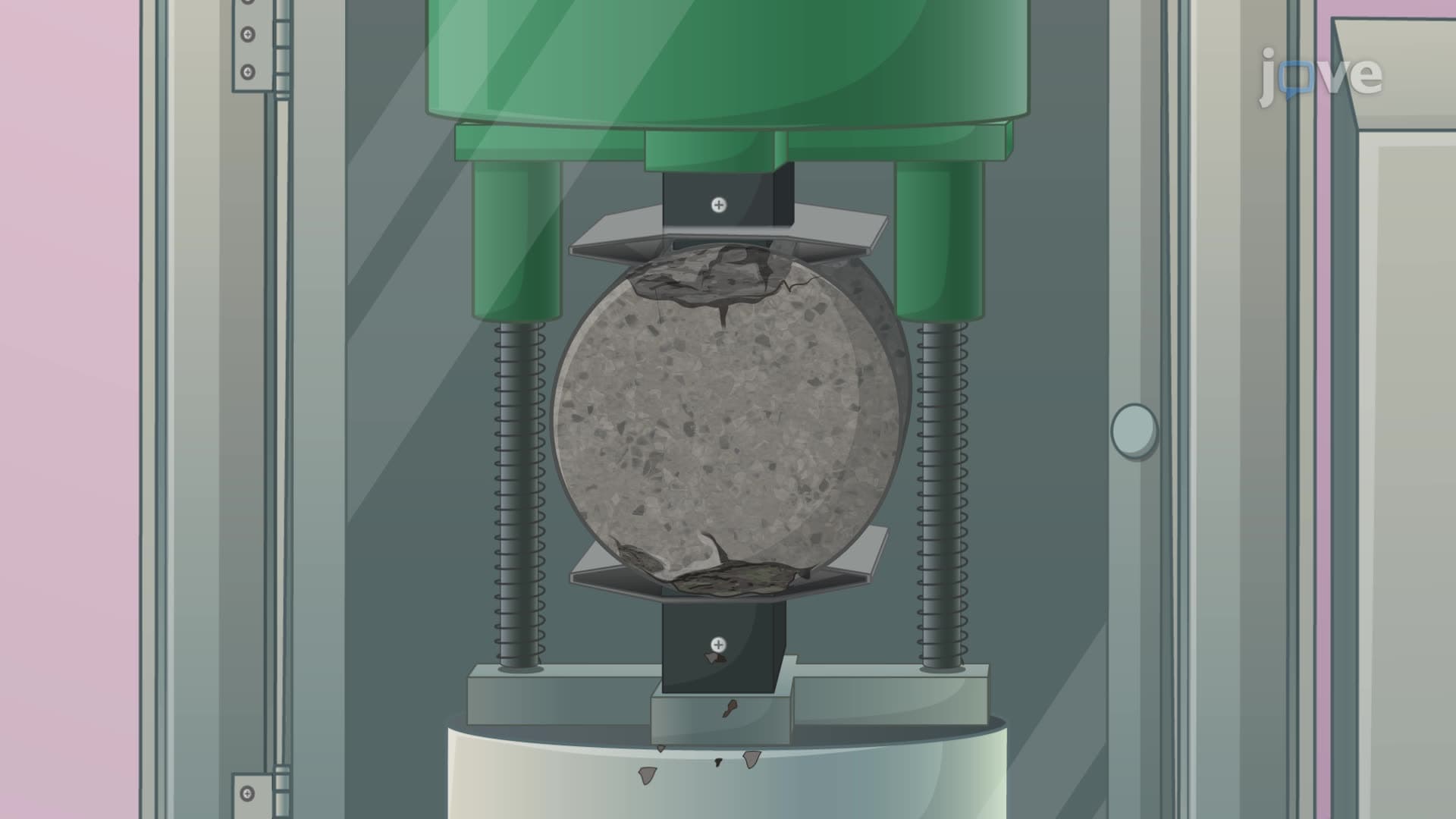
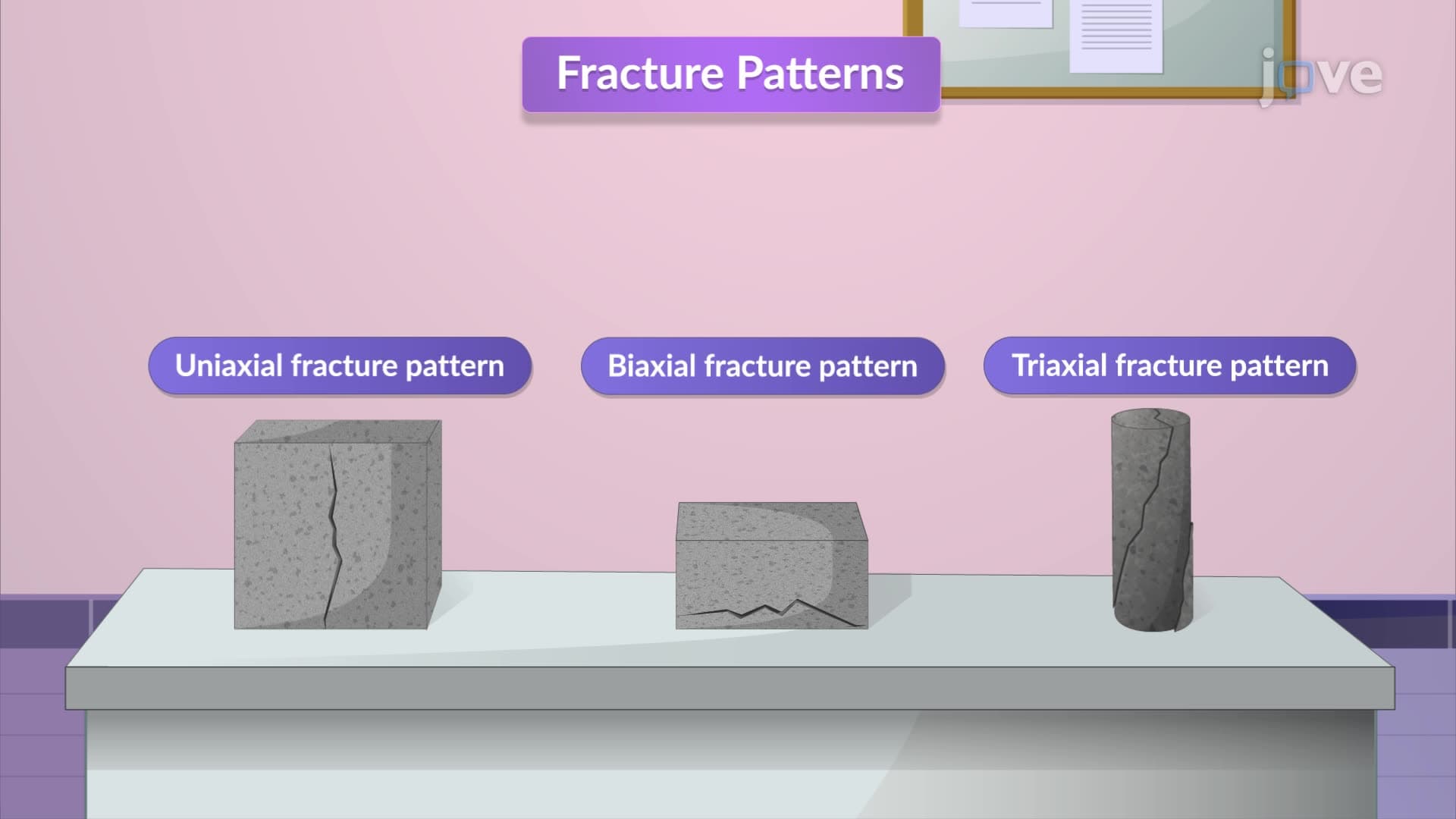
When concrete experiences uniaxial compression, the material develops characteristic parallel cracks that run alongside the direction of the applied force. These cracks form because of Poisson's effect-as concrete compresses in one direction, it expands laterally, creating tensile stresses perpendicular to the compression. The resulting fracture pattern produces elongated columnar fragments, similar to how a compressed soda can might split vertically rather than crush uniformly.
This behavior is critical for understanding concrete column design in structures like the concrete piers supporting California's Golden Gate Bridge approaches. Engineers must account for these lateral tensile stresses when designing reinforcement patterns, which is why concrete columns contain both longitudinal and transverse steel reinforcement.
Under biaxial compression, concrete exhibits different failure characteristics, typically breaking along planes parallel to both applied loads and creating slab-like fragments. This loading condition commonly occurs in concrete foundation elements that support building loads from multiple directions simultaneously.
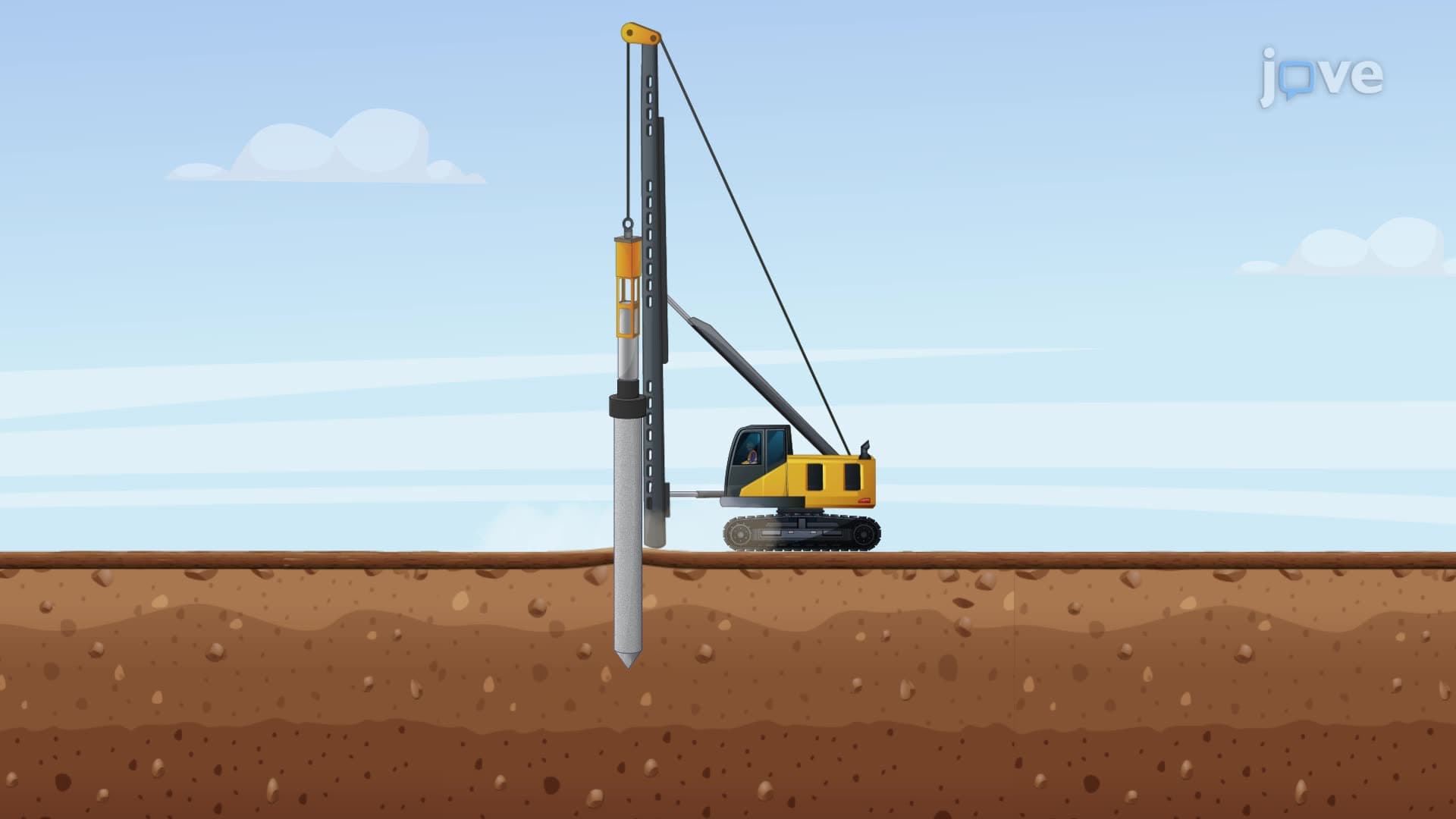
Triaxial compression represents the most confined loading state, where concrete experiences compression from all three directions. Under these conditions, concrete tends to crush rather than fracture, demonstrating significantly higher strength capacity. This principle applies to concrete in deep foundation elements or core areas of massive structures like the Hoover Dam, where the material experiences multi-directional compression.
The length-to-width ratio of concrete test specimens critically affects results accuracy. Specimens with ratios equal to or greater than two minimize end effects from testing machine platens, ensuring that measured strength values represent true material properties rather than testing artifacts. This standardization appears in ASTM testing protocols used throughout the United States construction industry.
Understanding these concepts proves essential for AP Physics courses covering stress and strain, as well as college-level structural engineering coursework. Students preparing for the Fundamentals of Engineering (FE) exam will encounter problems requiring analysis of concrete behavior under various loading conditions, making this knowledge directly applicable to professional engineering practice.
Related Micro-courses