Loading video…


 16 Concepts
 8.1K views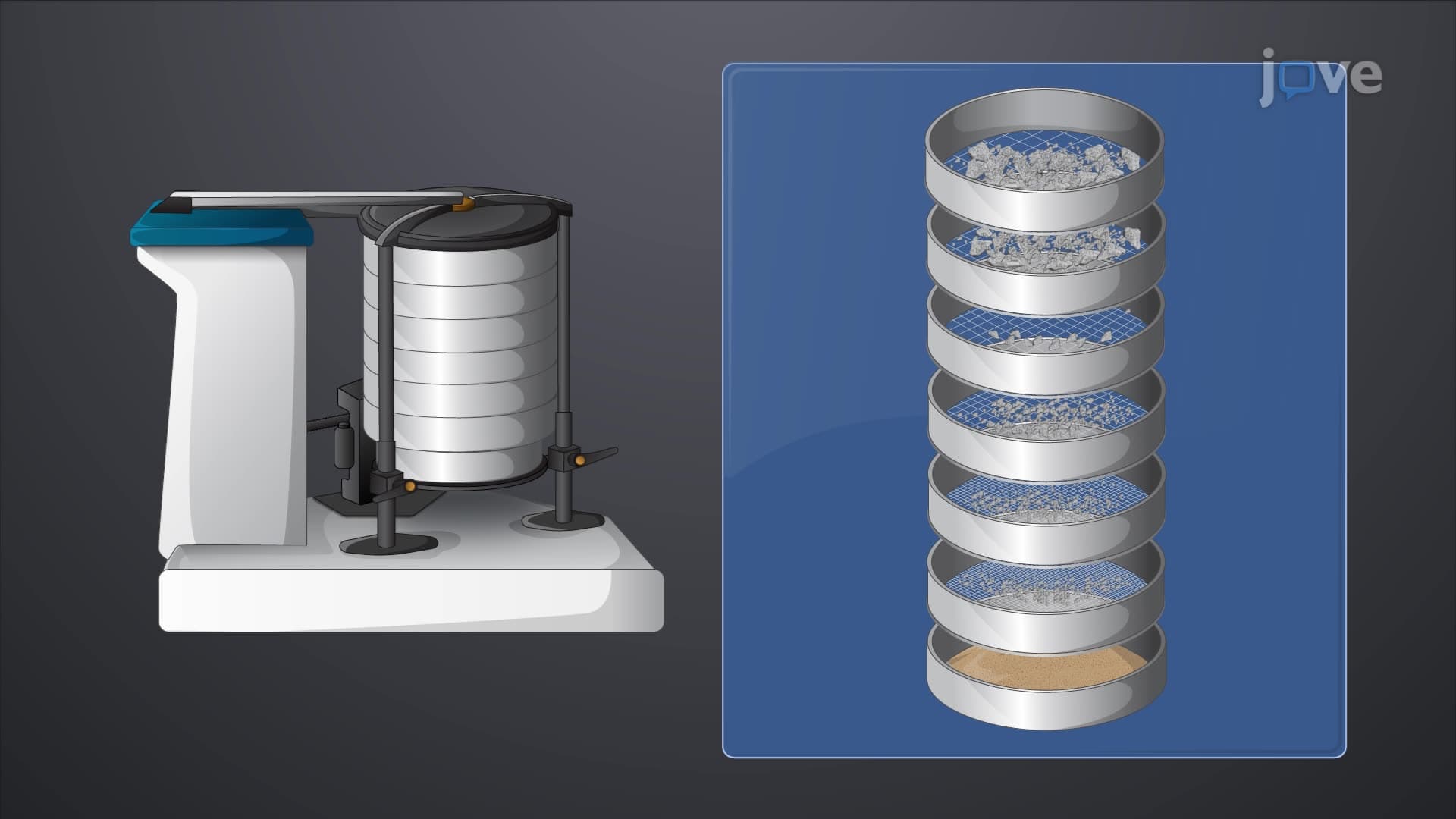

Video Summary: What Is Aggregates Classification
Ever wonder why concrete in the massive Hoover Dam has remained structurally sound for nearly 90 years? The secret lies in aggregates classification, the systematic categorization of rock and mineral particles that make up three-quarters of concrete's volume. From the fine sand in your sidewalk to the heavyweight aggregates shielding nuclear reactors at US power plants, understanding what is aggregates classification reveals how engineers select the perfect materials for each construction challenge. Watch the full video on JoVE Coach to master this concept with expert-led visuals and step-by-step explanations.
Aggregates classification represents a cornerstone concept in materials engineering and construction technology. This systematic approach to categorizing rock and mineral particles directly impacts concrete performance, from residential foundations to massive infrastructure projects like the Golden Gate Bridge's ongoing maintenance. Students encounter this concept in AP Chemistry, college-level materials science courses, and engineering programs where understanding particle behavior and material properties becomes essential.
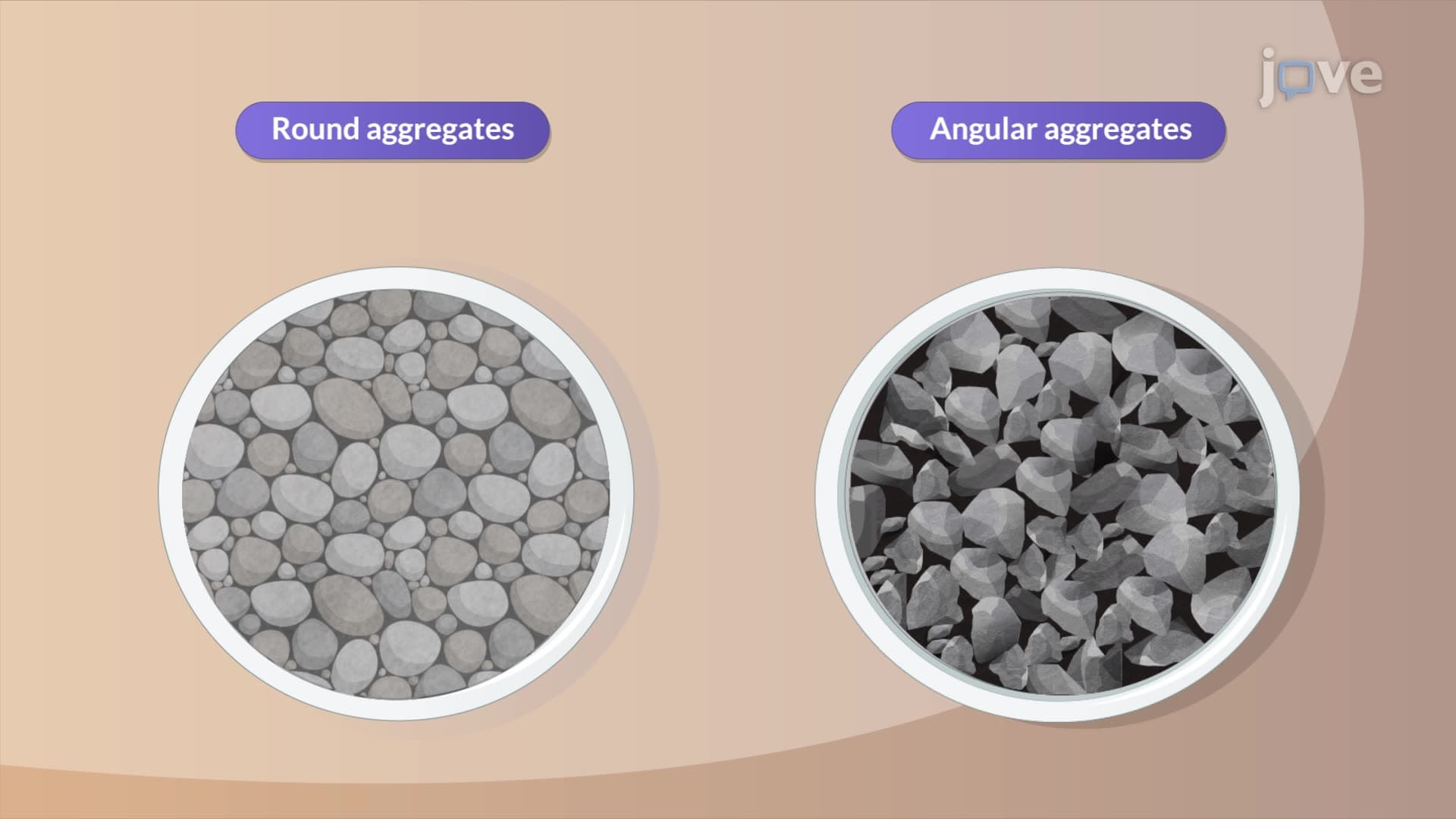
The classification system operates on four distinct criteria, each serving specific engineering purposes. Size-based classification using standardized sieves ensures consistent concrete mixing ratios, while source-based classification helps predict material availability and cost. Composition-based classification relates directly to concrete strength and chemical compatibility, and weight-based classification enables specialized applications from lightweight building panels to radiation-protective barriers in medical facilities.
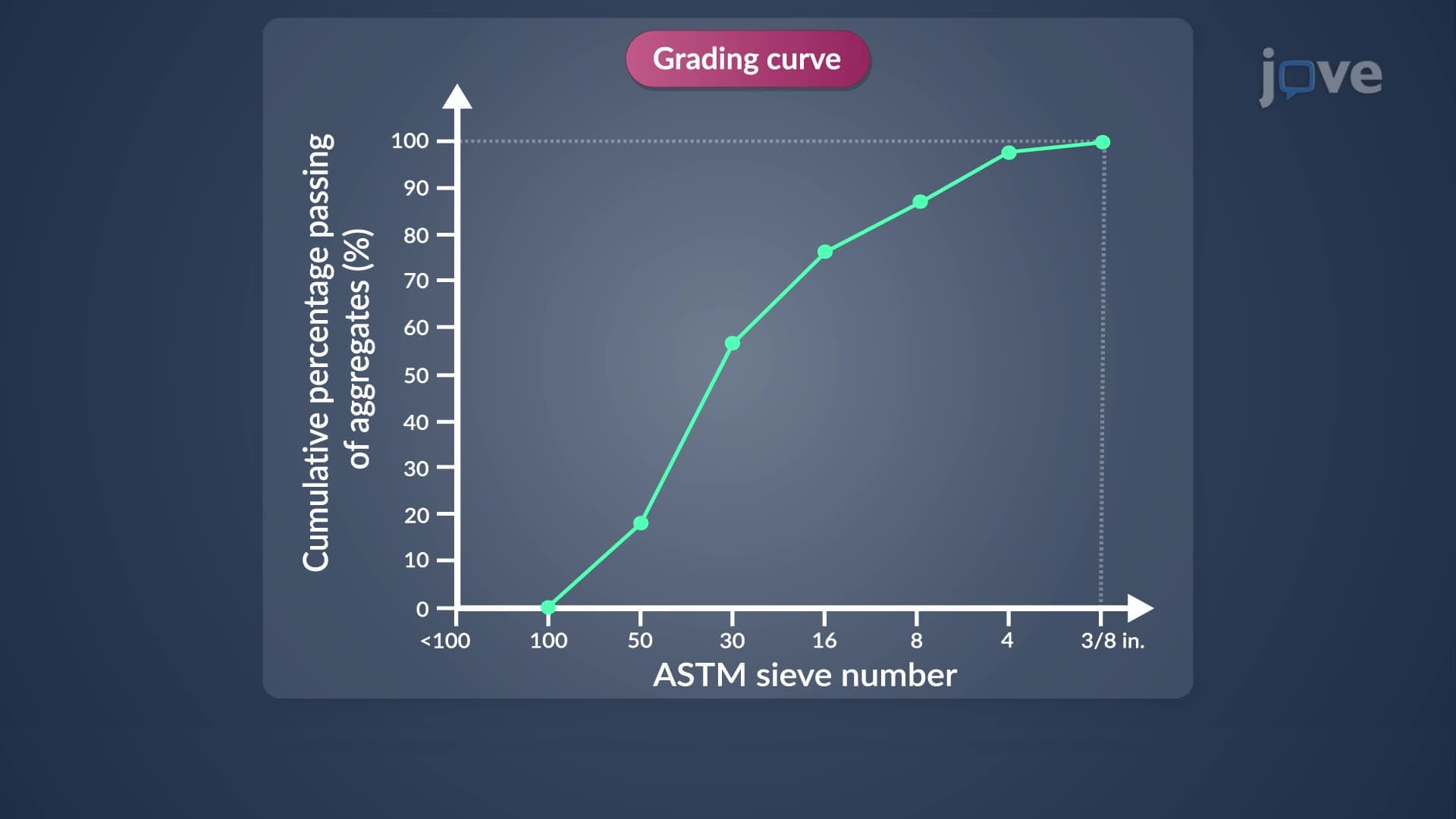
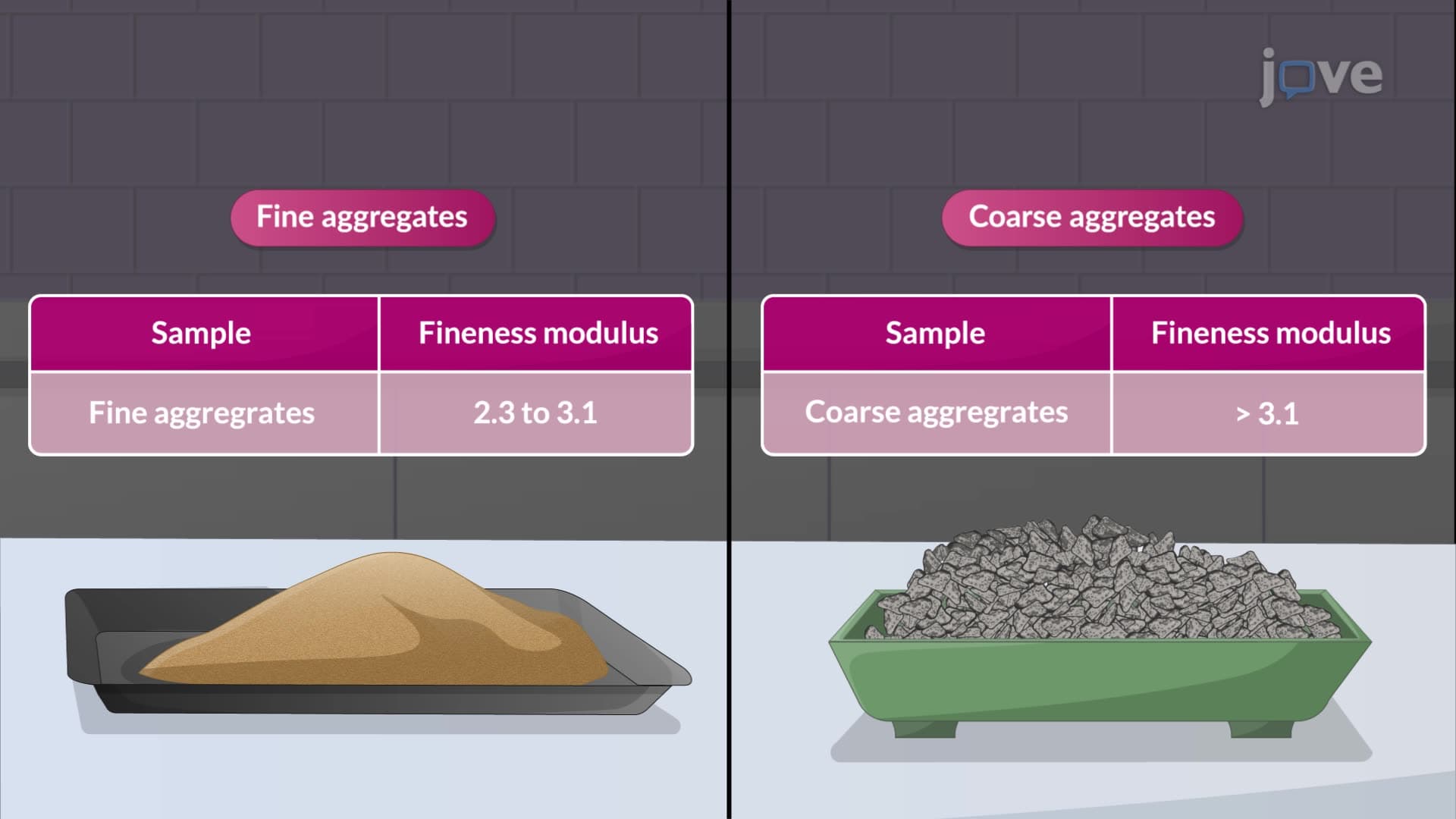
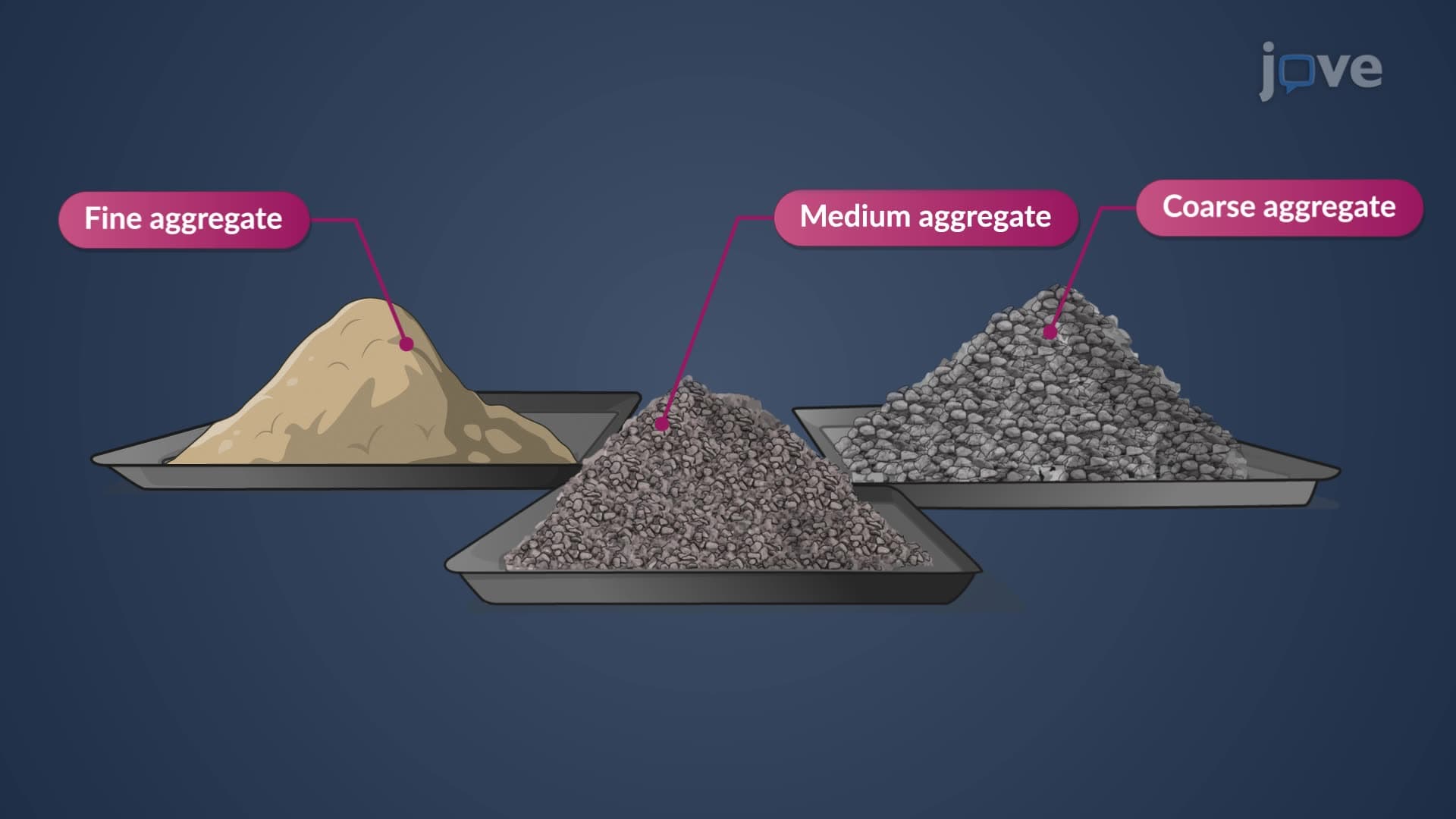
The most fundamental classification divides aggregates using the ASTM No.4 sieve, which features openings of 4.75 millimeters. This standardized approach, developed by the American Society for Testing and Materials, ensures consistency across US construction projects. Coarse aggregates retained on this sieve typically range from gravel-sized particles to large crushed stone, while fine aggregates passing through include various sand types and smaller particles.
This size distinction directly impacts concrete workability and strength. Fine aggregates fill voids between coarse particles, creating density and reducing permeability. Coarse aggregates provide structural backbone and reduce shrinkage. The ratio between these components determines concrete's final properties, making accurate classification essential for meeting building codes and engineering specifications.
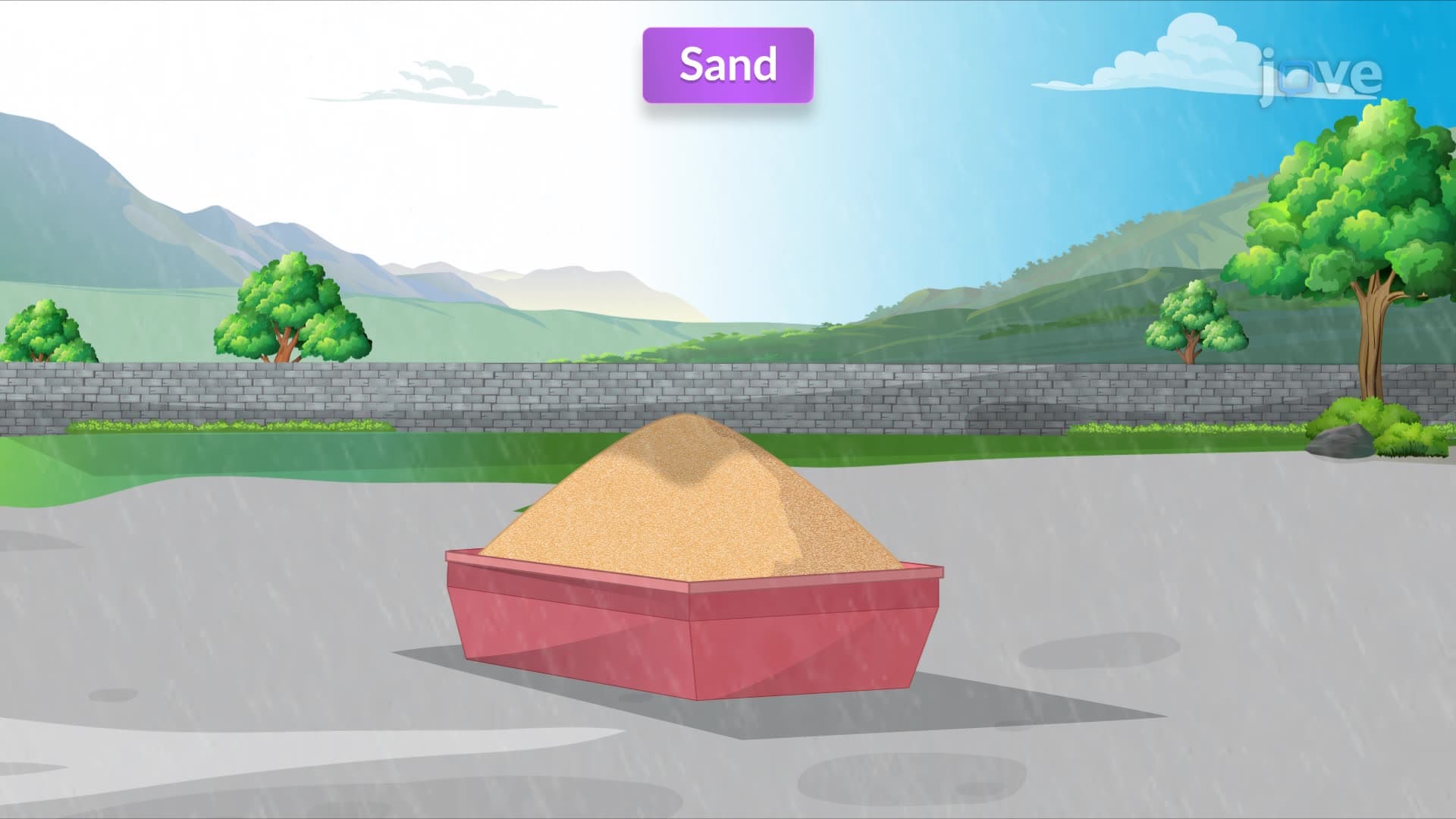
Natural aggregates dominate US construction markets, with crushed limestone quarries in states like Indiana and Texas supplying massive quantities for interstate highway projects. River sand from the Colorado River system provides fine aggregates for southwestern construction, while coastal projects often utilize marine-derived materials following strict environmental regulations.
Artificial aggregates gain importance in sustainable construction practices. Expanded blast furnace slag from steel production centers in Pennsylvania and Ohio creates lightweight concrete for high-rise construction. Recycled concrete aggregates from demolished buildings reduce landfill waste while providing cost-effective materials for new construction, particularly in urban areas where disposal costs are high.
The mineral composition classification connects geology to engineering performance. Quartz-rich aggregates provide excellent strength and durability, making them ideal for highway construction. Feldspar-containing aggregates may require special consideration in freeze-thaw environments, while mica content affects concrete workability and must be limited in structural applications.
Related Micro-courses