Loading subject page…


8,113 views

Video Summary: What Is Testing Water Quality
Did you know that using contaminated water in concrete construction can reduce building strength by over 15%? Testing water quality involves systematic evaluation of water's chemical composition and physical properties to determine its suitability for specific applications, particularly in construction and engineering projects. For instance, the California Department of Transportation requires rigorous water quality testing before approving water sources for highway concrete projects. Understanding what is testing water quality helps ensure structural integrity and safety in construction applications. Watch the full video on JoVE Coach to master this concept with expert-led visuals and step-by-step explanations.
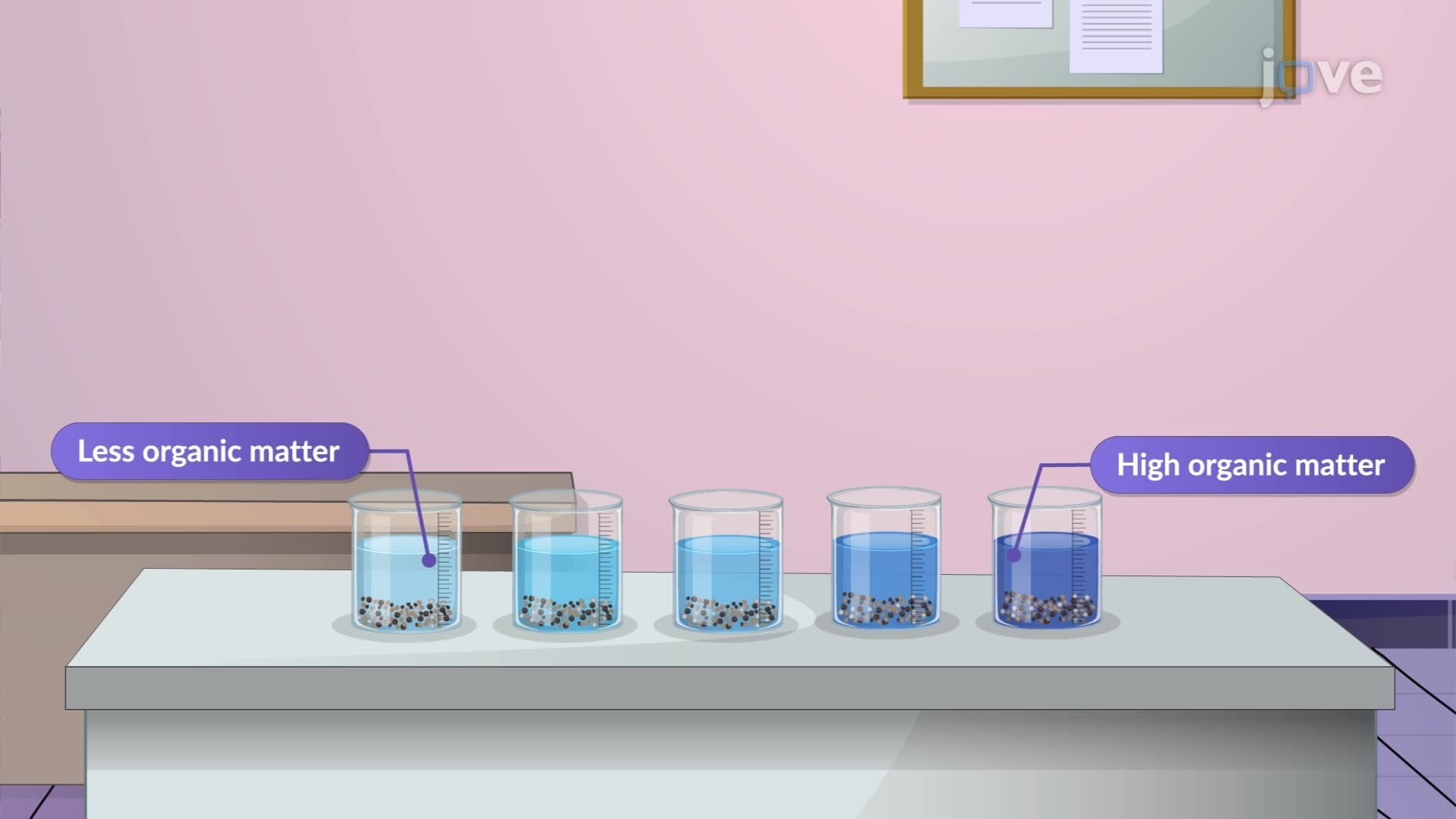
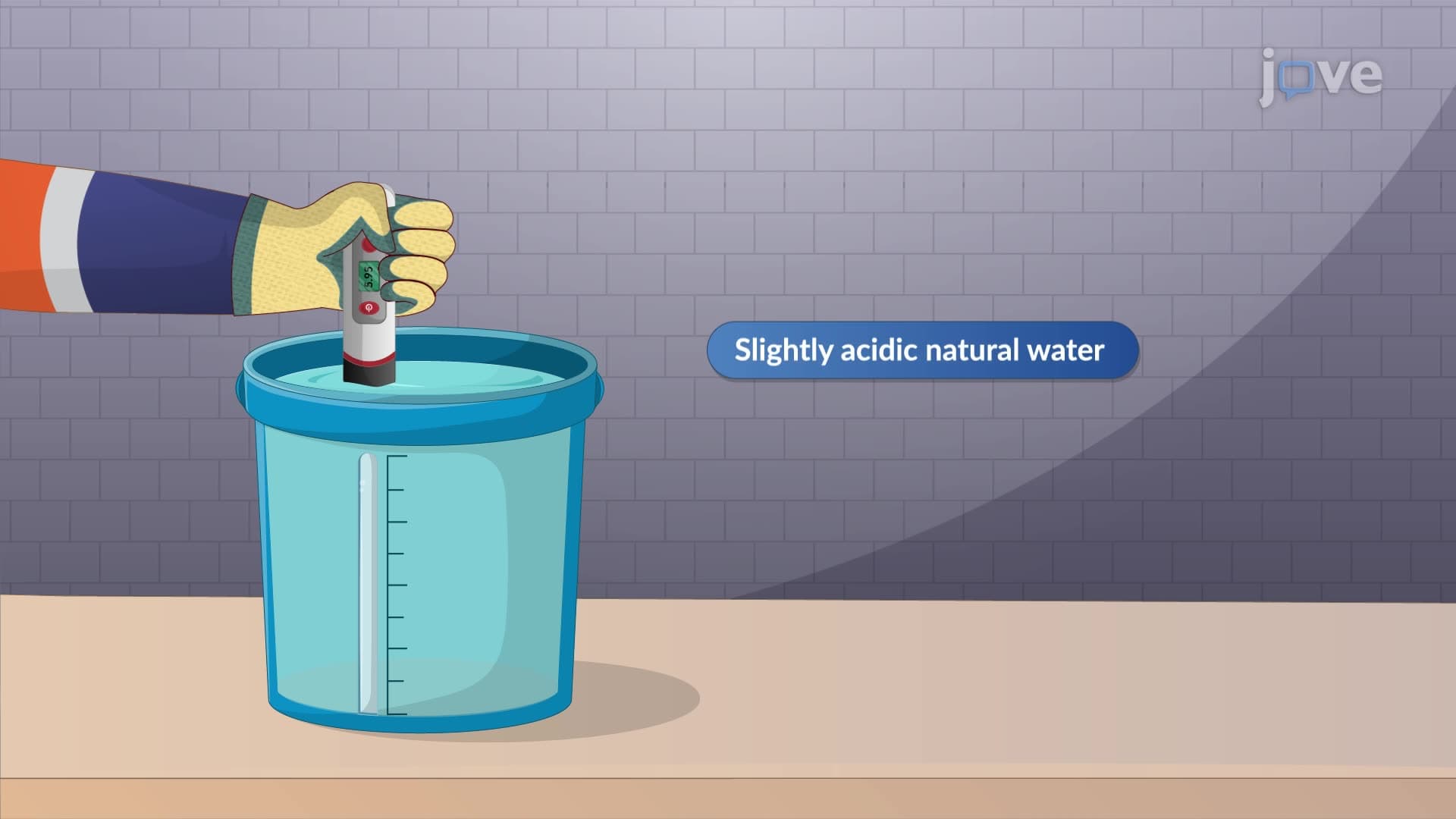
Testing water quality represents a fundamental quality control process in construction engineering, where water's chemical and physical properties are systematically evaluated to ensure suitability for specific applications. This process goes far beyond basic purity assessments, involving comprehensive analysis of dissolved minerals, pH levels, and potentially harmful substances that could compromise structural integrity.
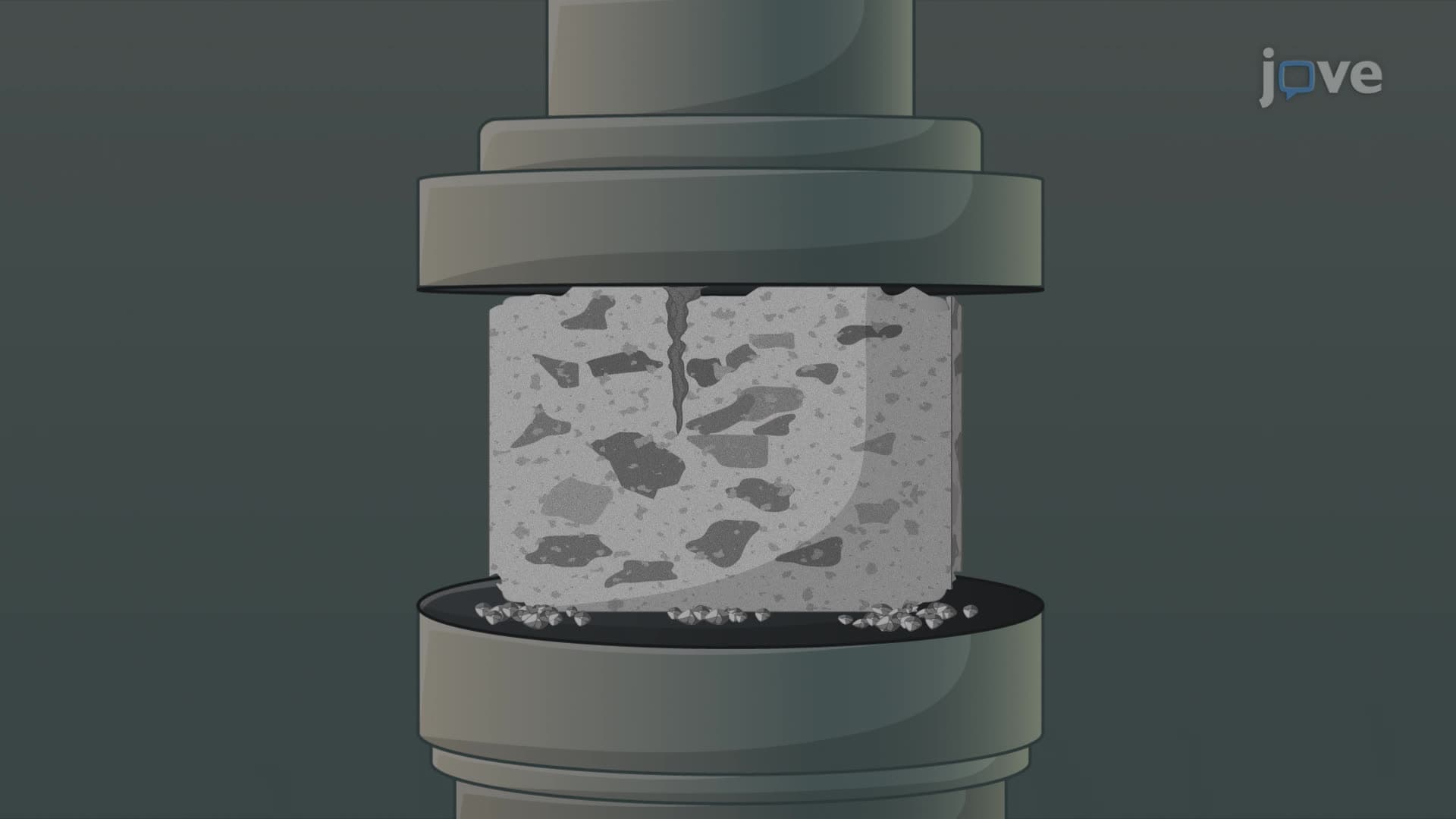
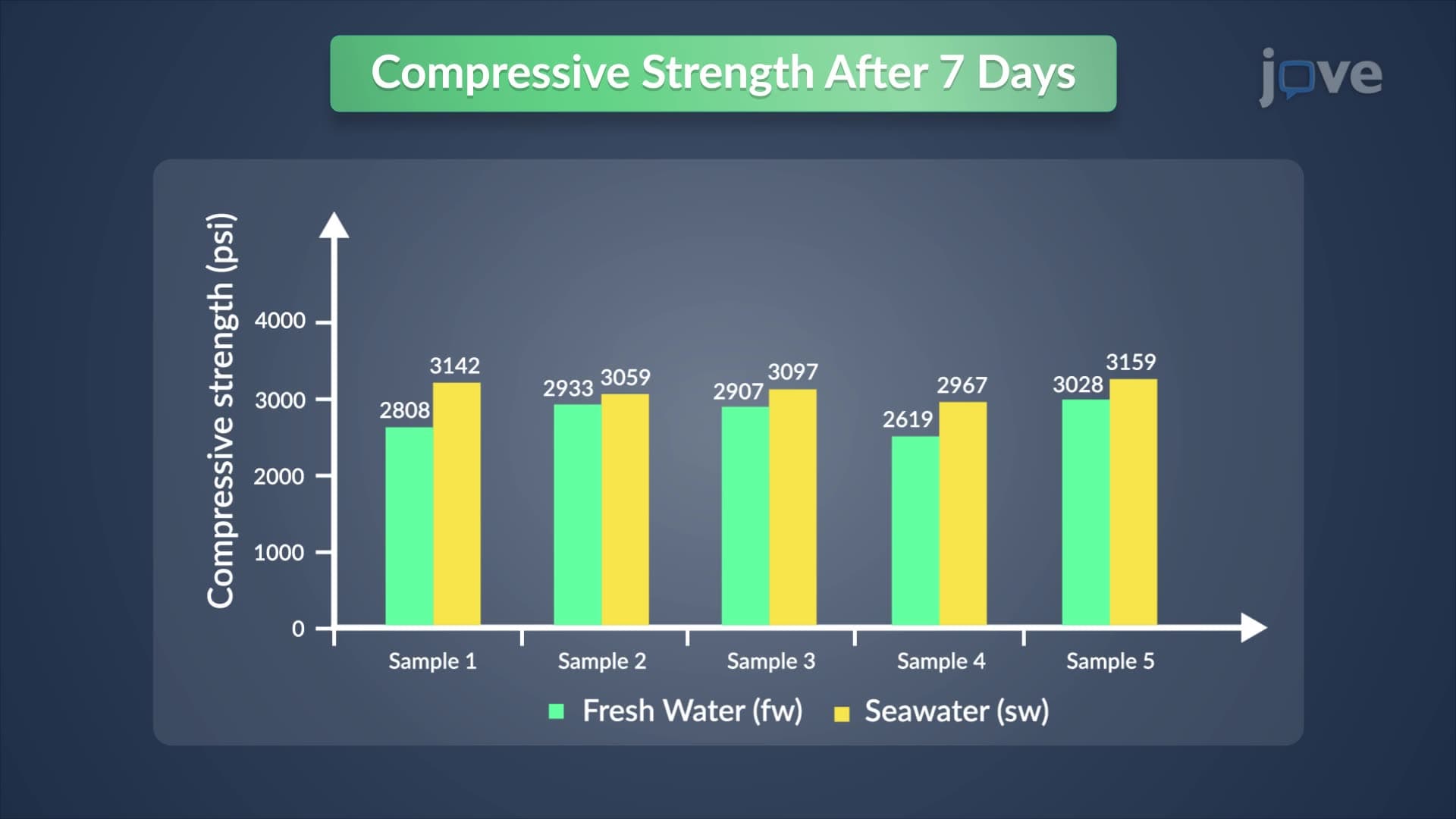
The gold standard for water quality testing involves comparative analysis using distilled or deionized water as a control. Construction engineers prepare identical concrete or mortar samples using both the test water and the reference water, then measure critical parameters like setting time and compressive strength. The American Concrete Institute (ACI) requires that test results fall within specific tolerance ranges-typically within 10% of control values-to approve water sources for construction use.
Modern water quality testing focuses heavily on identifying problematic chemical constituents. Chlorides accelerate steel reinforcement corrosion, while excessive sulfates can cause concrete expansion and cracking. The American Society for Testing and Materials (ASTM) C1602 standard establishes maximum allowable concentrations: chlorides should not exceed 500 ppm in reinforced concrete applications, while sulfate limits vary based on exposure conditions. Testing facilities across the United States, from university laboratories to commercial testing companies like Construction Materials Consultants, routinely perform these analyses for construction projects.
Beyond basic chemical analysis, comprehensive water quality testing includes performance-based evaluations. Staining potential tests simulate real-world conditions by subjecting concrete surfaces to repeated wetting and drying cycles using the test water. This approach proves particularly valuable for architectural concrete projects where aesthetic considerations matter significantly. Major infrastructure projects, including the recent Interstate 405 improvements in Los Angeles, required extensive water quality testing to ensure long-term durability and appearance standards.
These testing protocols appear frequently in college-level materials science courses and are essential knowledge for students preparing for the Fundamentals of Engineering (FE) exam, particularly in the construction and environmental engineering sections.
Related Micro-courses