Loading video…


 16 Concepts
 8.1K views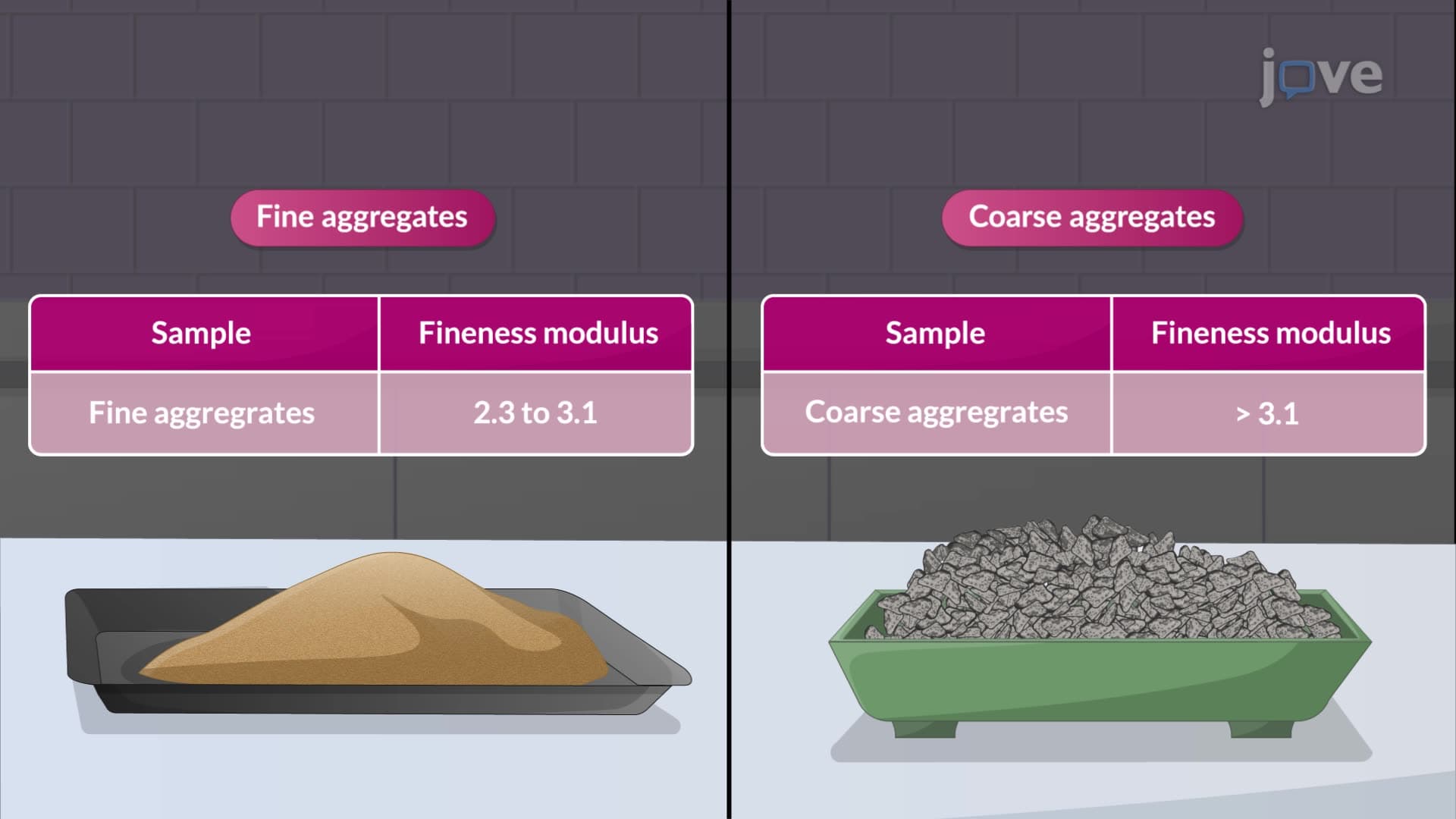

Video Summary: What Is Fineness Modulus
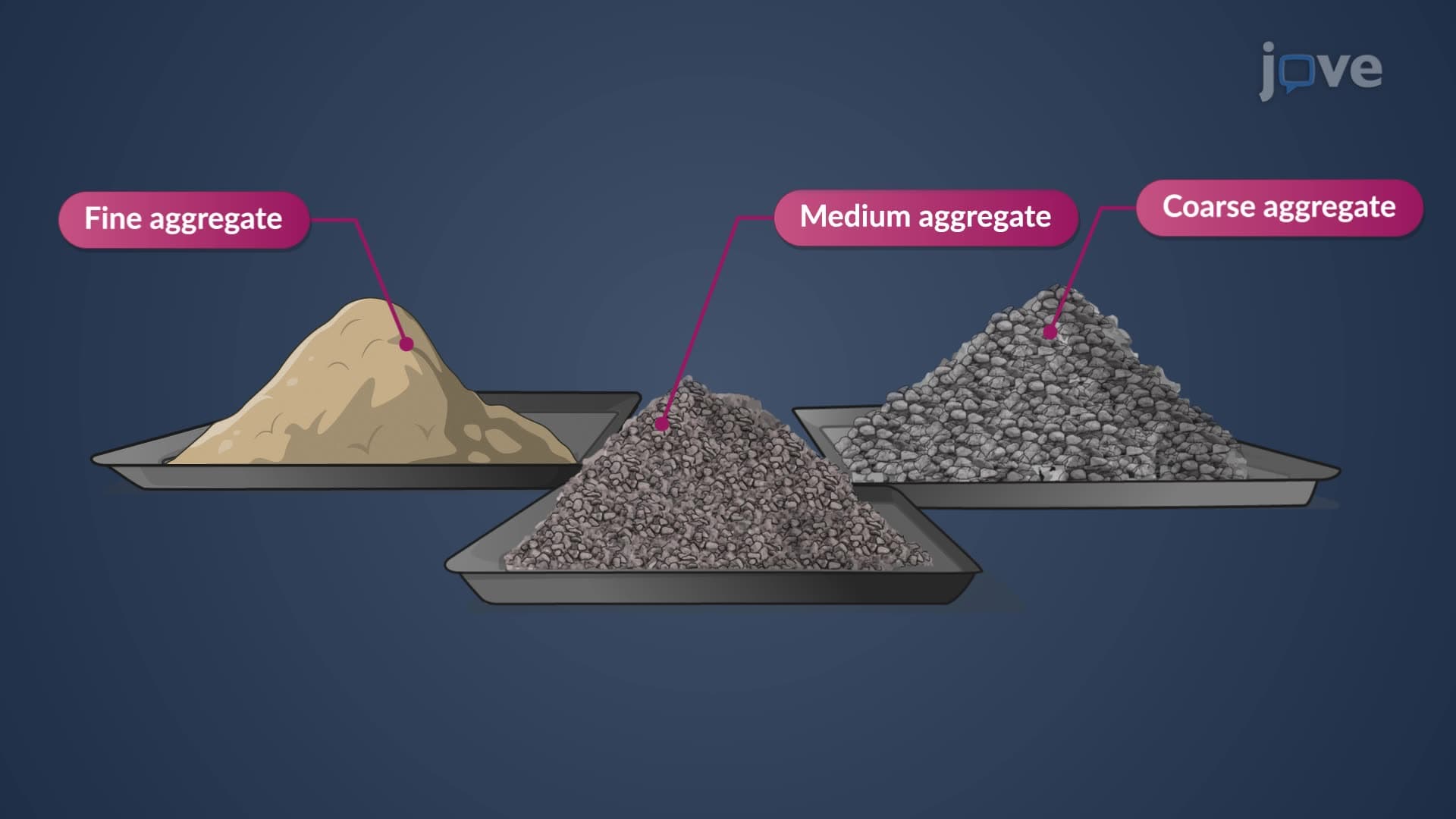
Did you know that the sand used in concrete highways across the United States must meet specific particle size standards to ensure road durability? The fineness modulus is a critical numerical index that engineers use to measure and standardize aggregate particle distribution in construction materials. This single value, typically ranging from 2.3 to 3.1 for fine aggregates, determines whether sand particles are suitable for concrete mixing in projects from residential driveways to major infrastructure like California's Golden Gate Bridge maintenance. Watch the full video on JoVE Coach to master this concept with expert-led visuals and step-by-step explanations.
Fineness modulus serves as a standardized measurement system that quantifies the particle size distribution of aggregates used in concrete and construction materials. This concept represents far more than a simple calculation-it's a quality control tool that ensures consistency in construction projects ranging from residential foundations to major infrastructure developments like interstate highway systems.
The fineness modulus provides engineers with a single numerical value that characterizes the overall grading of aggregate samples. Unlike visual inspection, which can be subjective and inconsistent, this mathematical approach delivers precise, reproducible results that meet American Society for Testing and Materials (ASTM) standards used throughout the United States construction industry.
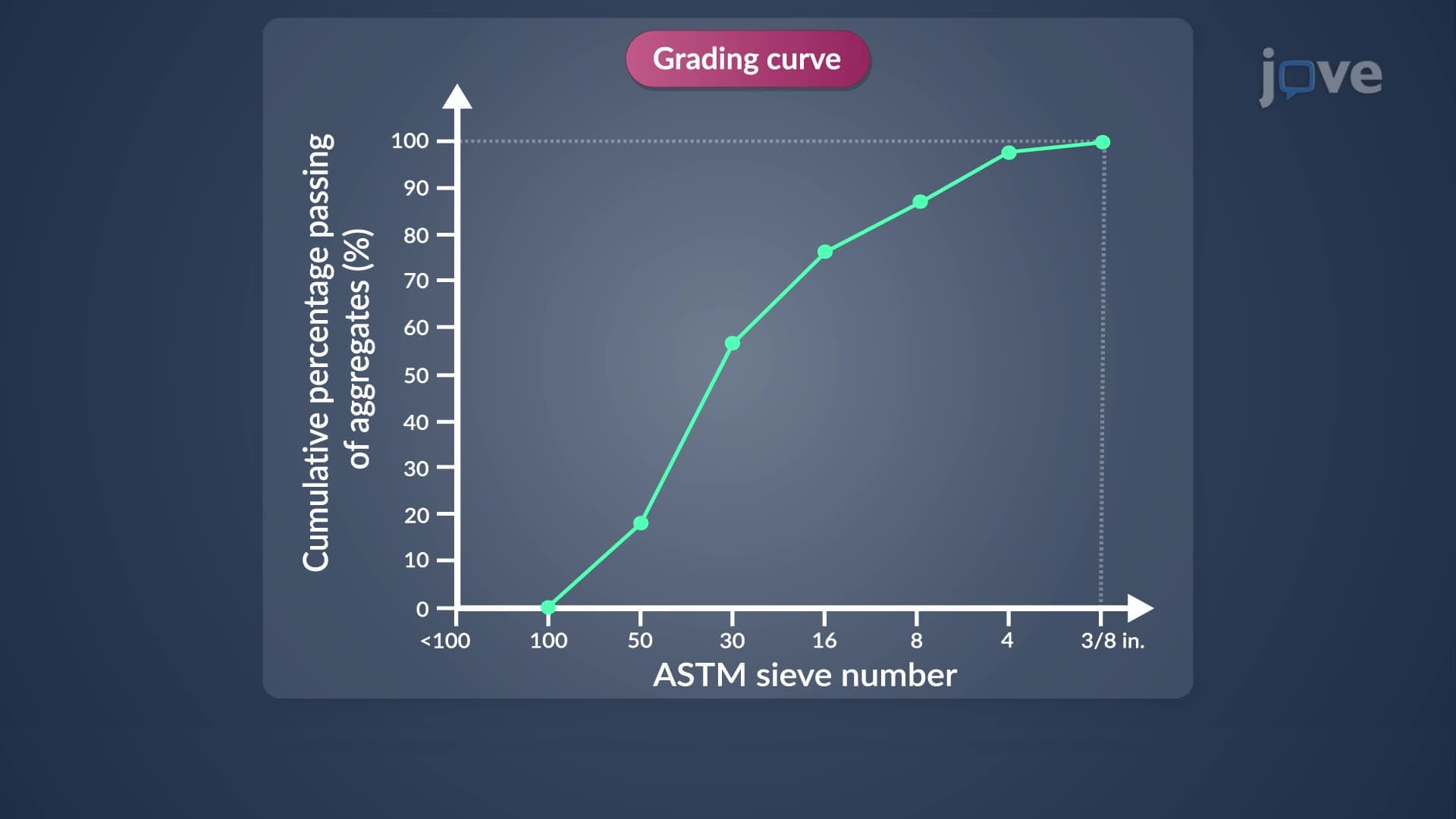
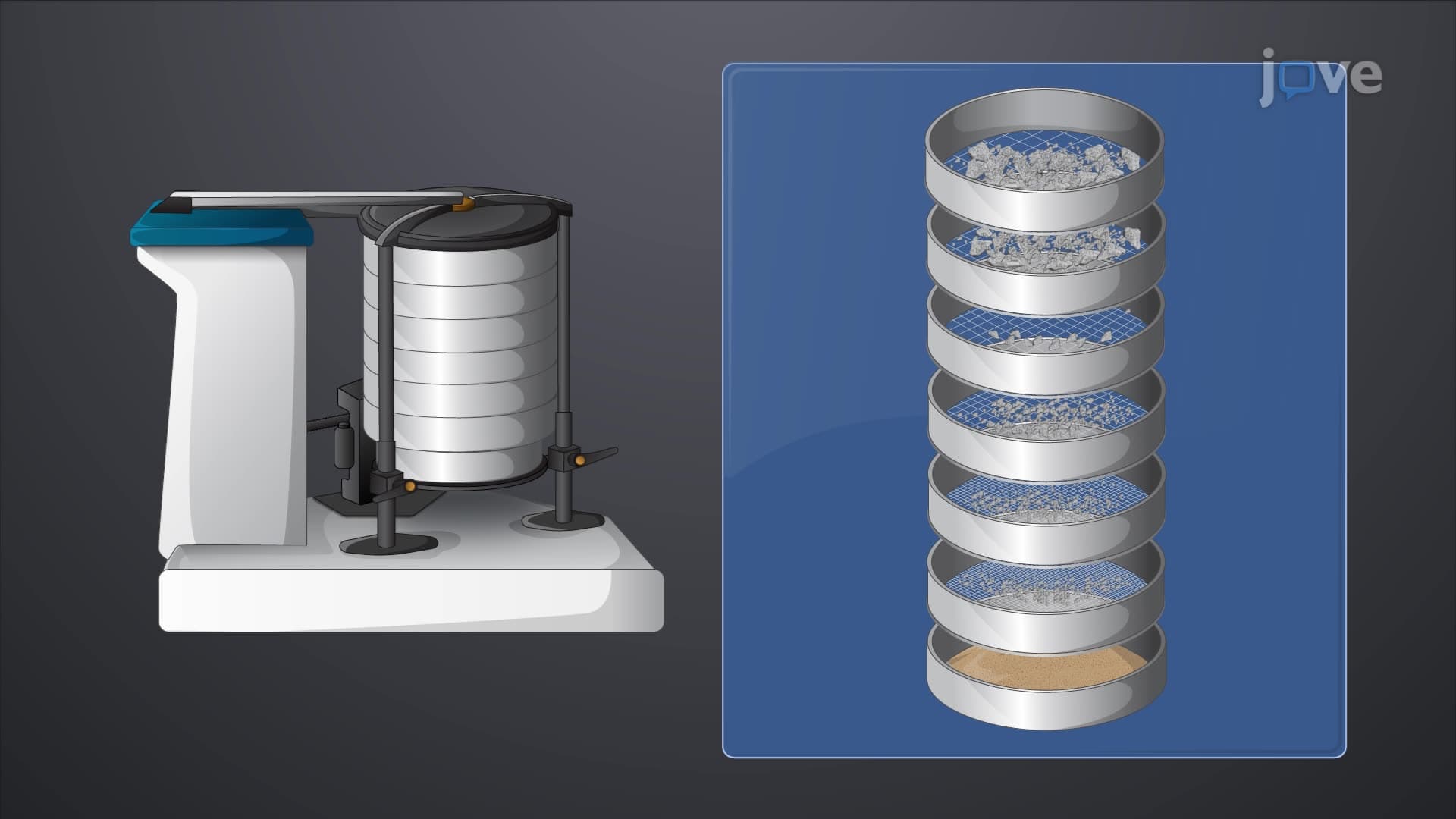
The determination of fineness modulus begins with a systematic sieve analysis process. Standard sieves with progressively smaller openings separate aggregate particles by size, creating distinct fractions that reveal the material's gradation characteristics. Engineers weigh the material retained on each sieve, then calculate cumulative percentages that build from the coarsest to finest fractions.
The mathematical formula involves summing all cumulative percentage retained values and dividing by 100. For example, if cumulative percentages are 5%, 25%, 60%, 85%, and 95% for consecutive sieves, the fineness modulus equals (5 + 25 + 60 + 85 + 95) ÷ 100 = 2.7. This systematic approach ensures reproducible results across different testing laboratories and construction sites.
Fine aggregates with fineness modulus values between 2.3 and 3.1 are considered suitable for most concrete applications. Lower values indicate finer particles that may require more cement paste for proper workability, while higher values suggest coarser materials that could affect concrete density and finish quality. Major construction projects, including those managed by the U.S. Army Corps of Engineers, rely on these specifications to ensure structural integrity and longevity.
Students preparing for the Fundamentals of Engineering (FE) exam frequently encounter fineness modulus calculations in materials engineering sections. Similarly, AP Physics and college-level materials science courses incorporate this concept when studying particle distribution and quality control methodologies. Understanding fineness modulus principles provides essential foundation knowledge for careers in civil engineering, construction management, and materials testing-fields with strong job growth projections according to the U.S. Bureau of Labor Statistics.
Related Micro-courses