Loading video…


 11 Concepts
 2.6K views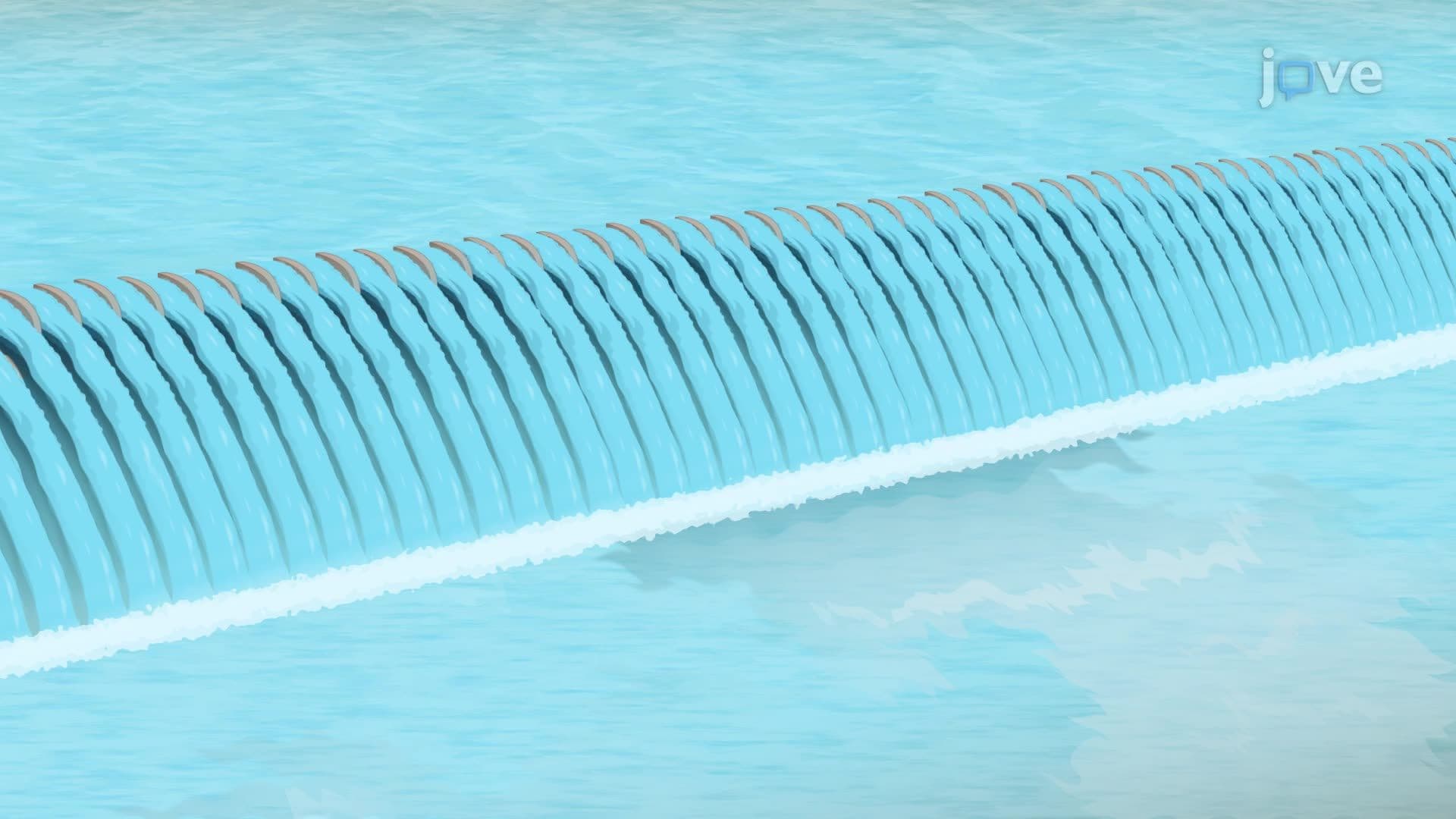

Video Summary: What Is Weir
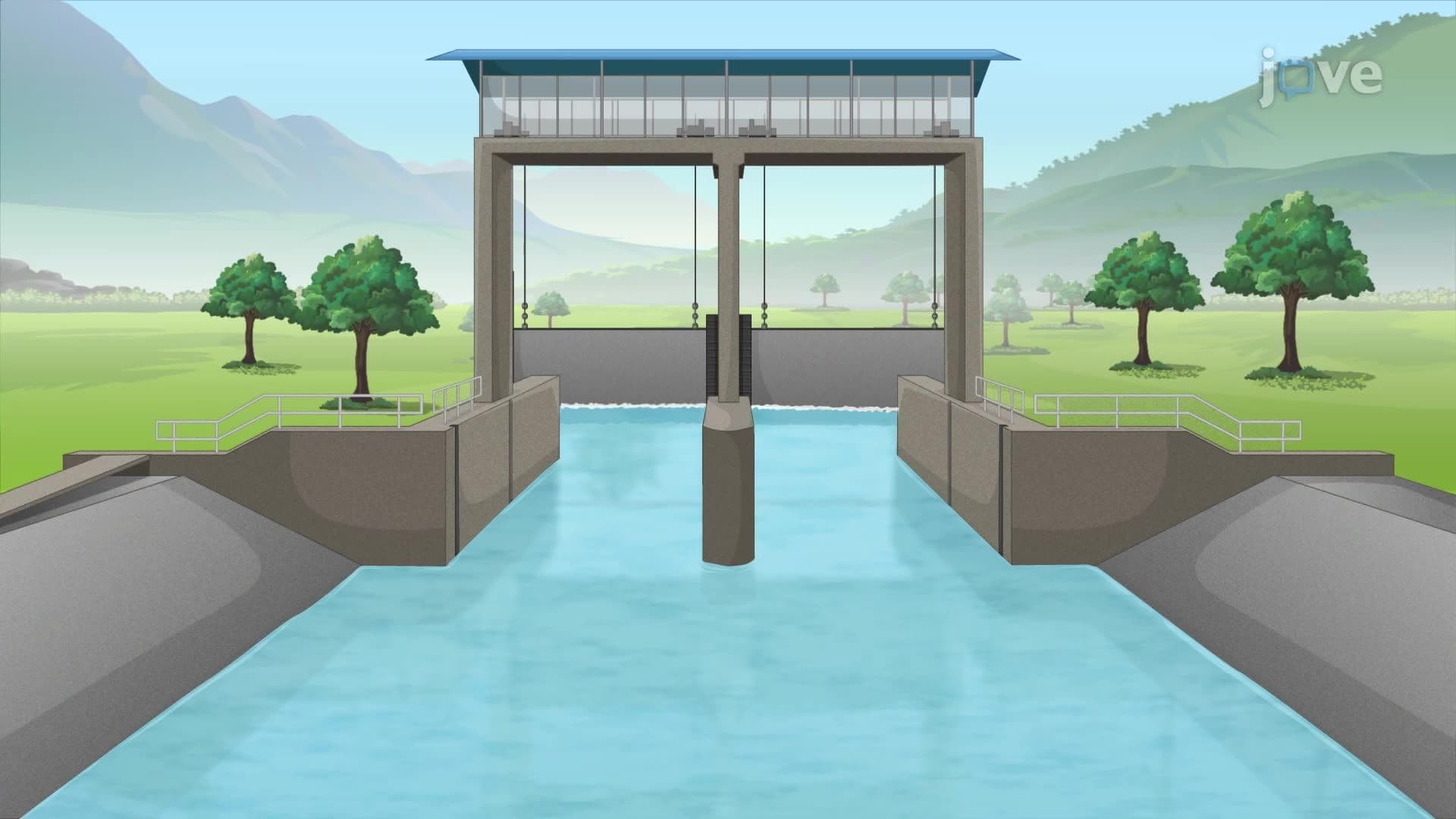
Ever wondered how engineers precisely measure the Colorado River's flow through the Grand Canyon? Weir problem solving is the essential technique that hydraulic engineers use to control and measure water flow in channels, from massive dam spillways to irrigation ditches across California's Central Valley. Understanding what is weir involves learning how these strategic barriers create predictable flow patterns for accurate calculations. Watch the full video on JoVE Coach to master this concept with expert-led visuals and step-by-step explanations.
What is weir fundamentally centers on understanding these engineered barriers as precision flow measurement tools. Unlike simple dams that completely block water, weirs create controlled overflow conditions that produce predictable hydraulic relationships. This weir problem solving concept forms the foundation for countless engineering applications, from the Chesapeake Bay's tidal control structures to Arizona's irrigation canal systems.
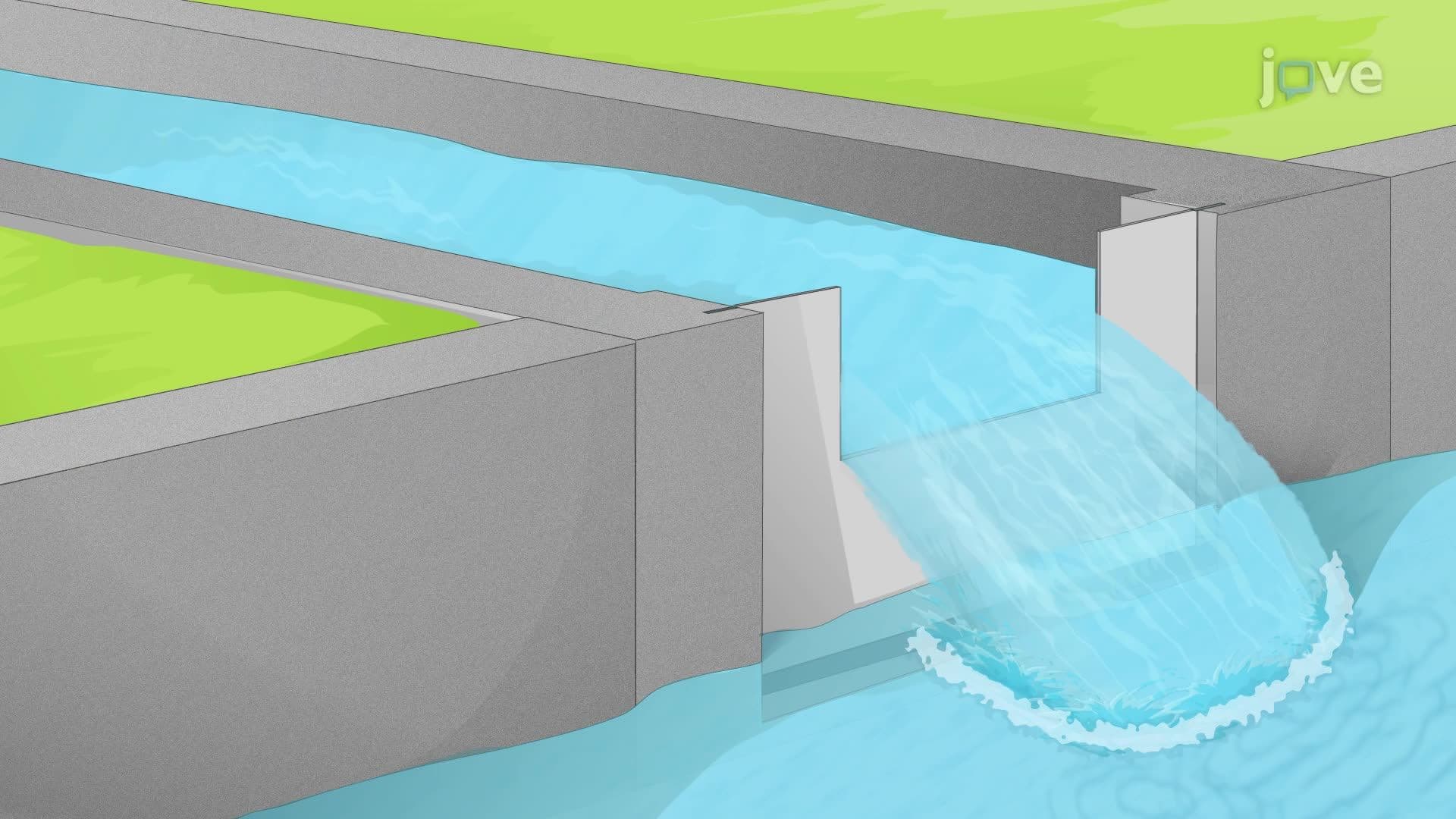
Sharp-crested weirs represent the most common weir problem solving scenario in introductory hydraulics courses. These structures feature thin, knife-edge plates that create a distinct water curtain (nappe) as flow passes over. The weir problem solving basics involve applying the fundamental discharge equation: Q = C × L × H^(3/2), where Q represents flow rate, C is the weir coefficient, L indicates crest length, and H measures the head above the weir crest.
Rectangular weirs offer the simplest weir problem solving overview for students, while V-notch weirs provide enhanced accuracy for low-flow measurements. The triangular configuration's weir problem solving definition includes the notch angle (theta) as a critical parameter, making these ideal for measuring variable flows in streams like those monitored by the U.S. Geological Survey across national parks.
Broad-crested weirs present more complex weir problem solving study guide material, requiring understanding of critical flow conditions. These structures feature wide, flat crests that promote uniform flow depths, making them essential for large-scale applications like the Mississippi River's navigation dams. The understanding weir problem solving process for broad-crested designs involves recognizing how the extended crest length affects flow patterns differently than sharp-crested alternatives.
Students encounter weir problem solving questions frequently on AP Environmental Science exams and college-level fluid mechanics courses. Typical problems involve calculating discharge rates for flood control scenarios, designing irrigation weirs for agricultural applications, or analyzing flow data from environmental monitoring stations. These practical applications reinforce how theoretical weir problem solving translates into critical infrastructure decisions affecting millions of Americans daily.
Related Micro-courses