Loading video…


 11 Concepts
 2.6K views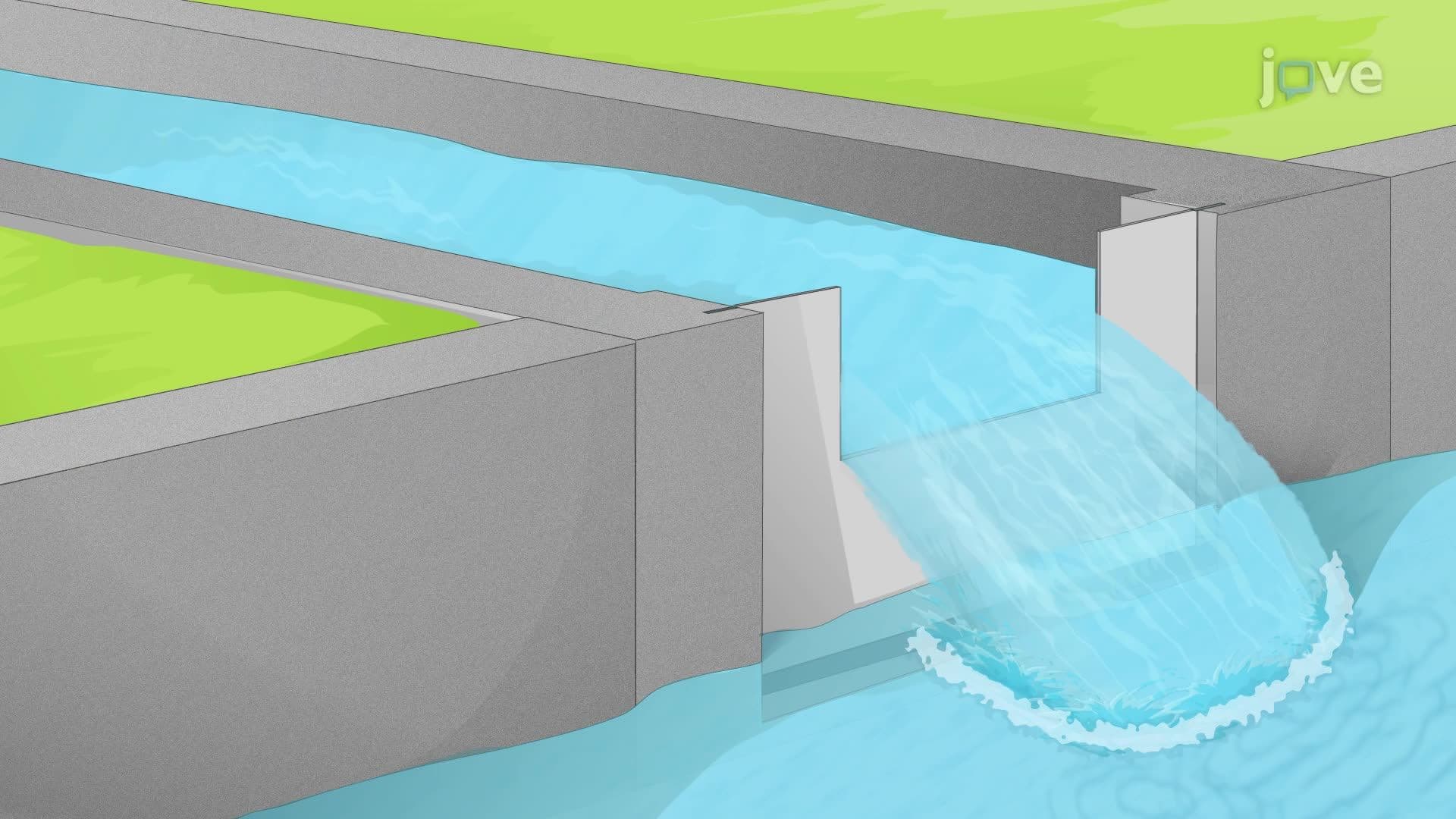

Video Summary: What Is Weir Problem Solving
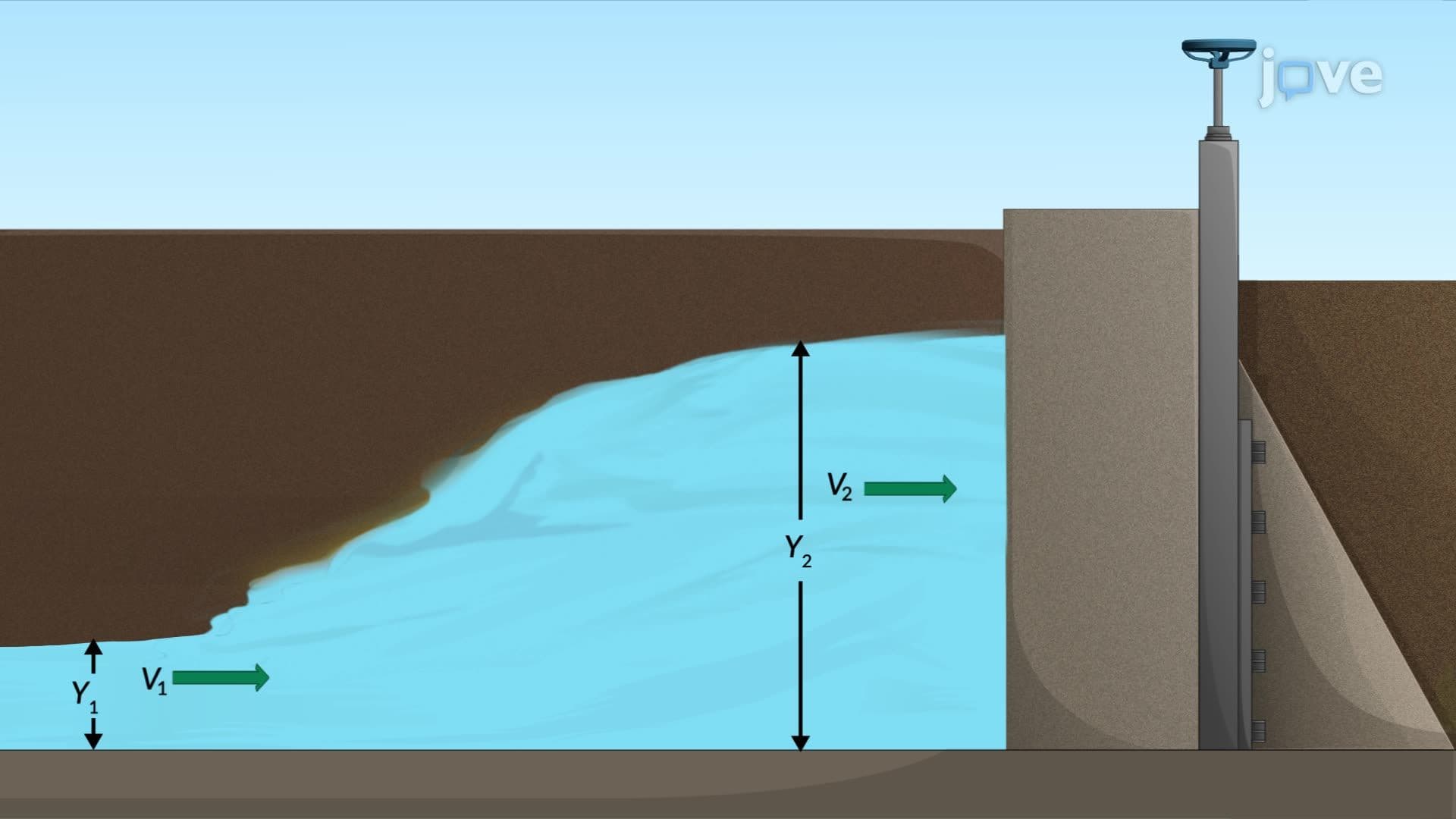
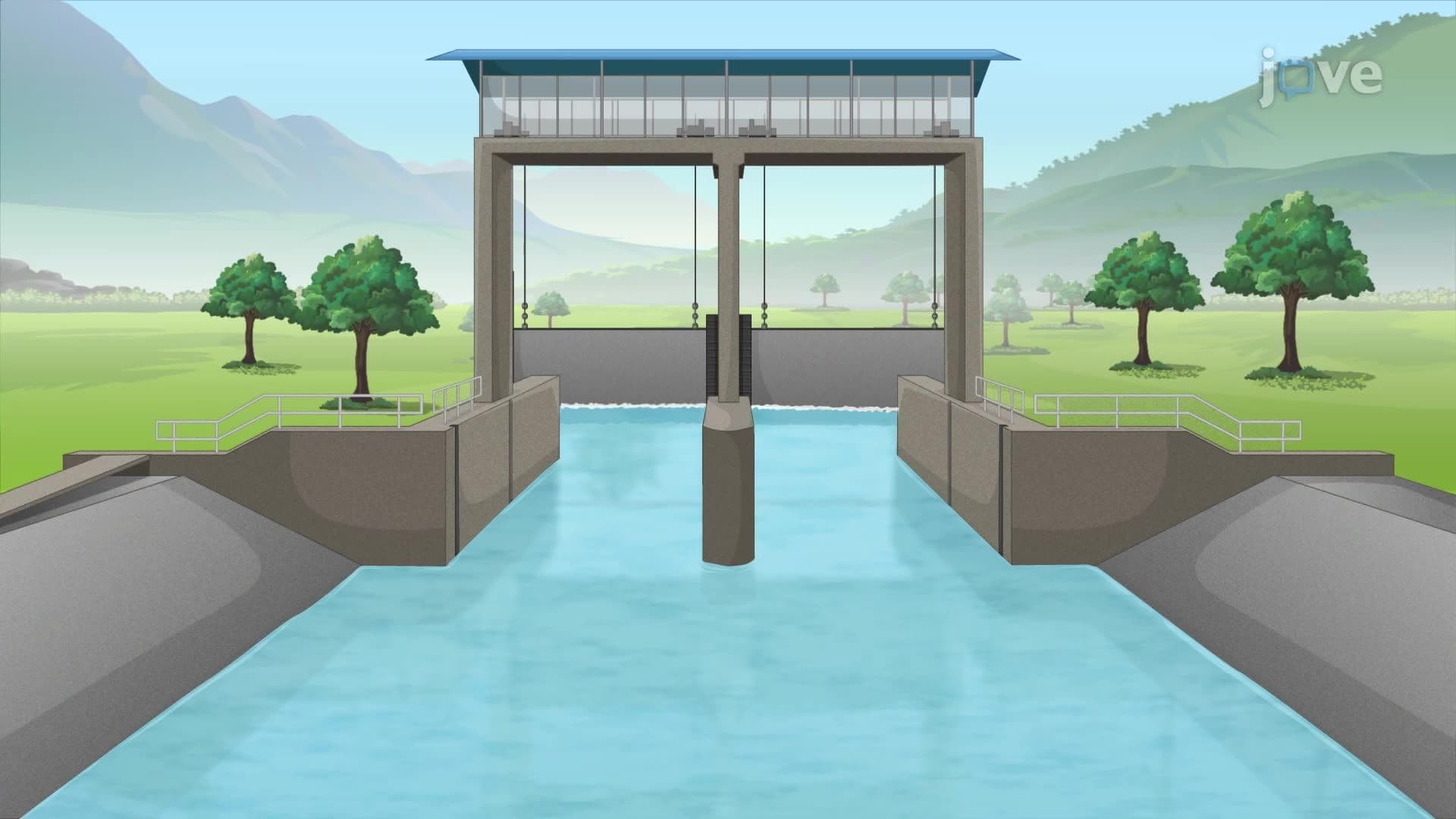
When engineers at the U.S. Army Corps of Engineers need to measure water flow rates in irrigation channels across California's Central Valley, they rely on underflow gates and weir calculations to ensure precise water distribution. Weir problem solving involves calculating flow depths and rates using different weir configurations-rectangular sharp-crested, triangular sharp-crested, and broad-crested weirs-each requiring specific mathematical approaches to determine optimal flow conditions. Watch the full video on JoVE Coach to master this concept with expert-led visuals and step-by-step explanations.
Weir problem solving represents a critical skill in hydraulic engineering, combining theoretical fluid mechanics with practical flow measurement techniques. Engineers use weirs-engineered barriers placed across open channels-to control and measure water flow in applications ranging from municipal water treatment plants to agricultural irrigation systems. The Denver Water Department, for example, uses various weir configurations to monitor flow rates in their distribution network, ensuring consistent water delivery across Colorado's Front Range.
Rectangular sharp-crested weirs feature a thin, sharp edge perpendicular to flow direction. The flow rate equation Q = C × W × g^0.5 × H^1.5 incorporates the weir coefficient (C), channel width (W), gravitational acceleration (g), and fluid depth (H). These weirs excel in measuring steady flows in rectangular channels, commonly found in wastewater treatment facilities across the United States.
Triangular sharp-crested weirs use a V-shaped notch, with flow rates calculated using Q = C × g^0.5 × H^2.5 × tan(θ/2), where θ represents the notch angle. The U.S. Geological Survey frequently employs 90-degree V-notch weirs for stream flow monitoring because they provide accurate measurements across wide flow ranges, particularly useful during both drought and flood conditions.
Weir problem solving typically involves setting known parameters and solving for unknown variables. When weir head height equals one meter, equations simplify significantly, reducing computational complexity while maintaining accuracy. Students preparing for AP Environmental Science or college-level fluid mechanics courses should master unit conversions and understand how gravitational acceleration (32.2 ft/s² or 9.81 m/s²) affects calculations.
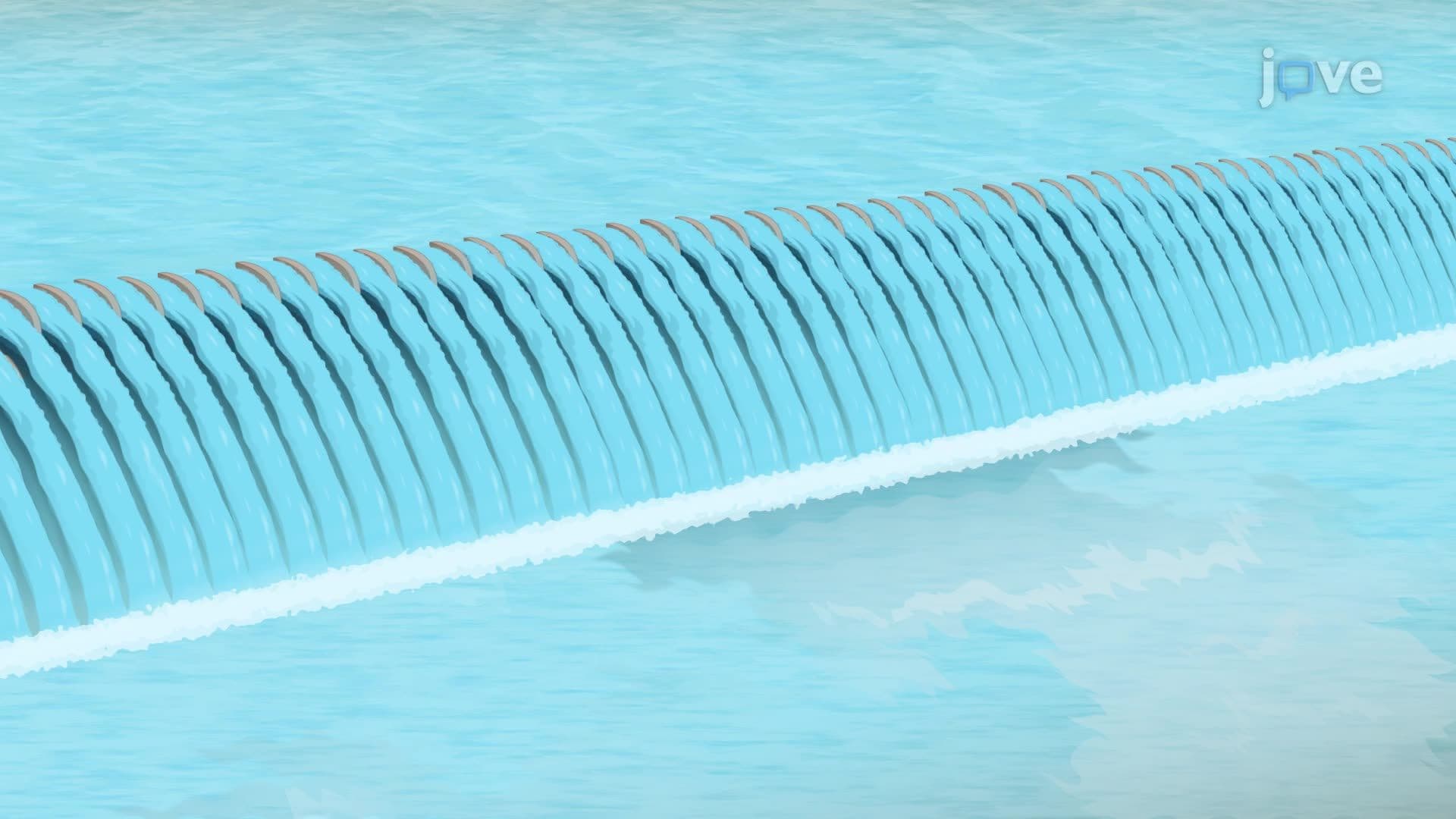
Broad-crested weirs feature wider crests that allow critical flow conditions to develop. Their flow equation Q = C × W × g^0.5 × H^1.5 appears similar to rectangular weirs but uses different coefficients. The Tennessee Valley Authority uses broad-crested weirs in dam spillway design, where robust construction and reliable flow measurement prove essential for flood control operations.
Engineering students encounter weir problems in courses like fluid mechanics, hydraulic engineering, and environmental systems. NCEES Fundamentals of Engineering (FE) exam questions often test weir calculation proficiency, requiring students to select appropriate equations and apply dimensional analysis correctly. Understanding which weir type produces maximum flow depth under specific conditions-as demonstrated when triangular weirs exceed rectangular weir performance-helps engineers select optimal measurement systems for real-world applications.
Related Micro-courses