Loading video…


 11 Concepts
 2.6K views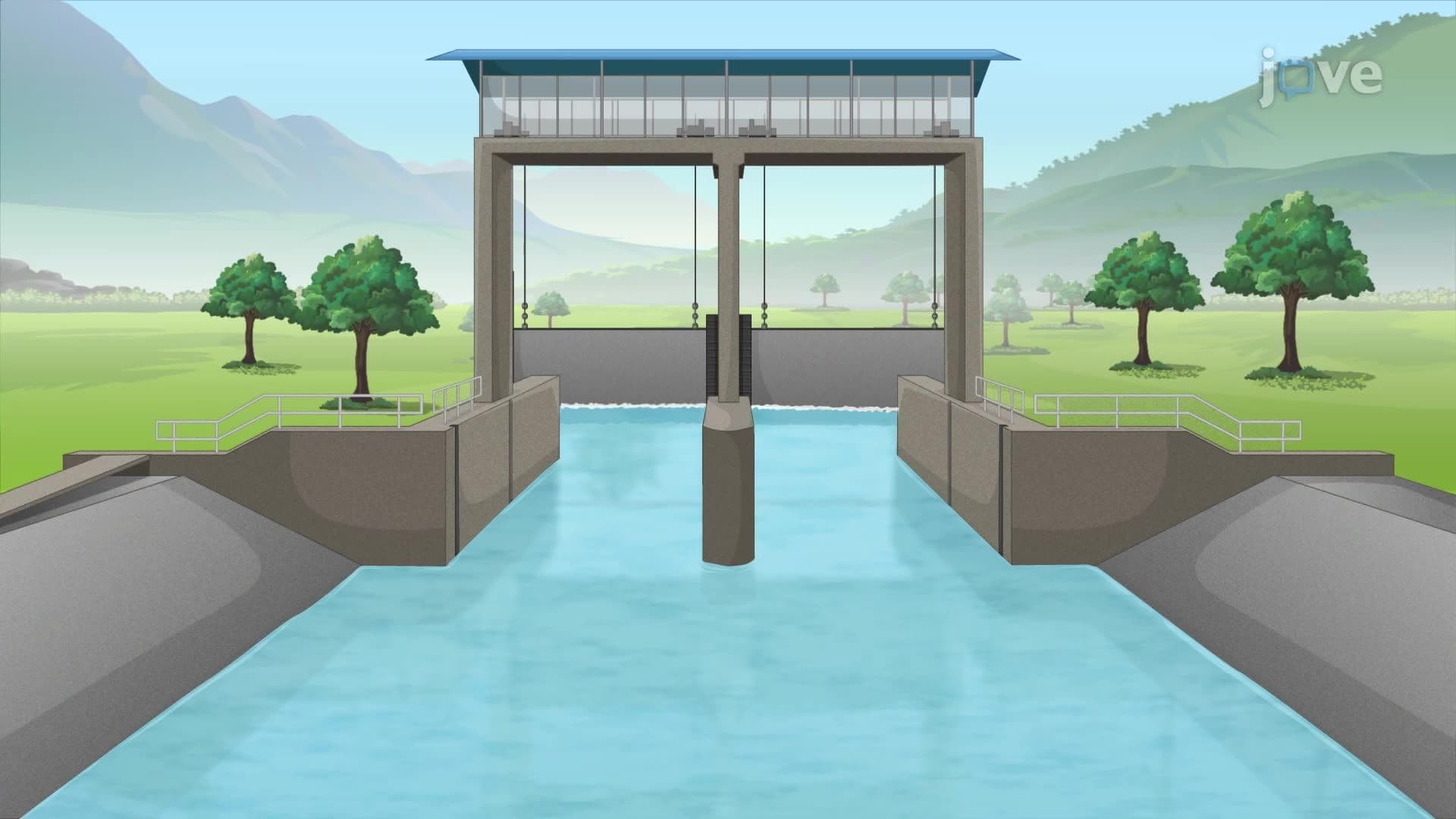

Video Summary: What Is Underflow Gates
Ever wonder how engineers control massive water flows in irrigation systems across America's agricultural regions? A design example design of an underflow gate system demonstrates the precise engineering behind water management in channels like California's Central Valley Project. Underflow gates-including vertical, radial, and drum types-regulate water flow through controlled openings, creating either free-flowing jets or drowned outflow conditions depending on downstream obstacles. Understanding what is underflow gates involves mastering the relationship between gate geometry, discharge coefficients, and hydraulic conditions. Watch the full video on JoVE Coach to master this concept with expert-led visuals and step-by-step explanations.
Underflow gates represent critical hydraulic control structures that regulate water flow in irrigation canals, flood control systems, and water treatment facilities across the United States. These engineered devices allow precise water management in projects like the Colorado River aqueduct system and Tennessee Valley Authority dams. A design example design of an underflow gate system typically involves calculating optimal gate dimensions, predicting flow rates, and ensuring proper hydraulic performance under varying conditions.
The three primary gate types each offer distinct advantages for specific applications. Vertical gates operate through simple up-and-down movement, making them ideal for situations requiring quick flow adjustments. These gates create free-flowing jets when lifted, with water accelerating through the opening and forming supercritical flow conditions. Radial gates pivot around a horizontal axis, providing excellent structural stability for high-pressure applications common in large dams. Drum gates rotate cylindrically, offering the most precise flow control for sensitive water management scenarios.
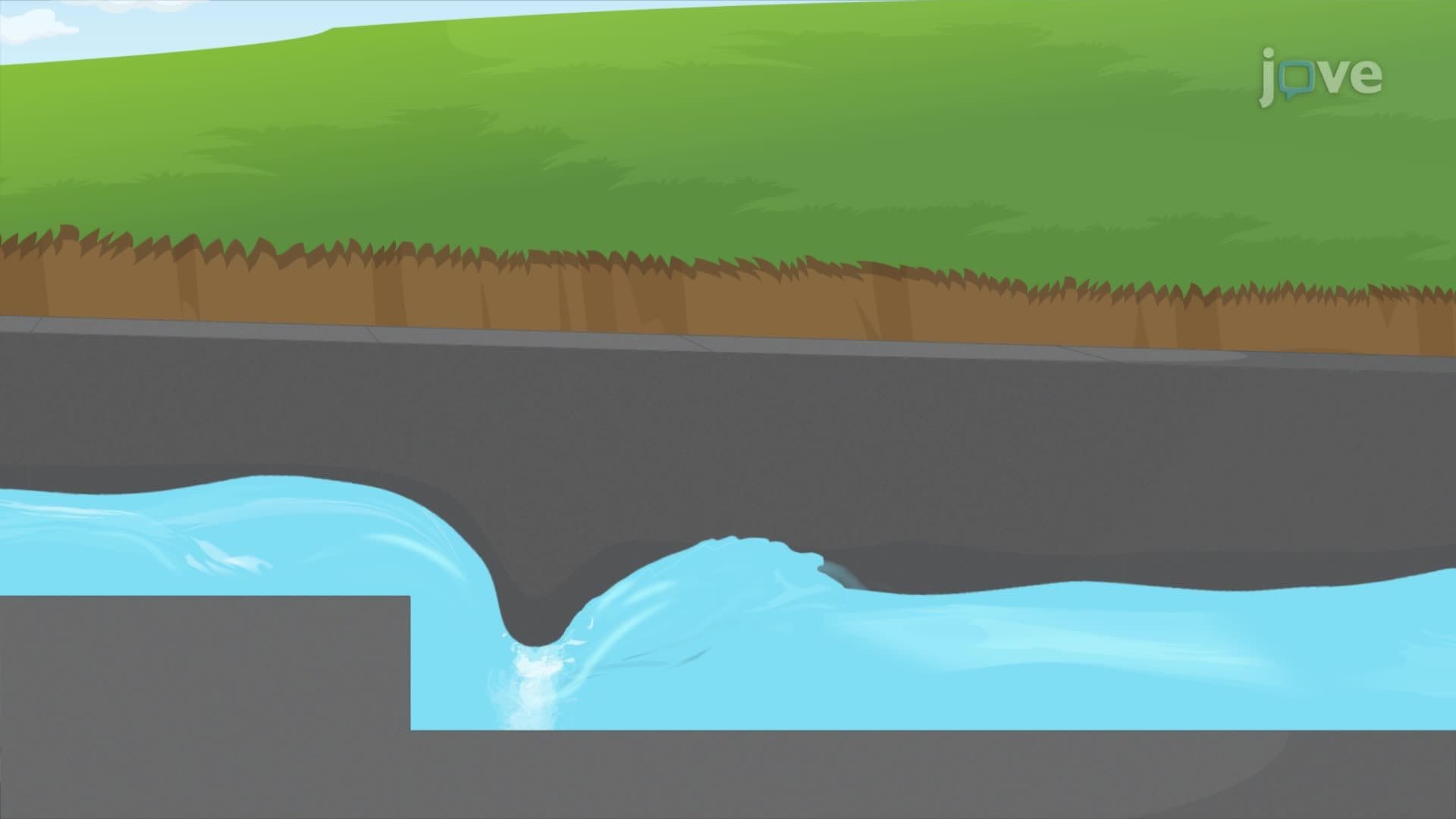
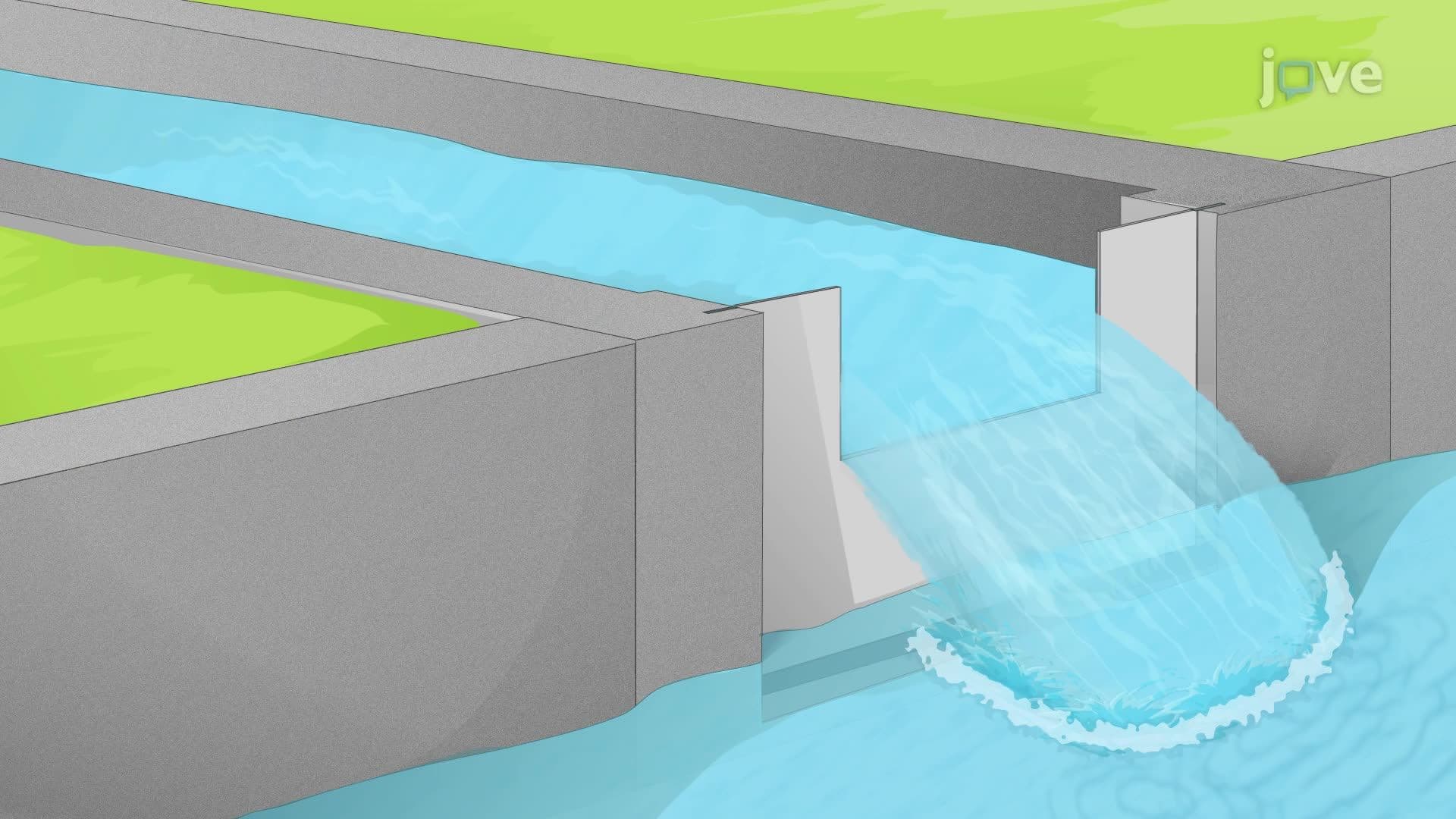
Flow behavior through underflow gates depends heavily on downstream conditions, creating two distinct hydraulic scenarios. Free outflow occurs when water exits the gate as an unobstructed supercritical jet, exposed directly to atmospheric pressure. This condition typically produces higher flow rates and more predictable hydraulic behavior. The flow rate calculation involves the gate opening height (a), upstream velocity, and a discharge coefficient that accounts for energy losses and flow contraction effects.
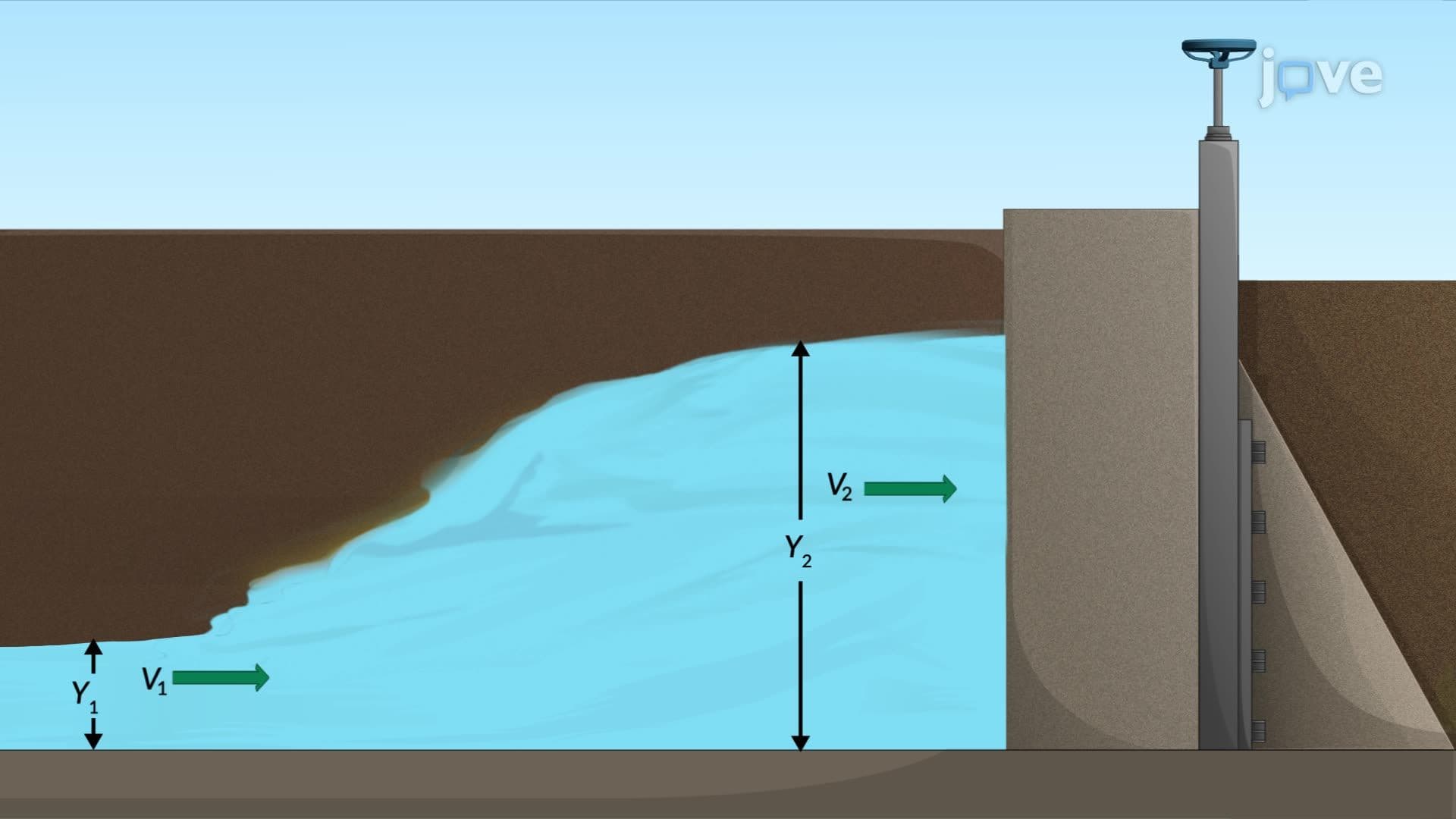
Drowned outflow develops when downstream obstacles or elevated water levels create backpressure against the emerging jet. This condition results in a turbulent water mass overlaying the high-velocity jet, significantly affecting the discharge coefficient. Engineers must account for these complex interactions when designing gate systems for variable downstream conditions, particularly relevant in tidal areas along US coastlines or downstream of other hydraulic structures.
Understanding underflow gate hydraulics proves essential for AP Environmental Science students studying water management systems and college engineering students in fluid mechanics courses. The concept frequently appears in SAT Subject Tests and college-level civil engineering examinations, particularly when analyzing discharge coefficients and critical flow conditions. Professional engineering exams often include problems requiring calculation of gate performance under various hydraulic conditions, making mastery of these principles crucial for future water resources engineers working on US infrastructure projects.
Related Micro-courses