Loading video…


 11 Concepts
 2.6K views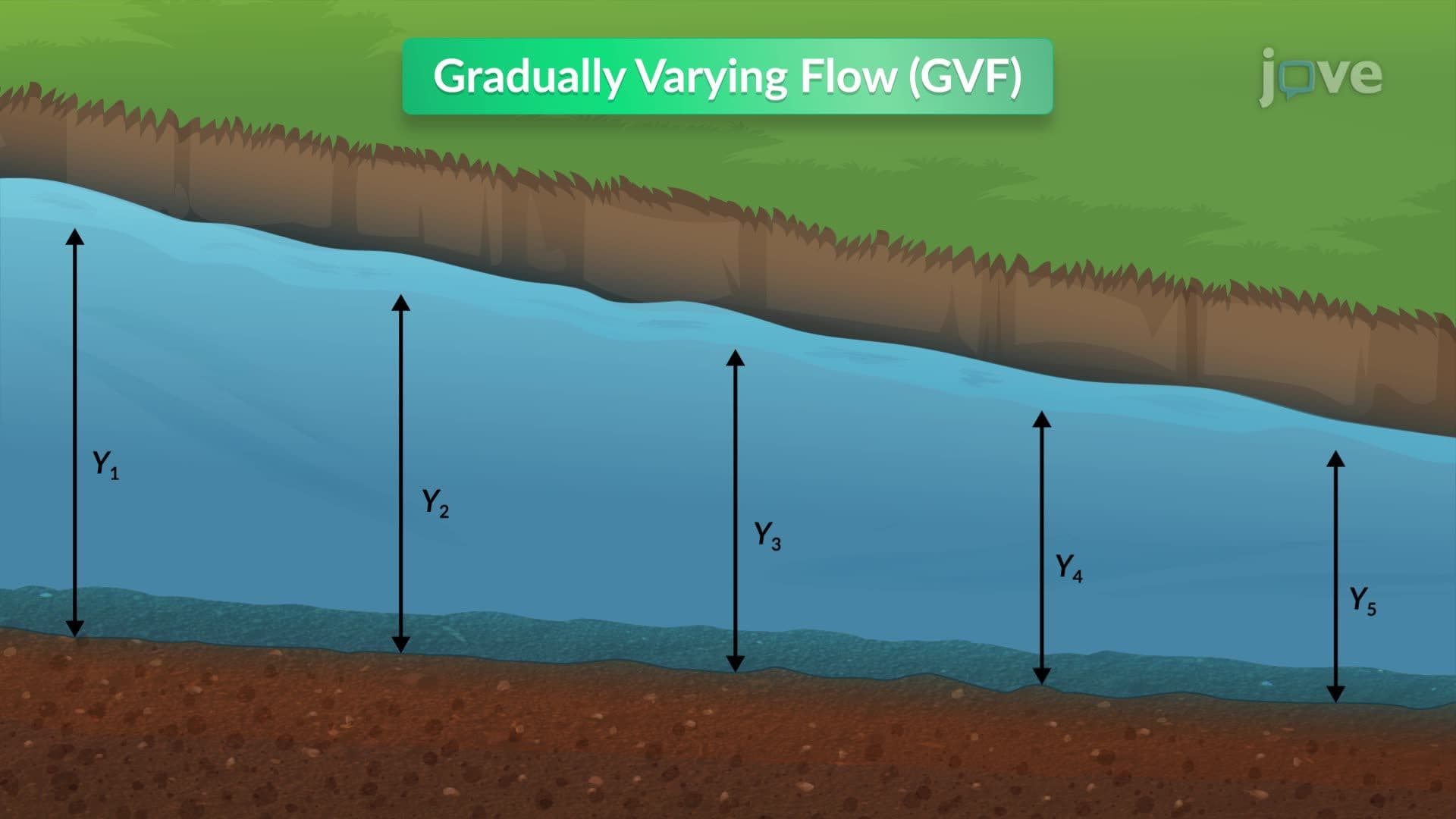

Video Summary: What Is Gradually Varying Flow
Did you know that the Colorado River's depth changes so gradually over hundreds of miles that engineers can predict water levels with remarkable precision? Rapidly varying flow occurs when water depth changes slowly and smoothly in open channels like rivers and canals. Unlike the dramatic hydraulic jumps you might see at Niagara Falls, gradually varying flow represents the steady, predictable water behavior found in most US waterways, from the Mississippi River to irrigation canals in California's Central Valley. This fundamental hydraulic engineering concept helps design everything from flood control systems to agricultural channels. Watch the full video on JoVE Coach to master this concept with expert-led visuals and step-by-step explanations.
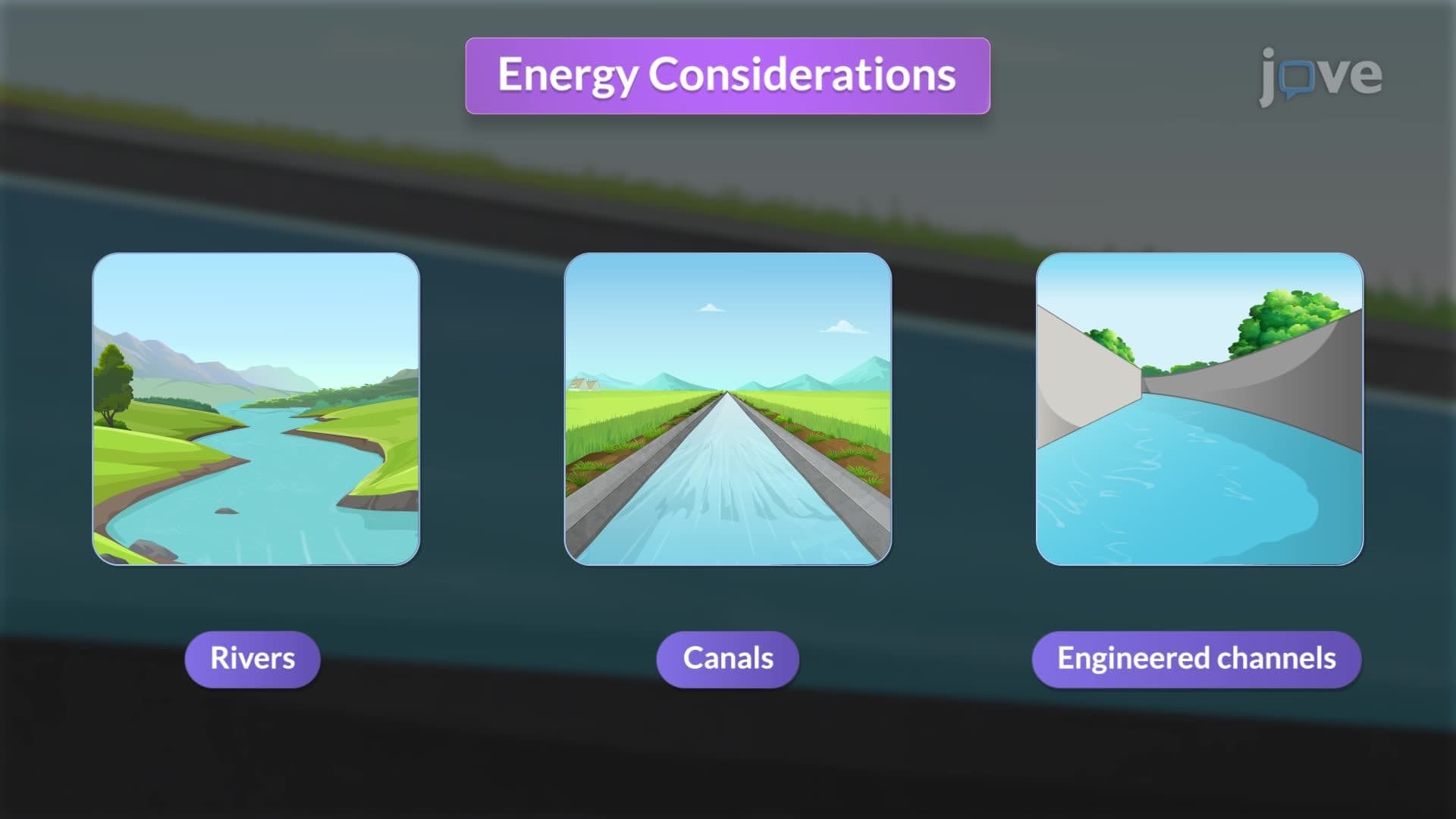
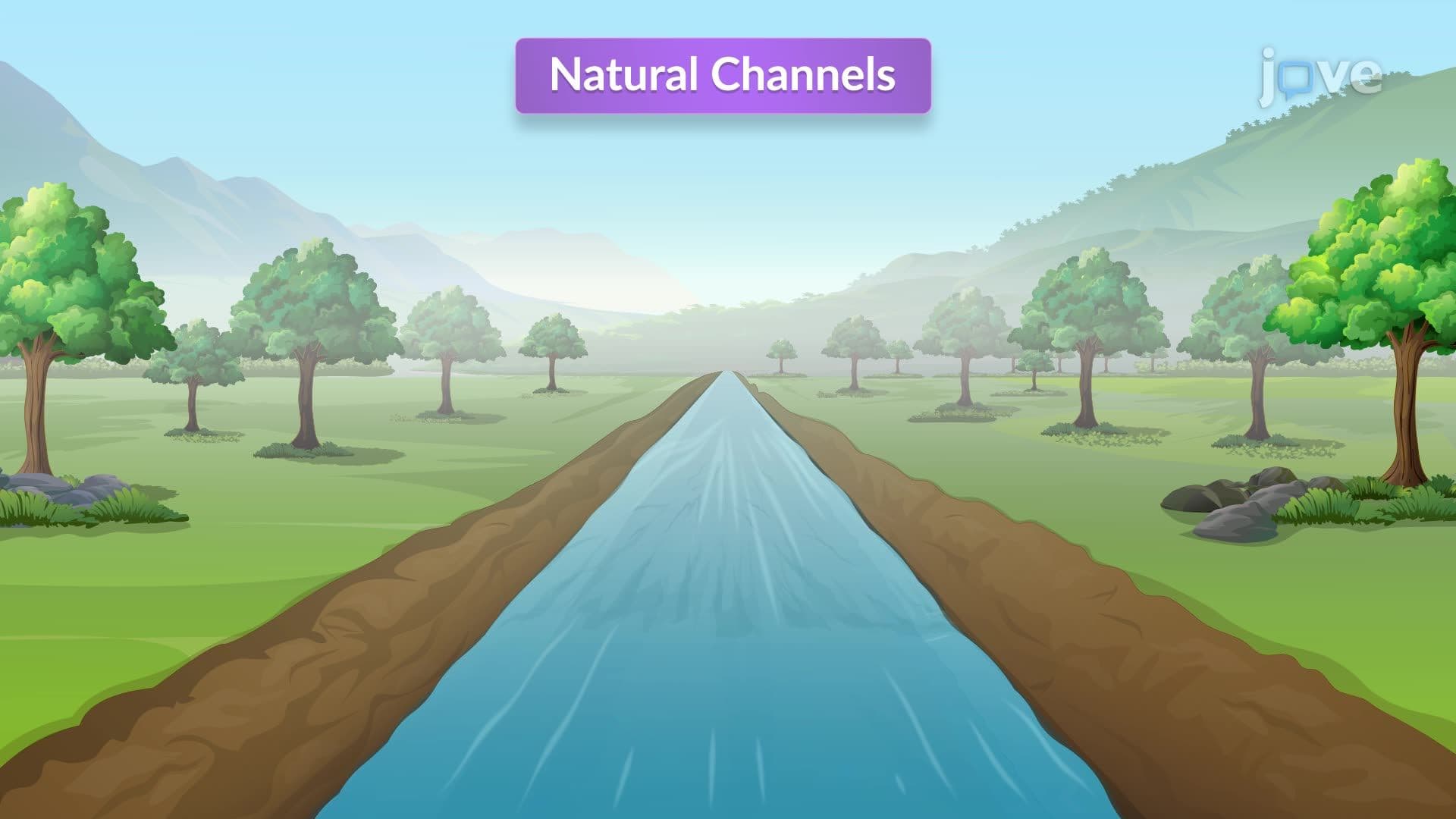
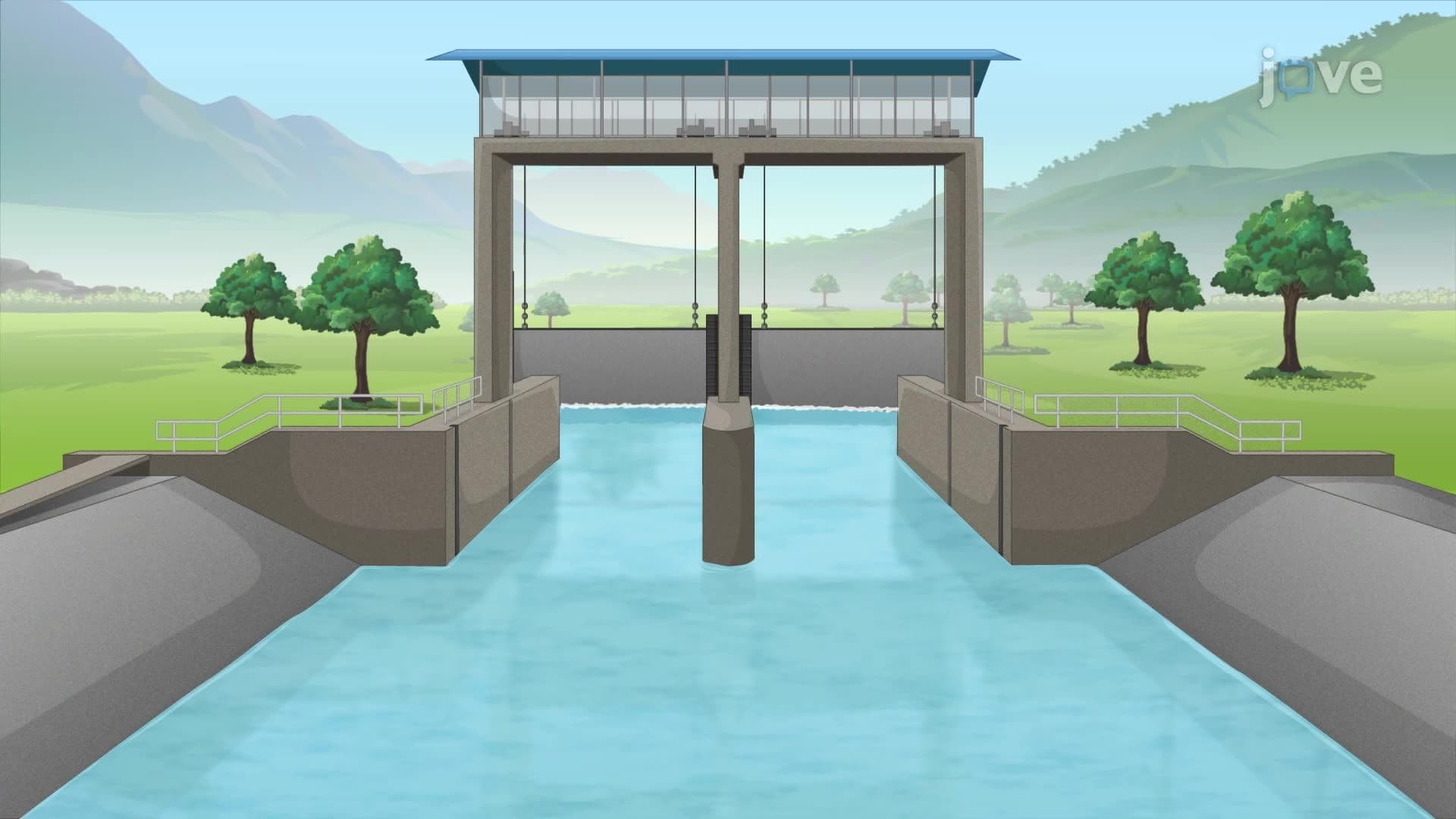
Gradually varying flow (GVF) represents one of the most important concepts in hydraulic engineering, describing how water depth changes smoothly and predictably in open channels. Unlike rapidly varying flow, where dramatic changes occur over short distances, GVF involves gentle transitions that extend over considerable lengths. This phenomenon occurs throughout the US water infrastructure, from the Tennessee Valley Authority's river systems to California's extensive canal networks.
The science behind gradually varying flow centers on the delicate balance between three primary forces: gravity, flow inertia, and channel friction. When these forces reach equilibrium, water depth adjusts gradually to maintain energy conservation and flow continuity. Consider the Sacramento River in California, as the channel bed slope changes from steep mountain terrain to gentle valley floors, the flow depth increases gradually over miles, not feet.
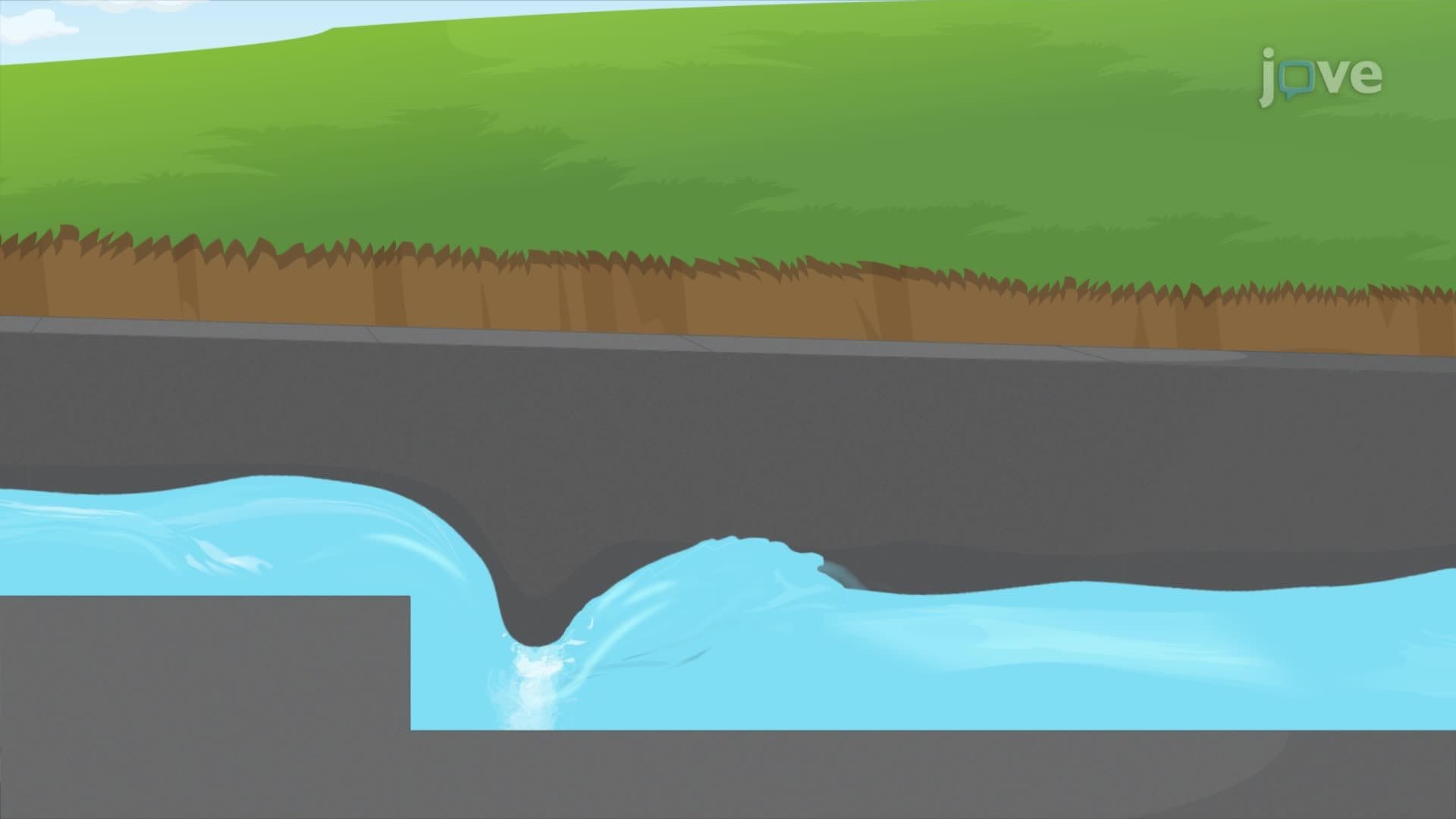
The mathematical expression dy/dx represents the rate of depth change, where small values indicate the gradual nature of these transitions. This contrasts sharply with rapidly varying flow scenarios like hydraulic jumps, where depth changes dramatically over very short distances.
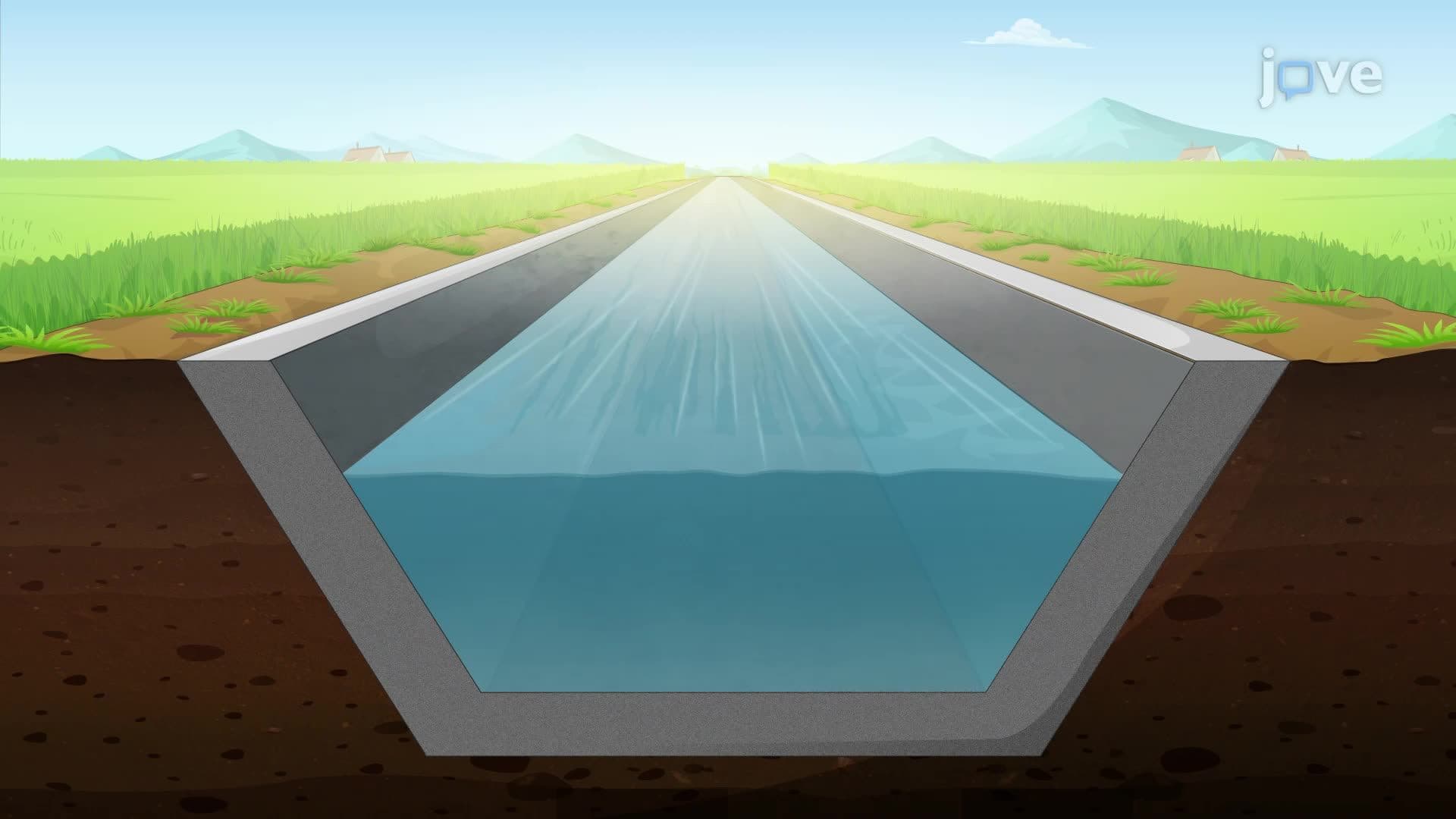
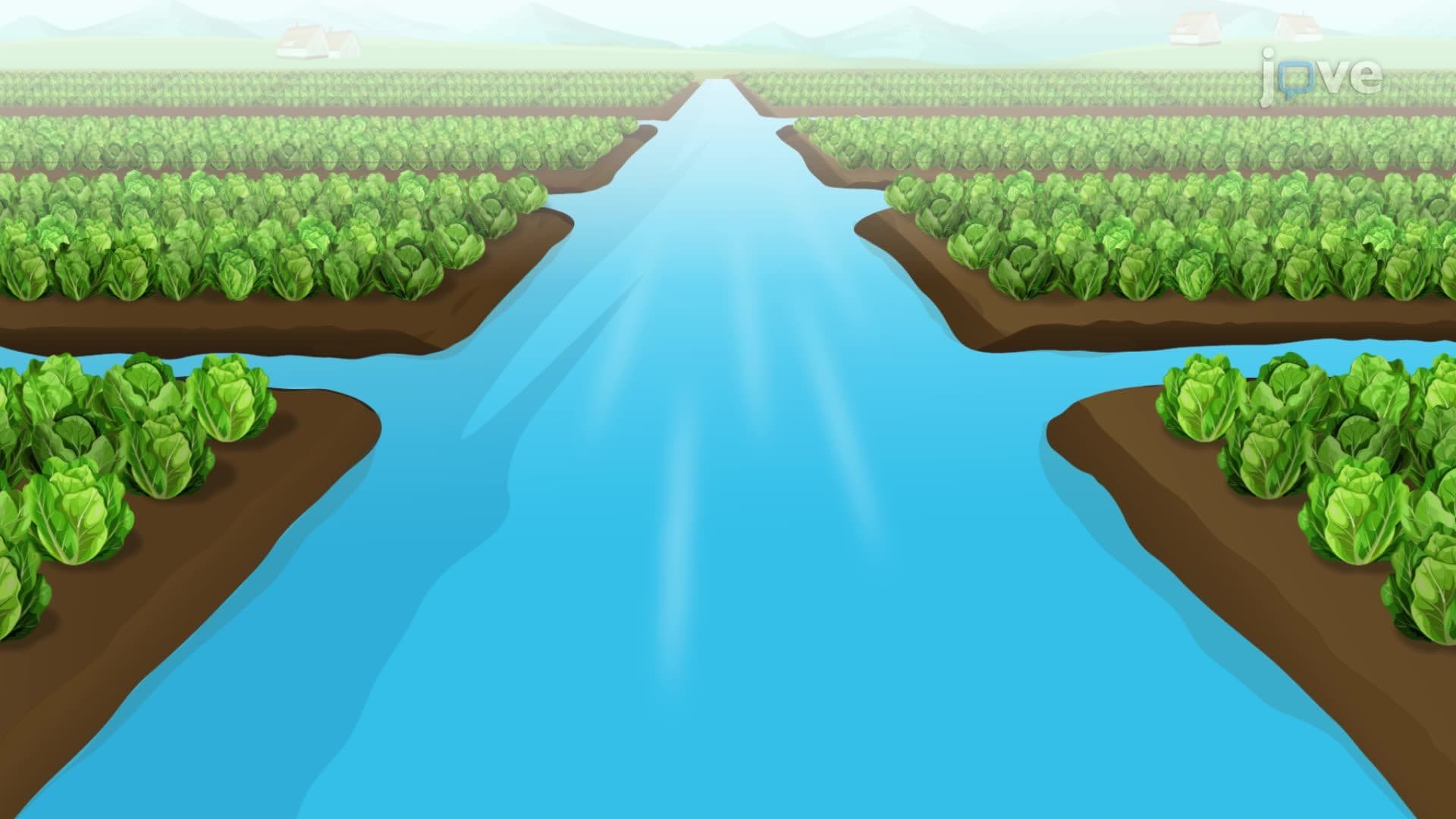
Engineers designing water conveyance systems must consider optimal hydraulic cross-sections to support efficient gradually varying flow. Rectangular channels, common in urban drainage systems like those in Miami's flood control infrastructure, provide simple construction but may not offer optimal flow efficiency. Trapezoidal sections, widely used in agricultural irrigation channels throughout the Midwest, balance construction practicality with hydraulic performance. Triangular channels, often found in roadside ditches, handle varying flow rates effectively.
Understanding gradually varying flow proves essential for numerous engineering applications. The US Army Corps of Engineers relies on GVF principles when designing flood control channels along the Mississippi River system. Similarly, the Bureau of Reclamation applies these concepts in managing irrigation networks across western states. Students preparing for the Fundamentals of Engineering (FE) exam will encounter GVF problems requiring analysis of flow profiles and depth predictions.
In academic settings, this topic appears prominently in fluid mechanics courses at universities like MIT, Stanford, and the University of California system. AP Physics students studying fluid dynamics benefit from understanding these principles, as they demonstrate real-world applications of energy conservation and force equilibrium concepts.
Related Micro-courses