Loading subject page…


2,689 views
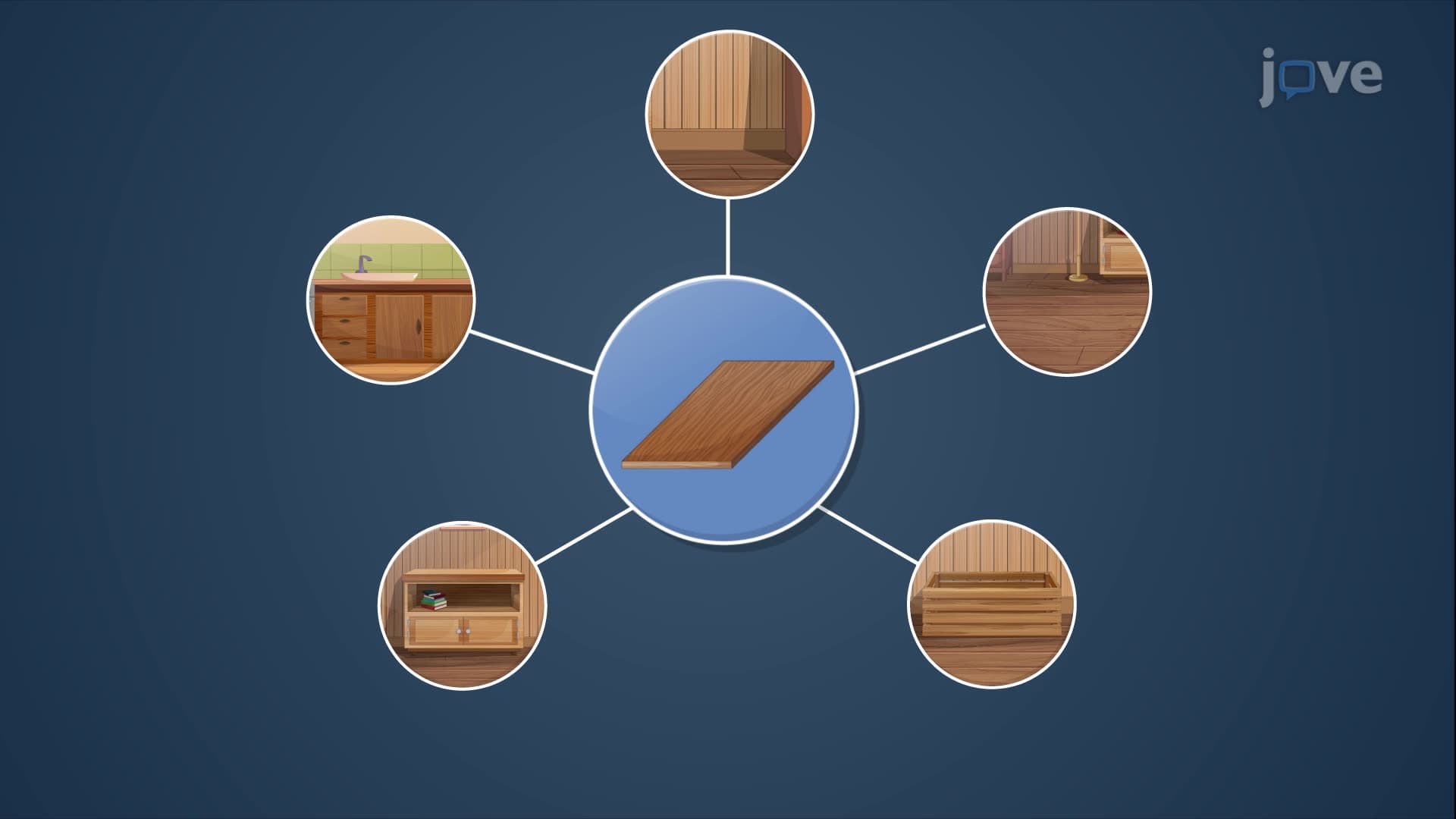

Video Summary: What Is Veneer
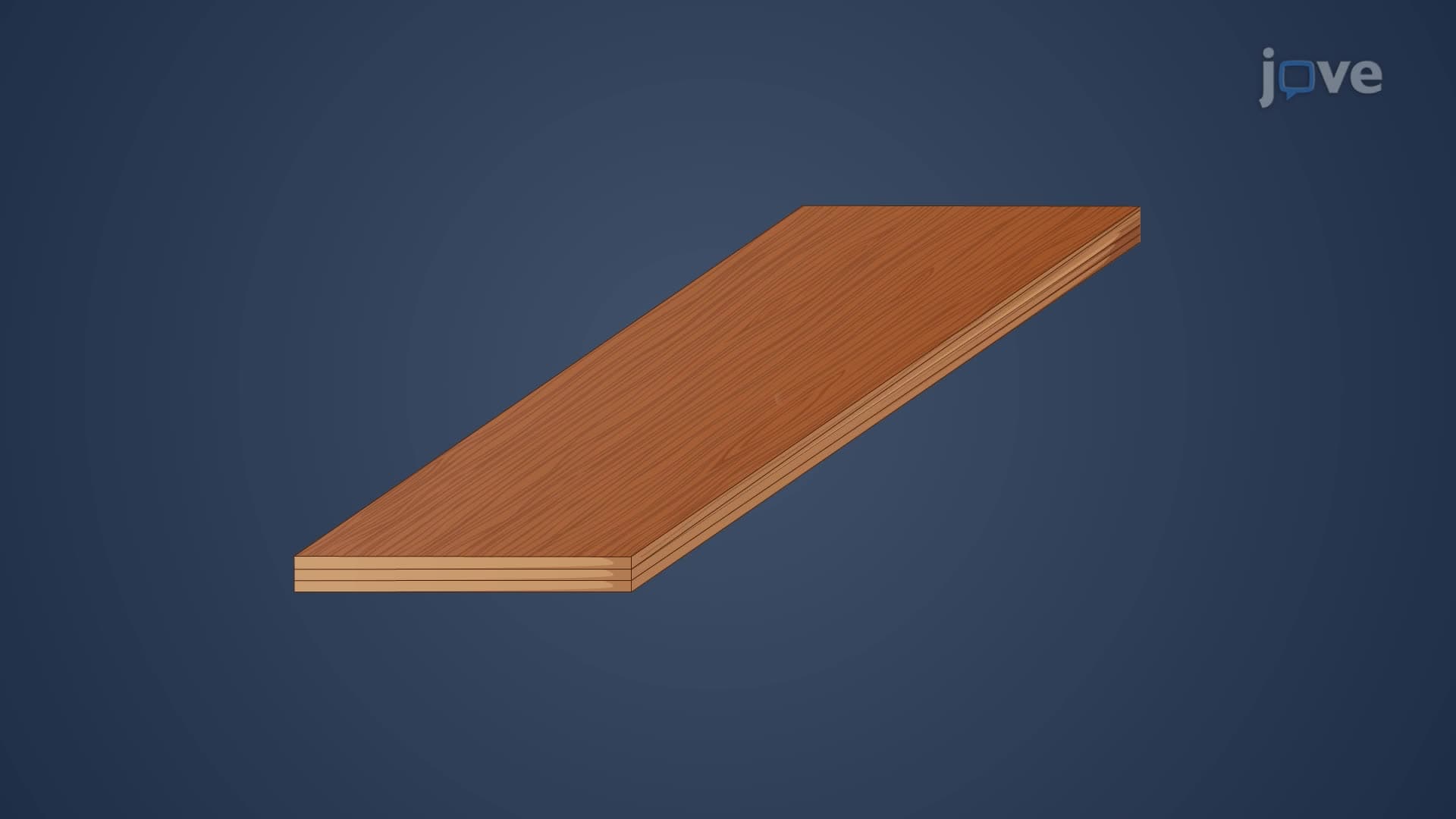
Did you know that the beautiful wood grain on most furniture isn't solid wood but paper-thin sheets? Veneer is a remarkably thin layer of wood, typically one-eighth inch or less, that transforms ordinary materials into stunning finished products. From the cherry wood cabinets in American kitchens to the mahogany dashboards in luxury cars, veneer creates the illusion of expensive solid wood at a fraction of the cost. This manufacturing process involves specialized cutting techniques that peel or slice logs into continuous sheets. Watch the full video on JoVE Coach to master this concept with expert-led visuals and step-by-step explanations.
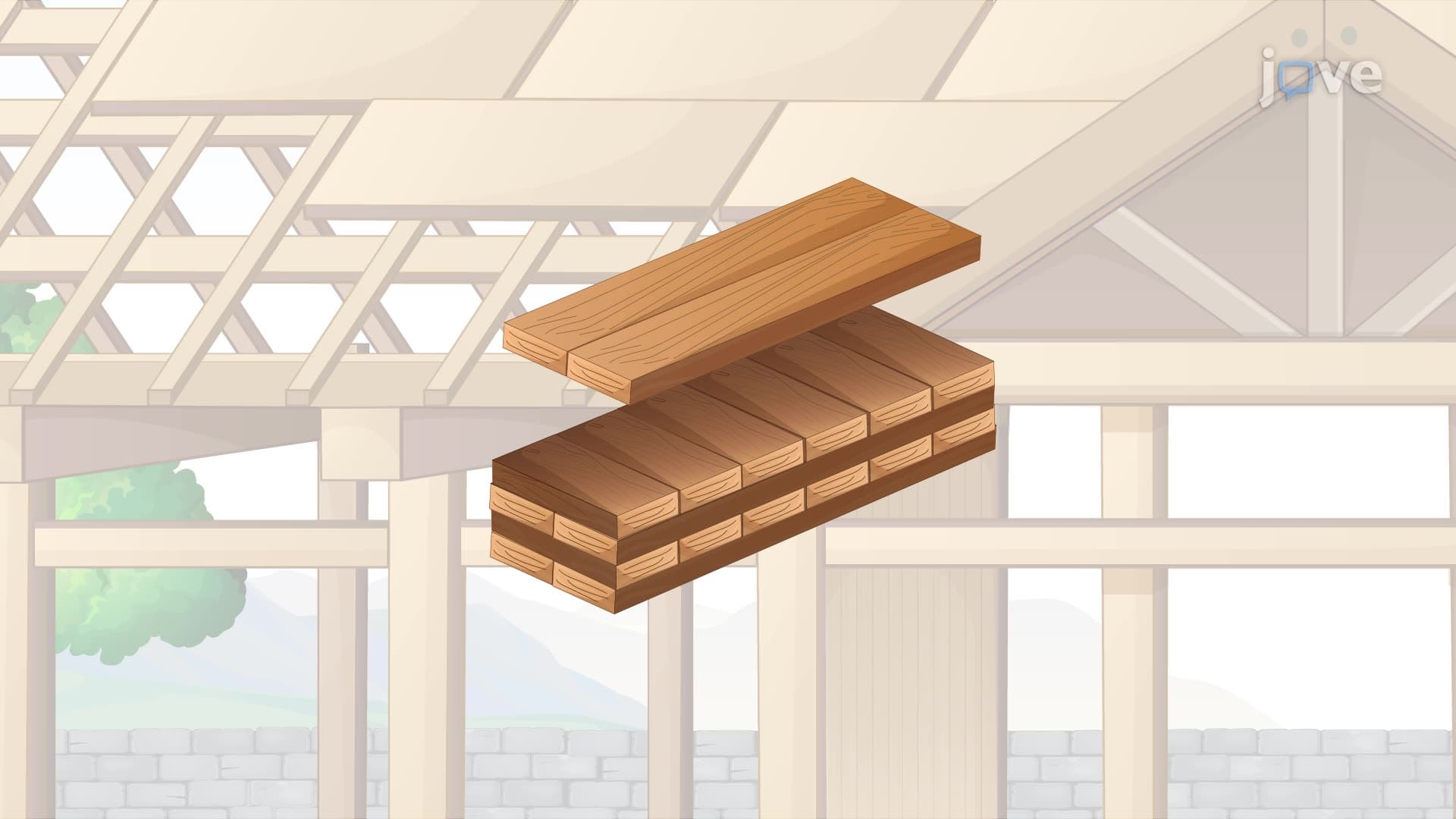
Veneer represents one of woodworking's most ingenious innovations-ultra-thin wood sheets that maximize the use of precious timber resources. At approximately one-eighth inch thick or less, veneer allows manufacturers to create beautiful wood surfaces while conserving raw materials. This technology revolutionized furniture and construction industries by making expensive hardwoods accessible for decorative applications.
The rotary-cutting method dominates commercial veneer production. Picture a massive lathe spinning a log while a sharp blade peels away continuous sheets, much like unrolling paper towels. This process yields the widest sheets and maximizes log utilization, making it ideal for plywood manufacturing in facilities across Oregon and North Carolina.
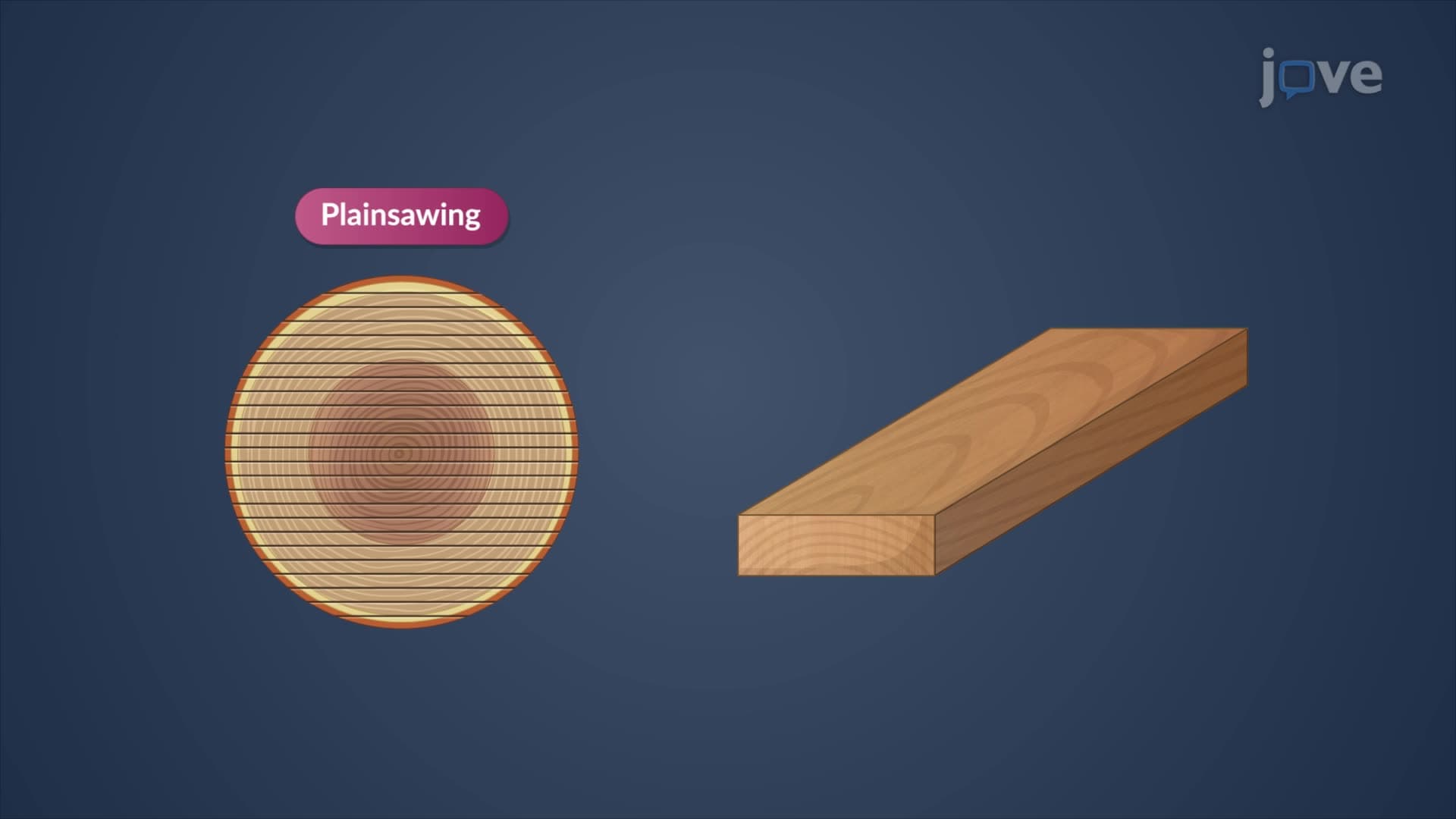
Slicing methods offer different aesthetic results. Plain-slicing produces the familiar "cathedral" grain pattern seen in high-end furniture, while quarter-slicing creates straight, parallel lines prized for Arts and Crafts furniture. Companies like Columbia Forest Products utilize these techniques to serve distinct market segments, from architectural millwork to musical instrument manufacturing.
American furniture manufacturers rely heavily on veneer for both economic and aesthetic reasons. Herman Miller's iconic Eames chairs showcase molded plywood veneer, while kitchen cabinet companies like KraftMaid use veneer to achieve consistent grain patterns impossible with solid wood. The flooring industry has embraced engineered hardwood, where veneer tops provide durability and beauty over stable substrate cores.
Students preparing for AP Environmental Science exams should understand veneer's role in sustainable forestry practices. Wood technology programs at universities like Virginia Tech and North Carolina State emphasize veneer manufacturing as a key component of forest products engineering. For those considering careers in industrial design or manufacturing engineering, understanding veneer processes provides insight into material optimization and production efficiency-concepts that appear on engineering fundamentals exams and industry certifications.
Related Micro-courses