Loading video…


 11 Concepts
 2.7K views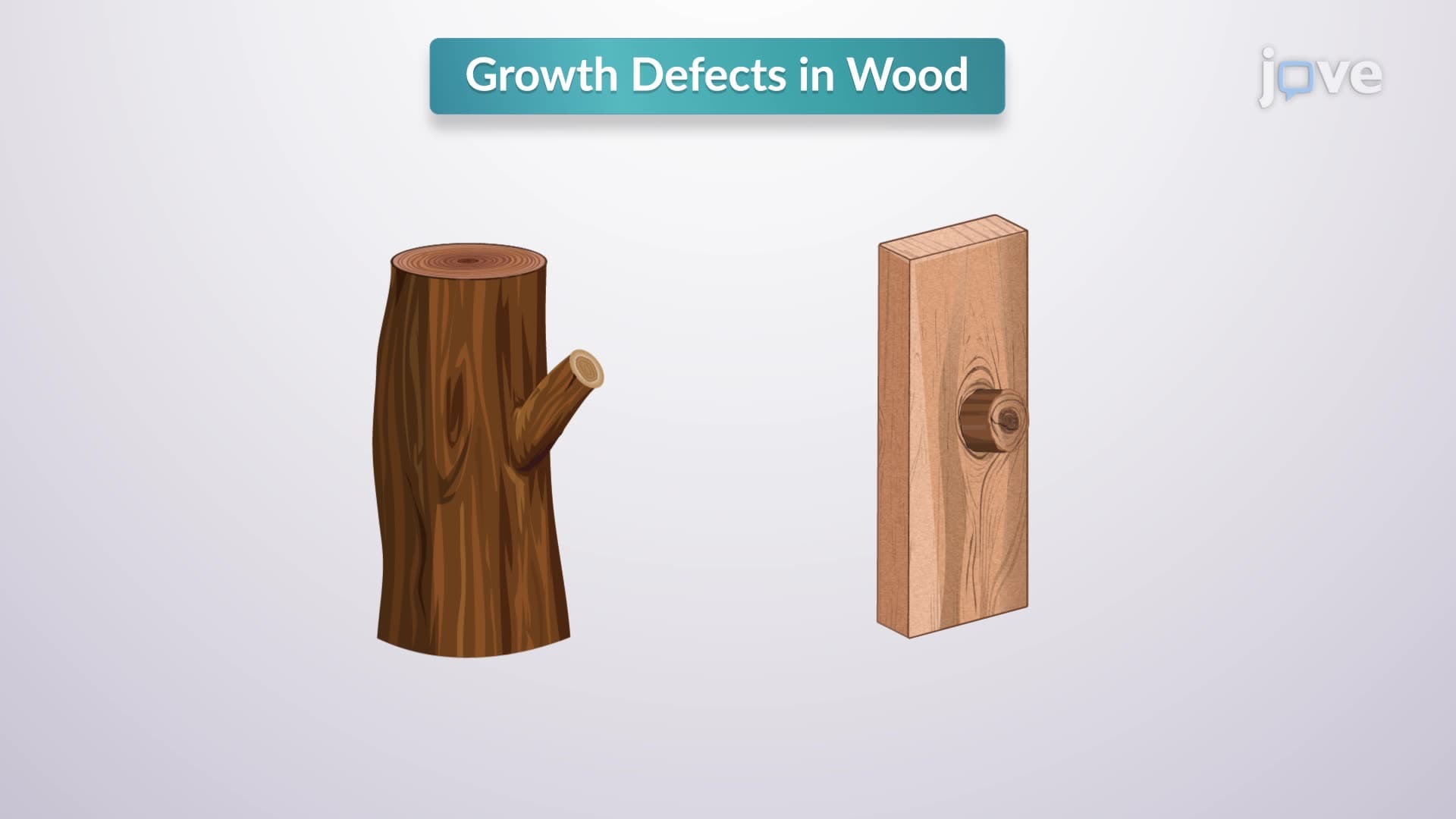

Video Summary: What Is Lumber Defects
Lumber defects can turn a perfectly good piece of wood into a structural nightmare-imagine a deck collapse at a family barbecue due to undetected knots weakening the support beams. These natural and manufacturing flaws, from knots and shakes to warping and honeycomb cracks, significantly impact wood strength and appearance in construction projects across the United States. Watch the full video on JoVE Coach to master this concept with expert-led visuals and step-by-step explanations.
Lumber defects represent a critical intersection of biology and engineering that every construction professional and woodworker must understand. These imperfections fall into two main categories: growth defects that originate while the tree is alive, and manufacturing defects that occur during processing. For students preparing for AP Environmental Science or college-level materials science courses, understanding lumber defects provides insight into both forest ecology and industrial processing.
Growth defects begin in the living tree and reflect the plant's response to environmental stresses. Knots form where branches attach to the main trunk, creating areas of interlocked grain that can significantly weaken lumber. When these knots loosen and fall out during processing, they create knotholes-circular voids that eliminate load-bearing capacity entirely. Major US lumber producers like Weyerhaeuser and Georgia-Pacific must carefully grade lumber based on knot size and frequency.
Decay and insect damage represent biological threats that compromise wood integrity. The emerald ash borer, for example, has devastated ash forests across the Midwest, creating tunnels that render affected lumber unsuitable for structural applications. Understanding these defects helps explain why certain tree species command premium prices-Eastern white pine's relatively defect-free grain makes it ideal for construction in New England homes.
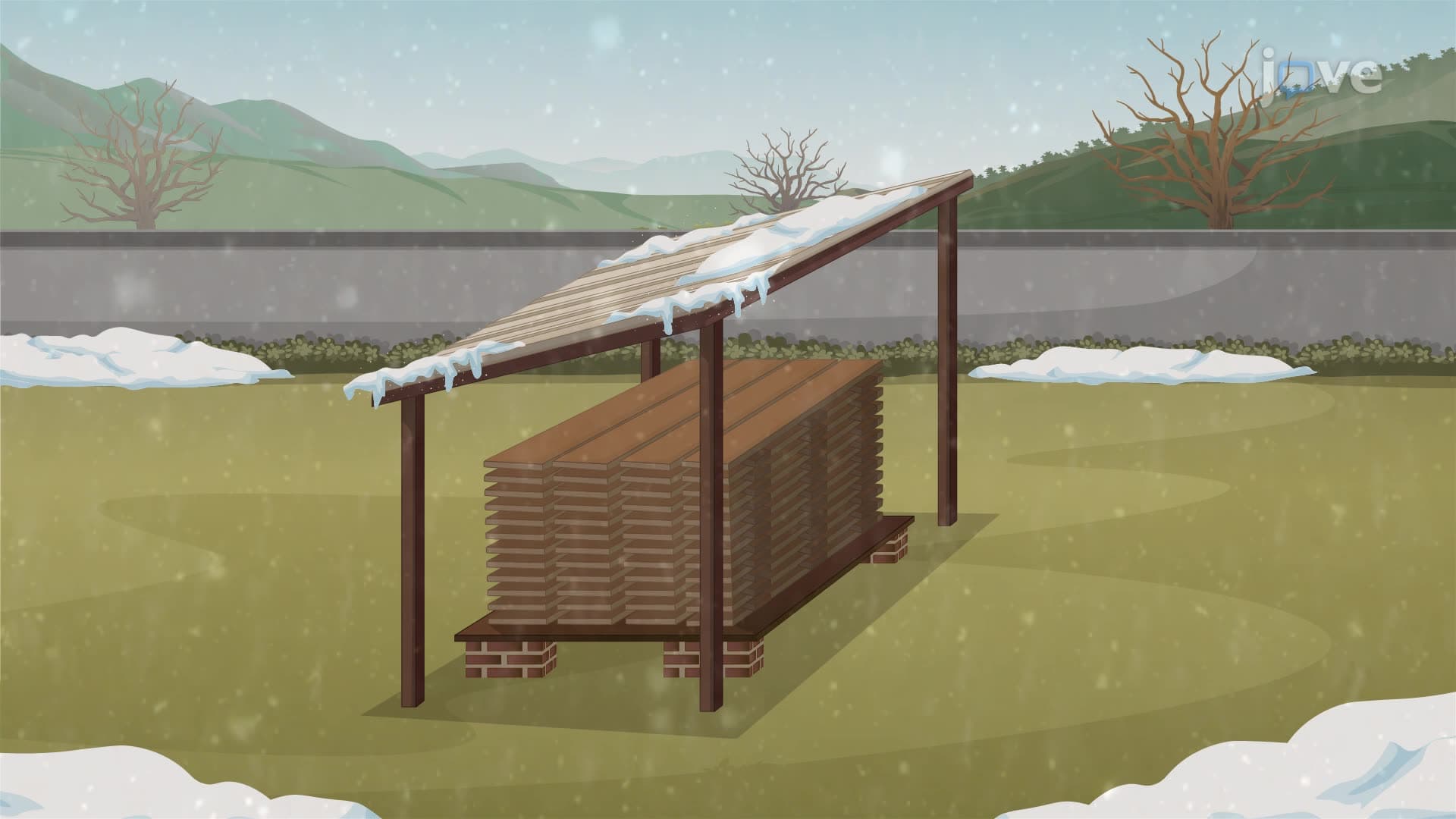
Manufacturing defects arise during lumber production, particularly during the critical seasoning process. Checks develop as circumferential shrinkage creates radial cracks-a phenomenon clearly visible in split firewood. Proper kiln-drying schedules, carefully controlled at facilities like those operated by Stimson Lumber Company in Montana, minimize checking while achieving target moisture content.
Warping encompasses multiple distortions: bow (lengthwise curvature), crook (edgewise curvature), twist (spiral distortion), and cup (across-width curvature). Each type reflects uneven moisture loss or internal stress release. Honeycomb defects-internal separations invisible from the surface-result from overly aggressive drying schedules that create steep moisture gradients.
The lumber defects definition extends beyond simple categorization to encompass performance implications. Structural lumber graded by agencies like the Southern Pine Inspection Bureau must meet specific defect limitations for different stress grades. A 2x10 floor joist rated for residential construction, for example, can tolerate certain knot sizes but not others, directly affecting building code compliance and safety margins in US construction projects.
Related Micro-courses