Loading video…


 11 Concepts
 2.7K views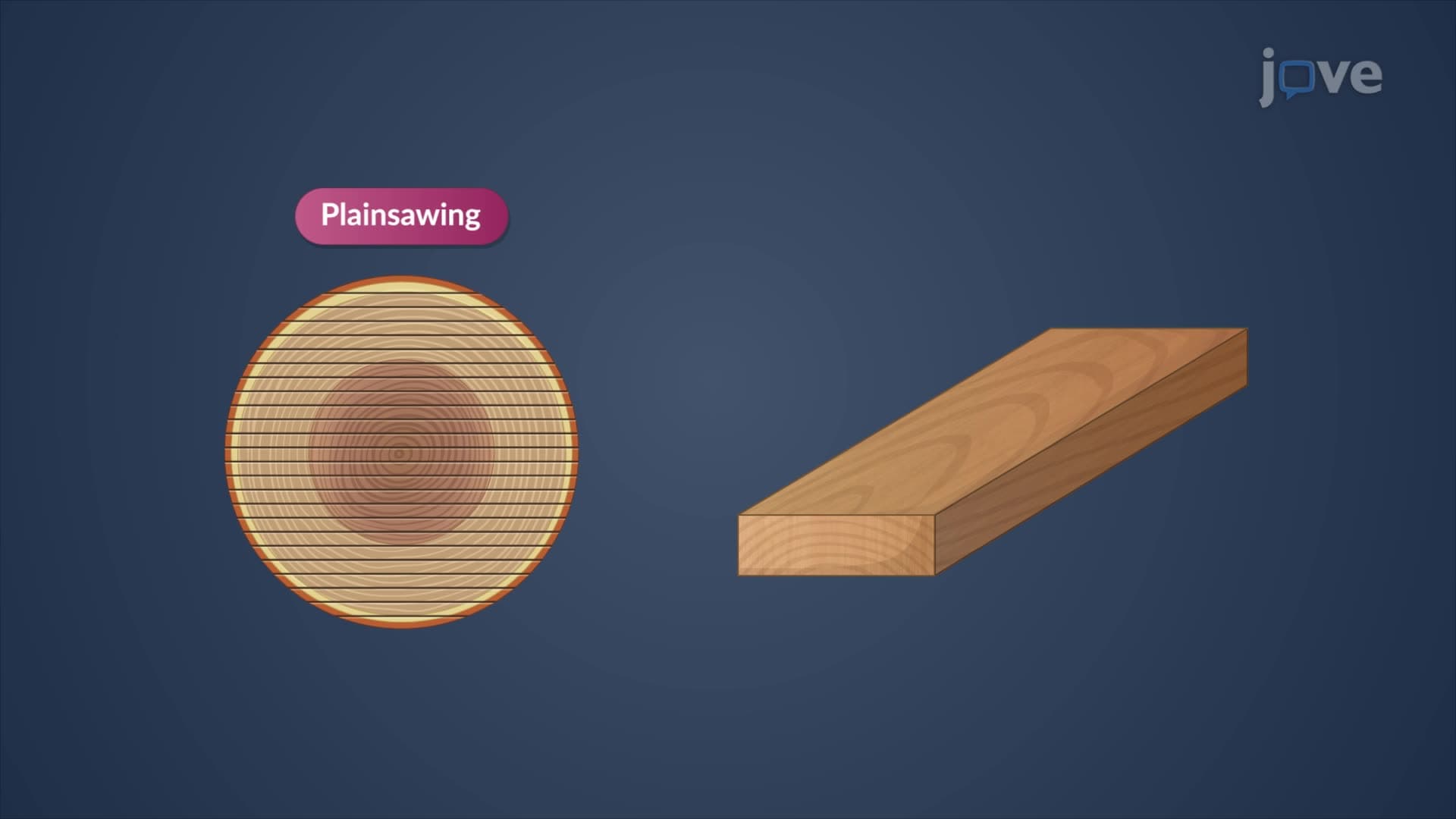

Video Summary: What Is Lumber
Ever wonder how the 2x4 studs in American homes transform from towering forest giants into precisely cut building materials? Lumber represents one of the most fundamental construction materials, with the U.S. consuming over 50 billion board feet annually for residential and commercial projects. From the automated sawmills processing Douglas fir logs in Oregon to the finished pine boards at your local Home Depot, understanding what is lumber involves recognizing both the manufacturing process and the diverse applications of these essential wood products. Watch the full video on JoVE Coach to master this concept with expert-led visuals and step-by-step explanations.
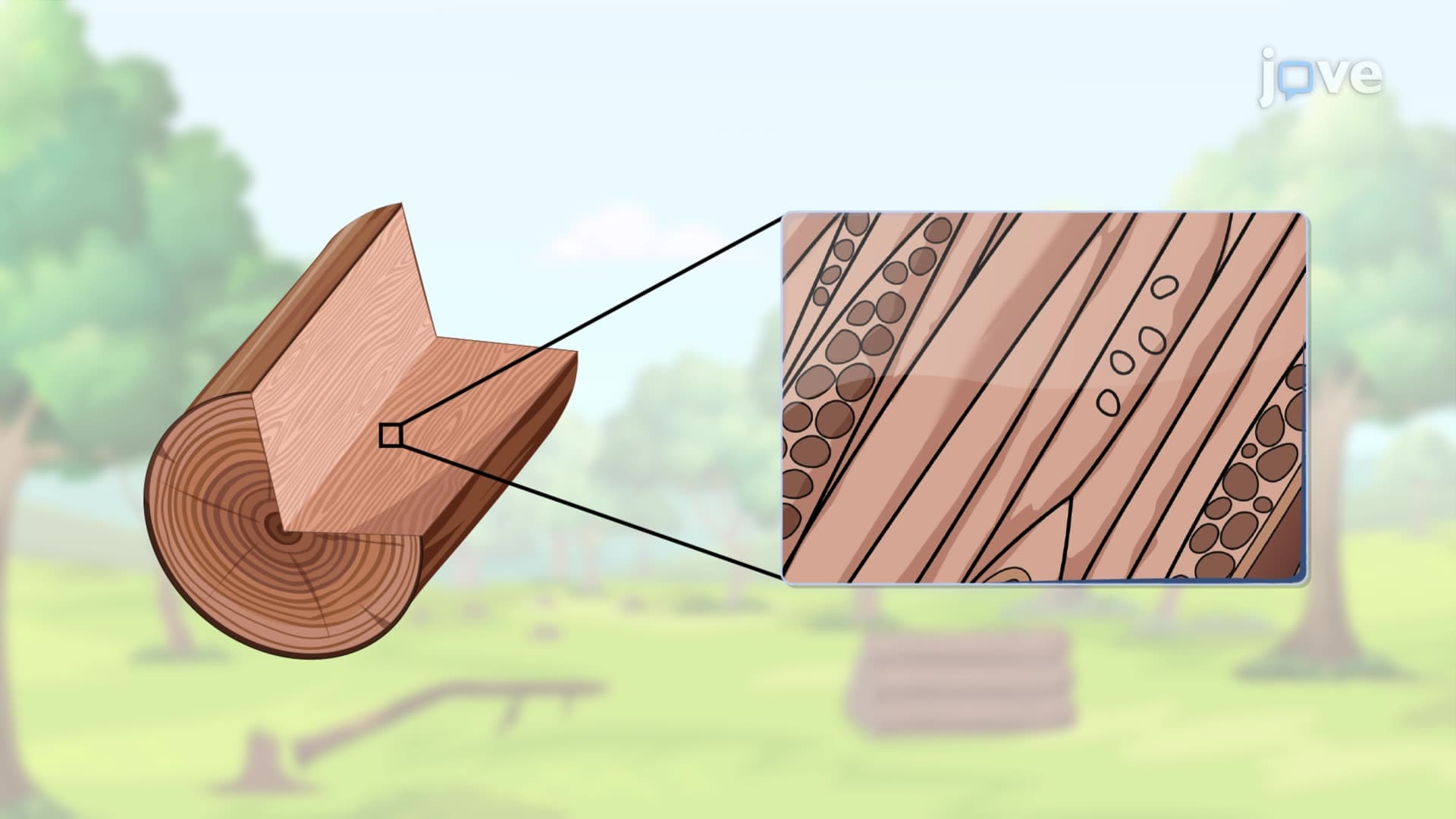
Lumber represents processed wood products created through systematic sawing of harvested logs into standardized rectangular pieces suitable for construction applications. Unlike raw timber, lumber undergoes precise manufacturing processes that create uniform dimensions and surface treatments essential for modern building practices. The transformation from forest to construction site involves sophisticated machinery that removes bark, controls moisture content, and produces the consistent quality standards required by U.S. building codes.
The lumber definition encompasses three distinct sawing methods that significantly impact the final product's characteristics. Plainsawing, the most common technique, cuts logs to display growth rings flat across the board's face, creating the familiar grain patterns seen in structural framing lumber used throughout American construction. This method maximizes yield per log while producing dimensionally stable pieces ideal for 2x4, 2x6, and 2x8 framing applications.
Quartersawing represents a premium cutting technique where growth rings align at 45-60 degree angles to the board's surface. This method produces lumber with superior dimensional stability and distinctive ray patterns, making it highly valued for hardwood flooring installations in high-end residential projects. Major flooring manufacturers like Bruce and Mohawk specifically utilize quartersawn oak and maple for their premium product lines.
Riftsawing, primarily used for hardwood applications, creates boards with growth rings positioned at 30-60 degree angles. This specialized technique produces lumber with exceptional stability and appearance characteristics, often specified for architectural millwork and custom cabinetry projects where both durability and aesthetics are paramount.
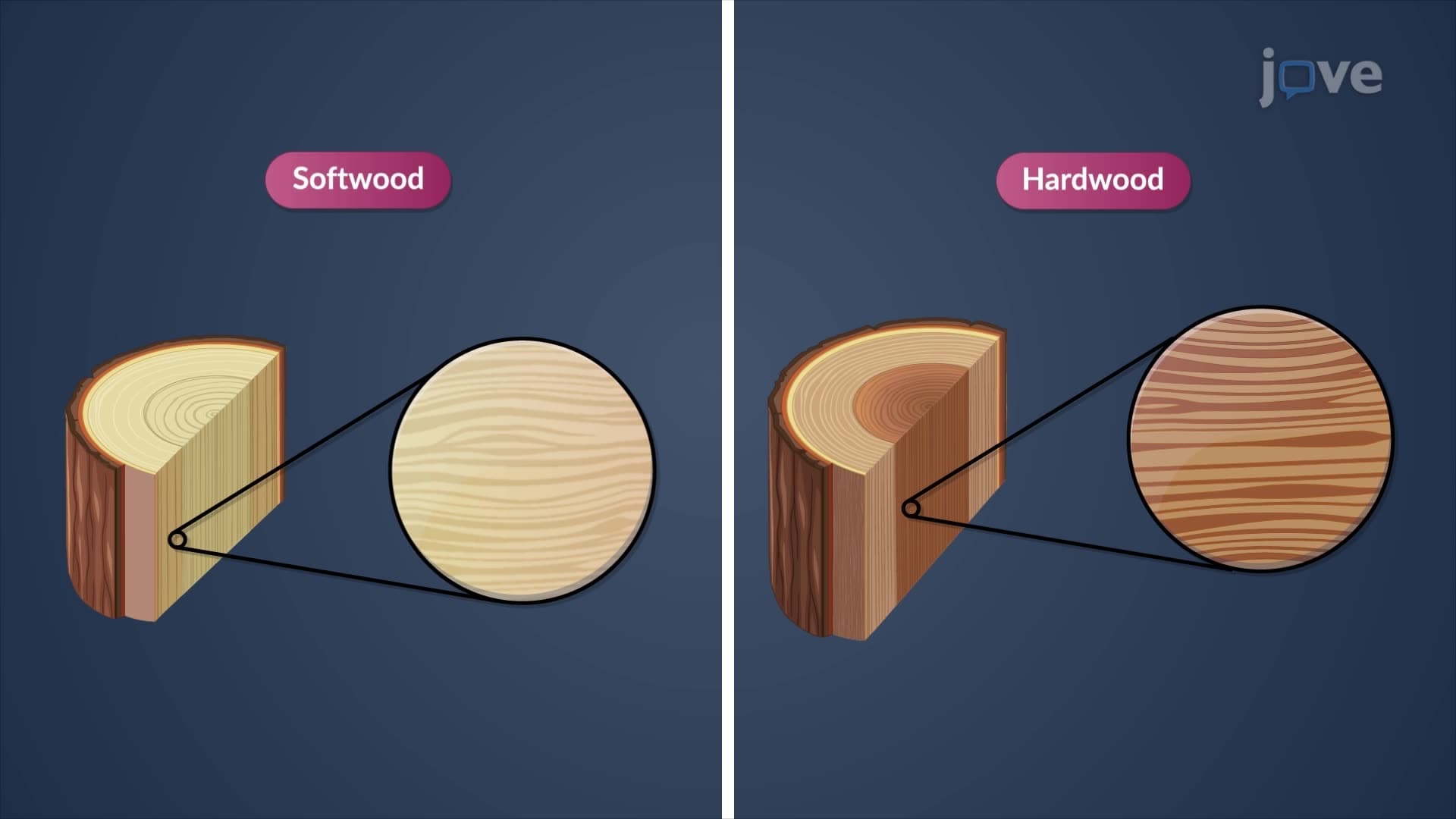
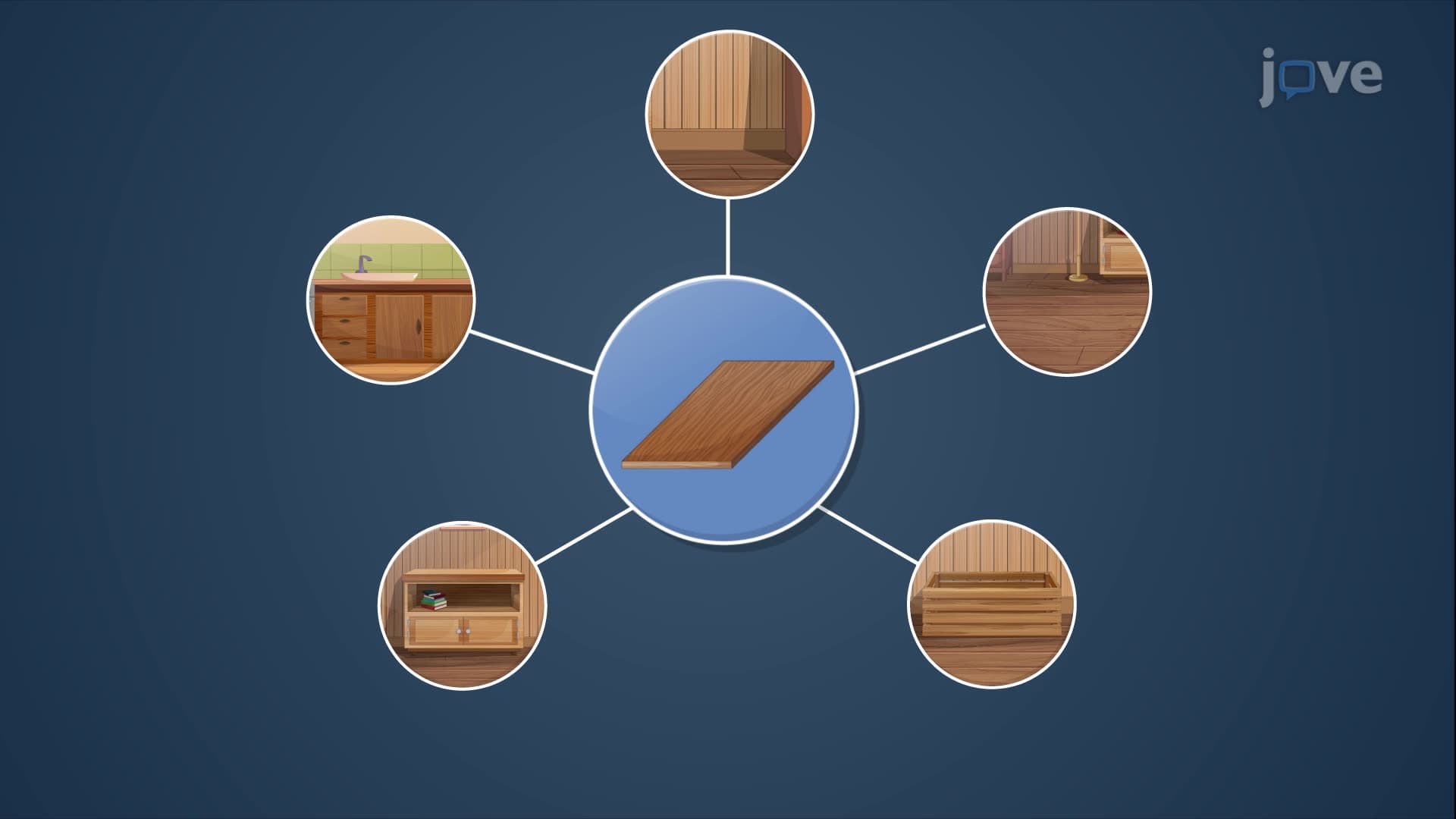
What is lumber in detail extends beyond basic identification to understanding practical applications across various construction sectors. Structural lumber forms the backbone of American residential construction, with Southern Yellow Pine and Douglas Fir serving as primary species for framing applications. These materials must meet specific grading standards established by organizations like the Southern Pine Inspection Bureau and the West Coast Lumber Inspection Bureau.
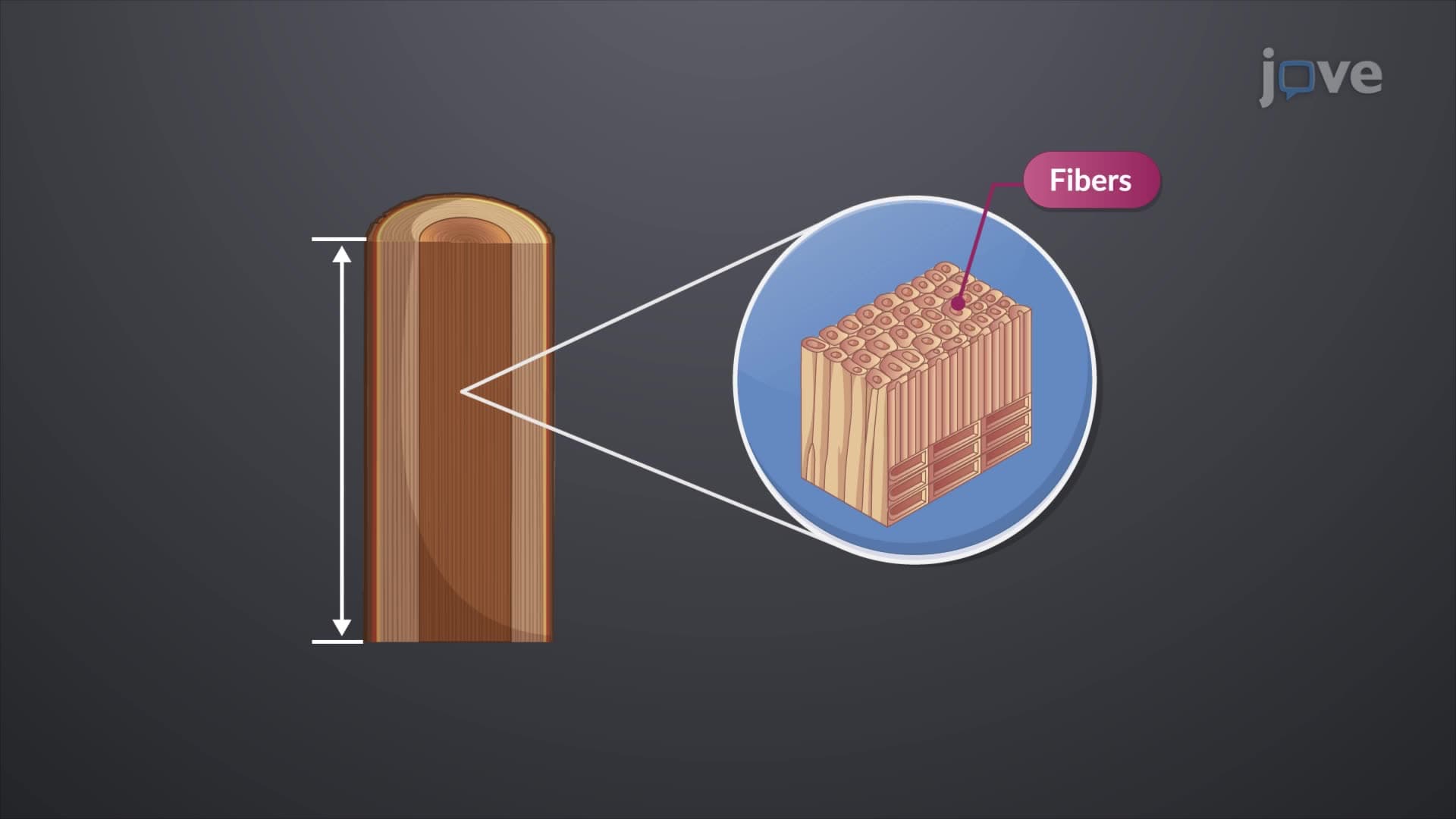
Students preparing for AP Physics or college-level materials science courses encounter lumber as an excellent example of anisotropic materials, where properties vary significantly based on grain direction. Understanding these directional strength characteristics proves essential for architectural engineering programs and appears frequently in ASCE (American Society of Civil Engineers) certification examinations.
The economic impact of lumber extends throughout American industry, with major producers like Weyerhaeuser and Georgia-Pacific operating sophisticated manufacturing facilities that supply both domestic and international markets. Modern sawmill operations utilize computer-controlled optimization systems that maximize yield while meeting precise dimensional tolerances required by contemporary construction standards.
Related Micro-courses