Loading video…


 12 Concepts
 2.7K views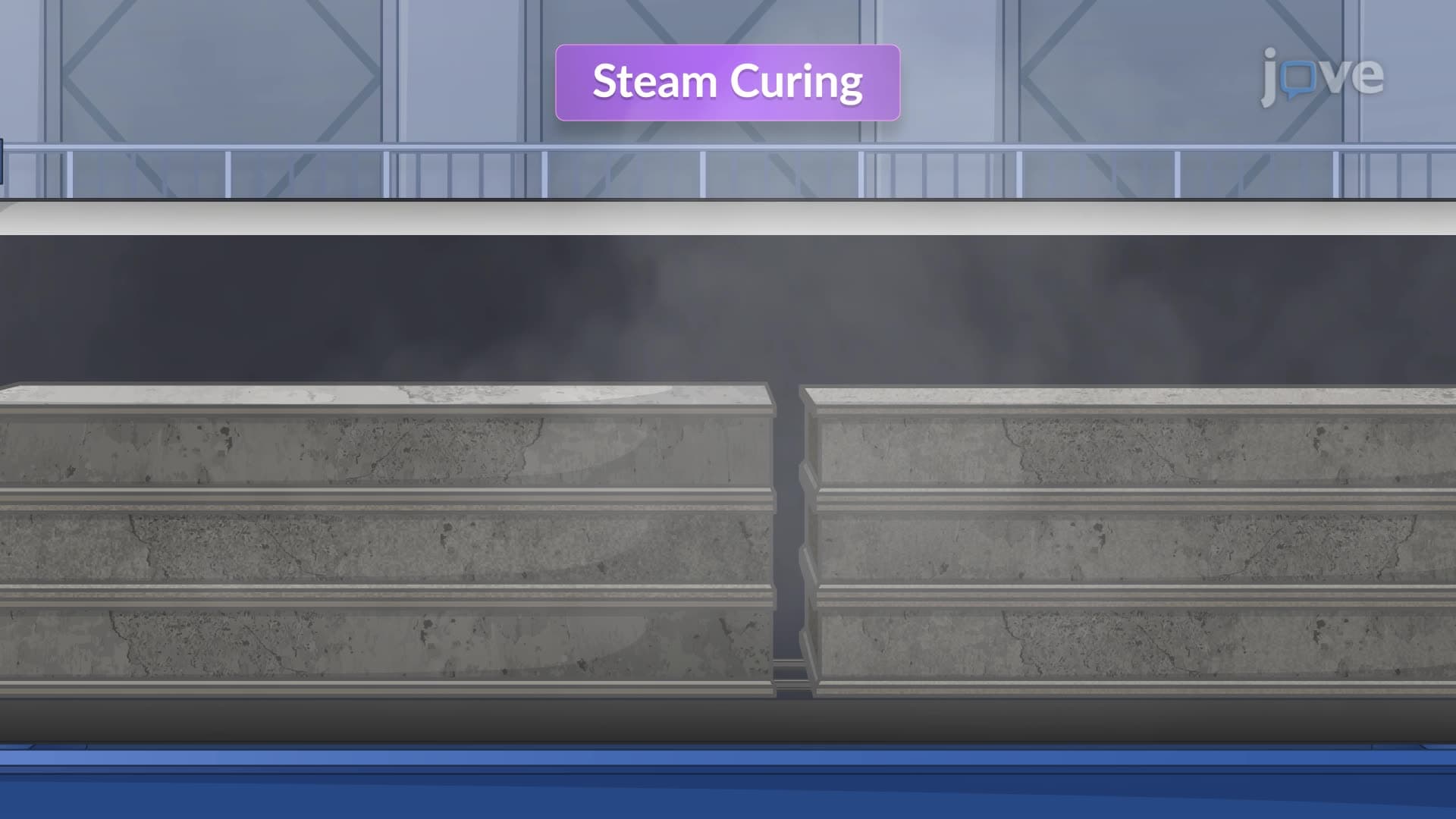

Video Summary: What Is Accelerated Curing of Concrete
Ever wondered how massive highway overpasses in states like Texas get built so quickly? The secret lies in accelerated curing of concrete, a revolutionary technique that dramatically increases concrete strength in just hours instead of weeks. By applying controlled heat and moisture, construction crews at projects like the I-35 expansion in Austin achieve concrete strength that would normally take 28 days to develop. Understanding what is accelerated curing of concrete is essential for anyone studying construction engineering or materials science. Watch the full video on JoVE Coach to master this concept with expert-led visuals and step-by-step explanations.
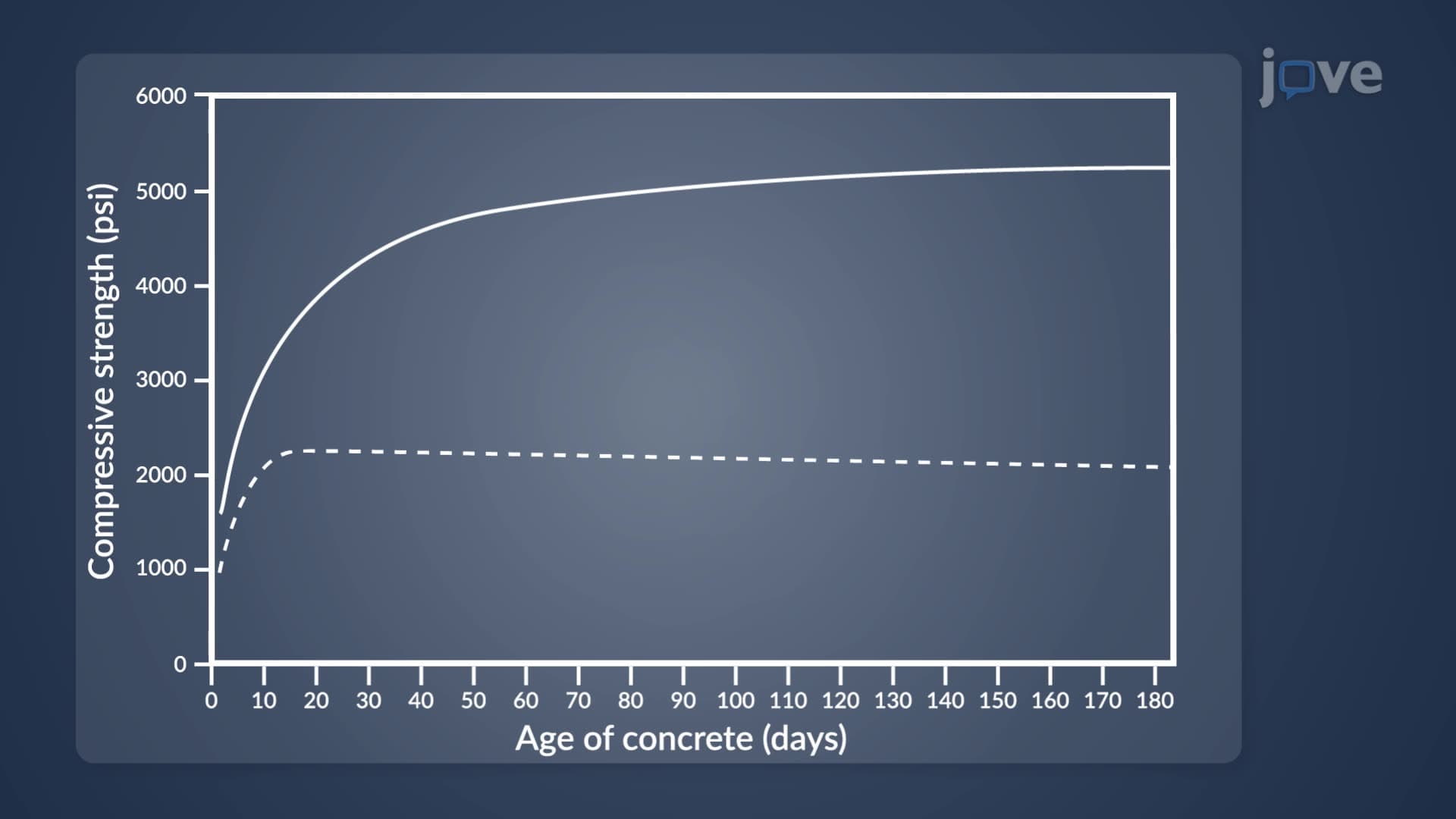
Accelerated curing of concrete represents a sophisticated engineering approach that manipulates environmental conditions to speed up the hydration process between cement and water. Unlike traditional curing that relies on ambient conditions over 28 days, accelerated methods achieve comparable strength in hours or days through precise temperature and moisture control.
The science behind this process centers on the Arrhenius equation, which demonstrates how reaction rates double approximately every 18°F temperature increase. When concrete reaches optimal curing temperatures between 150-180°F, the cement hydration accelerates dramatically while maintaining structural integrity.
Steam curing dominates precast concrete facilities across the United States, from Oldcastle Infrastructure plants in Florida to Concrete Industries in Nebraska. This method employs a carefully orchestrated three-phase cycle that maximizes strength development while preventing thermal shock.
The initial delay period allows concrete to achieve preliminary set at ambient temperature, typically lasting 2-6 hours. During the heating phase, steam temperature increases at precisely 40-60°F per hour-too rapid heating causes internal stress cracking, while slower rates waste energy and time. The peak temperature maintenance period, usually 4-8 hours at 150-180°F, allows deep penetration of heat and moisture throughout the concrete mass.
Electric curing methods offer versatility for cast-in-place applications, particularly valuable in northern states during winter construction. The technique applies alternating current through external electrodes or embedded reinforcing steel, generating uniform internal heat. Major infrastructure projects like the Tappan Zee Bridge replacement in New York utilized electric blanket systems to maintain concrete quality during sub-freezing conditions.
Infrared heating provides targeted warming for specific concrete sections, while hot oil circulation through steel forms offers consistent temperature distribution. These methods prove essential for meeting construction deadlines on critical projects like airport runway repairs, where traditional curing delays would disrupt operations.
Students preparing for AP Chemistry or college-level Materials Engineering courses encounter accelerated curing principles when studying reaction kinetics and thermodynamics. The concept appears frequently in ASCE (American Society of Civil Engineers) certification exams and construction management coursework at universities like MIT and Stanford.
Understanding temperature coefficients, heat of hydration calculations, and moisture content optimization prepares students for careers in structural engineering, where accelerated curing decisions impact project timelines and budgets worth millions of dollars.
Related Micro-courses