Loading video…


 12 Concepts
 2.7K views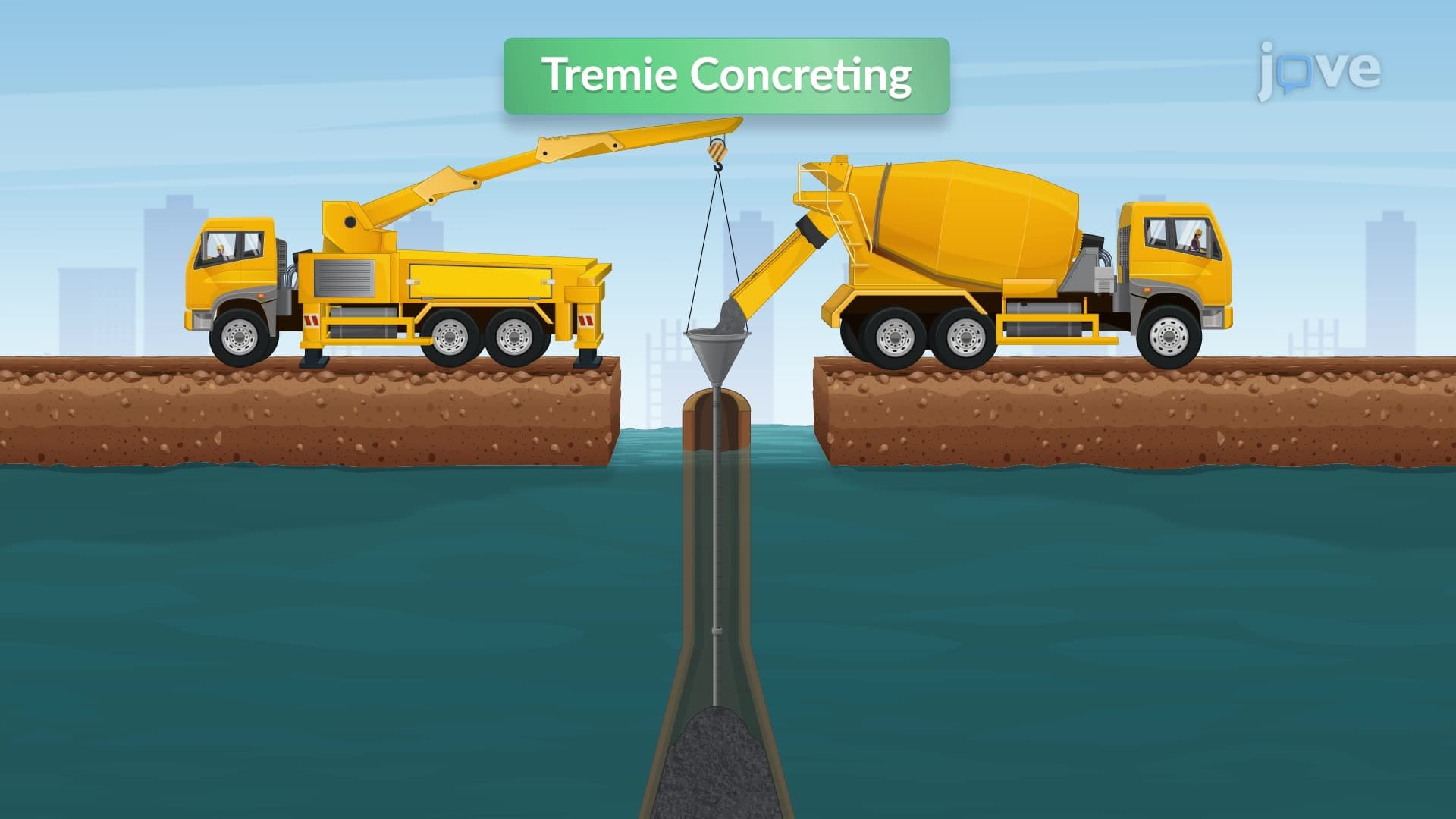

Video Summary: What Is Placing Concrete
Ever wonder how massive structures like the Hoover Dam achieve their incredible strength and durability? The secret lies in placing concrete properly-a critical construction process that transforms liquid concrete mix into solid, monolithic structures. When concrete is placed incorrectly during major US infrastructure projects, it can lead to costly failures and safety hazards. What is placing concrete involves systematic layering, compaction, and timing techniques that ensure structural integrity. Watch the full video on JoVE Coach to master this concept with expert-led visuals and step-by-step explanations.
Placing concrete represents one of the most critical phases in construction engineering, where properly mixed concrete transitions from its plastic state into a permanent structural element. This process goes far beyond simply pouring concrete-it requires precise timing, systematic methodology, and thorough understanding of material properties to achieve optimal results.
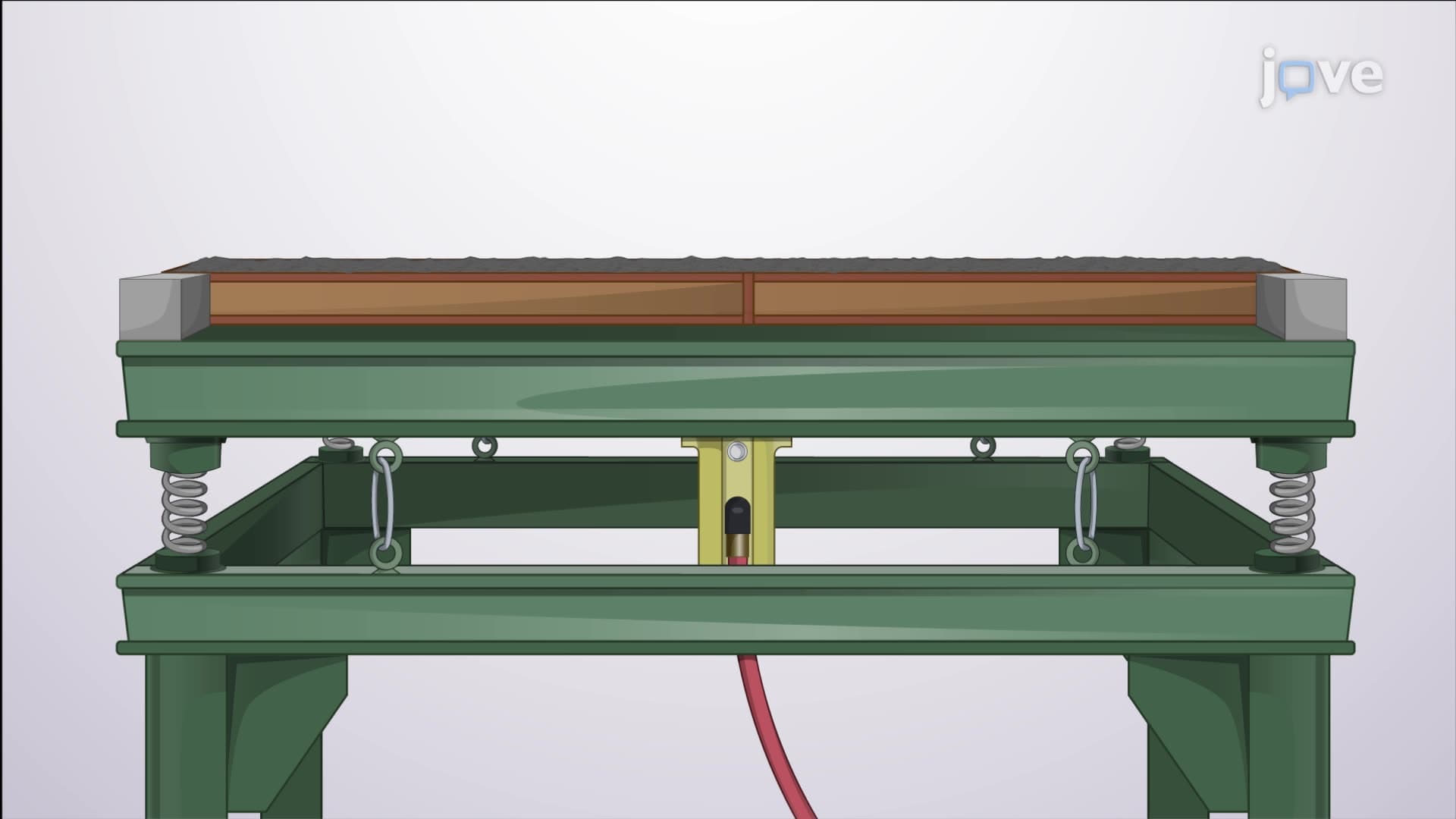
The fundamental principle involves depositing concrete as close as possible to its final position in uniform horizontal layers, typically 12-18 inches thick for most applications. Each layer must be fully compacted using vibration or other mechanical means to expel entrapped air, which can reduce concrete strength by up to 30% if left untreated. The next layer must be placed while the previous layer remains in its plastic state, typically within 30-90 minutes depending on temperature and mix design, ensuring proper bonding between layers to create a monolithic structure.
For vertical surfaces like walls and columns, concrete placement becomes more challenging. The minimum placement rate of 6 feet per hour prevents the formation of cold joints-weak planes that occur when fresh concrete is placed against concrete that has already begun to set. This timing is crucial for major US construction projects like high-rise buildings in cities such as New York or Chicago, where structural integrity cannot be compromised.
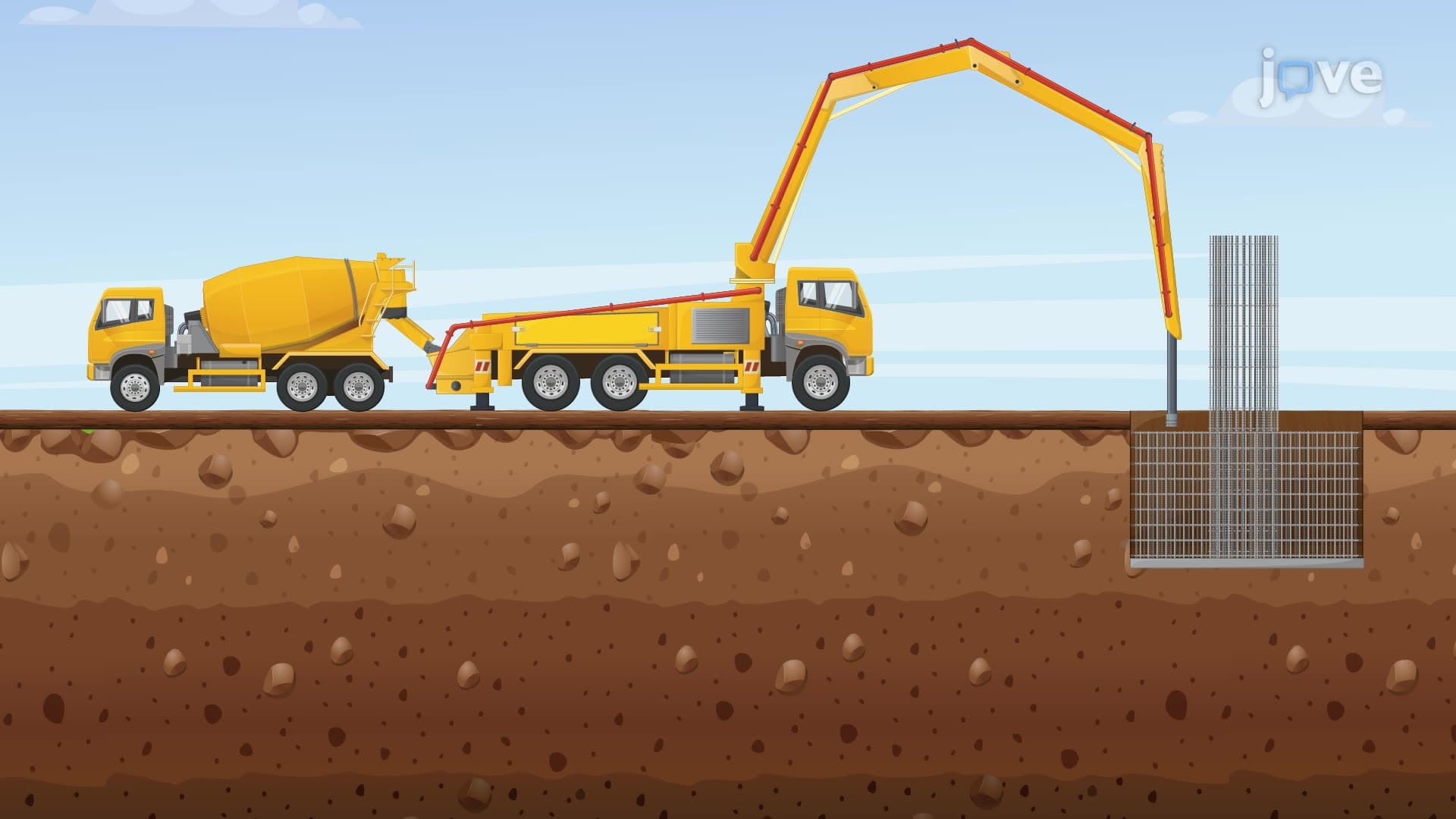
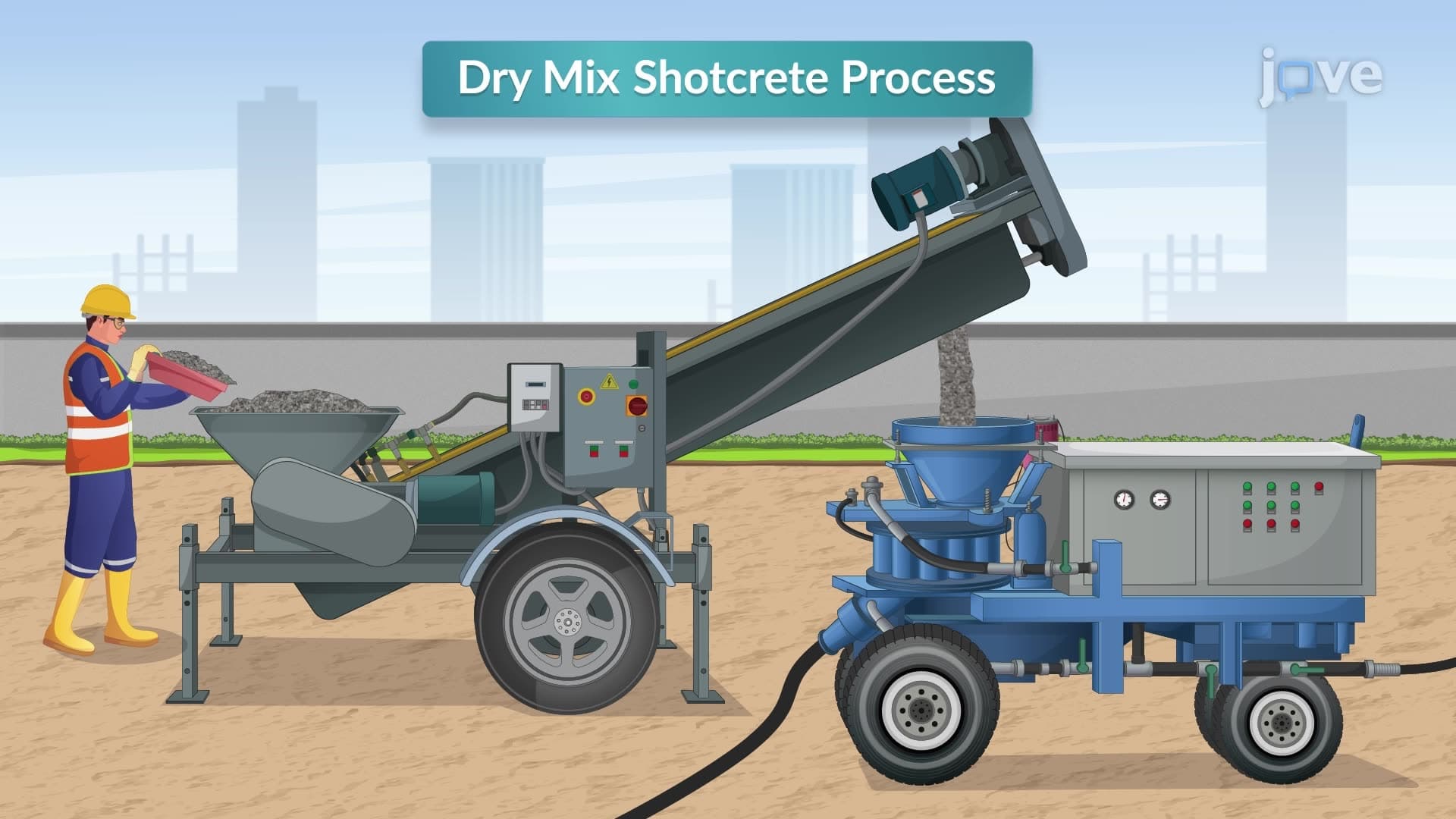
Traditional concrete placement utilizes equipment like chutes for short distances, wheelbarrows or buggies for manual transport, pumps with flexible hoses for precise placement, and conveyor belts for continuous mass placement. Each method suits different project scales and site conditions.
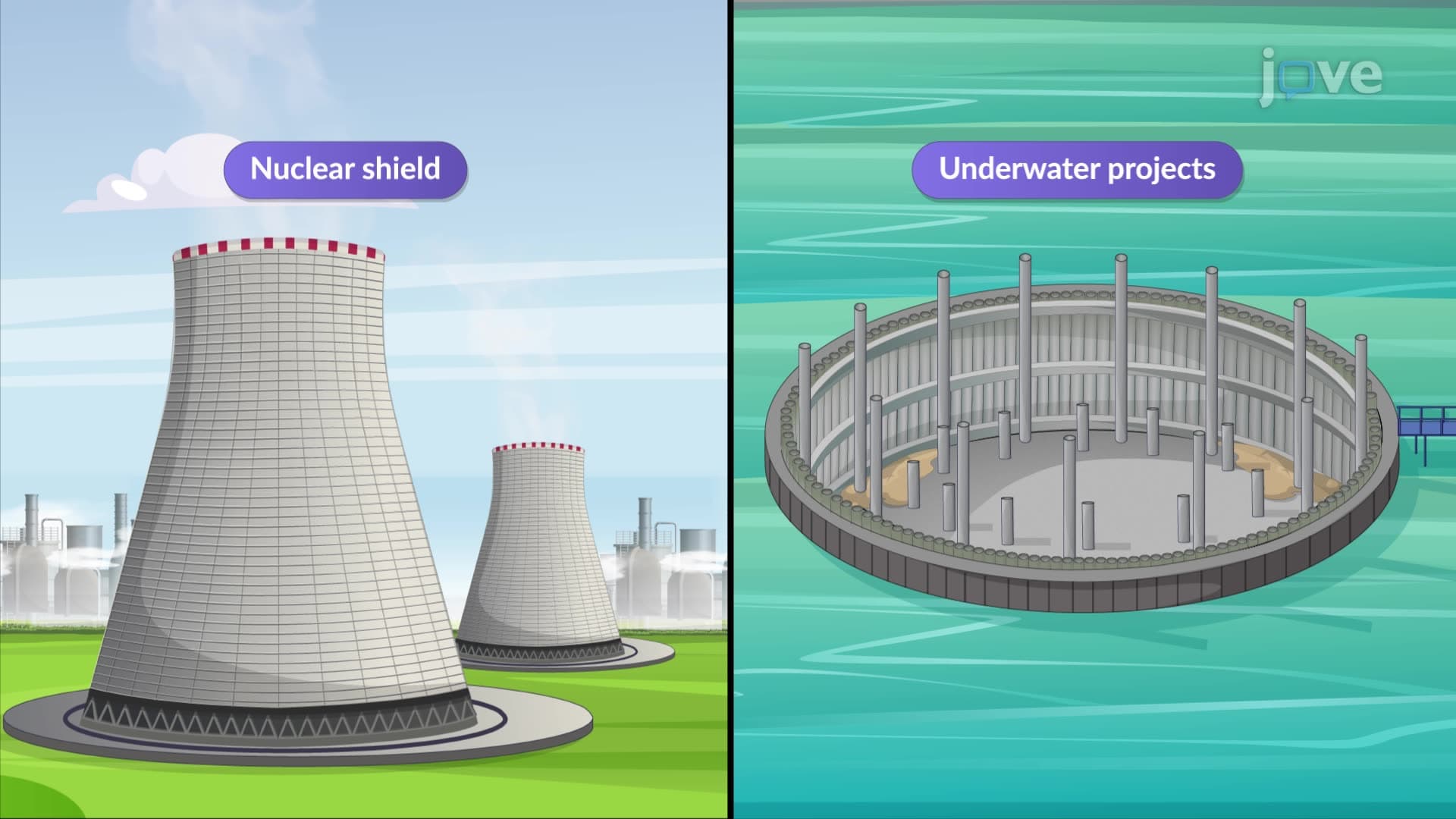
Specialized techniques address unique construction challenges. Tremie concreting employs a sealed pipe system to place highly workable concrete underwater or in deep excavations, commonly used for bridge pier foundations across major US rivers like the Mississippi. The tremie pipe maintains a seal by keeping its discharge end submerged in fresh concrete, preventing water contamination that would weaken the final structure.
Slip-forming represents another advanced technique for continuous placement of low-workability concrete, particularly effective for highway barriers, canal linings, and tall structures like grain silos throughout the agricultural Midwest. This method uses moving forms that advance at controlled rates as concrete sets, enabling efficient construction of long, uniform structures.
Understanding concrete placement proves essential for students pursuing civil engineering, construction management, or architecture programs. AP Physics students encounter these concepts when studying fluid mechanics and material properties, while college-level courses in structural engineering and construction materials provide deeper technical analysis. Professional licensing exams for engineers often include concrete placement scenarios, emphasizing safety protocols, quality control measures, and troubleshooting placement problems in real-world construction projects.
Related Micro-courses