Loading video…


 6 Concepts
 2.5K views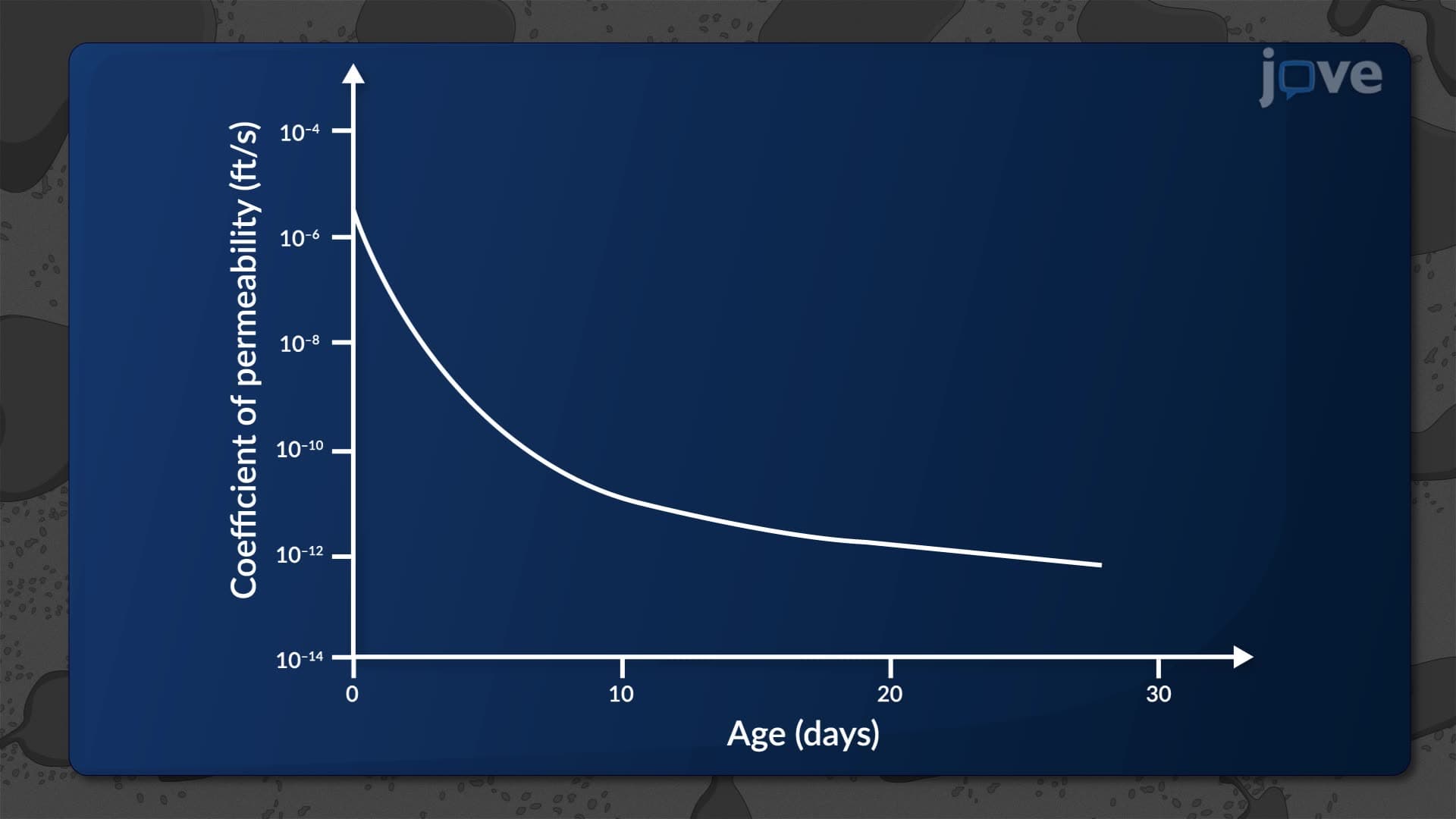

Video Summary: What Is Permeability of Concrete
Ever wonder why some concrete structures like the Hoover Dam can hold back billions of gallons of water for nearly a century? The permeability of concrete determines how easily liquids and gases pass through this essential construction material. Understanding what is permeability of concrete is crucial for designing everything from basement foundations in flood-prone areas like Houston to water treatment facilities across the United States. Watch the full video on JoVE Coach to master this concept with expert-led visuals and step-by-step explanations.
Permeability of concrete measures how readily fluids move through the material's internal structure. This property directly impacts durability, chemical resistance, and structural performance in applications ranging from bridge decks exposed to de-icing salts to underground parking garages below the water table. For students preparing for AP Chemistry or college-level materials science courses, understanding concrete permeability connects fundamental concepts of porosity and fluid mechanics to real-world engineering challenges.
The standard permeability test involves sealing all surfaces of a concrete specimen except the top, then applying pressurized water. After approximately ten days to reach steady-state conditions, engineers measure the volume of water passing through a known thickness over a specific time period. This testing protocol, established by organizations like ASTM International, provides the quantitative data needed for structural design calculations that appear on the Fundamentals of Engineering (FE) exam.
The permeability of concrete depends primarily on the cement paste's pore structure rather than the aggregate properties in normal-weight concrete mixtures. Two distinct pore types control fluid movement: tiny gel pores within hydrated cement and larger capillary pores between cement grains. Students studying for the MCAT or graduate-level materials courses should recognize that gel pores, typically less than 10 nanometers, contribute minimally to permeability compared to capillary pores ranging from micrometers to millimeters in diameter.
When water-to-cement ratios drop below 0.6, capillary pores become segmented and discontinuous, dramatically reducing permeability. This principle guides concrete mix design for critical infrastructure like the spillways at Grand Coulee Dam or the containment structures at nuclear facilities. As hydration continues over months and years, additional cement hydration products fill former water-filled spaces, further decreasing permeability and enhancing long-term durability against chemical attack and freeze-thaw damage common in northern U.S. climates.
Related Micro-courses