Loading subject page…


3,593 views
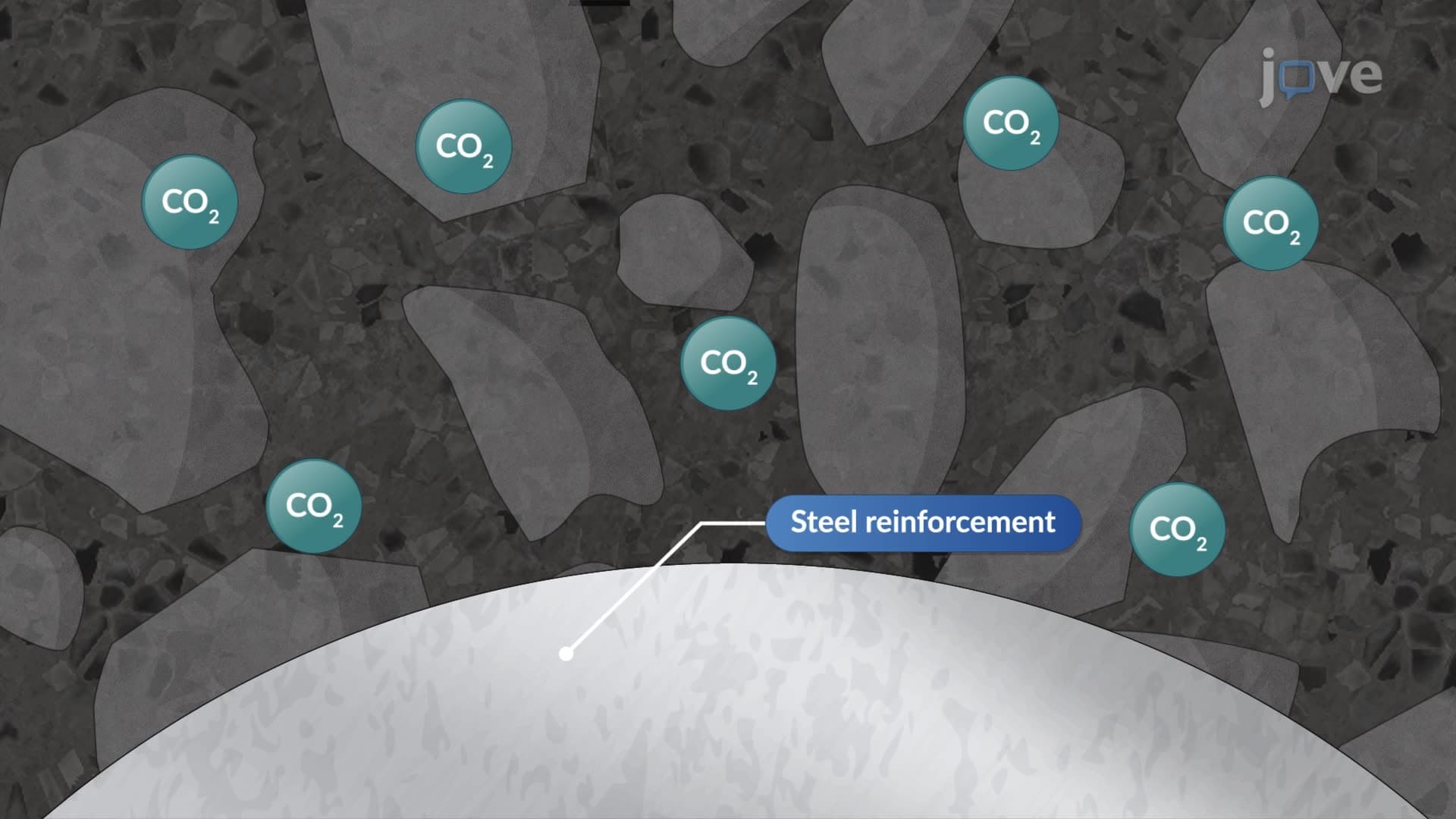

Video Summary: What Is Carbonation Shrinkage
Ever wonder why concrete structures like the Golden Gate Bridge require constant maintenance despite concrete's reputation for durability? Carbonation shrinkage occurs when atmospheric CO2 reacts with concrete, causing it to contract and potentially compromise structural integrity. This chemical process transforms calcium hydroxide in cement into calcium carbonate, leading to measurable volume reduction in concrete structures across the United States. Understanding what is carbonation shrinkage helps explain why infrastructure projects require careful long-term planning. Watch the full video on JoVE Coach to master this concept with expert-led visuals and step-by-step explanations.
Carbonation shrinkage represents a critical phenomenon in concrete science where atmospheric carbon dioxide infiltrates concrete surfaces, initiating a complex chemical cascade. This process begins when CO2 dissolves in moisture present within concrete pores, forming carbonic acid (H2CO3). The resulting acid then reacts with calcium hydroxide (Ca(OH)2), a primary product of cement hydration, producing calcium carbonate (CaCO3) and water.
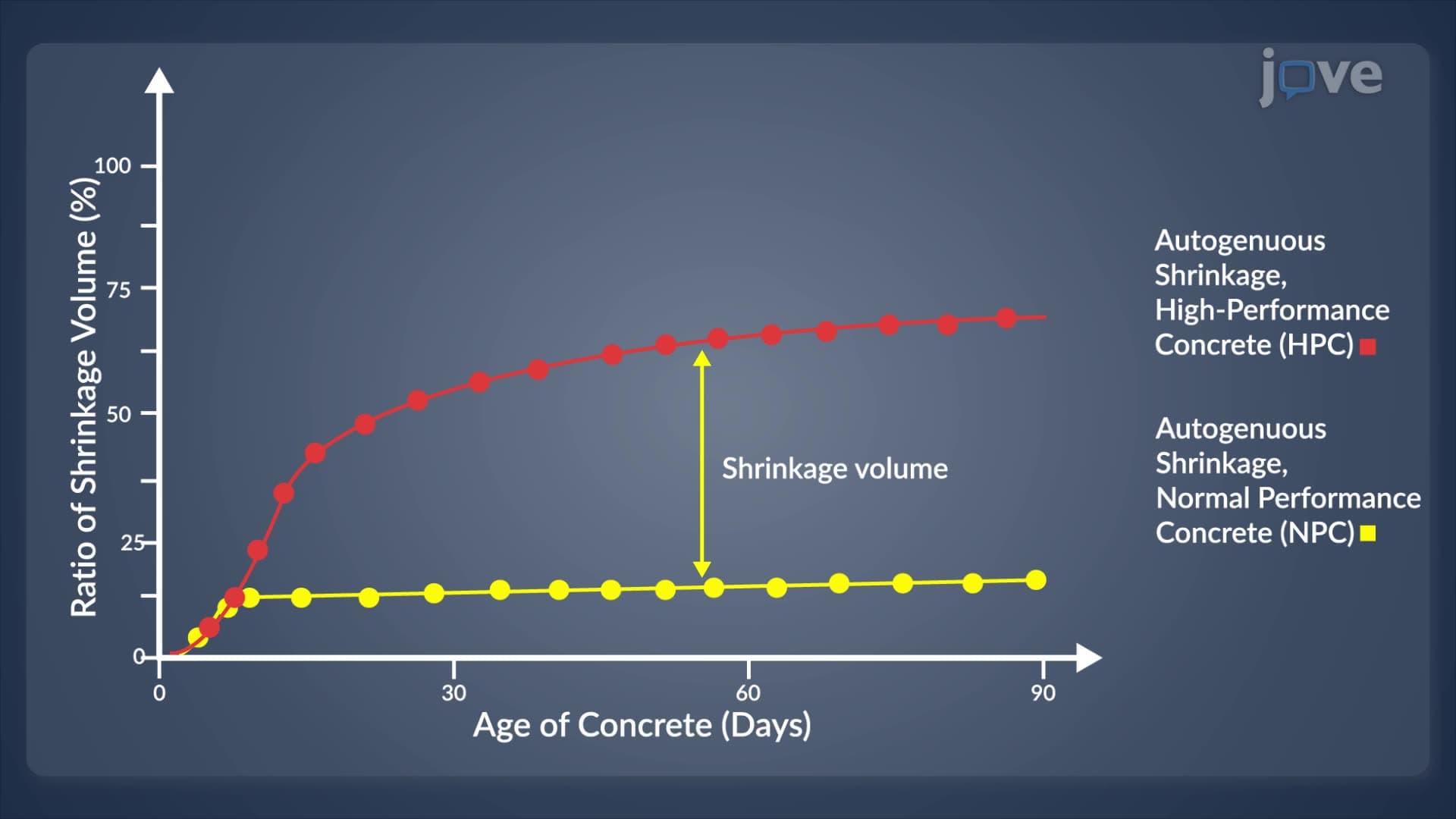
The carbonation shrinkage definition encompasses both the chemical reaction and its physical consequences. Unlike thermal expansion or drying shrinkage, carbonation shrinkage occurs gradually over years or decades, making it particularly relevant for long-term structural assessments.
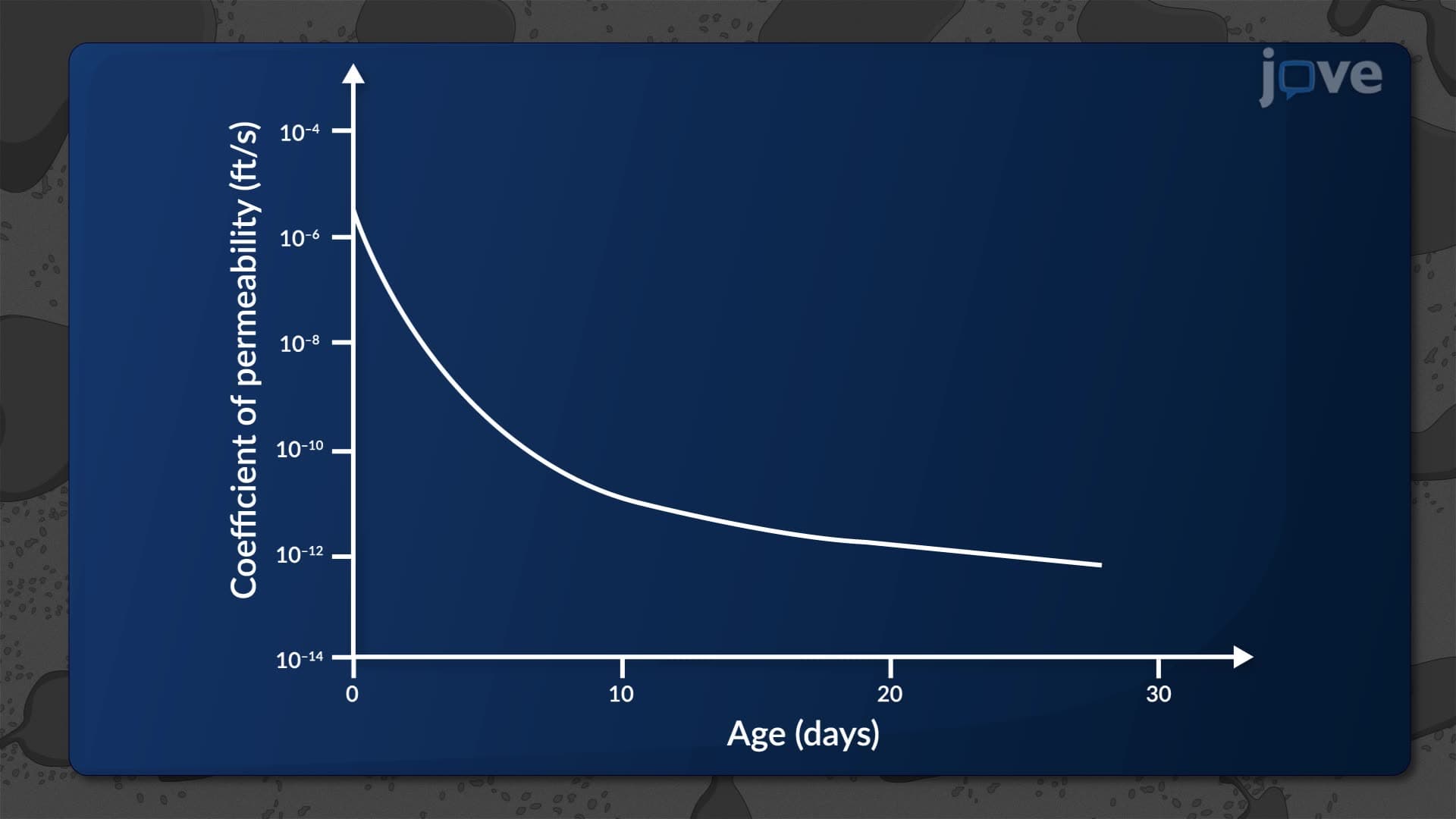
The carbonation shrinkage concept involves multiple interdependent variables. Concrete permeability determines how readily CO2 penetrates the structure, while ambient humidity levels affect reaction rates. Interestingly, moderate humidity (50-70%) accelerates carbonation more than very high or low humidity conditions.
Temperature variations typical in US climates influence diffusion rates, with warmer conditions generally promoting faster carbonation. Urban environments with higher CO2 concentrations, such as downtown Los Angeles or New York City, experience accelerated carbonation compared to rural areas.
Understanding carbonation shrinkage proves essential for civil engineering students preparing for the Fundamentals of Engineering (FE) exam, as structural durability questions frequently appear. The process creates two primary concerns: dimensional changes that can affect structural tolerances and alkalinity reduction that enables steel corrosion.
Engineers use phenolphthalein indicator testing to assess carbonation depth. This simple field test reveals carbonated zones (colorless) versus uncarbonated areas (pink), providing crucial data for maintenance planning. Major infrastructure projects like the Interstate Highway System renewal programs rely heavily on such assessments.
The carbonation shrinkage study guide applications extend beyond academic settings into practical construction management. Modern concrete mixes incorporate supplementary cementitious materials like fly ash or slag cement, which can modify carbonation rates. High-performance concrete used in structures like the Millau Viaduct's US counterparts employs specific mix designs to minimize carbonation effects.
Prevention strategies include proper concrete cover thickness, surface treatments, and controlled curing processes. These principles appear frequently in American Concrete Institute (ACI) certification exams and university-level materials engineering courses.
Related Micro-courses