Loading video…


 12 Concepts
 3.6K views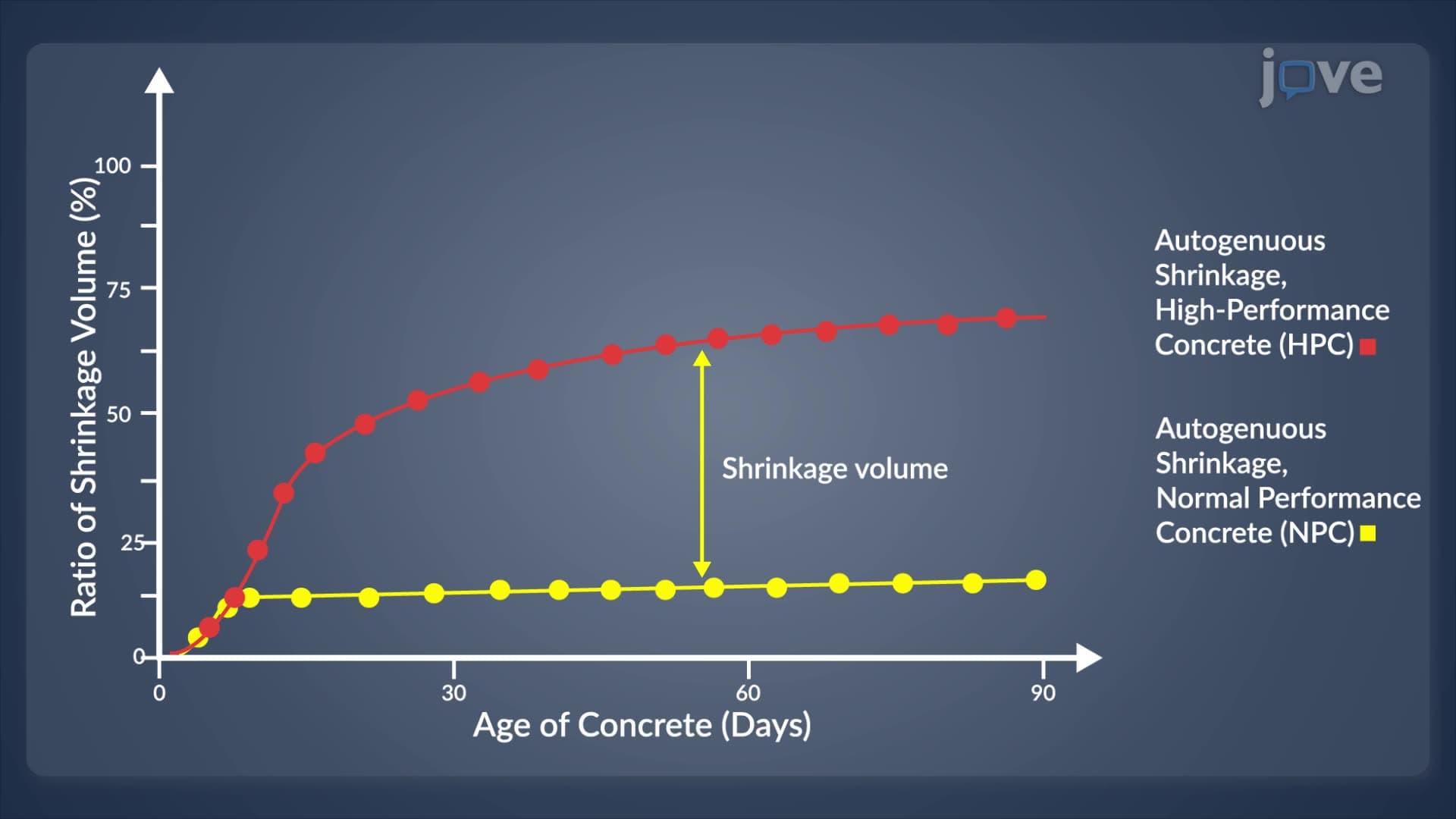

Video Summary: What Is Shrinkage in Concrete
Ever wonder why concrete sidewalks develop cracks over time, or why the Golden Gate Bridge requires constant maintenance? Shrinkage in concrete occurs when water loss and chemical reactions cause concrete's volume to decrease, creating internal stresses that can lead to cracking. This phenomenon affects everything from residential driveways in Phoenix to skyscrapers in New York City, where engineers must account for both plastic shrinkage during construction and long-term autogenous shrinkage. Watch the full video on JoVE Coach to master this concept with expert-led visuals and step-by-step explanations.
Shrinkage in concrete represents a critical material behavior that every civil engineering student and construction professional must master. Unlike elastic deformation that's reversible, concrete shrinkage involves permanent volume reduction caused by water loss and ongoing chemical processes. This phenomenon significantly impacts structural integrity, from the residential foundations in California's Central Valley to major infrastructure projects like the Hoover Dam's ongoing maintenance requirements.
The measurement approach for concrete shrinkage focuses on linear strain rather than volumetric strain, even though the actual volume change is three-dimensional. This practical convention simplifies field measurements while providing engineers with reliable data for structural calculations. Students preparing for the AP Physics exam or introductory materials science courses should understand that linear strain measurement assumes uniform shrinkage in all directions, making volumetric strain approximately three times the linear measurement.
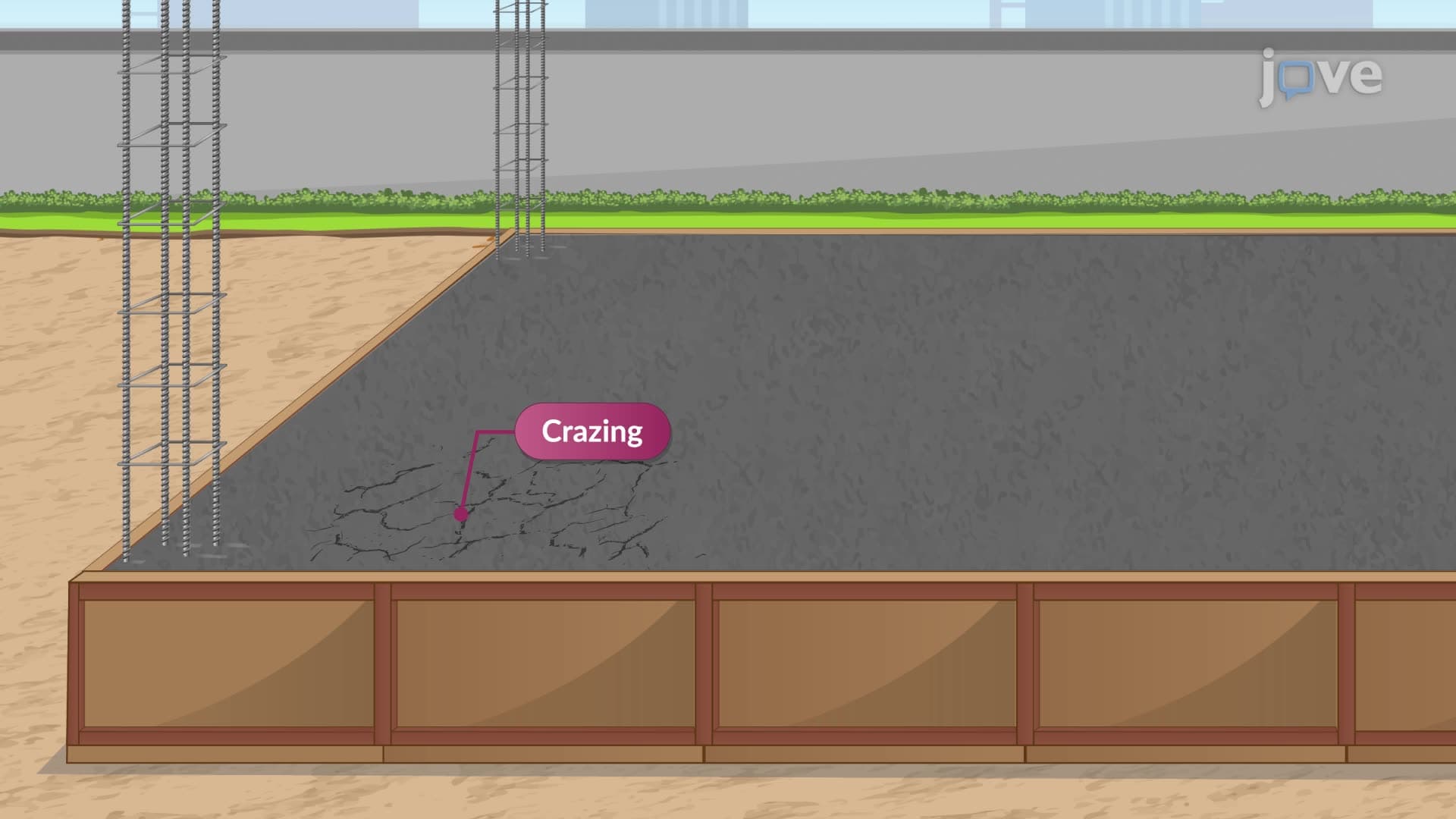
Plastic shrinkage occurs during concrete's fresh, workable state before initial setting begins. This type of shrinkage results from rapid water loss through surface evaporation or absorption by dry substrates beneath the concrete. Construction projects in arid climates like Arizona and Nevada face particularly severe plastic shrinkage challenges due to low humidity and high evaporation rates.
Environmental factors dramatically influence plastic shrinkage magnitude. High concrete temperatures, elevated ambient air temperatures, low relative humidity, and increased wind speeds all accelerate water loss from the concrete surface. Additionally, concrete mixtures with higher cement content exhibit greater plastic shrinkage susceptibility because cement paste contains more water than aggregate components.
Autogenous shrinkage develops as cement hydration progresses, creating internal pore structure changes that generate capillary tension. This internal moisture loss produces compressive forces on hydration products, causing uniform volume reduction throughout the concrete mass. Unlike plastic shrinkage, autogenous shrinkage continues for months or even years after initial concrete placement.
High-performance concrete, increasingly used in projects like New York's One World Trade Center and San Francisco's Salesforce Tower, demonstrates significantly greater autogenous shrinkage compared to conventional concrete mixtures. The low water-to-cement ratios that provide high-performance concrete's superior strength also create denser pore structures that generate higher capillary tensions during hydration.
Students studying for college-level materials engineering courses should recognize that understanding autogenous shrinkage becomes crucial for designing durable structures that maintain structural integrity over decades of service life.
Related Micro-courses