Loading…
Loading video…

1,459 views
Ever wondered how electricity travels safely from power plants to your smartphone charger? Distribution reliability and automation depends on specialized transformers that step down high voltages to usable levels throughout our electrical grid. These critical components, known as transformers in distribution systems, include substation transformers rated in megavolt-amperes (MVA) and smaller distribution transformers rated in kilovolt-amperes (kVA) that serve neighborhoods across America. Watch the full video on JoVE Coach to master this concept with expert-led visuals and step-by-step explanations.
Transformers in distribution systems form the backbone of America's electrical infrastructure, serving as the critical link between high-voltage transmission lines and the lower voltages we use daily. These electromagnetic devices operate on the principle of mutual induction, where alternating current in a primary winding creates a magnetic field that induces voltage in a secondary winding. The voltage transformation ratio depends on the turns ratio between primary and secondary windings, making it possible to efficiently step down voltages from transmission levels to distribution and utilization levels.
Substation transformers represent the first step in voltage reduction from transmission systems. These massive units, rated in megavolt-amperes (MVA), typically reduce voltages from 138 kV or higher down to distribution levels of 4-35 kV. Their mineral oil insulation system serves dual purposes: providing electrical insulation between windings and cooling the transformer core and windings during operation. Many modern substation transformers incorporate inert gas blankets, particularly nitrogen, to prevent oil oxidation and extend equipment life. Load tap changers automatically adjust the transformer's turns ratio to maintain steady secondary voltage despite varying load conditions—a crucial feature for distribution reliability and automation systems.
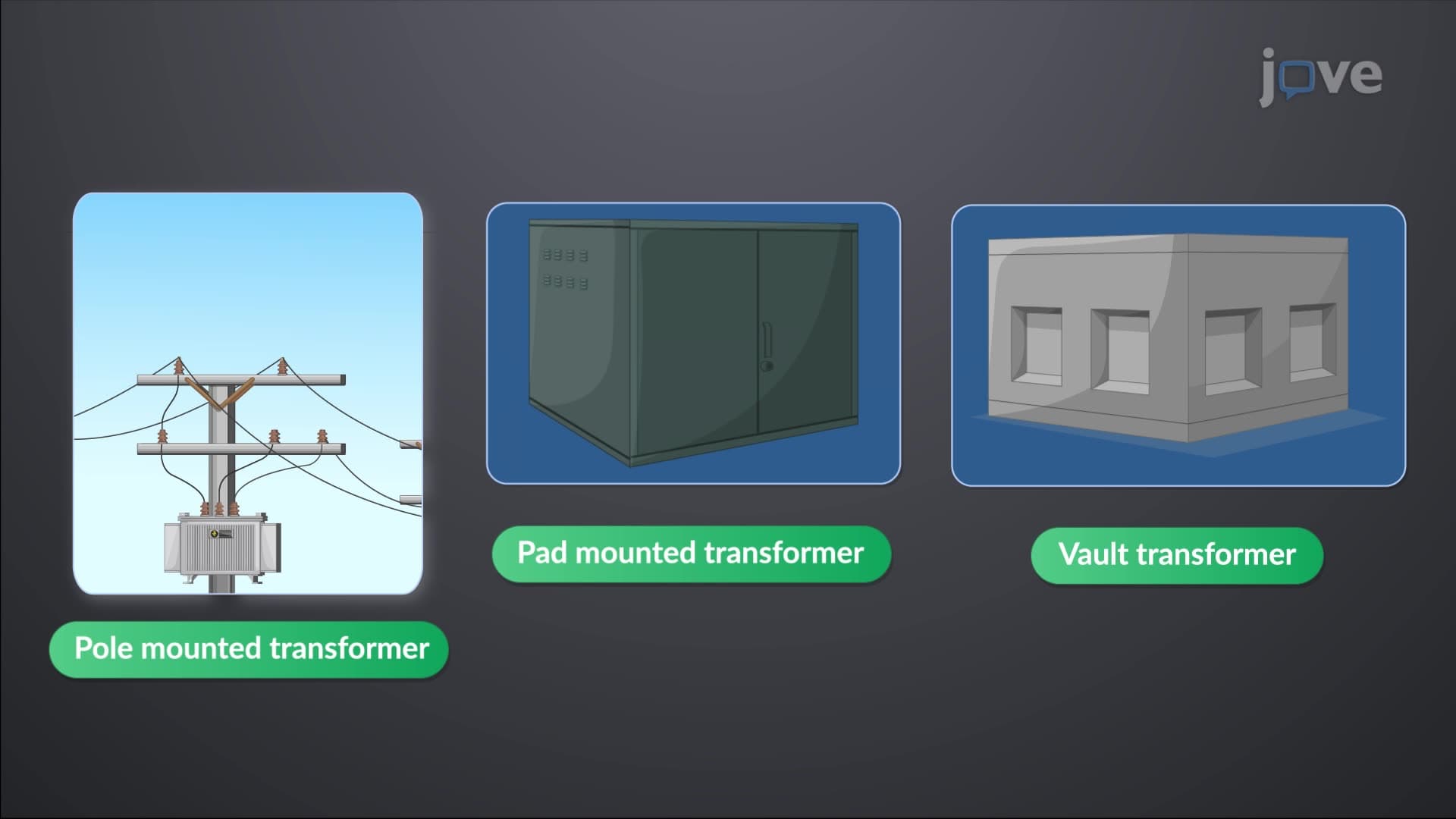
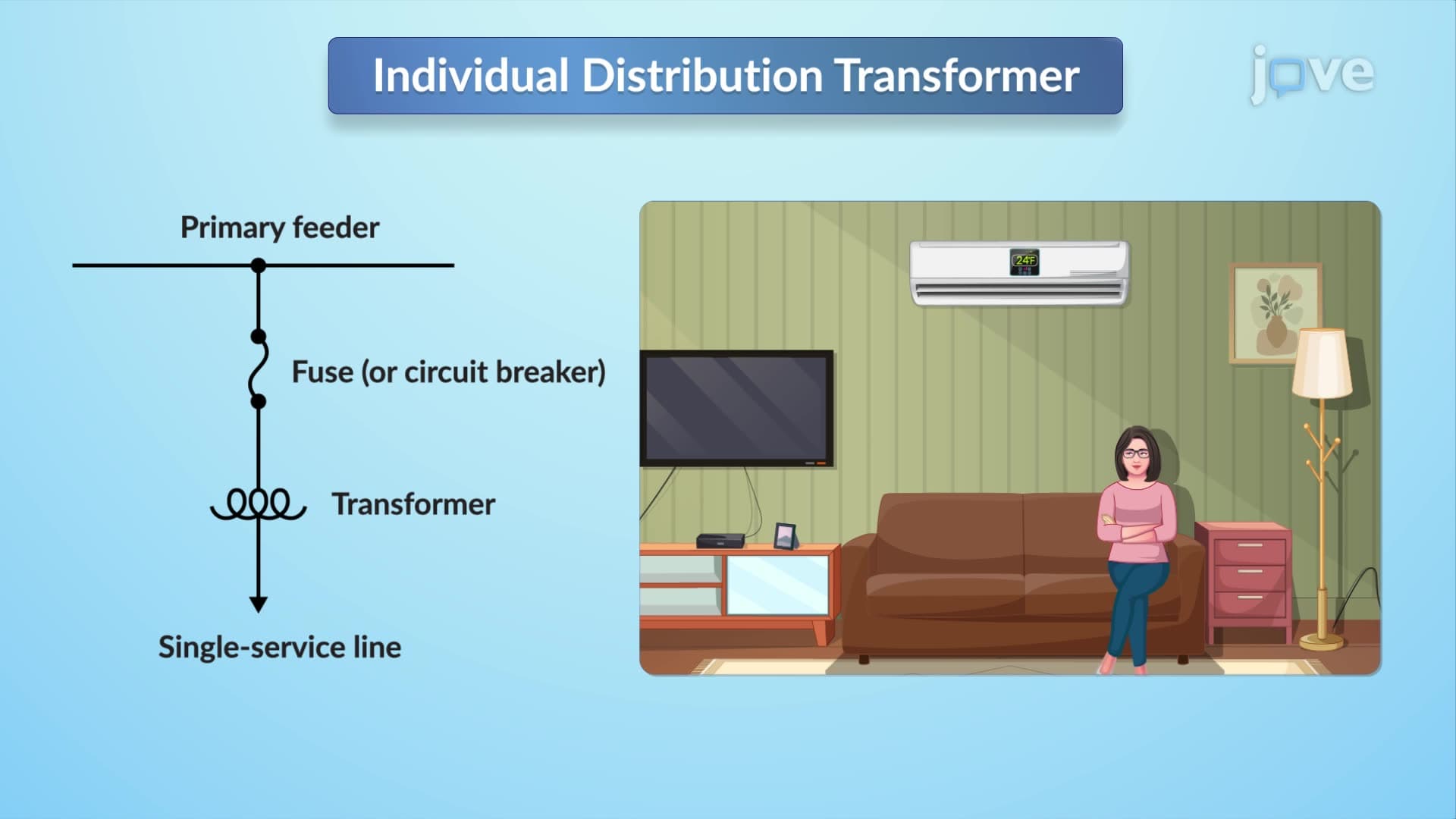
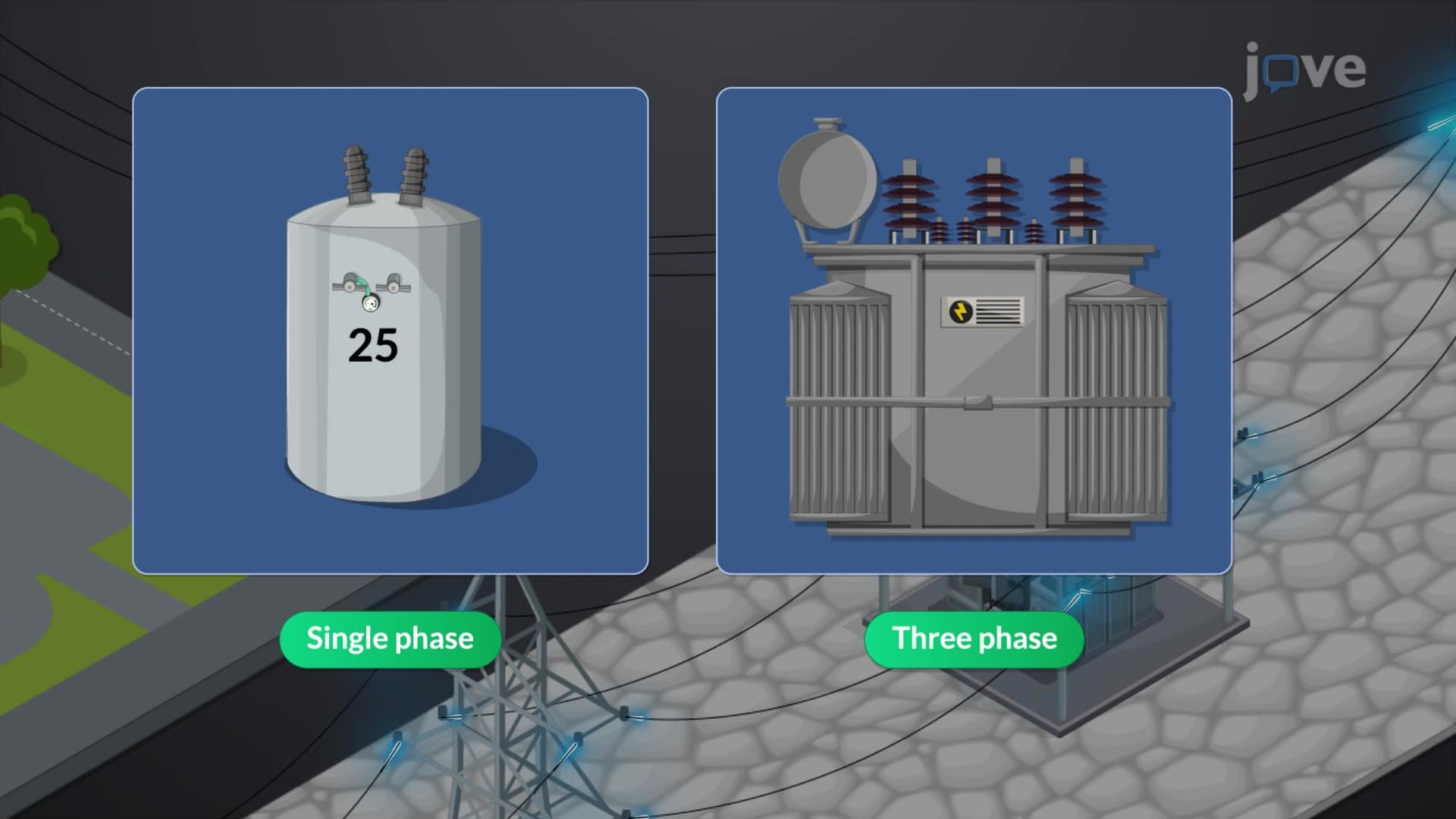
Distribution transformers complete the voltage transformation process, stepping down from primary distribution voltages to secondary utilization voltages (typically 120V, 240V, or 480V). These smaller units, rated in kilovolt-amperes (kVA), come in various configurations to suit different installation requirements. Pole-mounted transformers serve overhead distribution systems and can be either single-phase (common in rural areas) or three-phase units. Padmount transformers, installed at ground level, serve underground distribution systems and can be either liquid-filled or dry-type depending on environmental and safety requirements.
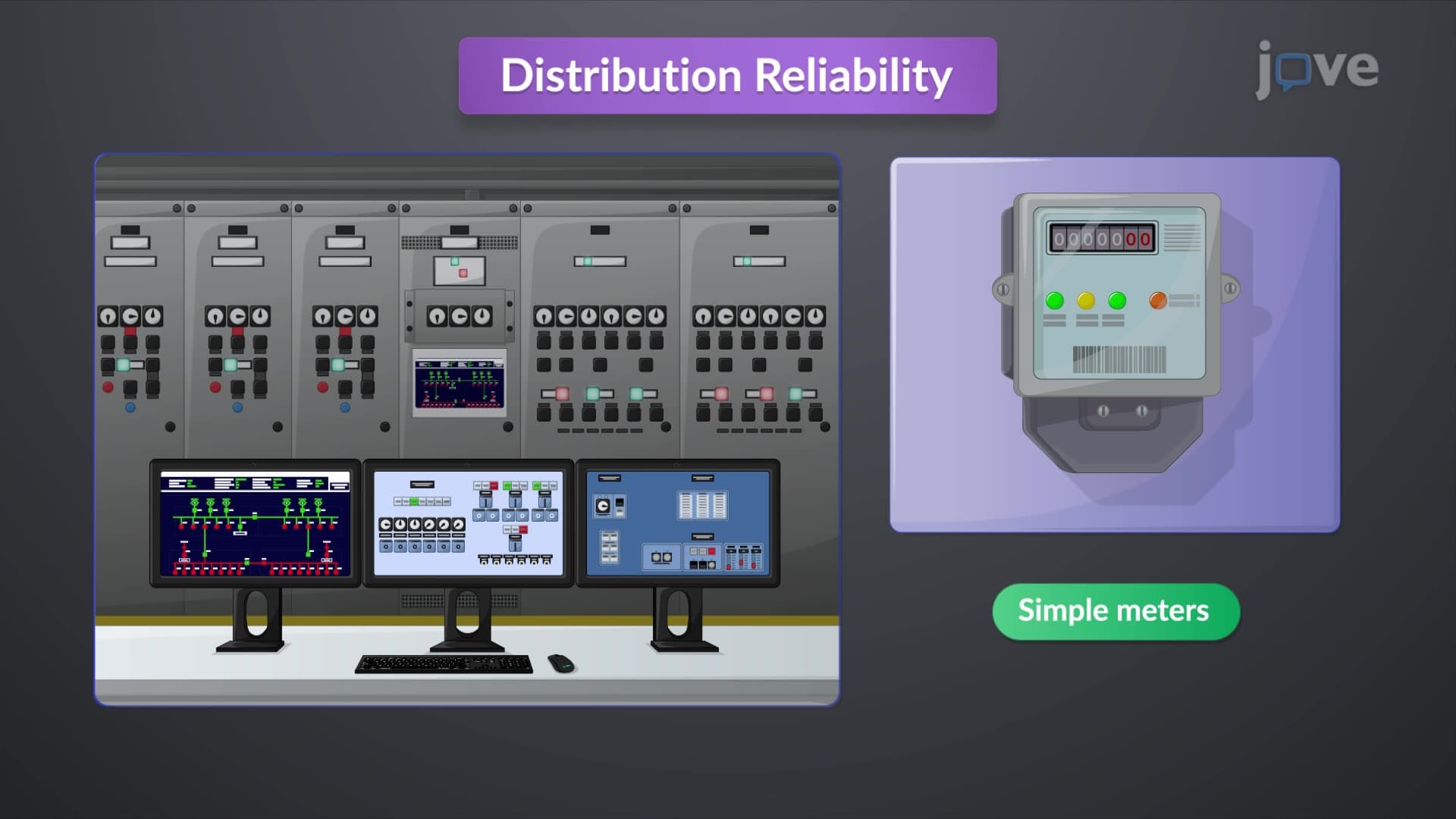
Network transformers represent specialized three-phase units designed for high-density urban areas, installed in underground vaults to serve multiple buildings efficiently. These large, liquid-filled units incorporate network protectors that automatically disconnect the transformer if power flow reverses, preventing damage during system faults. Understanding distribution reliability and automation concepts becomes crucial when studying how these transformers integrate with modern smart grid technologies, including automated switching, remote monitoring, and predictive maintenance systems that are increasingly important in AP Physics courses and electrical engineering programs.
Frequently Asked Questions
Transformers in distribution systems are electromagnetic devices that step down high transmission voltages to lower, safer voltages for end-user consumption. They're essential because they enable efficient long-distance power transmission at high voltages while providing safe, usable voltages for homes, businesses, and industries. Without these transformers, we couldn't safely deliver electricity from power plants to our daily electrical devices.
AP Physics exams typically focus on transformer principles including turns ratio calculations, power conservation, and electromagnetic induction fundamentals. Students should master voltage transformation equations, understand primary-secondary relationships, and be able to calculate efficiency. The College Board often includes problems involving step-up and step-down scenarios with real-world applications.
MCAT physics sections may include transformer problems focusing on electromagnetic induction principles and energy conservation. Questions often involve calculating secondary voltages, understanding power relationships, and applying Faraday's law. The exam emphasizes conceptual understanding rather than complex distribution system details, focusing on fundamental physics principles.
kVA (kilovolt-amperes) rates smaller distribution transformers serving individual buildings or neighborhoods, while MVA (megavolt-amperes) rates large substation transformers serving entire communities. For example, a typical residential transformer might be rated at 25 kVA, while a substation transformer could be rated at 50 MVA—2,000 times larger capacity.
Every time you plug in a device, you're using power that passed through multiple transformers in the distribution system. For instance, electricity traveling from a Texas power plant to your home passes through substation transformers (stepping down from 345 kV to 12 kV) and then distribution transformers (stepping down to 240V/120V) before reaching your outlets.
No advanced background is required—transformer fundamentals build on basic physics concepts like electromagnetic induction and Ohm's law. High school physics students can master these concepts by focusing on voltage ratios, power calculations, and understanding how magnetic fields create induced voltages. Start with simple transformer equations and work toward more complex applications.
Focus on practicing voltage ratio calculations using turns ratios, work through power conservation problems, and understand the relationship between primary and secondary circuits. Create concept maps linking electromagnetic induction to transformer operation, and practice identifying different transformer types and their applications. Solve numerical problems daily to build confidence with the mathematical relationships.
Consider studying power system protection, including relay coordination and fault analysis, or explore smart grid technologies and distribution automation systems. Advanced topics include transformer testing methods, insulation systems, and power quality analysis—all building on the fundamental transformer principles you've learned.
Related Micro-courses


Related Subjects
 Civil Engineering 30 micro-courses›Mechanical Engineering 28 micro-courses›