Loading subject page…


2,146 views

Video Summary: What Is Control of Power Flow
Ever wondered how engineers keep the lights on across America's massive electrical grid without catastrophic blackouts? Fast decoupled and dc powerflow methods are the computational backbone that make real-time power system control possible. When Texas faced its 2021 winter storm crisis, grid operators relied on these mathematical techniques to manage power flow between generators, transformers, and transmission lines. Understanding what is control of power flow reveals how electrical engineers balance supply and demand across thousands of miles of interconnected networks. Watch the full video on JoVE Coach to master this concept with expert-led visuals and step-by-step explanations.
Control of power flow represents the sophisticated engineering discipline that keeps America's electrical grid stable and reliable. At its core, this field combines advanced mathematics with practical electrical engineering to manage how electricity moves from power plants to your home. Unlike simple DC circuits you might study in introductory physics, AC power systems require continuous balancing of both real power (measured in watts) and reactive power (measured in VARs).
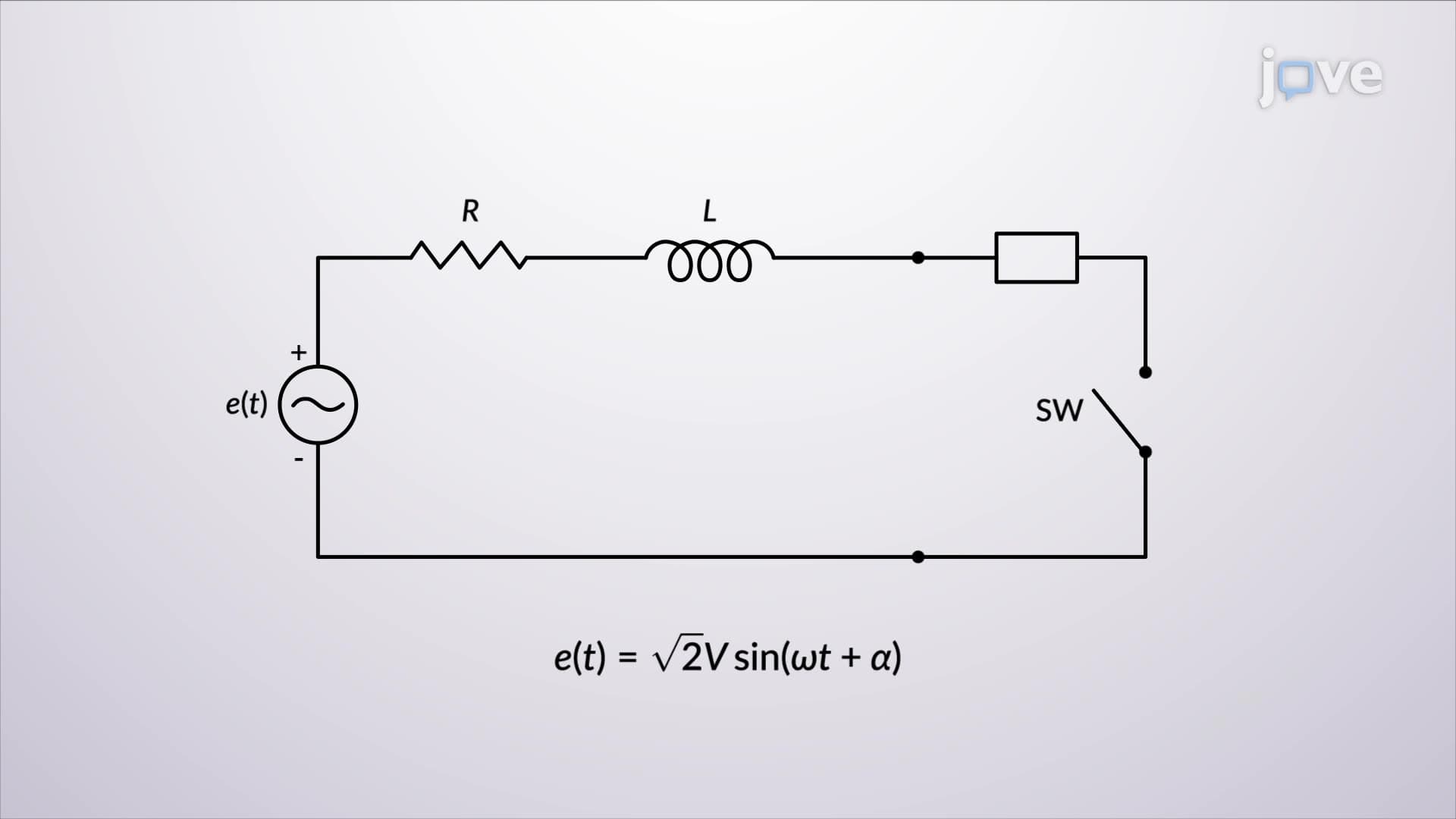
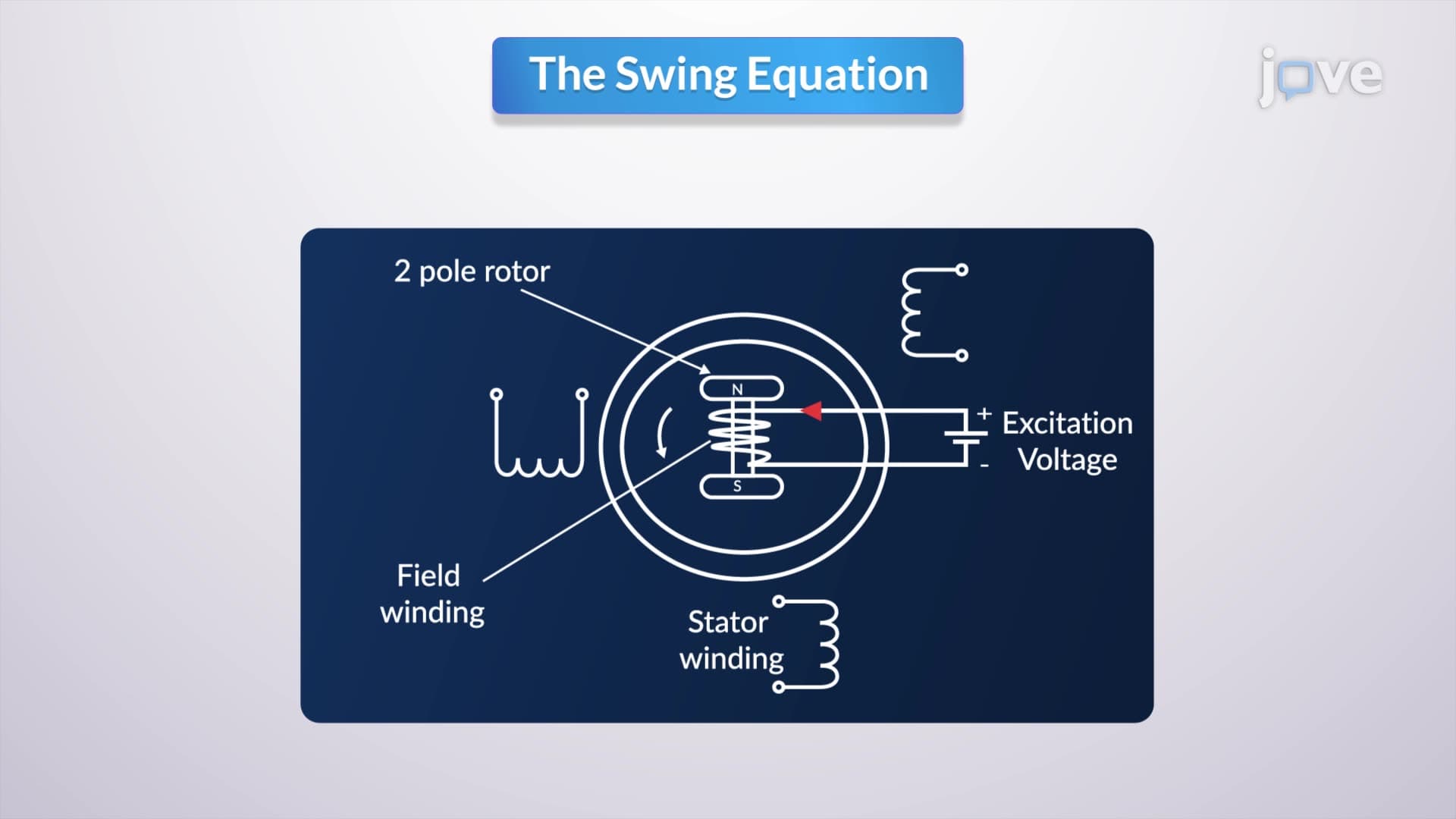
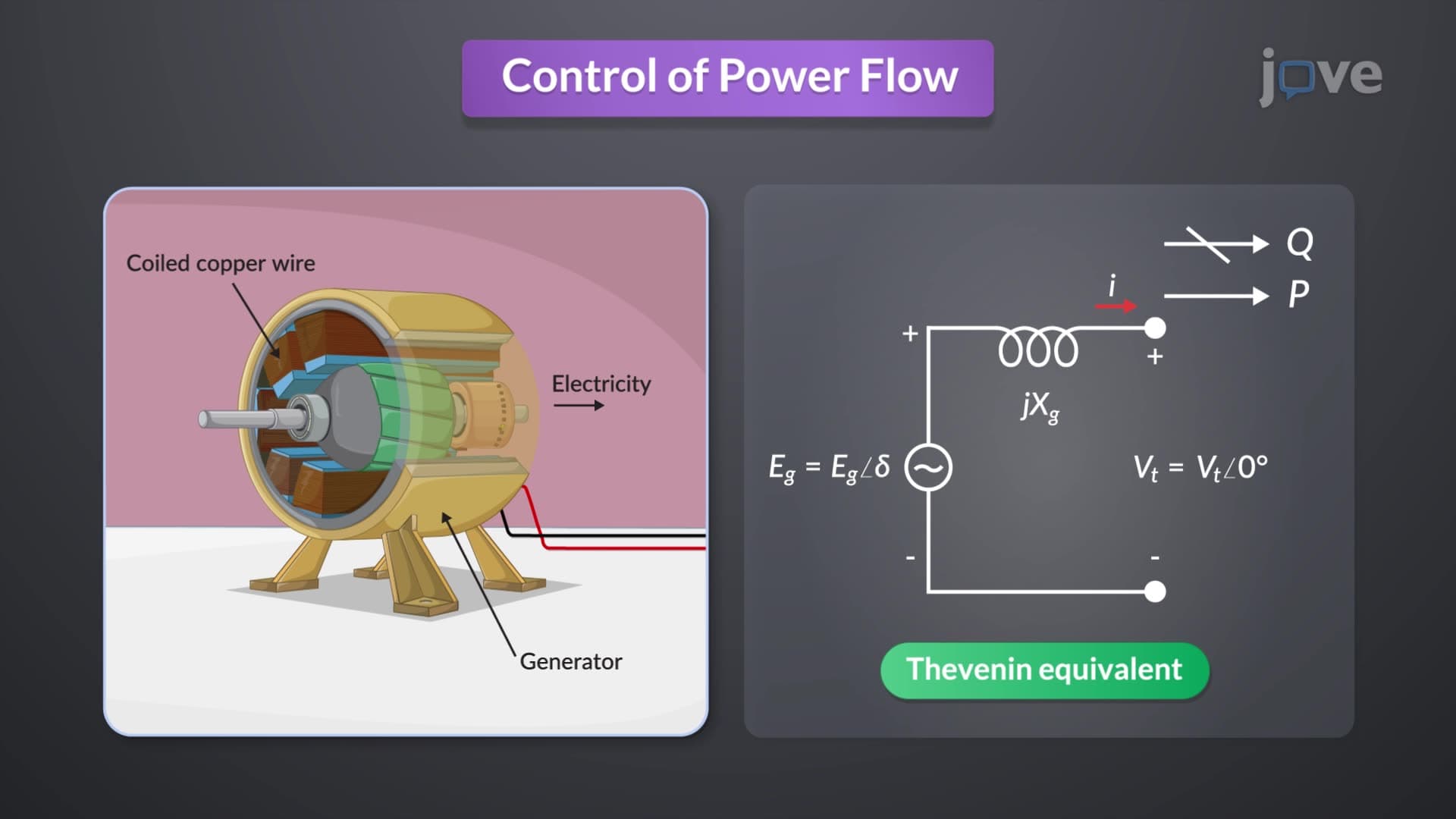
Power flow control begins at the generation level, where engineers must coordinate multiple variables simultaneously. A typical coal-fired power plant in Texas or natural gas facility in Pennsylvania operates under steady-state conditions that can be mathematically represented using Thevenin equivalent circuits. This modeling approach simplifies complex generator internals into three key parameters: terminal voltage, excitation voltage, and synchronous reactance.
When operators increase the power angle (the phase difference between generator voltage and system voltage), real power output increases significantly. However, this change simultaneously decreases reactive power output, creating a delicate balancing act. Conversely, raising the excitation voltage boosts reactive power generation while slightly reducing the power angle. These relationships form the foundation of modern power system operation and appear frequently on electrical engineering qualifying exams and AP Physics C assessments.
Beyond generation control, power flow management relies heavily on transmission system equipment. Shunt capacitor banks, commonly seen at electrical substations across the Midwest, provide reactive power support that raises local bus voltages. These devices become crucial during peak summer demand when air conditioning loads stress the system. Conversely, shunt reactors absorb excess reactive power and lower voltages, particularly important during light-load nighttime hours.
Modern power systems employ sophisticated transformer technologies for precise control. Tap-changing transformers automatically adjust their turns ratio to maintain voltage within acceptable limits, while phase-angle regulating transformers provide direct control over real power flows between interconnected systems. The PJM Interconnection, serving 13 eastern US states, relies heavily on these devices to manage power transfers between regional utilities.
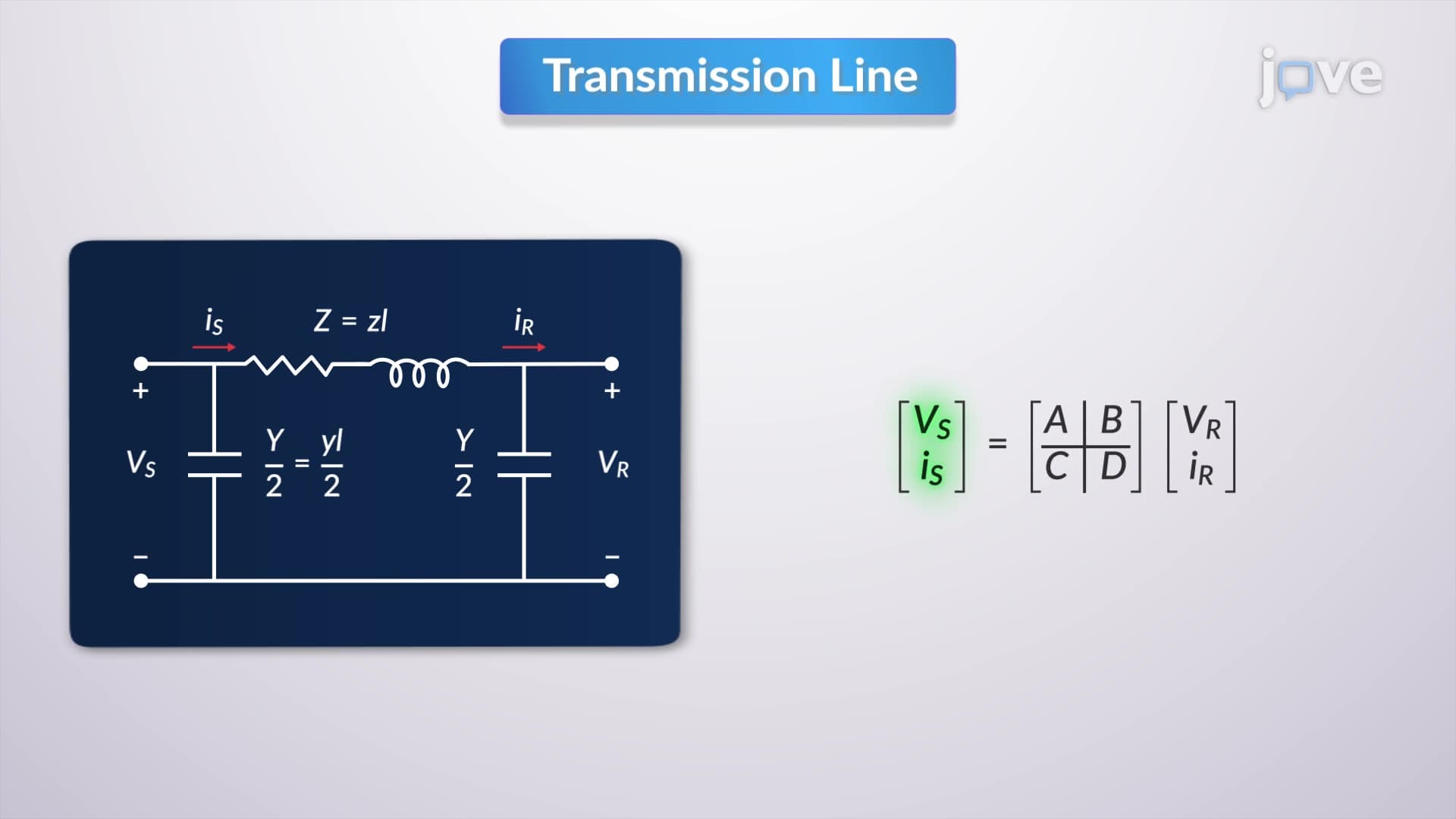
The mathematical foundation supporting all these control actions relies on fast decoupled and dc powerflow algorithms running continuously in grid control centers. These computational methods solve thousands of simultaneous equations in seconds, enabling real-time decision-making. College-level power systems courses extensively cover these algorithms, as they represent essential tools for modern electrical engineers entering the utility industry.
Related Micro-courses