Loading video…


 6 Concepts
 2.1K views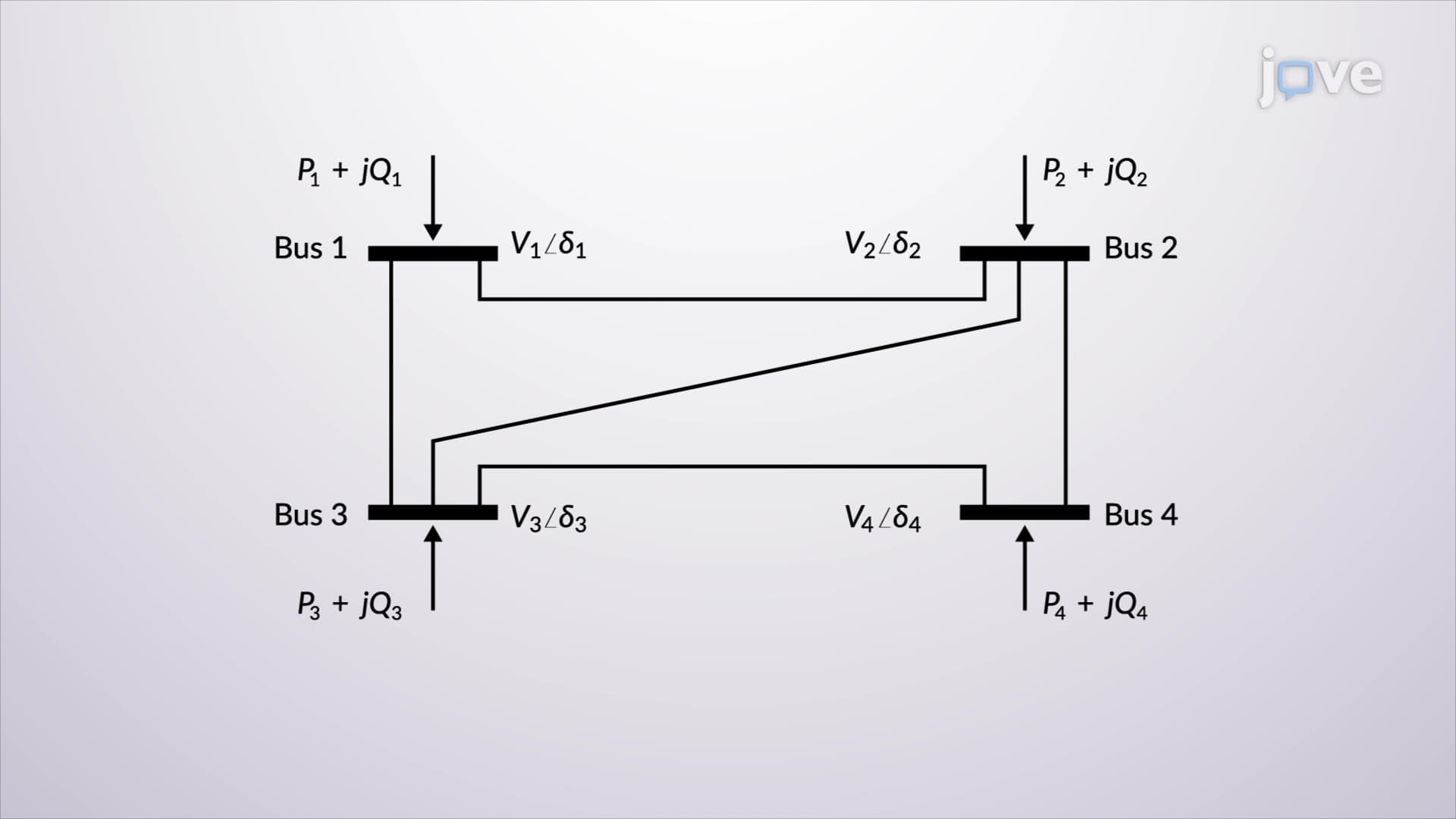

Video Summary: The Power Flow Problem and Solution Explained
Ever wonder how engineers ensure your home gets electricity during peak summer air conditioning demand? Control of power flow is the critical engineering process that maintains stable voltage and power distribution across electrical grids. When Pacific Gas & Electric manages California's power grid during heatwaves, they rely on The Power Flow Problem And Solution Explained methodology to calculate voltage magnitudes, phase angles, and power flows throughout the entire network. This systematic approach prevents blackouts and ensures reliable electricity delivery. Watch the full video on JoVE Coach to master this concept with expert-led visuals and step-by-step explanations.
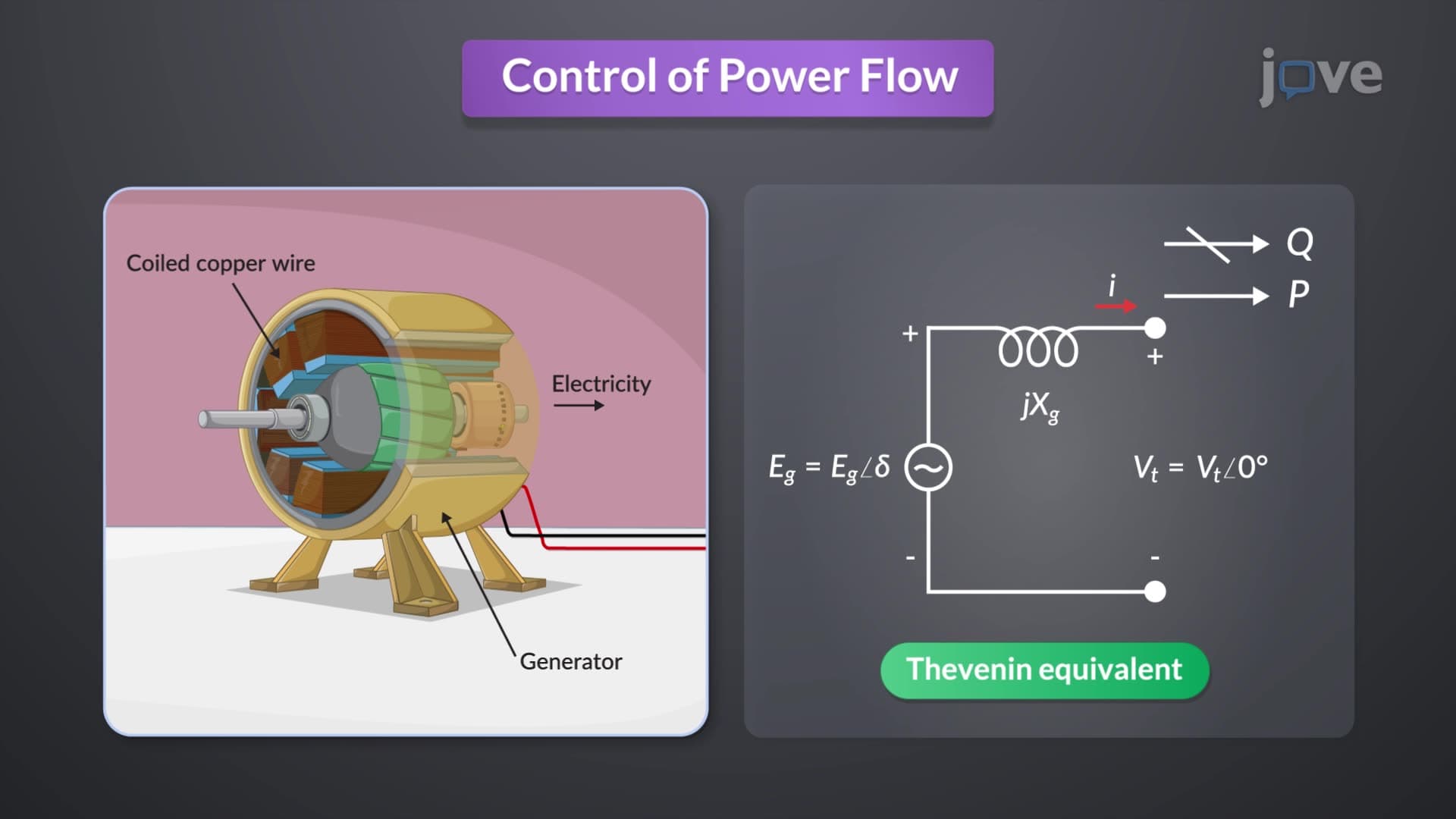
The control of power flow represents one of the most fundamental challenges in electrical engineering, directly impacting how electricity reaches millions of Americans daily. This systematic approach calculates essential parameters-voltage magnitude, phase angle, and both real and reactive power flows-within balanced three-phase electrical networks operating under steady-state conditions.
Power system analysis revolves around understanding bus behavior, where each connection point contains exactly four critical variables. The control of power flow definition centers on how these variables are managed: two serve as input data while the remaining two require calculation through specialized algorithms. Engineers classify buses into three distinct categories based on which variables are known versus unknown, creating a structured framework for systematic analysis.
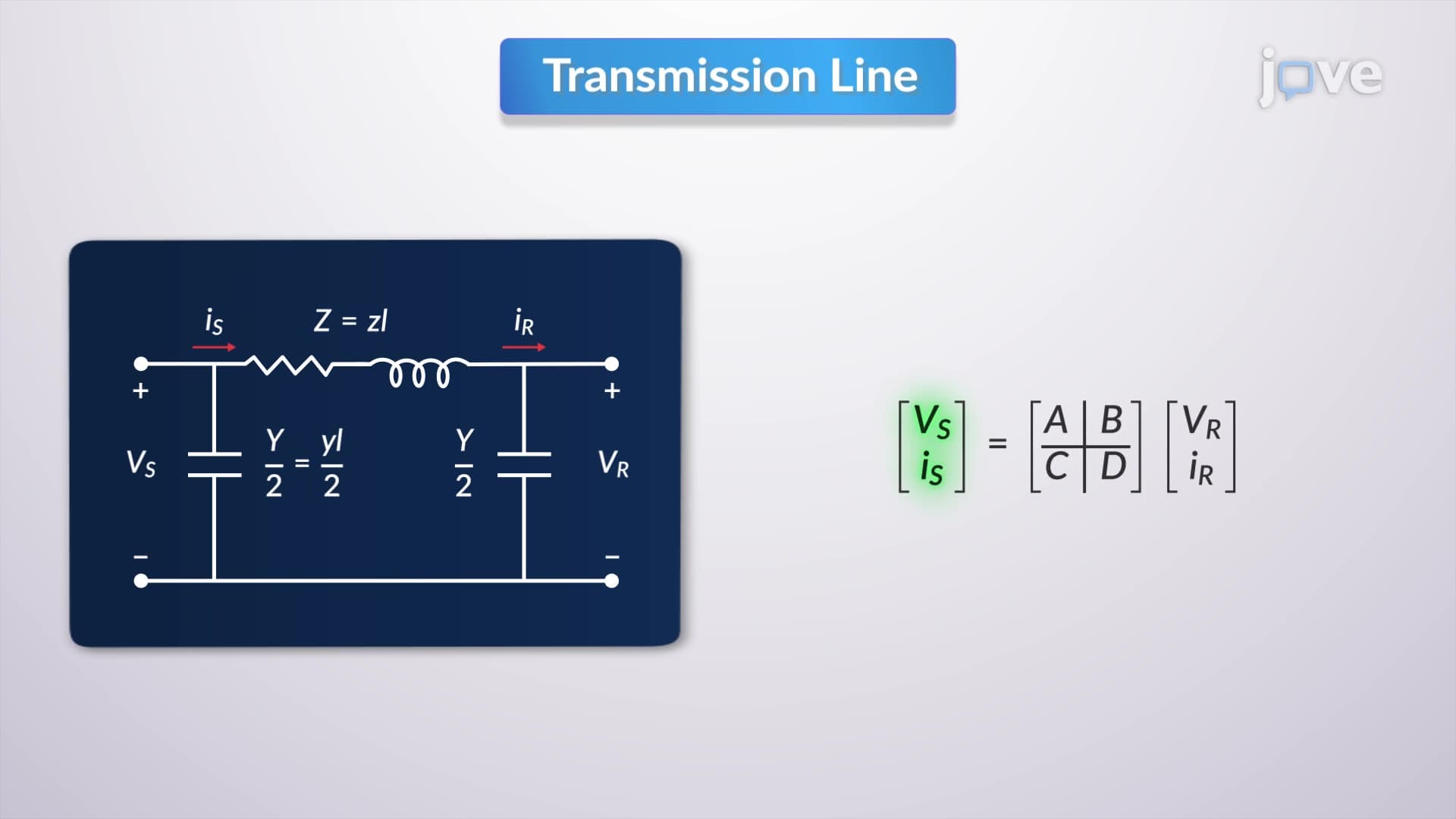
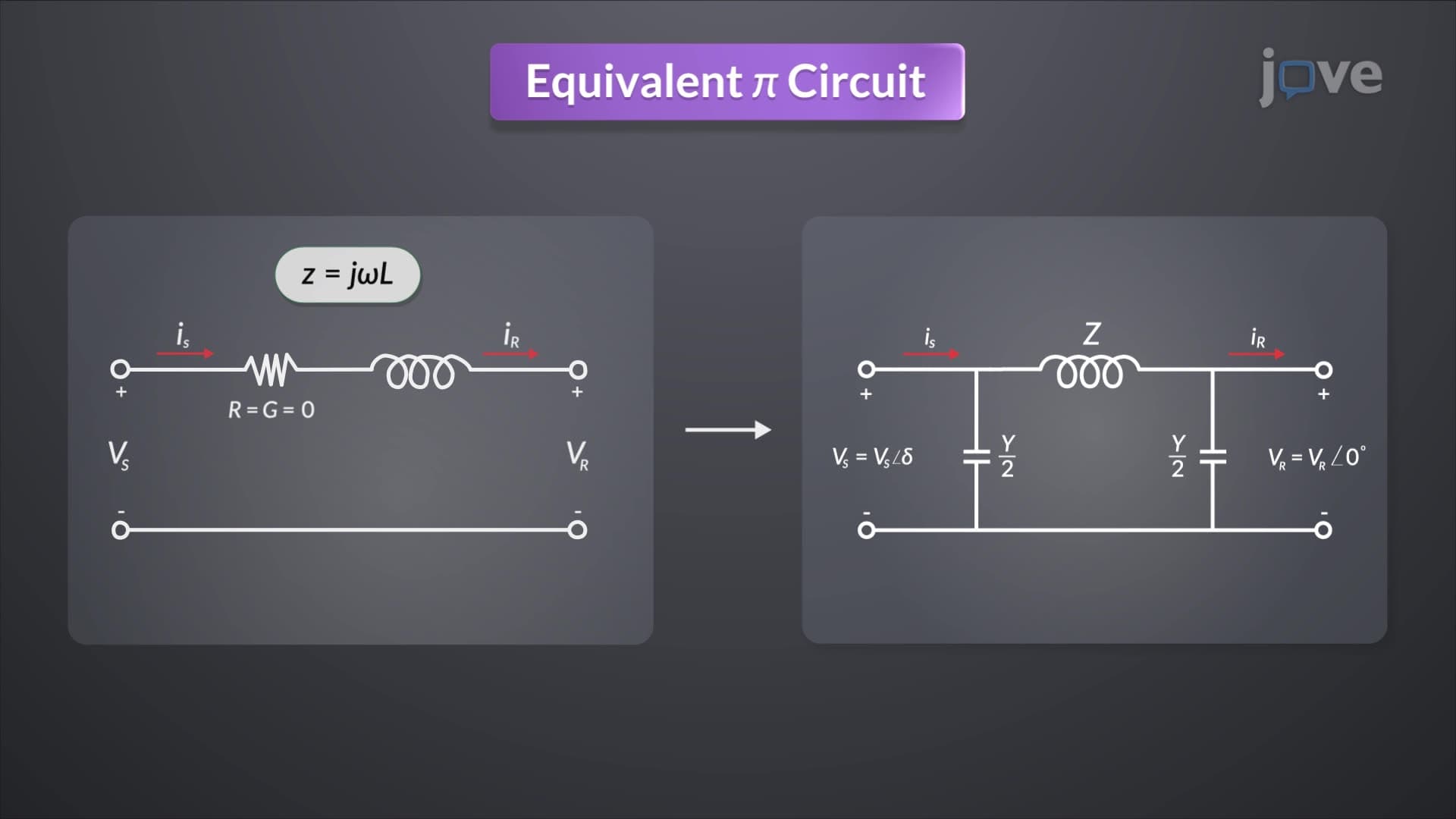
What is control of power flow in detail involves representing transmission lines through equivalent pi circuits, capturing both series impedance and shunt admittance characteristics. This modeling approach enables engineers to construct the bus admittance matrix, a mathematical foundation essential for developing nodal equations governing the entire network. Major utilities like Consolidated Edison in New York rely on this methodology when managing their complex urban distribution systems.
The control of power flow concept employs two primary solution techniques, each with distinct advantages. Gauss-Seidel methods utilize iterative approaches based on nodal equations, while Newton-Raphson techniques tackle nonlinear power flow equations directly, typically achieving superior accuracy and faster convergence rates. These methods prove essential for engineering students preparing for the Fundamentals of Engineering (FE) exam, where power systems questions frequently appear.
Students studying for AP Physics C or college-level electrical engineering courses will encounter these concepts in circuit analysis and power systems coursework. Understanding how power balance equations emerge from the real and imaginary components of complex power calculations provides crucial foundation knowledge for advanced electrical engineering studies at institutions like MIT, Stanford, or Georgia Tech.
Related Micro-courses