Loading subject page…


3,064 views


Video Summary: Other Sources of Short Term Financing Explained
Working capital shortfalls hit every business, but other sources short term financing solutions like commercial paper and strategic accounts payable management can bridge critical gaps without traditional bank loans. Apple regularly issues commercial paper to maintain operational flexibility, while retailers like Target extend payment terms during seasonal inventory builds. These alternative financing mechanisms enable companies to optimize cash flow while preserving credit lines for strategic investments. Watch the full video on JoVE Coach to master this concept with expert-led visuals and step-by-step explanations.
When Amazon faces massive inventory builds before Prime Day or holiday seasons, traditional bank credit lines might not provide the optimal financing structure. This scenario exemplifies why sophisticated financial managers must master alternative short-term financing mechanisms that extend beyond conventional lending relationships.
Commercial paper represents the corporate equivalent of Treasury bills-short-term, unsecured promissory notes issued by investment-grade companies directly to institutional investors. Unlike bank loans that require extensive documentation and relationship management, commercial paper provides immediate access to capital markets at rates typically below prime lending rates.
The mechanics create value for both issuers and investors. When Microsoft issues $500 million in 90-day commercial paper at a 4.5% discount rate, institutional investors purchasing at $494.4 million receive predictable returns while Microsoft accesses funds more cost-effectively than bank financing. This direct market access eliminates intermediary spreads and accelerates funding timelines from weeks to days.
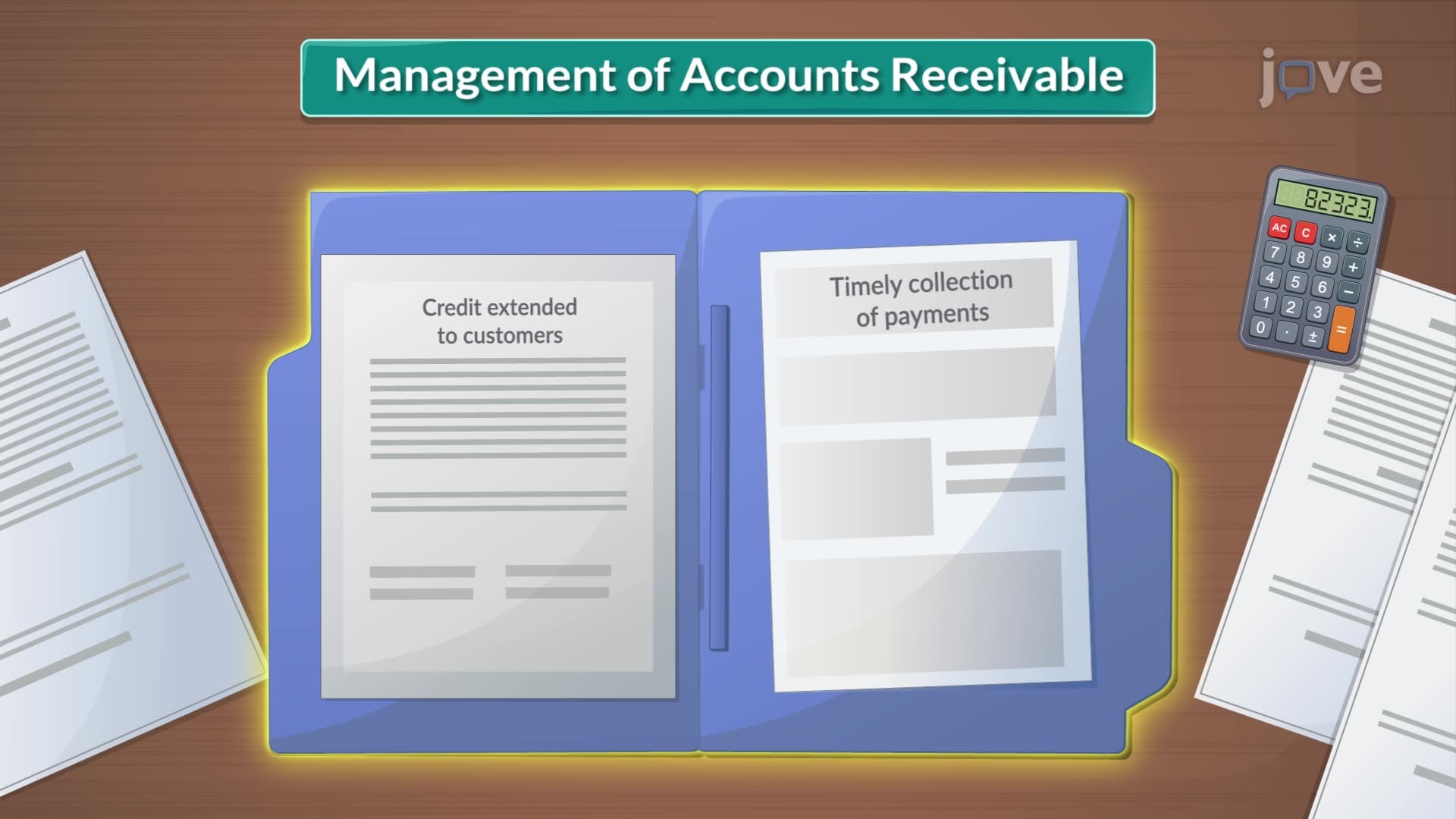
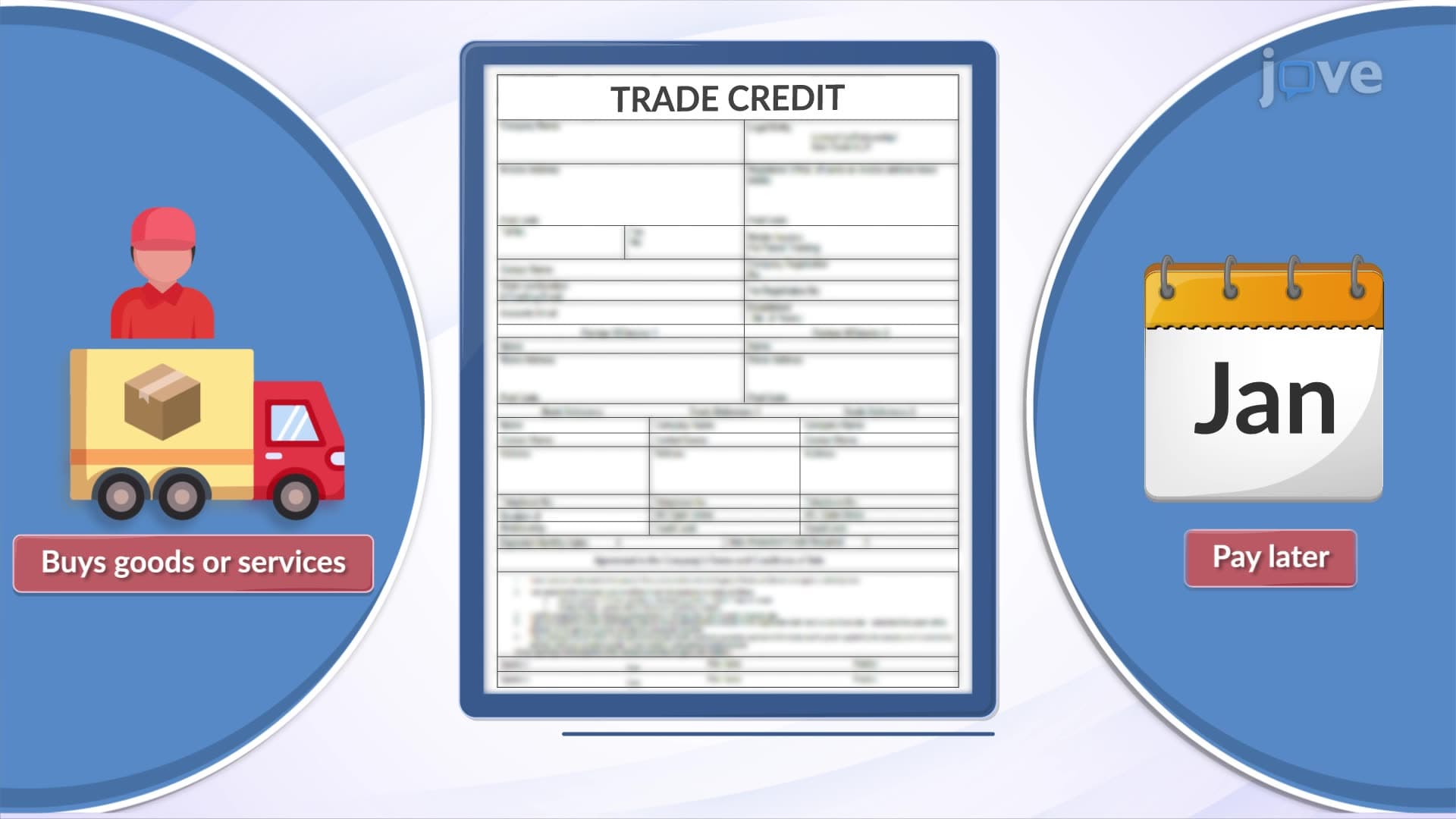
Sophisticated cash management extends payment cycles strategically rather than simply delaying obligations. Walmart's legendary supplier payment programs demonstrate how extending terms from 30 to 45 days creates millions in free financing while strengthening vendor relationships through predictable payment schedules.
This approach requires careful vendor relationship management and cash flow forecasting. Companies must balance the financing benefits against potential supply chain disruptions or early payment discounts. Industry leaders like Costco often negotiate extended payment terms during contract renewals, positioning these extensions as mutual benefits rather than unilateral changes.
Credit rating requirements limit commercial paper access to companies with strong balance sheets and consistent cash flows. Most issuers maintain backup credit facilities to guarantee redemption, adding complexity to the financing structure. Additionally, market conditions can rapidly affect commercial paper rates, requiring active monitoring and flexible refinancing strategies.
The strategic value lies in financing diversification and cost optimization. Companies relying solely on bank relationships face concentration risk and potentially higher costs during credit market stress periods.
Related Micro-courses