Loading video…


 16 Concepts
 3.1K views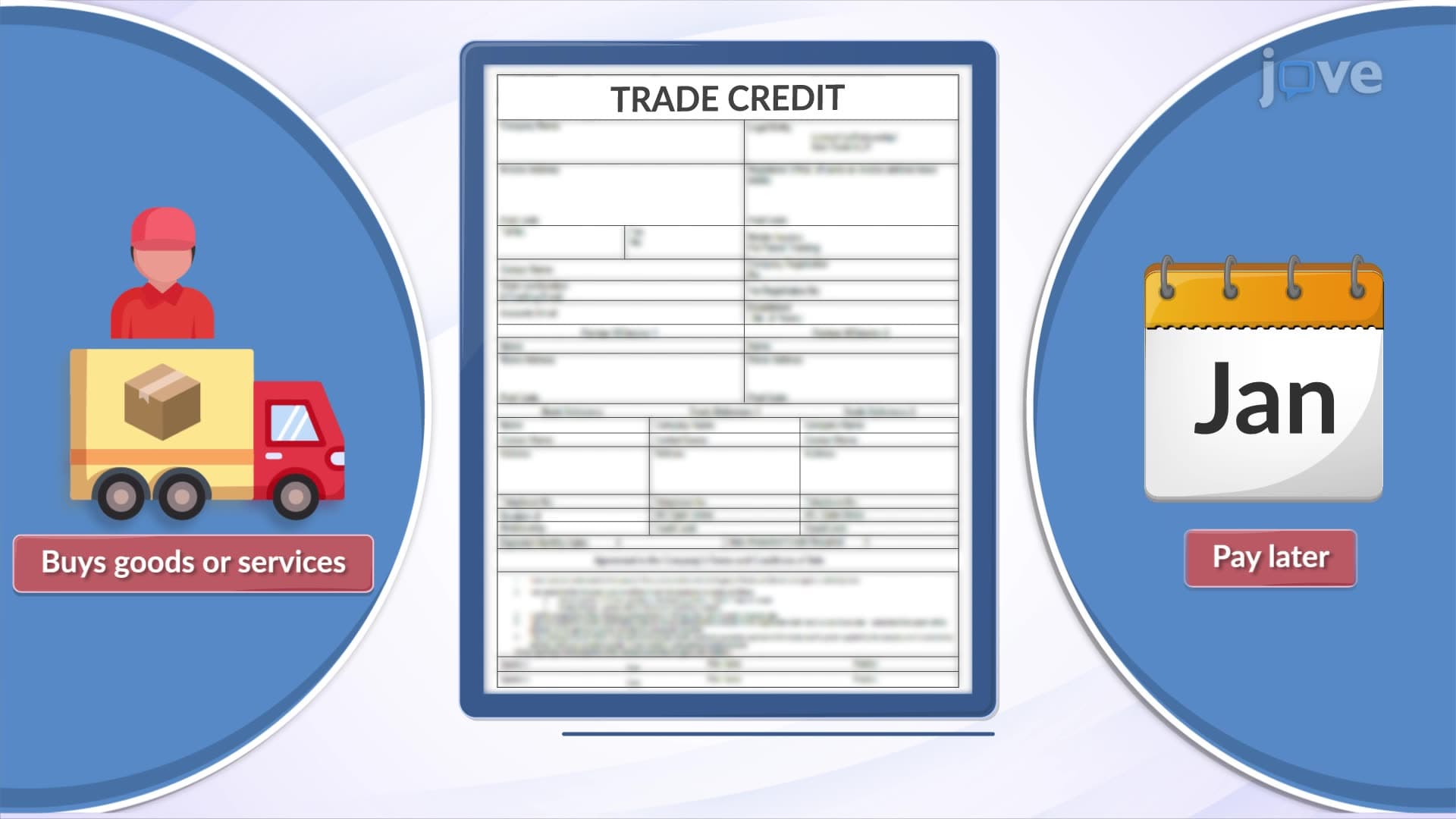

Video Summary: What Is Trade Credit From Suppliers
In today's cash flow-constrained business environment, trade credit from suppliers serves as a critical financing mechanism that can make or break quarterly performance. This arrangement allows companies like Target Corporation to purchase $500,000 worth of electronics while deferring payment for 60 days, effectively creating an interest-free loan that optimizes working capital management. Understanding what is trade credit from suppliers enables leaders to negotiate better payment terms and strengthen supplier relationships while maintaining operational flexibility. Watch the full video on JoVE Coach to master this concept with expert-led visuals and step-by-step explanations.
Trade credit represents one of the most underutilized yet powerful financial tools in corporate America. When Apple negotiates 120-day payment terms with its component suppliers while collecting customer payments within 30 days, it creates a negative cash conversion cycle that essentially allows suppliers to finance Apple's operations. This strategic approach to trade credit from suppliers transforms ordinary procurement into a competitive advantage.
The trade credit from suppliers definition explained encompasses both the transactional mechanics and strategic implications. Unlike traditional bank financing, trade credit carries no explicit interest charges during the agreed payment period, effectively providing cost-free working capital. However, suppliers often embed the cost of this financing into their pricing structure, making it crucial for procurement teams to understand the true cost of capital embedded in different payment terms.
Major retailers like Walmart have perfected this model by negotiating extended payment terms while maintaining rapid inventory turnover. Their suppliers essentially finance Walmart's inventory until payment is due, allowing the retail giant to generate cash from sales before settling supplier obligations.
Managing trade credit from suppliers requires balancing multiple stakeholder interests. Late payments can damage supplier relationships, potentially leading to supply chain disruptions, reduced credit terms, or higher prices. Companies like Tesla have faced supplier tensions when payment delays strained relationships during production ramp-ups, demonstrating how trade credit mismanagement can impact operational performance.
Sophisticated organizations implement supplier financing programs that optimize payment timing while maintaining strong vendor relationships. These programs often include early payment discounts, supply chain financing arrangements, and dynamic payment terms based on cash flow forecasts.
Effective trade credit management requires integration across finance, procurement, and operations functions. CFOs must model the cash flow impact of different payment scenarios, while procurement teams negotiate terms that balance cost and relationship considerations. This cross-functional approach ensures that trade credit from suppliers serves broader strategic objectives rather than simply deferring payments.
Related Micro-courses