Loading subject page…


1,731 views

Video Summary: What Is Stock Market I
When Tesla's stock surged 740% in 2020, it demonstrated how stock market dynamics directly impact corporate valuations and strategic decisions. The stock market serves as a critical capital allocation mechanism where publicly traded companies access funding while investors build wealth through equity ownership. Understanding What is Stock Market I fundamentals enables professionals to make informed investment decisions, evaluate acquisition targets, and assess market conditions affecting business strategy. Watch the full video on JoVE Coach to master this concept with expert-led visuals and step-by-step explanations.
When Microsoft's CEO Satya Nadella took over in 2014, the company's stock price was $37. Today, it trades above $400, creating over $2 trillion in market value. This transformation illustrates how stock market performance directly correlates with strategic business execution and investor confidence.
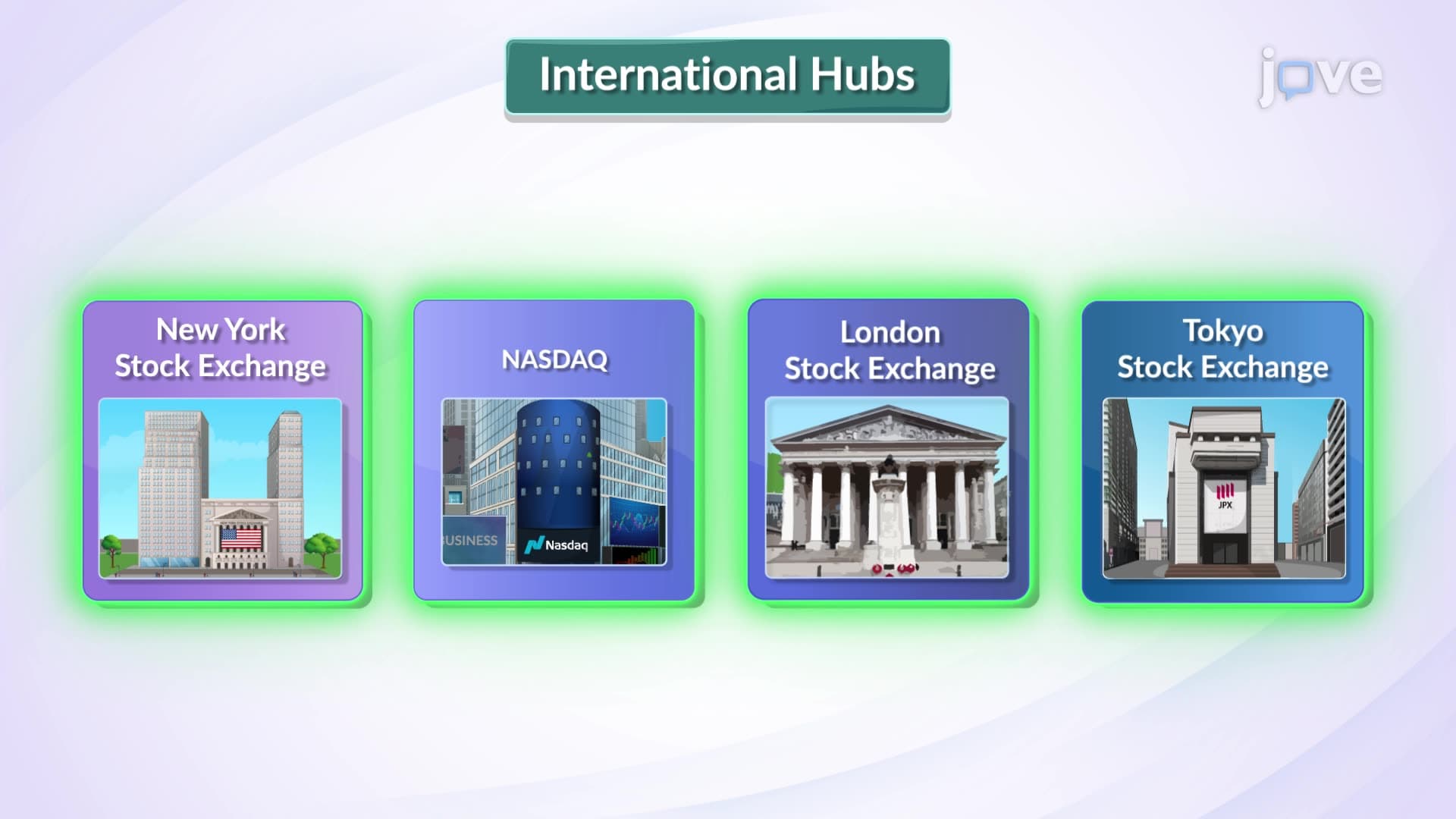
The stock market definition explained encompasses two distinct but interconnected markets. Primary markets facilitate initial capital raising when companies like Airbnb go public, directly connecting businesses with investors seeking equity stakes. Secondary markets, dominated by exchanges like the NYSE and NASDAQ, enable ongoing trading of existing shares, providing liquidity and price discovery mechanisms essential for corporate decision-making.
For working professionals, understanding this distinction proves crucial when evaluating acquisition targets, negotiating equity compensation packages, or assessing competitive positioning based on market valuations.
The S&P 500 and Dow Jones Industrial Average function as more than statistical measures-they serve as strategic benchmarks for corporate performance evaluation. When Amazon consistently outperforms these indices, it signals operational excellence that influences everything from credit ratings to merger valuations. Finance professionals leverage these benchmarks to justify capital allocation decisions, set performance targets, and communicate value creation to stakeholders.
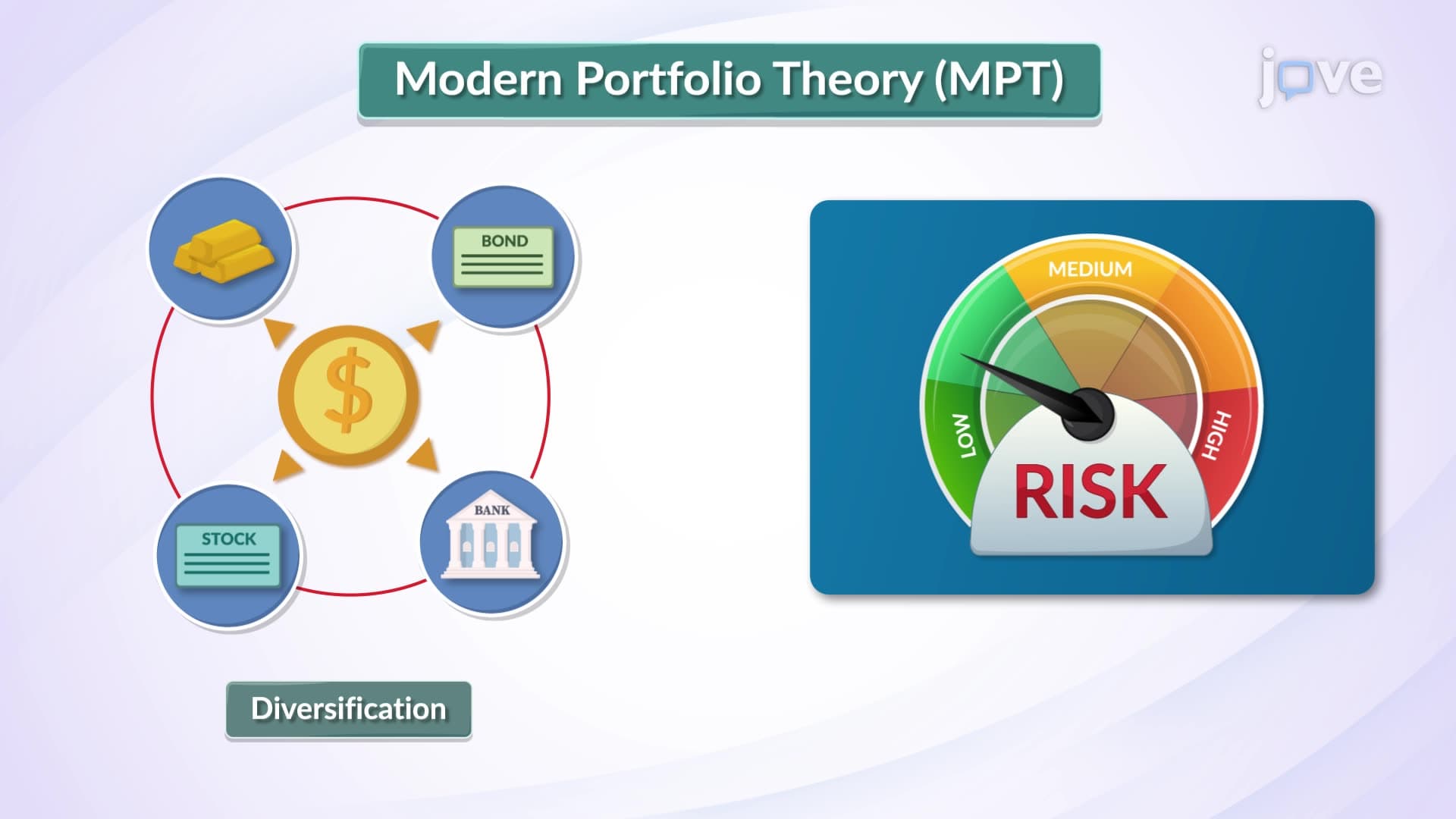
Modern stock market dynamics require sophisticated risk assessment capabilities. The 2008 financial crisis demonstrated how market volatility impacts corporate financing, supply chain relationships, and strategic partnerships. Companies like JPMorgan Chase weathered the crisis by maintaining diversified portfolios and robust risk management frameworks, while others faced liquidity challenges that forced strategic pivots.
SEC regulations governing stock market operations directly impact corporate governance, financial reporting, and strategic communications. Public companies must navigate complex disclosure requirements that influence everything from earnings guidance to acquisition announcements. Understanding these regulatory frameworks enables professionals to anticipate market reactions and structure transactions that optimize shareholder value while maintaining compliance.
Related Micro-courses