Loading subject page…


1,731 views


Video Summary: What Is Stock Market Ii
When Tesla's stock surged 743% in 2020, savvy business leaders understood that stock market dynamics directly impact corporate valuations, M&A opportunities, and capital allocation strategies. The stock market operates through a sophisticated ecosystem of participants-from institutional investors like BlackRock managing $10 trillion in assets to regulatory bodies ensuring market integrity. Understanding what is Stock Market II means recognizing how investors, issuers, intermediaries, and regulators interact within key institutions like NASDAQ and clearinghouses to create the foundation for strategic business decisions. Watch the full video on JoVE Coach to master this concept with expert-led visuals and step-by-step explanations.
When Apple announced its $90 billion share buyback program in 2024, the execution required navigating a complex web of market participants and institutions. For business leaders, understanding the stock market goes beyond basic trading concepts-it's about recognizing the strategic infrastructure that enables capital formation, corporate governance, and wealth creation.
The stock market ecosystem revolves around four distinct participant categories, each serving critical business functions. Investors range from retail individuals using platforms like E*TRADE to institutional powerhouses like Vanguard, which manages over $8 trillion in assets. Understanding this distinction is crucial for CFOs and investor relations professionals, as institutional investors often drive 70-80% of daily trading volume and significantly influence stock price movements through large block trades.
Issuers represent the corporate side of the equation-companies like Microsoft, Amazon, and JPMorgan Chase that have successfully navigated IPO processes and maintain public listings. For executives considering going public or managing already-public entities, understanding issuer responsibilities includes ongoing SEC reporting, quarterly earnings calls, and maintaining compliance with exchange listing requirements.
Intermediaries form the operational backbone of market transactions. Investment banks like Goldman Sachs facilitate IPOs and secondary offerings, while discount brokers like Charles Schwab democratize access for retail participation. Market makers such as Citadel Securities provide liquidity by maintaining bid-ask spreads, directly impacting execution costs for large corporate transactions.
The regulatory framework, primarily overseen by the SEC, creates the compliance environment that public companies must navigate. Recent regulations like the Corporate Transparency Act and enhanced cybersecurity disclosure requirements directly impact operational costs and strategic decision-making for public companies.
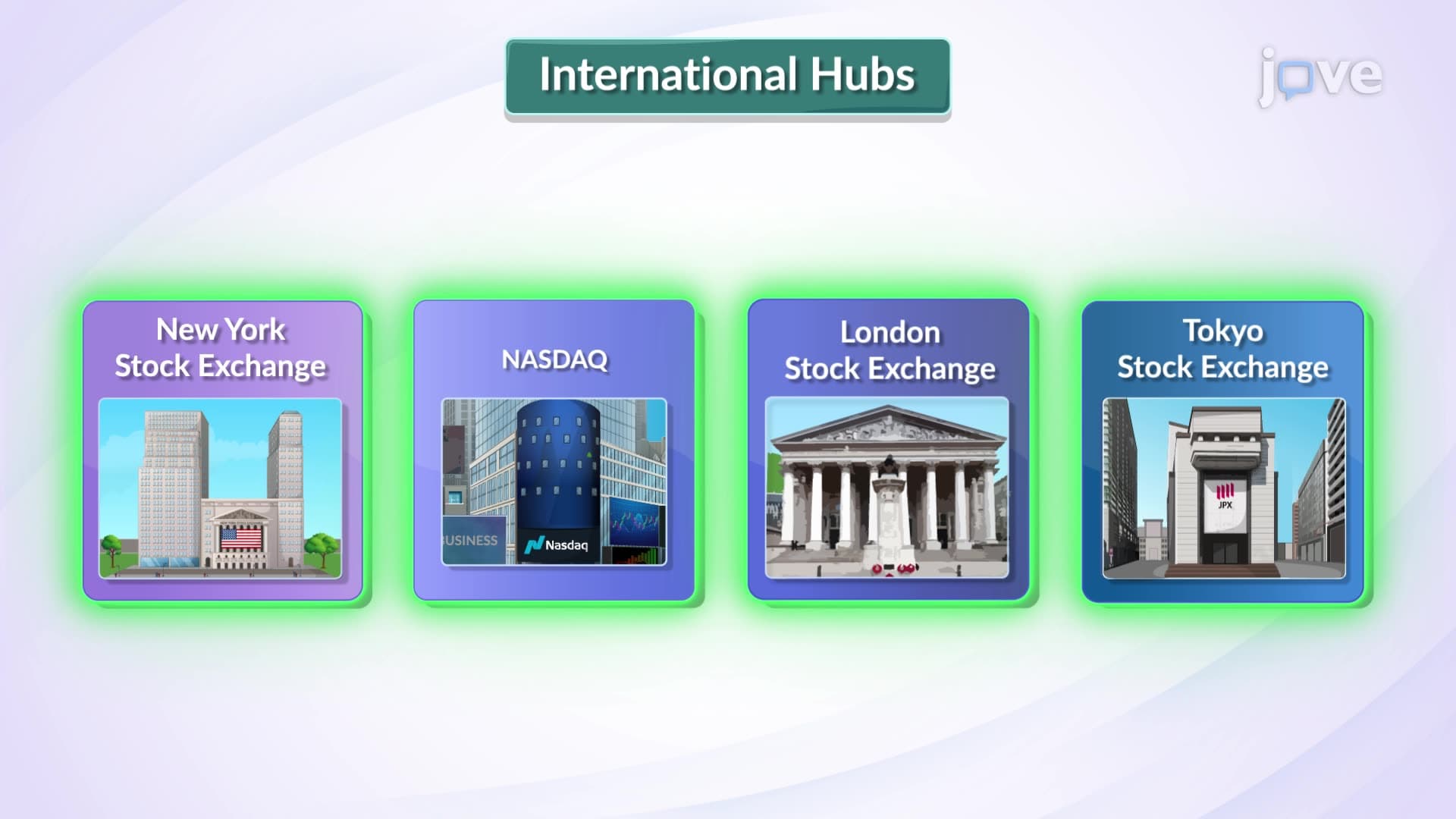
Stock exchanges like NASDAQ and NYSE serve as more than trading venues-they're brands that signal credibility and access different investor bases. NASDAQ's technology focus attracts growth companies, while NYSE's heritage appeals to established enterprises. Clearinghouses like the National Securities Clearing Corporation ensure trade settlement, reducing counterparty risk that could impact corporate treasury operations. Depositories such as the Depository Trust & Clearing Corporation hold securities electronically, enabling the rapid settlement cycles that modern markets demand.
This infrastructure creates opportunities for strategic financial management, from optimizing share buyback execution to timing secondary offerings based on market liquidity conditions.
Related Micro-courses