Loading video…


 36 Concepts
 4.1K views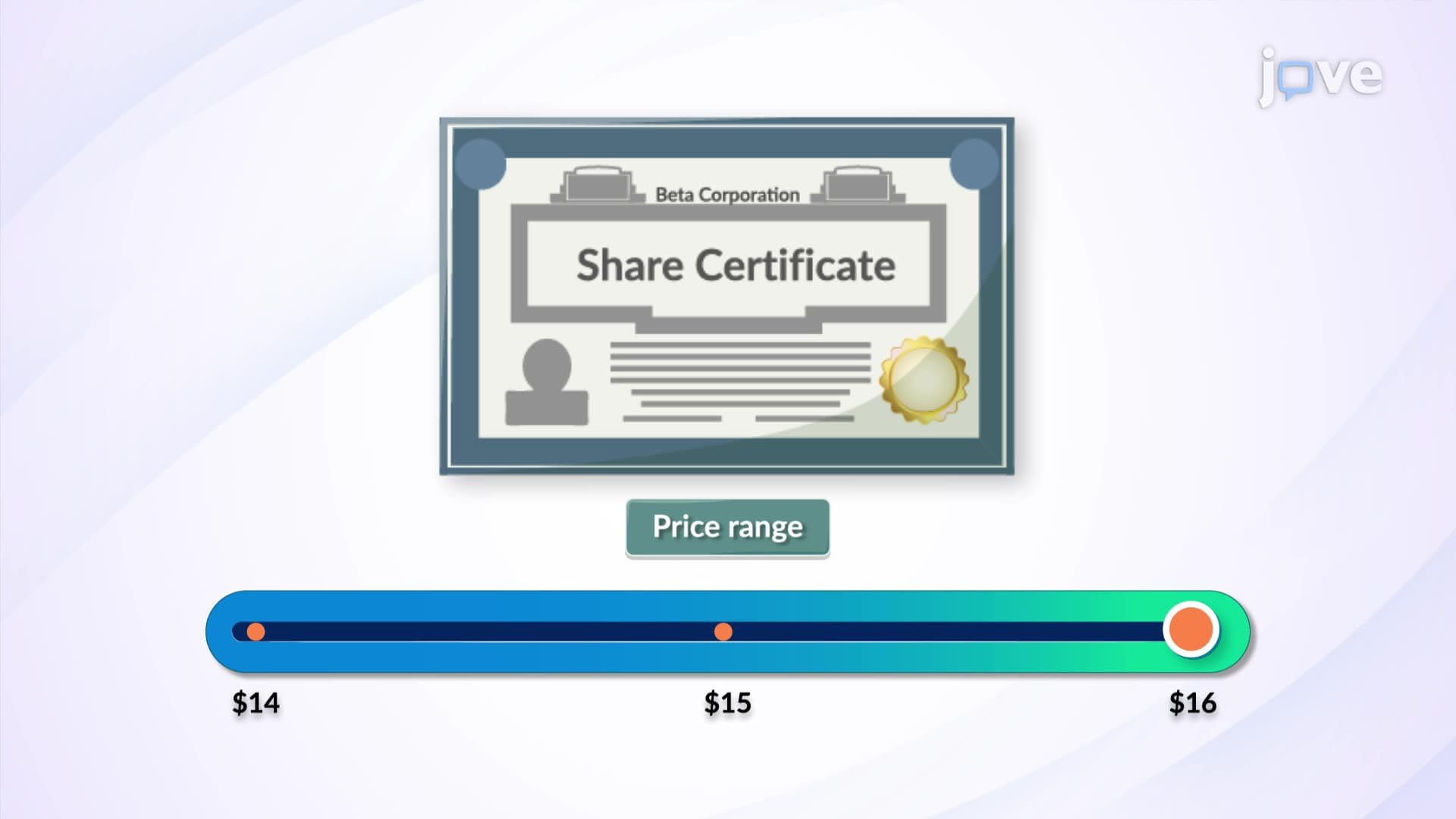

Video Summary: Pricing in Initial Public Offering Explained
When Microsoft, Amazon, or Facebook went public, their IPO pricing strategies directly impacted billions in market capitalization and investor returns. Pricing initial public offering decisions can make or break a company's market debut, affecting everything from employee stock option values to institutional investor confidence. Companies typically choose between fixed pricing methods, where shares are sold at a predetermined price regardless of demand, or the more sophisticated book-building approach that gauges market appetite through bid collection. Watch the full video on JoVE Coach to master this concept with expert-led visuals and step-by-step explanations.
When Airbnb priced its December 2020 IPO at $68 per share-only to see shares surge 113% on opening day-it highlighted the critical importance of IPO pricing decisions. For business leaders, understanding pricing in initial public offering mechanics isn't just academic knowledge-it's essential for evaluating investment opportunities, competitive positioning, and strategic timing decisions.
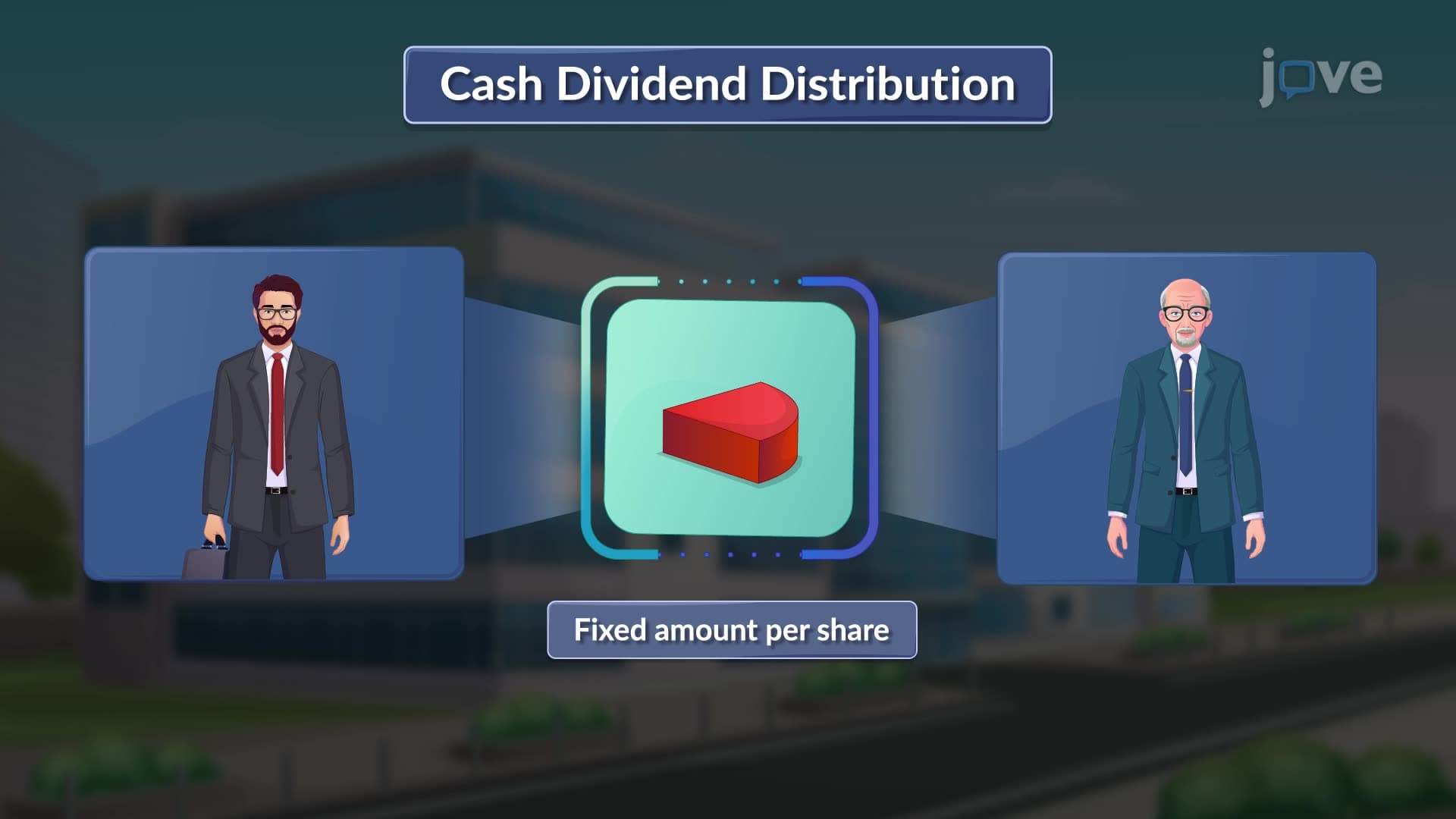
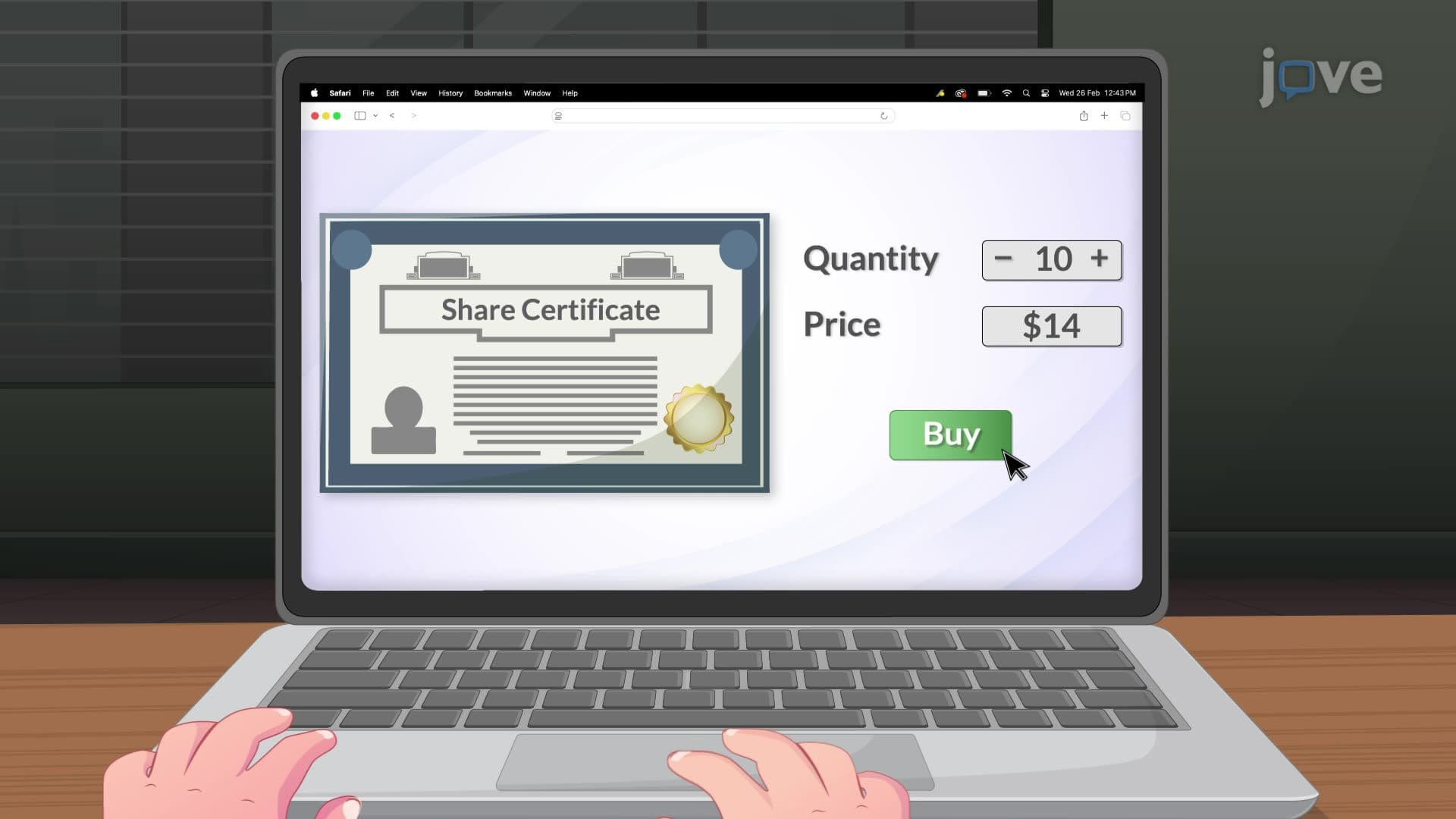
The fixed pricing method represents the most straightforward approach to IPO valuation. Companies set a predetermined share price and maintain it regardless of market fluctuations or investor demand intensity. While this approach provides pricing certainty for both issuers and investors, it often leaves money on the table during strong market conditions or fails to adjust during volatile periods.
Consider the strategic implications: fixed pricing works well for companies with established revenue streams and predictable business models, but it may not capture the premium that high-growth technology companies or disruptive business models command. Private equity firms and institutional investors often prefer this method when they need predictable exit valuations for portfolio planning and investor reporting.
The book-building method has become the gold standard for major IPOs because it incorporates real-time market feedback into pricing decisions. Investment banks like Goldman Sachs and Morgan Stanley lead "roadshows" where management teams present to institutional investors, who then submit price ranges and share quantity bids.
This process creates a sophisticated auction mechanism. For example, when Beyond Meat went public in 2019, the book-building process revealed unexpectedly strong demand from both institutional and retail investors. The company priced at $25 per share-the top of its $23-$25 range-and shares still opened at $46, demonstrating how even market-responsive pricing can underestimate demand.
The choice between pricing methods affects multiple stakeholder groups differently. Employees with stock options prefer higher opening prices that maximize their equity value. Venture capital firms seek pricing that validates their pre-IPO investment thesis while ensuring successful market entry. Company management must balance maximizing capital raised against maintaining credible relationships with institutional investors who may participate in future equity rounds.
Understanding these dynamics helps business professionals evaluate whether IPO investments align with their risk tolerance and return expectations, while also informing strategic decisions about optimal timing for their own companies' public market debuts.
Related Micro-courses