Loading subject page…


54,058 views


Video Summary: What are Components of Language
Why can a toddler say "goed" instead of "went" but still be understood perfectly? Language development involves mastering two fundamental components that work together to create meaningful communication. From the 40+ phonemes in American English to complex grammar rules tested on the AP Psychology exam, understanding what are components of language reveals how humans transform sounds into sophisticated thoughts. Watch the full video on JoVE Coach to master this concept with expert-led visuals and step-by-step explanations.
Language development relies on two interconnected systems that transform basic sounds into complex human thought. This language development concept forms the cornerstone of linguistics courses across American universities and appears regularly on AP Psychology and SAT Subject Tests.
The lexicon represents our mental dictionary-every word we know and understand. This language development basics component starts with phonemes, the smallest sound units that distinguish meaning. American English contains approximately 44 phonemes, from the "th" sound absent in many other languages to vowel distinctions like "bit" versus "beat."
These phonemes combine systematically to form morphemes, the smallest meaningful units. Consider the word "unprecedented"-it contains four morphemes: "un-" (not), "pre-" (before), "cedent" (going), and "-ed" (past tense). Understanding morpheme analysis proves invaluable for SAT vocabulary sections and helps students decode unfamiliar academic terms in college coursework.
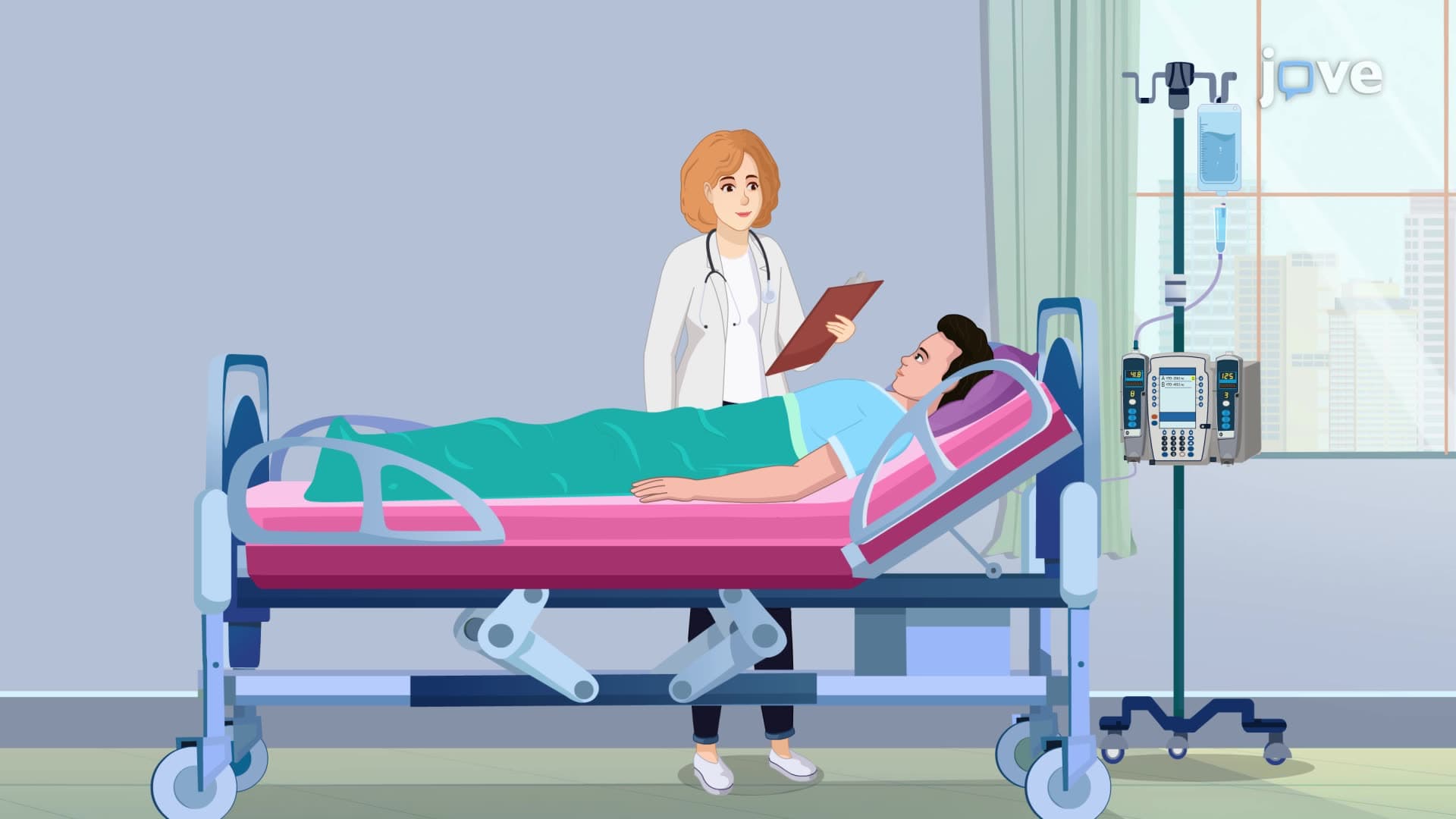
Real-world application emerges in healthcare settings where medical professionals must understand Latin and Greek morphemes. A nursing student preparing for NCLEX examinations learns that "cardio-" means heart, "-itis" means inflammation, making "carditis" immediately recognizable as heart inflammation.
Grammar encompasses the systematic rules governing language use, divided into three crucial areas. Syntax determines word order-why "The student passed the exam" makes sense while "Passed the student exam the" doesn't. These syntactic rules appear frequently in SAT Writing sections and AP English Language examinations.
Semantics involves meaning derivation from words and sentences. When students encounter "The professor assigned homework" versus "The homework assigned the professor," semantic understanding reveals only the first makes logical sense. This language development study guide principle helps students analyze reading comprehension passages across standardized tests.
Pragmatics enables communication beyond words' surface meaning. When a teacher says "It's rather warm in here" while looking toward closed windows, students understand the implied request. This understanding language development skill proves essential in professional communication and appears in communication disorders coursework for speech-language pathology majors.
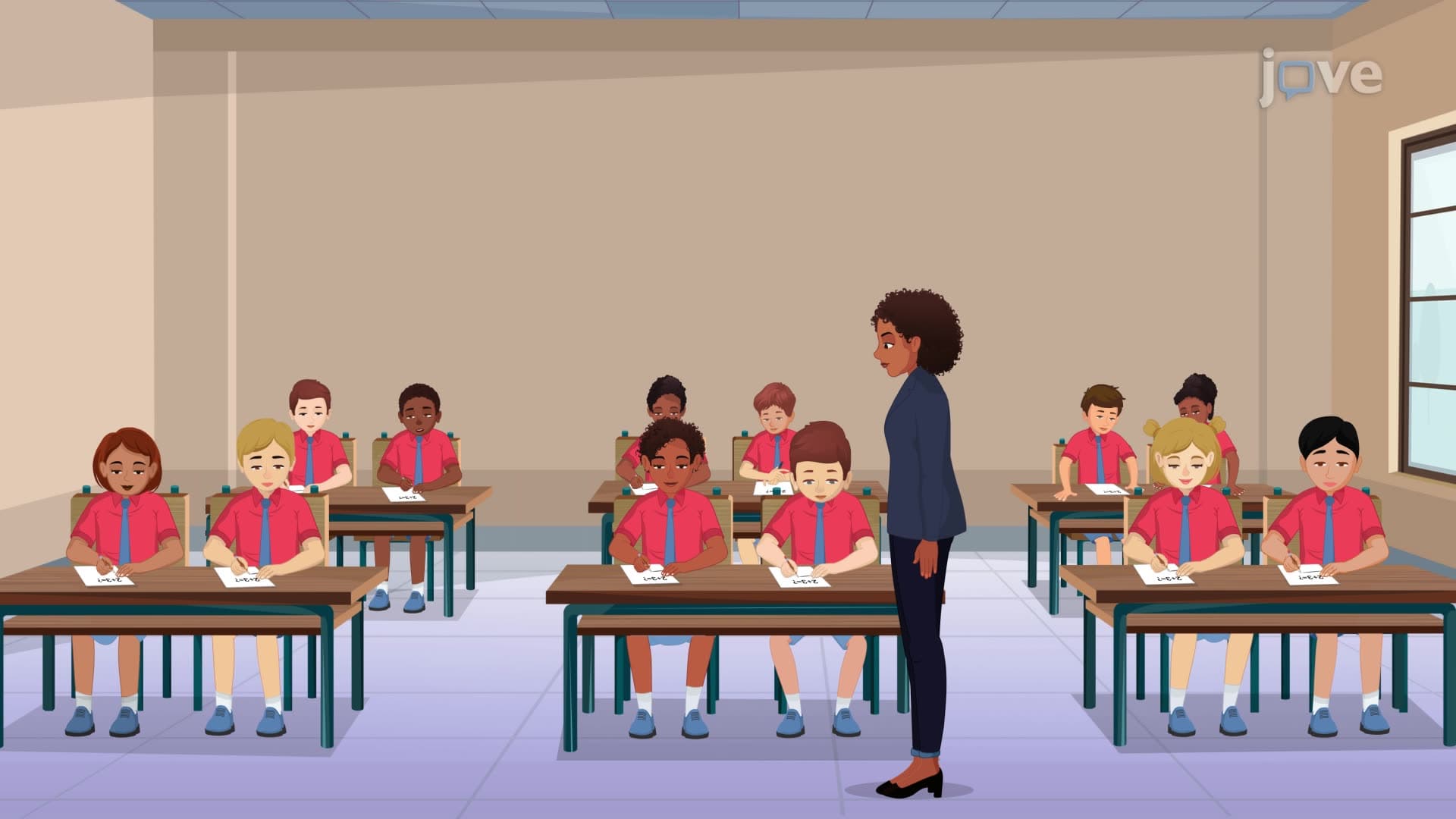
American students encounter pragmatic challenges in academic settings-understanding when professors' "suggestions" actually represent requirements, or recognizing rhetorical questions versus genuine inquiries during lectures.
Related Micro-courses