Loading subject page…


54,058 views

Video Summary: What Is Schemata
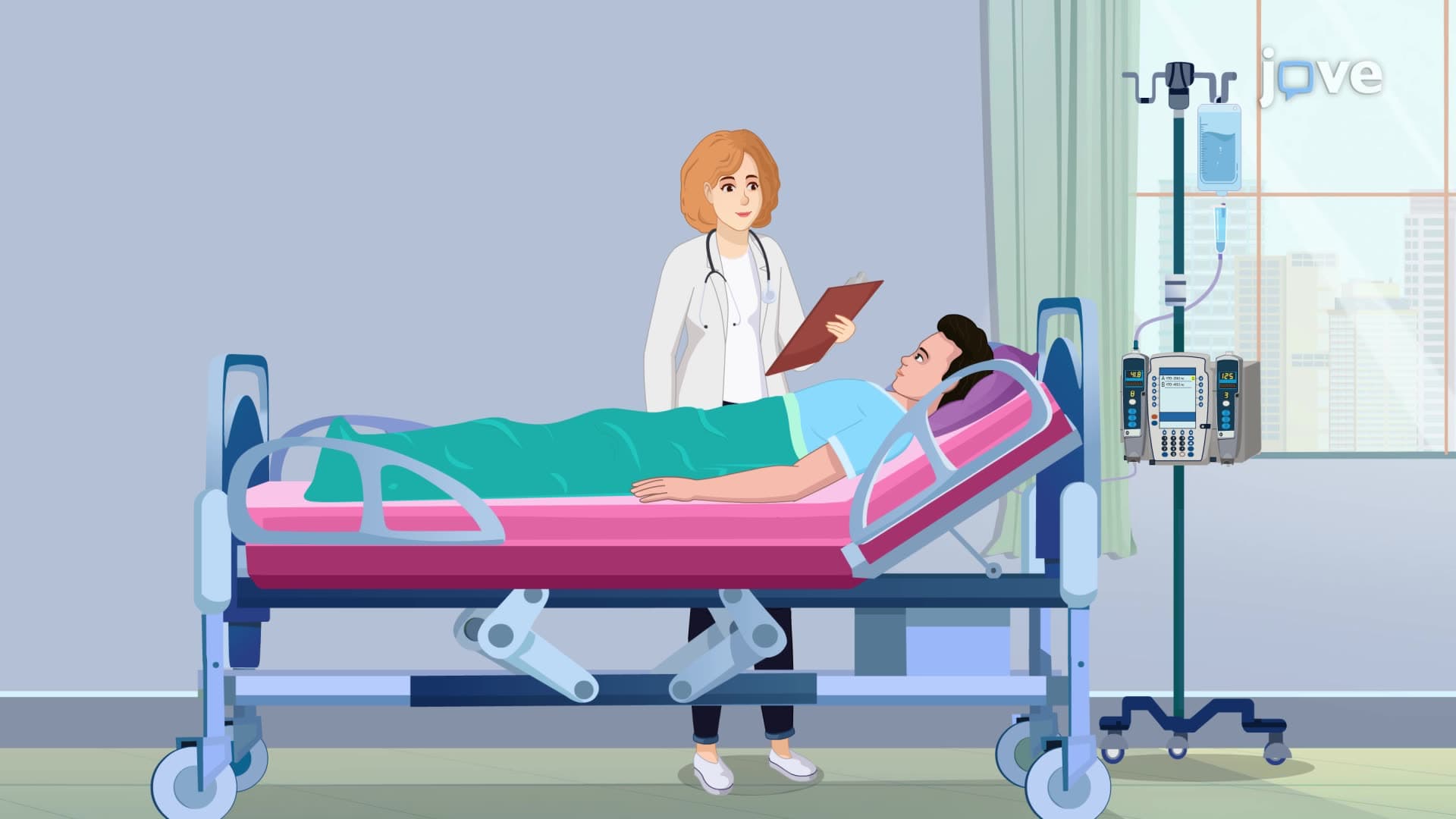
Did you know that when you see someone in scrubs at a hospital, your brain instantly assumes they have medical training? This automatic assumption demonstrates language processing through mental frameworks called schemata. These cognitive structures help us quickly interpret information by organizing related concepts, like assuming NFL coaches understand football strategy. Schemata influence how we process language and meaning in everyday situations, from classroom interactions to social media posts. Watch the full video on JoVE Coach to master this concept with expert-led visuals and step-by-step explanations.
Schemata represent one of the most fundamental concepts in cognitive psychology and language processing. These pre-existing mental constructs serve as organizational frameworks that help our brains efficiently categorize and interpret incoming information. When we encounter new language content, our minds don't process it in isolation-instead, we automatically activate relevant schemas to provide context and meaning.
The language definition of schemata extends beyond simple categorization. These cognitive structures actively shape how we interpret verbal and written communication, influencing everything from reading comprehension to conversation dynamics. For high school students preparing for AP Psychology or college undergraduates studying cognitive science, understanding schemata is crucial for grasping how human minds process language and meaning.
Role schemas represent our organized knowledge about people in specific positions or professions. When Americans hear "Supreme Court Justice," they immediately activate assumptions about legal expertise, formal education, and judicial temperament. Similarly, mentioning "high school principal" triggers expectations about administrative experience and student discipline.
These role-based assumptions significantly impact language comprehension. During SAT reading passages about different professions, students unconsciously apply role schemas to better understand character motivations and predict behaviors. However, this language processing mechanism can also perpetuate stereotypes-assuming all engineers are introverted or all artists are emotionally volatile.
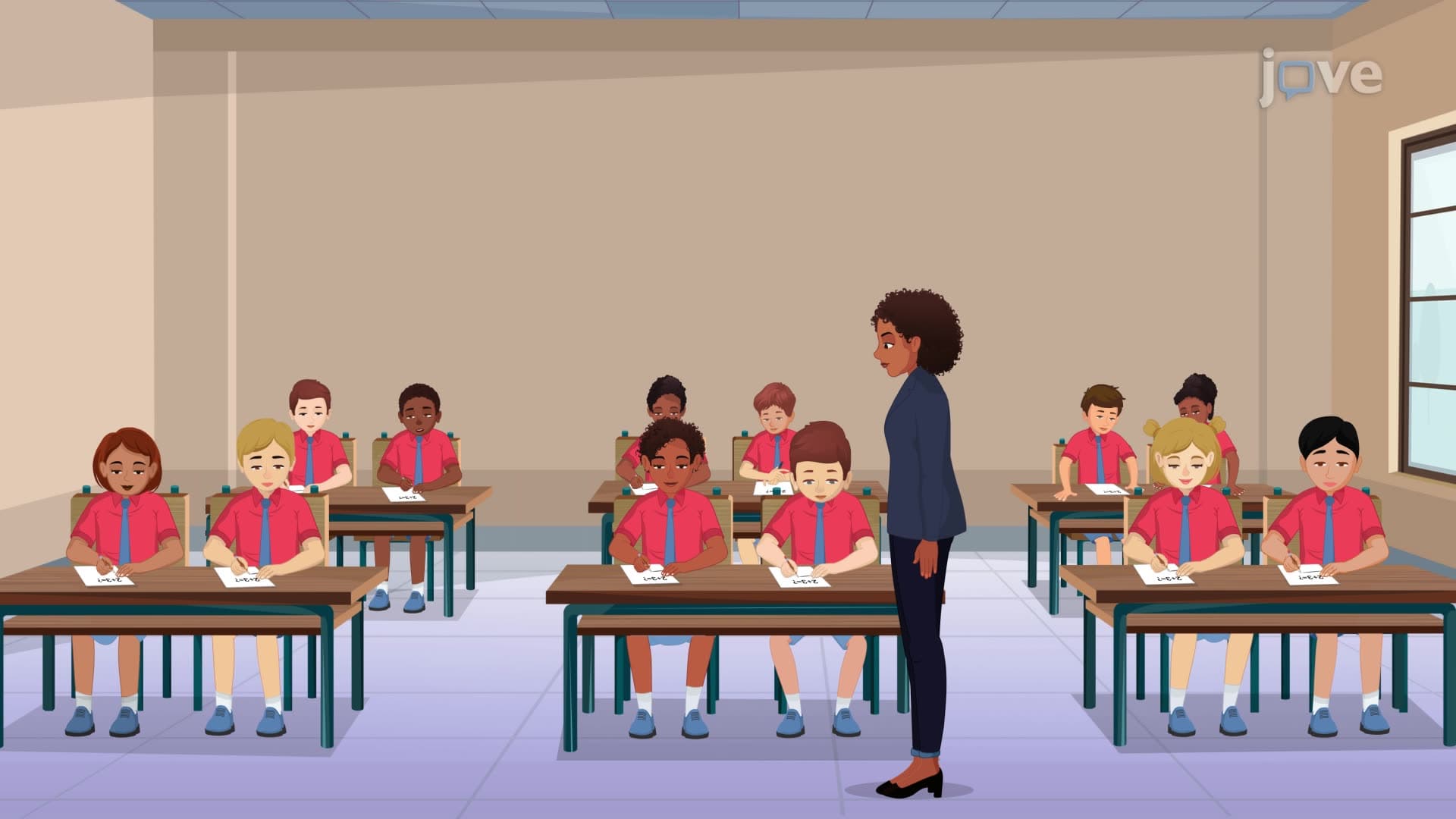
Event schemas organize our knowledge about routine behavioral sequences, deeply influencing how we interpret language in specific contexts. American students understand the unspoken rules of classroom discussions, library study sessions, and cafeteria interactions. These cultural scripts provide essential context for language comprehension.
What is language in detail when viewed through event schemas? It becomes a culturally-embedded system where meaning depends heavily on situational context. The phrase "Can you pass that?" means something entirely different during Thanksgiving dinner versus during a college chemistry lab. MCAT test-takers often encounter passages requiring them to understand how cultural event schemas influence communication patterns in healthcare settings.
Understanding schemata proves invaluable for academic performance across multiple subjects. In AP Literature, recognizing how authors manipulate reader schemas creates deeper textual analysis. College-bound students benefit from understanding how their own cultural schemas might differ from those assumed in standardized test passages.
This language concept also explains why context clues work so effectively in vocabulary building. When encountering unfamiliar words, successful students activate relevant schemas to make educated guesses about meaning-a strategy particularly useful for SAT verbal sections and college placement exams.
Related Micro-courses