Loading subject page…


54,058 views


Video Summary: What Is Triarchic Theory of Intelligence
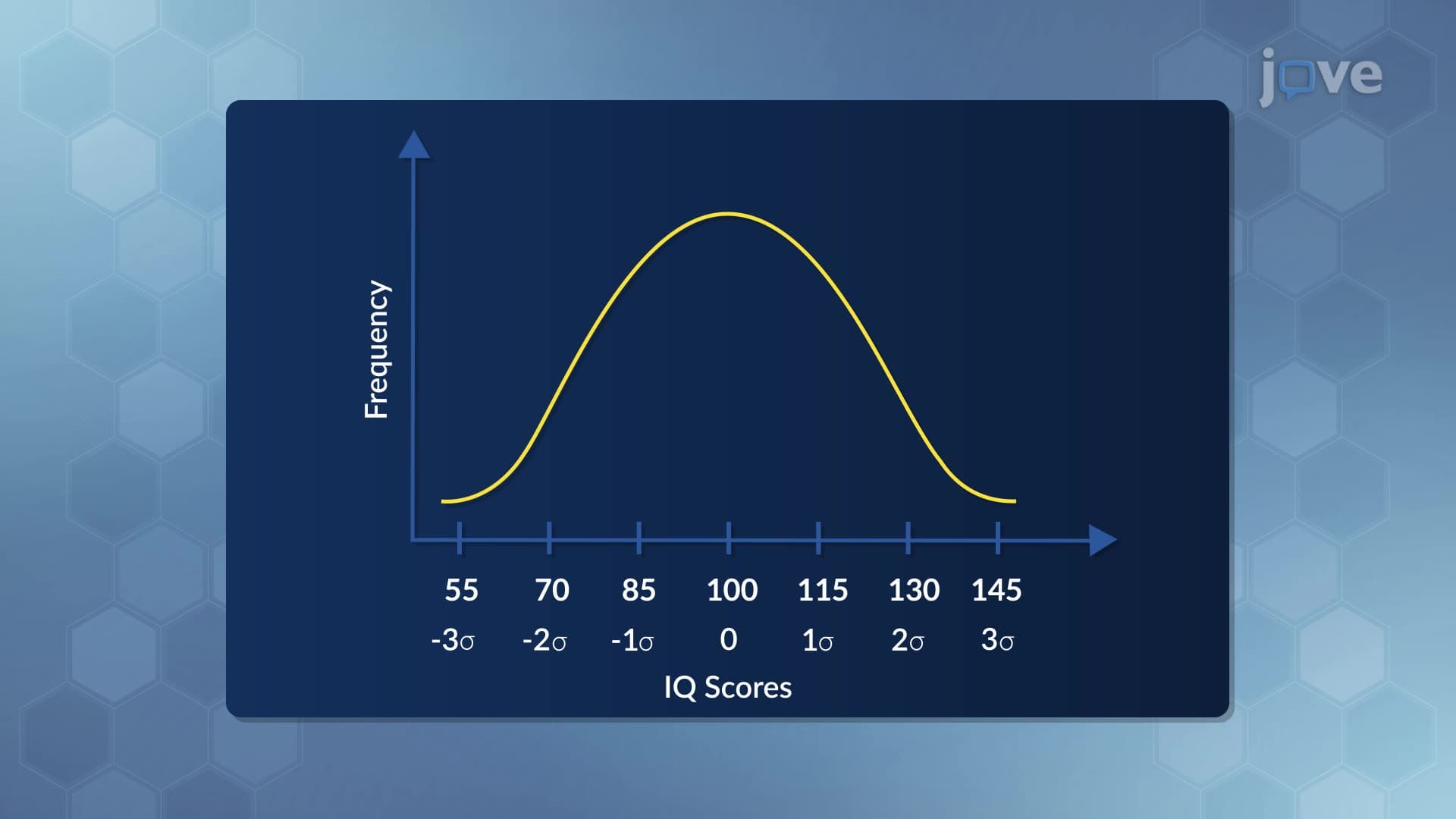
Did you know that traditional IQ tests might only measure one-third of your actual intelligence? The multiple intelligences theory, specifically Sternberg's Triarchic Theory, reveals that intelligence isn't just about solving math problems or acing standardized tests. Consider a student who struggles with calculus but excels at reading social situations and managing group projects-they're demonstrating practical intelligence that's equally valuable. The What is Triarchic Theory of Intelligence framework identifies three distinct yet interconnected forms of intelligence that shape how we navigate academic challenges and real-world situations. Watch the full video on JoVE Coach to master this concept with expert-led visuals and step-by-step explanations.
Robert Sternberg's groundbreaking theory revolutionizes how we conceptualize human intelligence by proposing that cognitive ability extends far beyond what traditional IQ tests measure. The multiple intelligences theory definition encompasses three interconnected yet distinct forms of intelligence that collectively determine how individuals navigate academic challenges, creative endeavors, and real-world situations. This comprehensive approach acknowledges that a student who excels on the SAT might struggle with interpersonal relationships, while another who finds standardized tests challenging might demonstrate exceptional leadership skills.
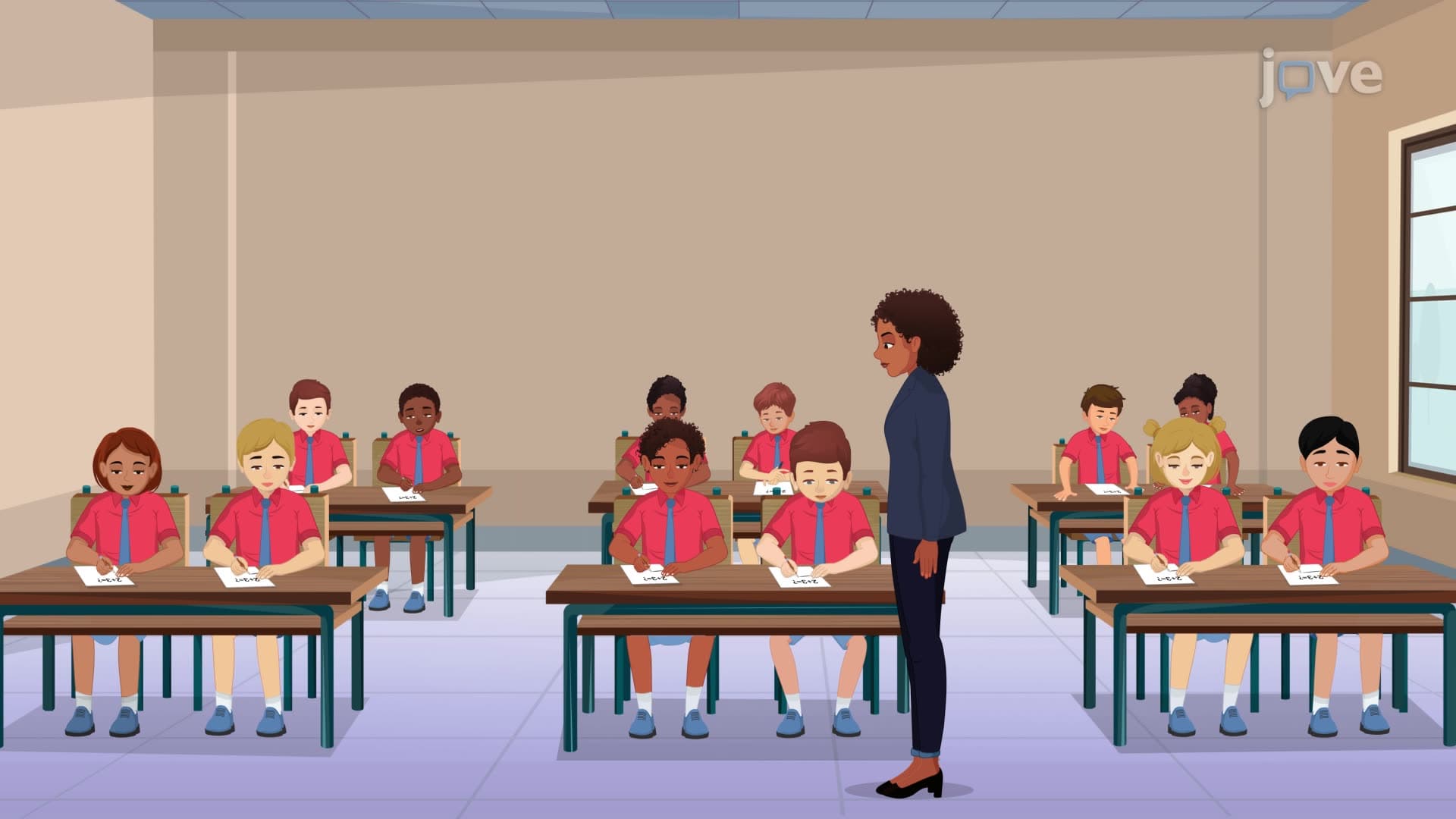
Analytical intelligence represents the traditional concept of "book smarts"-the ability to analyze, evaluate, and solve problems using logical reasoning. Students with strong analytical intelligence typically excel on standardized tests like the SAT, ACT, and AP exams because these assessments emphasize critical thinking and systematic problem-solving. For example, a high school student analyzing themes in *The Great Gatsby* for their AP Literature exam demonstrates analytical intelligence by comparing character motivations, evaluating symbolic meanings, and drawing logical conclusions about Fitzgerald's social commentary. This type of intelligence proves crucial for STEM courses, where students must break down complex mathematical equations or analyze scientific data to reach evidence-based conclusions.
Creative intelligence involves generating original ideas and finding novel solutions to unfamiliar problems. This form of intelligence becomes particularly evident when students encounter challenges that don't have predetermined solutions or established procedures. Consider a student participating in a science fair who develops an innovative water purification system for their community-they're demonstrating creative intelligence by combining existing knowledge in new ways. Creative intelligence also manifests in liberal arts contexts, such as when students craft unique interpretations of historical events or develop original artistic expressions. Unlike analytical intelligence, creative intelligence can't be easily measured through standardized testing, yet it remains crucial for innovation and adaptation in rapidly changing environments.
Practical intelligence, often called "street smarts," involves applying knowledge effectively in real-world situations and understanding social dynamics. Students with high practical intelligence excel at reading social cues, managing interpersonal relationships, and making decisions that consider multiple contextual factors. For instance, a student body president who successfully mediates conflicts between different student groups while organizing successful school events demonstrates practical intelligence. This type of intelligence proves invaluable during college interviews, internship applications, and group projects where social awareness and adaptability determine success. Medical students, for example, need practical intelligence to communicate effectively with patients and navigate complex healthcare environments beyond their clinical knowledge.
Related Micro-courses