Loading subject page…

719 views
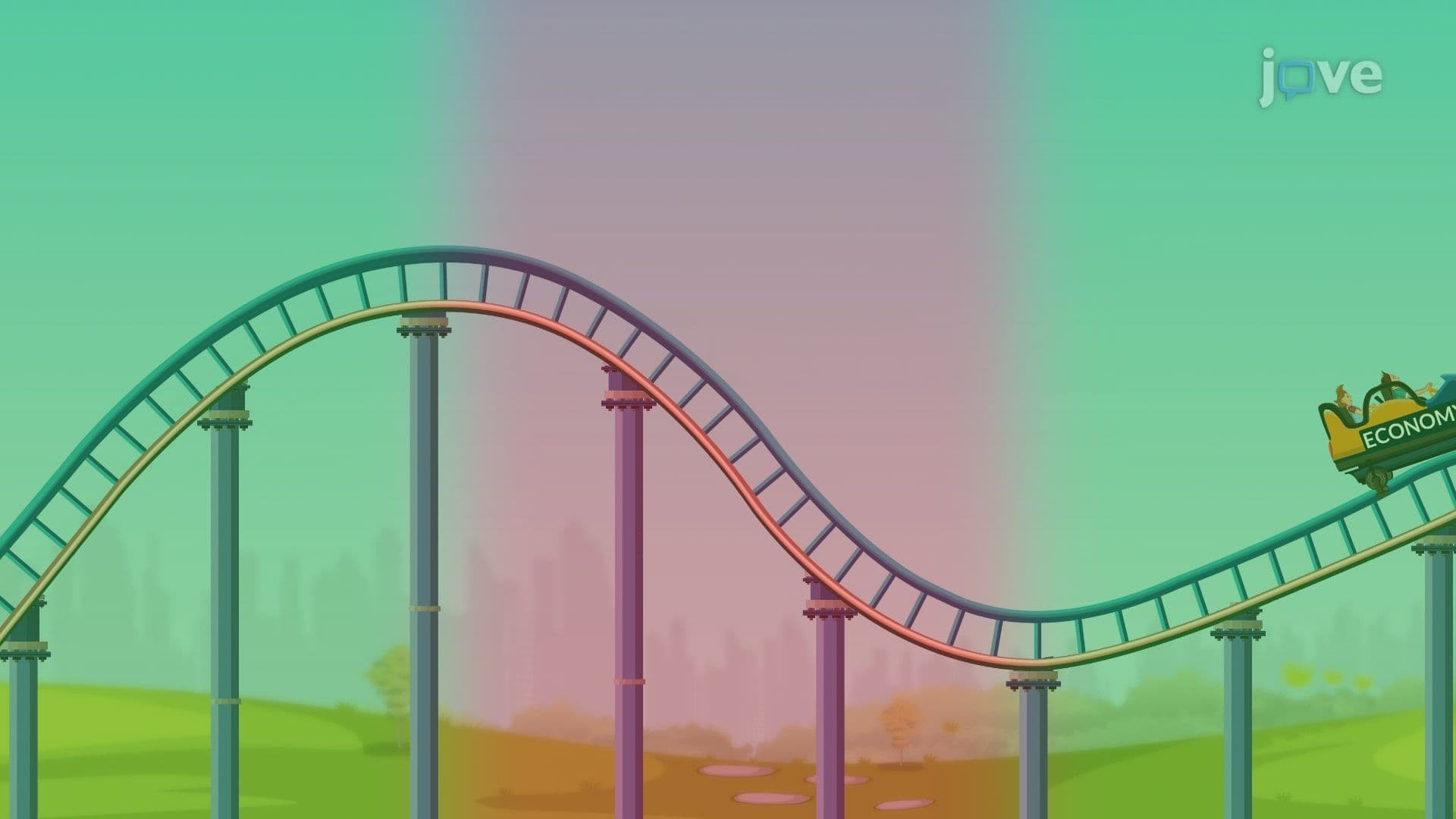

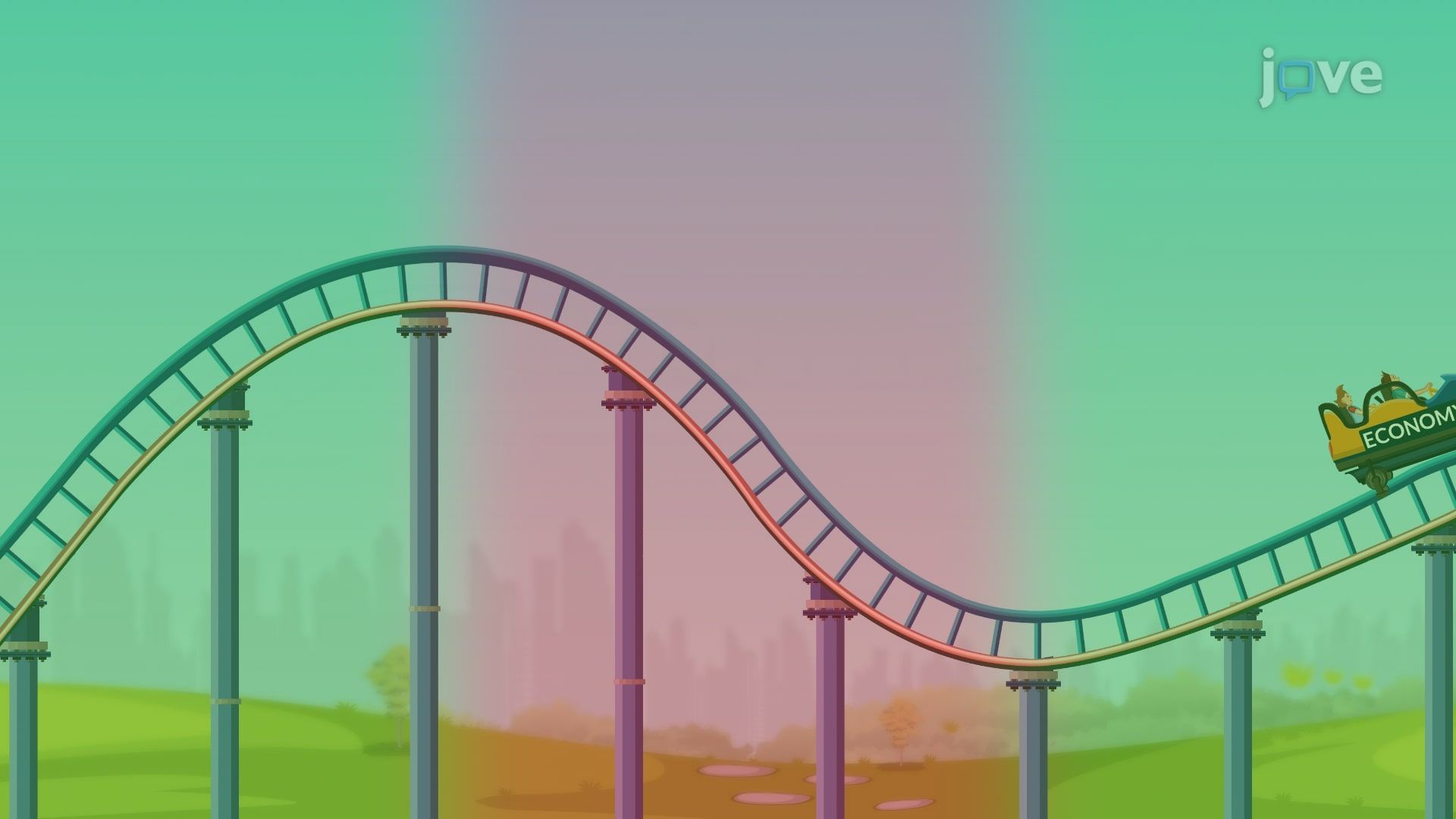
Video Summary: What are Business Cycles
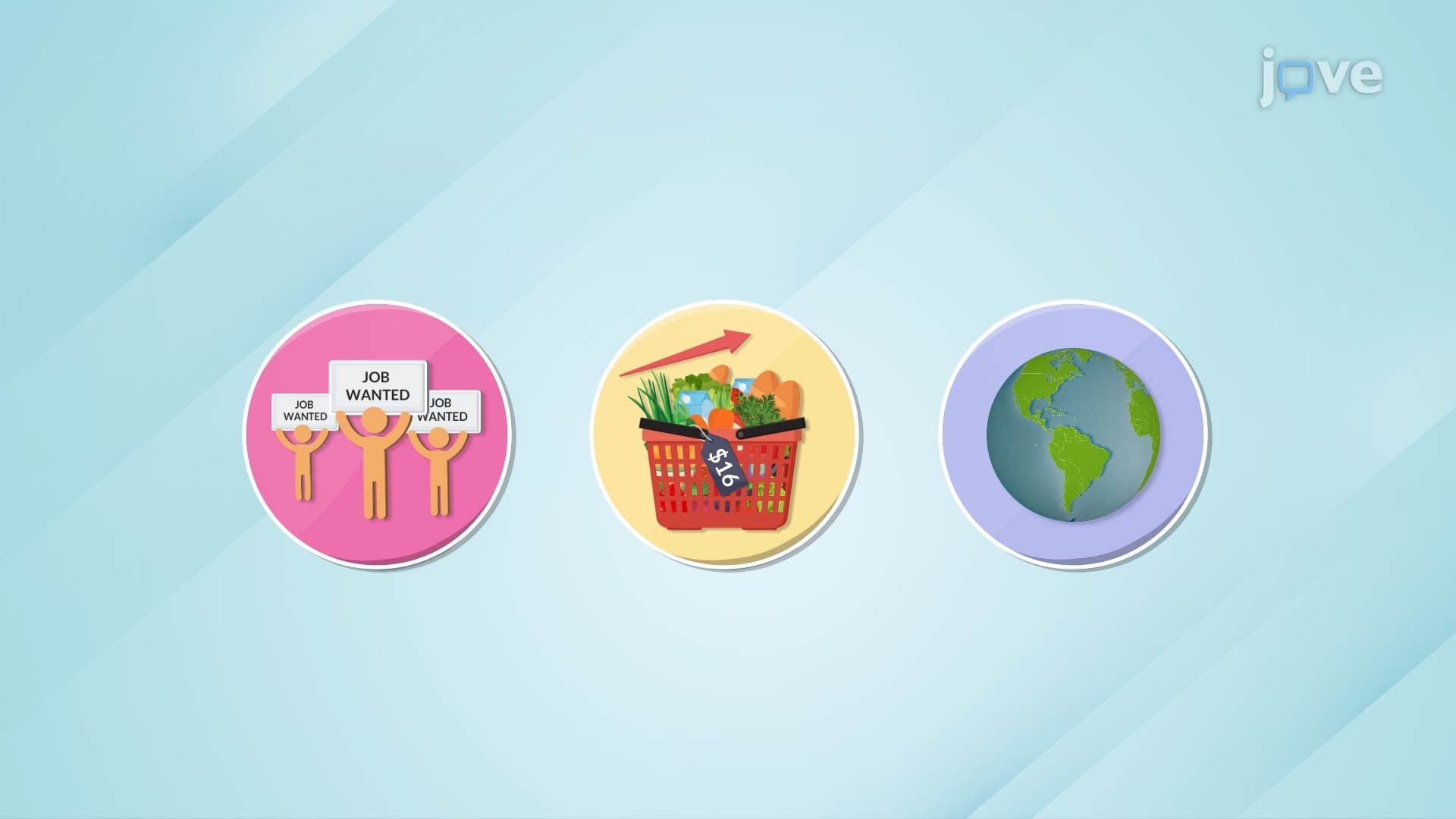
Ever wonder why your parents sometimes talk about "good economic times" versus "tough times"? Business cycles explain these recurring patterns of economic ups and downs that directly affect job availability, income levels, and consumer spending across the United States. During the dot-com boom of the late 1990s, technology companies flourished before crashing in 2001, perfectly illustrating how business cycles shape our daily lives. Watch the full video on JoVE Coach to master this concept with expert-led visuals and step-by-step explanations.
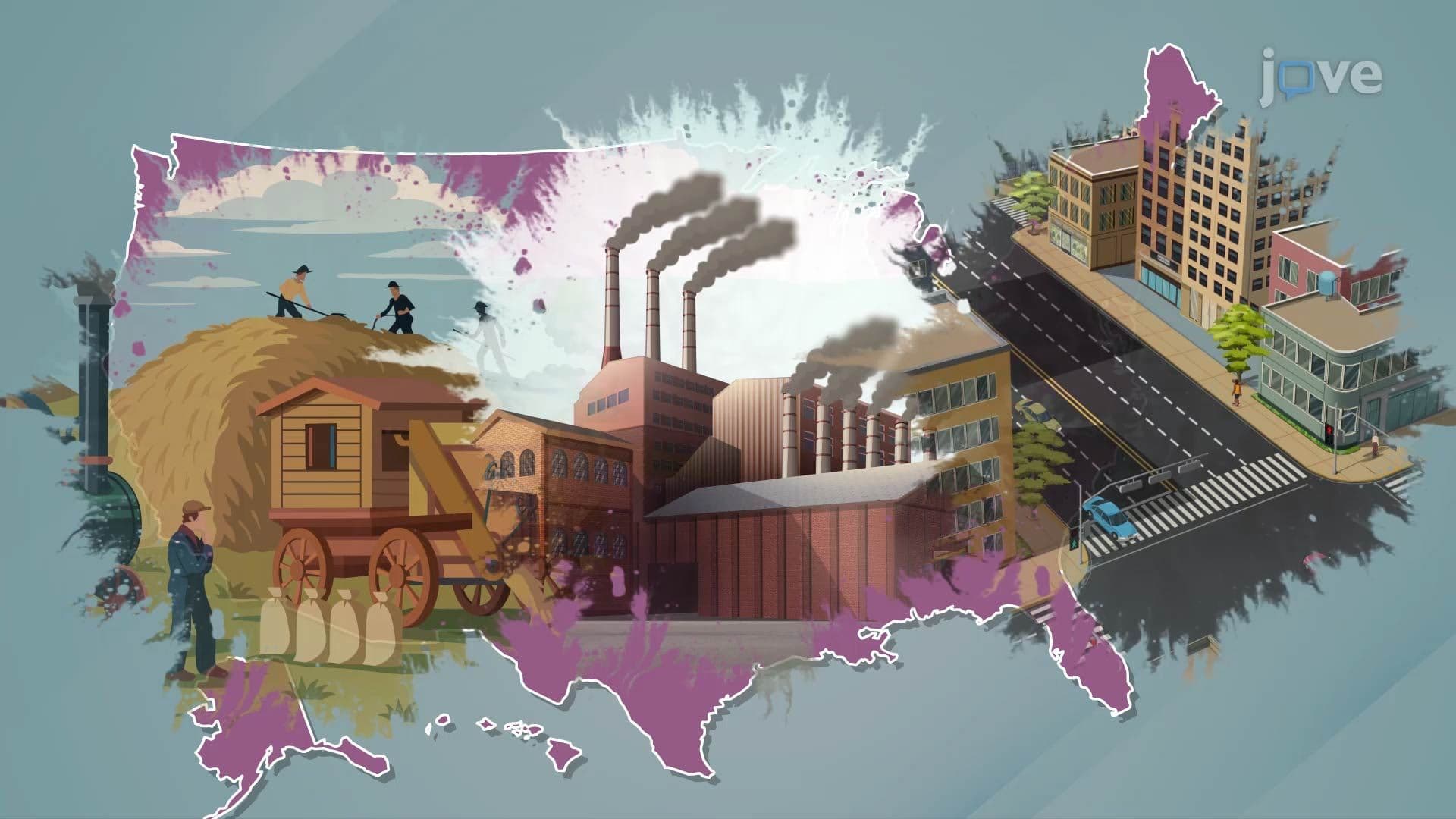
Business cycles represent the natural rhythm of economic activity, characterized by alternating periods of growth and decline in a nation's economic output. These cyclical patterns affect virtually every aspect of American economic life, from Wall Street trading floors to Main Street small businesses. Unlike random economic events, business cycles follow predictable phases that economists study to understand and forecast economic conditions.
Economic expansion marks the growth phase where GDP increases, unemployment falls, and business investment rises. During this period, companies hire more workers, consumers spend confidently, and stock markets typically perform well. The dot-com expansion of the 1990s exemplifies this phase, with technology stocks soaring and unemployment reaching historic lows.
The peak represents the cycle's highest point before economic activity begins declining. At this stage, the economy operates at or near full capacity, but warning signs like inflation or asset bubbles may emerge. The housing market peak in 2006 demonstrated this phase, with home prices reaching unsustainable levels.
Contraction or recession follows the peak, marked by declining GDP, rising unemployment, and reduced business activity. The 2008 financial crisis illustrates a severe contraction, where major banks failed, unemployment doubled, and consumer spending plummeted. This phase can last months or even years, significantly impacting American families and businesses.
The trough represents the cycle's lowest point, where economic decline stops and recovery begins. Following the 2009 trough, gradual economic improvement led to the longest expansion in U.S. history, lasting over a decade until the COVID-19 pandemic.
Students preparing for AP Economics exams frequently encounter business cycle questions, particularly regarding fiscal and monetary policy responses. College macroeconomics courses extensively cover how Federal Reserve decisions influence cycle timing and severity. Understanding these concepts proves essential for SAT Subject Tests in economics and provides foundational knowledge for business and finance majors.
Business cycles also explain current events students observe daily. The 2020 economic contraction due to pandemic lockdowns, followed by rapid recovery and subsequent inflation concerns, demonstrates how external shocks can disrupt normal cycle patterns. This real-time application helps students connect theoretical knowledge with contemporary economic challenges.
Related Micro-courses