Loading video…


 10 Concepts
 719 views

Video Summary: What are Tools of Macroeconomic Policy
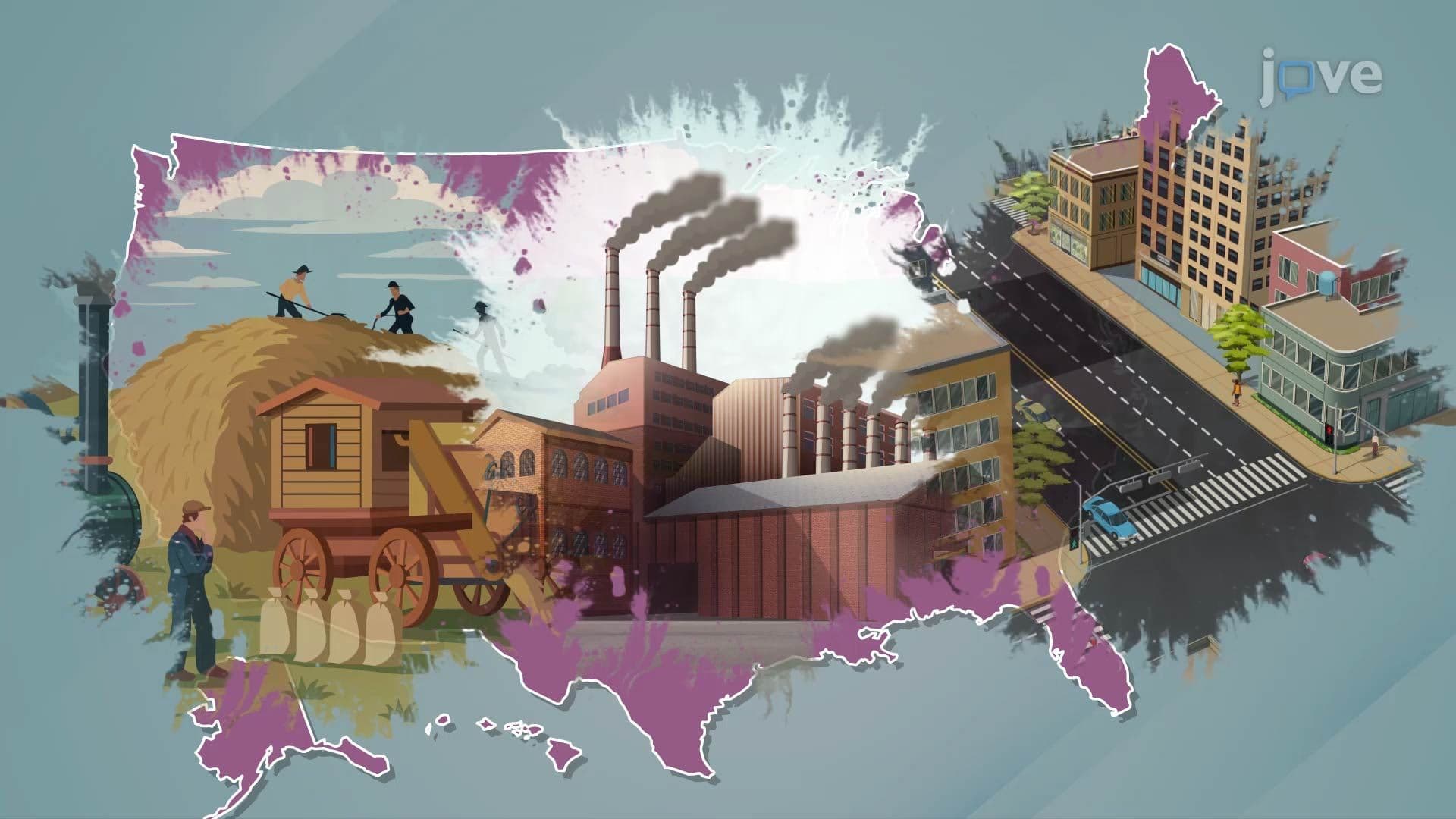
Did you know the Federal Reserve cut interest rates to nearly zero during the 2008 financial crisis? The tools of macroeconomic policy include fiscal and monetary measures that governments and central banks use to stabilize economies and promote growth. When the U.S. enacted a massive $787 billion stimulus package in 2009, it demonstrated how What are Tools of Macroeconomic Policy can respond to economic emergencies through coordinated government action. Watch the full video on JoVE Coach to master this concept with expert-led visuals and step-by-step explanations.
Macroeconomic policy tools represent the primary mechanisms through which governments and central banks influence national economic performance. These tools fall into two main categories: monetary policy and fiscal policy, each wielded by different institutions with distinct objectives and methods.
The Federal Reserve System serves as America's central bank, controlling monetary policy through several key instruments. Interest rate manipulation remains the most visible tool, where the Federal Open Market Committee (FOMC) adjusts the federal funds rate to influence borrowing costs throughout the economy. When rates drop, businesses find investment more attractive, while consumers increase spending on homes and cars.
Quantitative easing represents an unconventional monetary tool that gained prominence during the 2008 financial crisis. The Fed purchased massive quantities of government bonds and mortgage-backed securities, injecting liquidity directly into financial markets when traditional rate cuts proved insufficient. This approach helped prevent a deeper recession and demonstrated how central banks adapt their toolkit during extraordinary circumstances.
Fiscal policy operates through government spending and taxation decisions made by Congress and the President. The American Recovery and Reinvestment Act of 2009 exemplified expansionary fiscal policy, combining infrastructure investments, unemployment benefit extensions, and tax credits to stimulate economic demand. This $787 billion package targeted specific sectors while providing broad-based economic support.
Contractionary fiscal measures, though politically challenging, help cool overheated economies. The Budget Control Act of 2011 demonstrated how spending restraints can reduce fiscal deficits, though economists debate the timing and magnitude of such measures.
Students studying for AP Macroeconomics exams should understand how these tools interact. When both fiscal and monetary policy move in the same direction-both expansionary during recessions or both contractionary during inflation-their effects amplify. However, conflicting policies can create economic uncertainty.
College-level coursework often examines policy lags: recognition lag (identifying economic problems), implementation lag (enacting policies), and impact lag (seeing results). Understanding these delays helps explain why economic recovery often takes years rather than months, making these concepts crucial for SAT Subject Tests and undergraduate economics courses.
Related Micro-courses