Loading subject page…

719 views

Video Summary: What Is Long Run Economic Growth
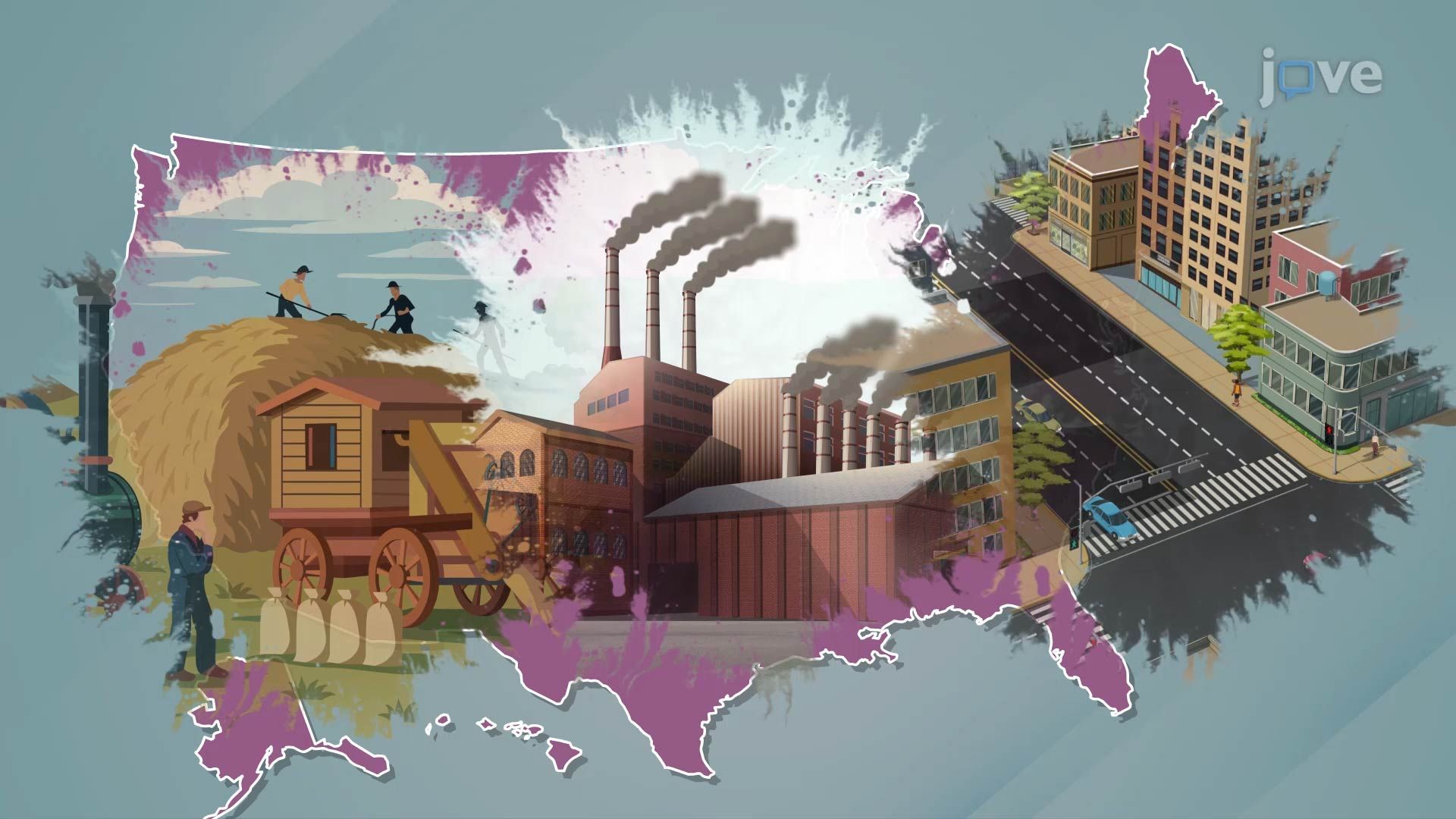
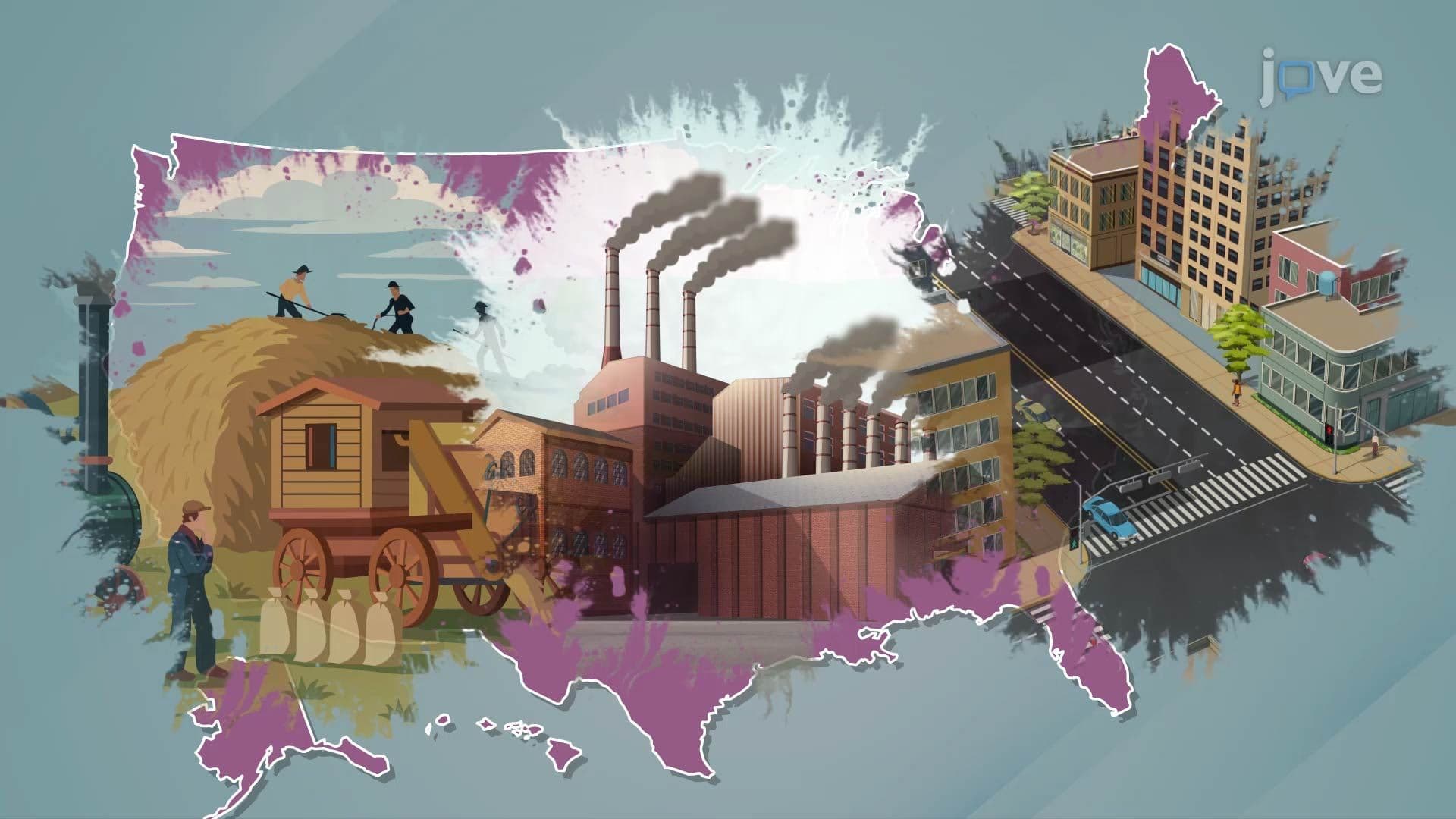
Why does Silicon Valley thrive while other regions with similar resources struggle economically? Long run economic growth explains how sustained increases in a nation's productive capacity create lasting prosperity over decades. The United States transformed from an agricultural economy in the 1800s to today's innovation powerhouse through consistent investment in education, technology, and infrastructure-demonstrating what is long run economic growth in action. Watch the full video on JoVE Coach to master this concept with expert-led visuals and step-by-step explanations.
Long run economic growth refers to the sustained increase in a country's real GDP per capita over extended periods, typically measured across decades or generations. Unlike short-term economic cycles that create temporary booms and busts, long run economic growth represents fundamental improvements in an economy's productive capacity and living standards. This concept is central to understanding why some nations achieve prosperity while others remain trapped in poverty cycles.
The long run economic growth definition explained encompasses three critical components: increased productivity, technological advancement, and capital accumulation. When economists study this phenomenon, they focus on factors that create permanent rather than temporary economic improvements. For students preparing for AP Economics or college macroeconomics courses, understanding this distinction is crucial for analyzing economic data and policy effectiveness.
Several interconnected factors determine a nation's capacity for long run economic growth. Human capital development stands as perhaps the most critical element-countries that invest heavily in education and skill development consistently outperform those that neglect workforce development. The United States exemplifies this principle through its world-class university system and emphasis on STEM education, which has fueled innovation in sectors from biotechnology to information technology.
Physical capital accumulation also plays a vital role. Nations that consistently invest in infrastructure, manufacturing equipment, and research facilities create the foundation for sustained productivity gains. Consider how America's interstate highway system, developed in the 1950s and 1960s, revolutionized commerce and contributed to decades of economic growth by reducing transportation costs and connecting markets.
Technological progress serves as the ultimate driver of long run economic growth. Unlike other factors that eventually face diminishing returns, technological innovation can continuously push the boundaries of what's economically possible. The digital revolution demonstrates this principle perfectly-companies like Apple, Google, and Microsoft didn't just create new products; they fundamentally transformed how entire industries operate.
For students studying this long run economic growth concept explained, it's important to recognize that technological advancement often requires supportive institutions. Patent protection, research funding, and educational systems that encourage innovation all contribute to creating an environment where breakthrough technologies can emerge and flourish.
Strong institutions provide the framework within which long run economic growth can occur. Property rights protection, rule of law, and government effectiveness create the stability that businesses need to make long-term investments. Countries with weak institutions often struggle to achieve sustained growth, even when they possess abundant natural resources. This explains why nations like Norway and Canada, with strong institutional frameworks, have leveraged their natural resource wealth more effectively than countries with similar endowments but weaker governance structures.
Related Micro-courses