Loading subject page…

1,382 views

Video Summary: Exclusions in Gdp Calculation Ii Tutorial
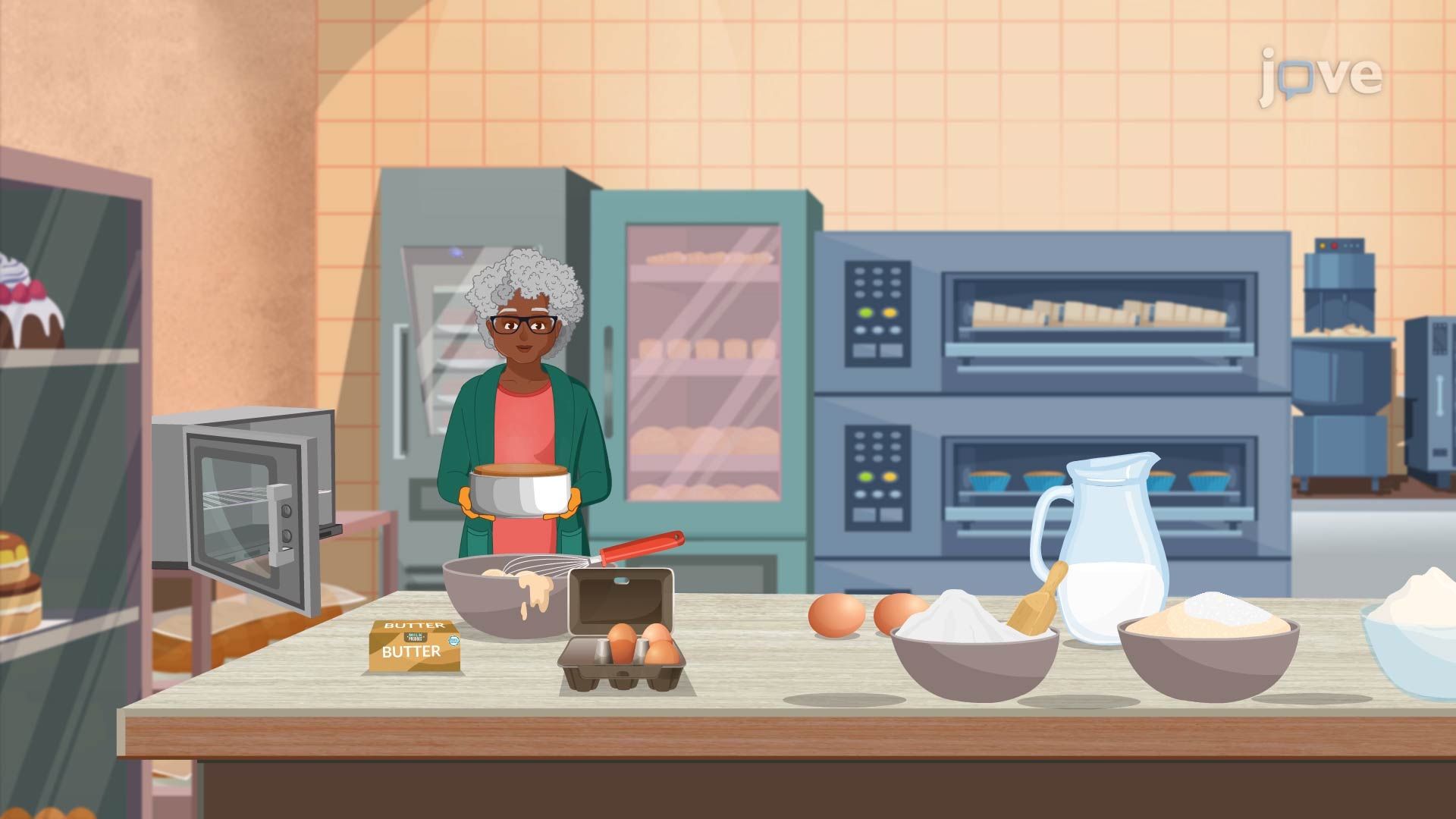
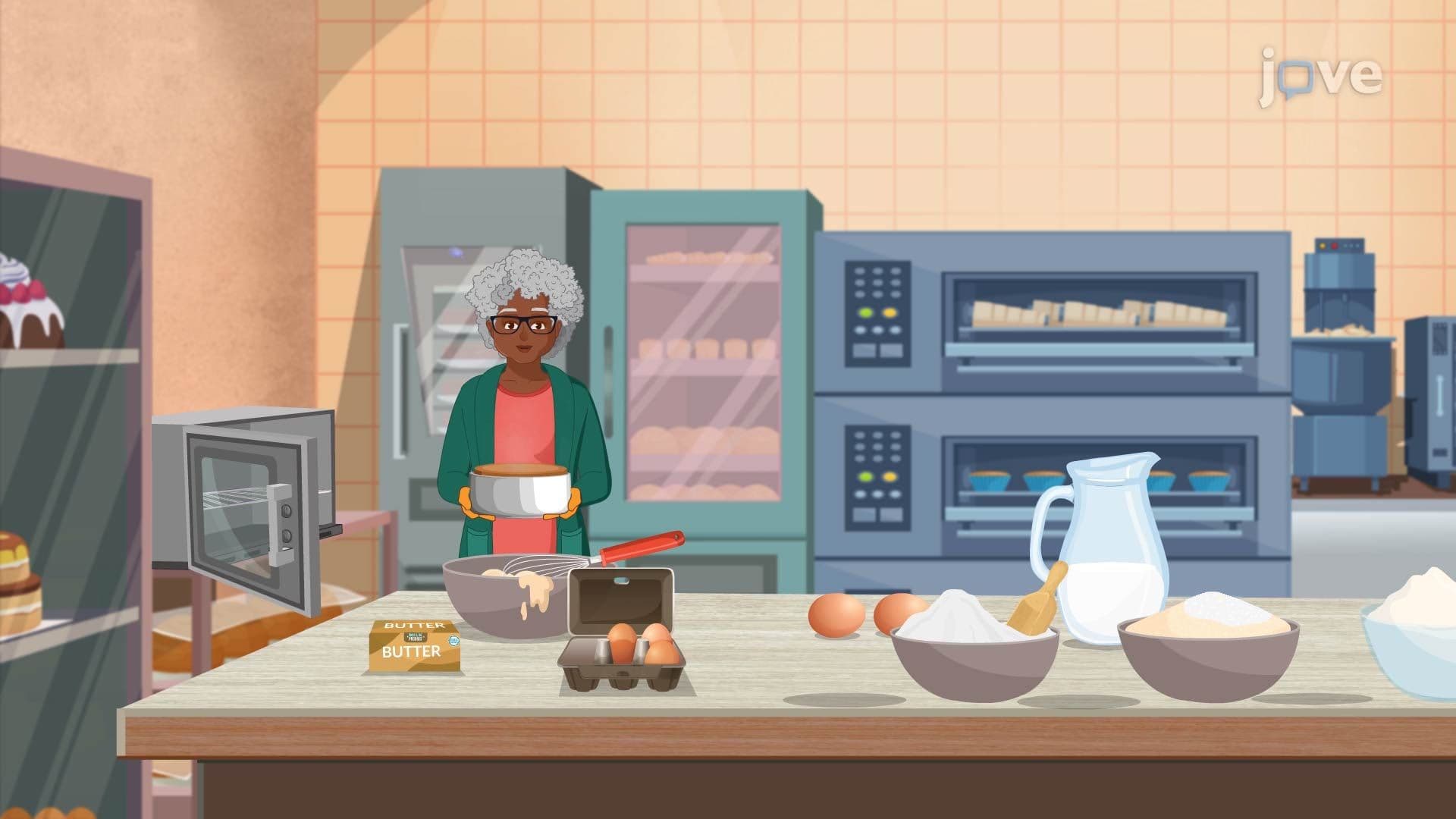
Why doesn't buying Apple stock count toward America's GDP, even though it involves millions of dollars? Exclusions in GDP calculation reveal surprising gaps in how economists measure our nation's economic output. When Sarah buys flour to bake cakes for her business, only the final cake sale price counts-not the ingredient costs-illustrating how intermediate goods are excluded to prevent double-counting. This Exclusions in GDP Calculation II Tutorial demonstrates critical economic measurement principles every student should master. Watch the full video on JoVE Coach to master this concept with expert-led visuals and step-by-step explanations.
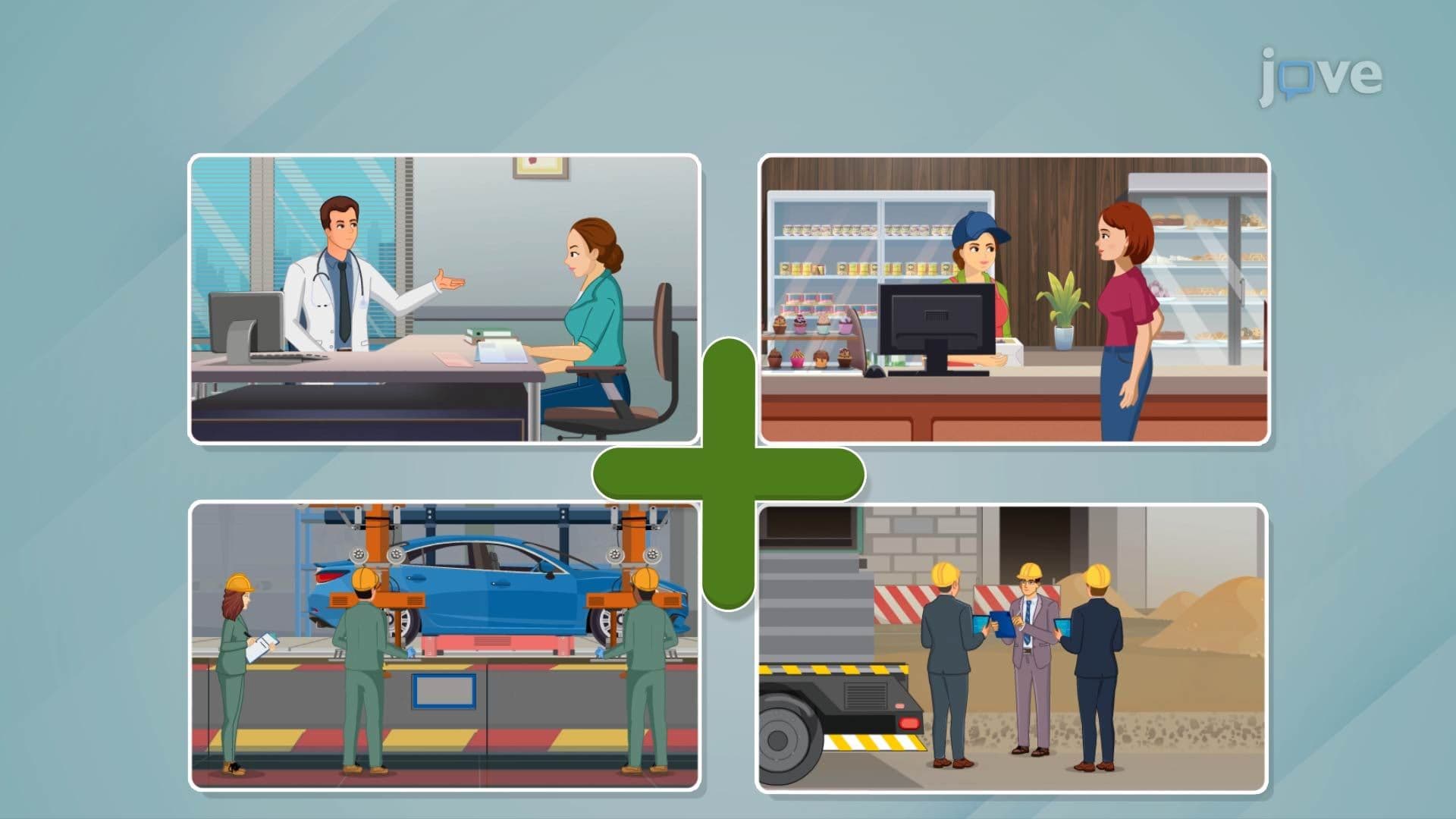
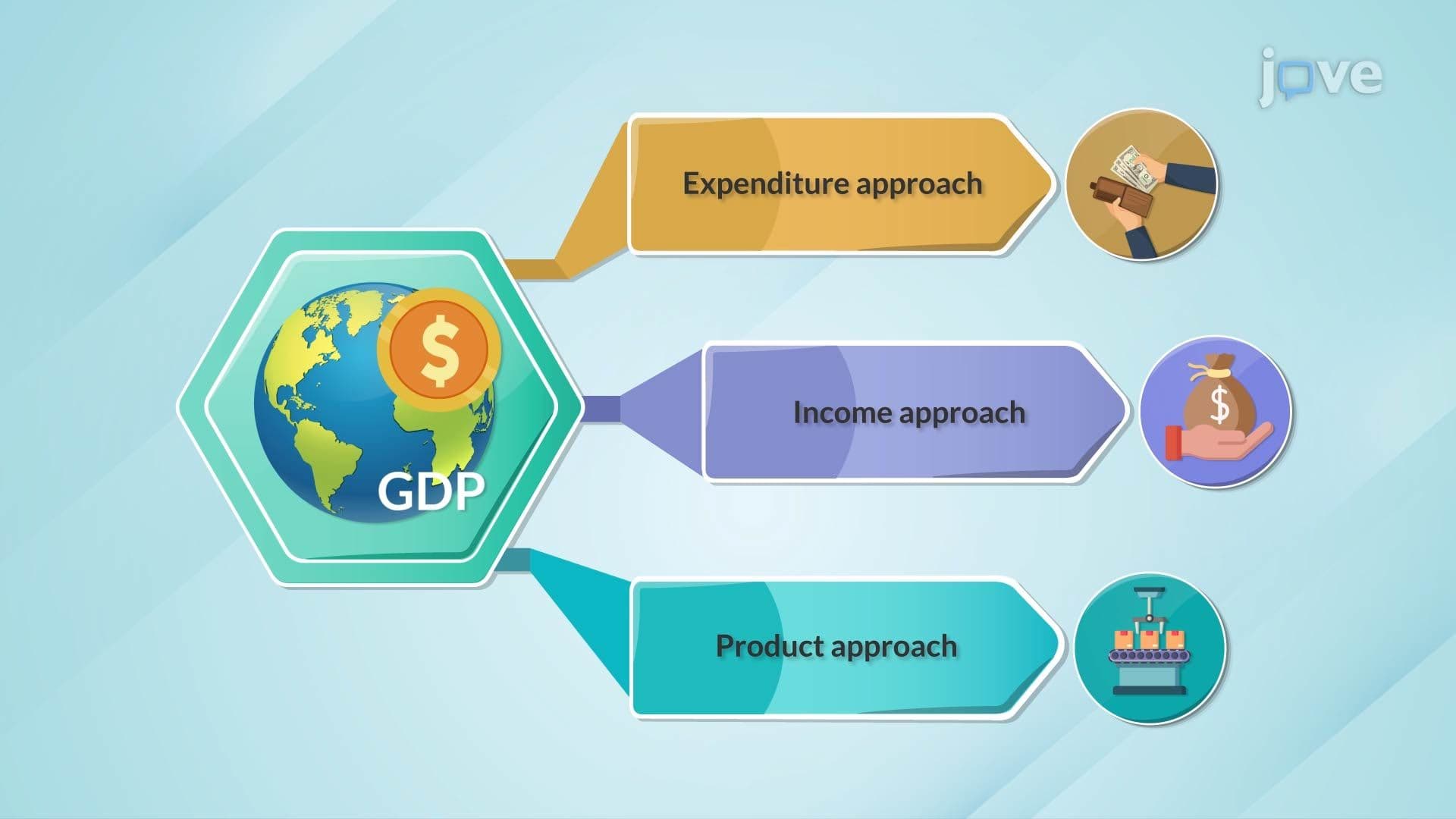
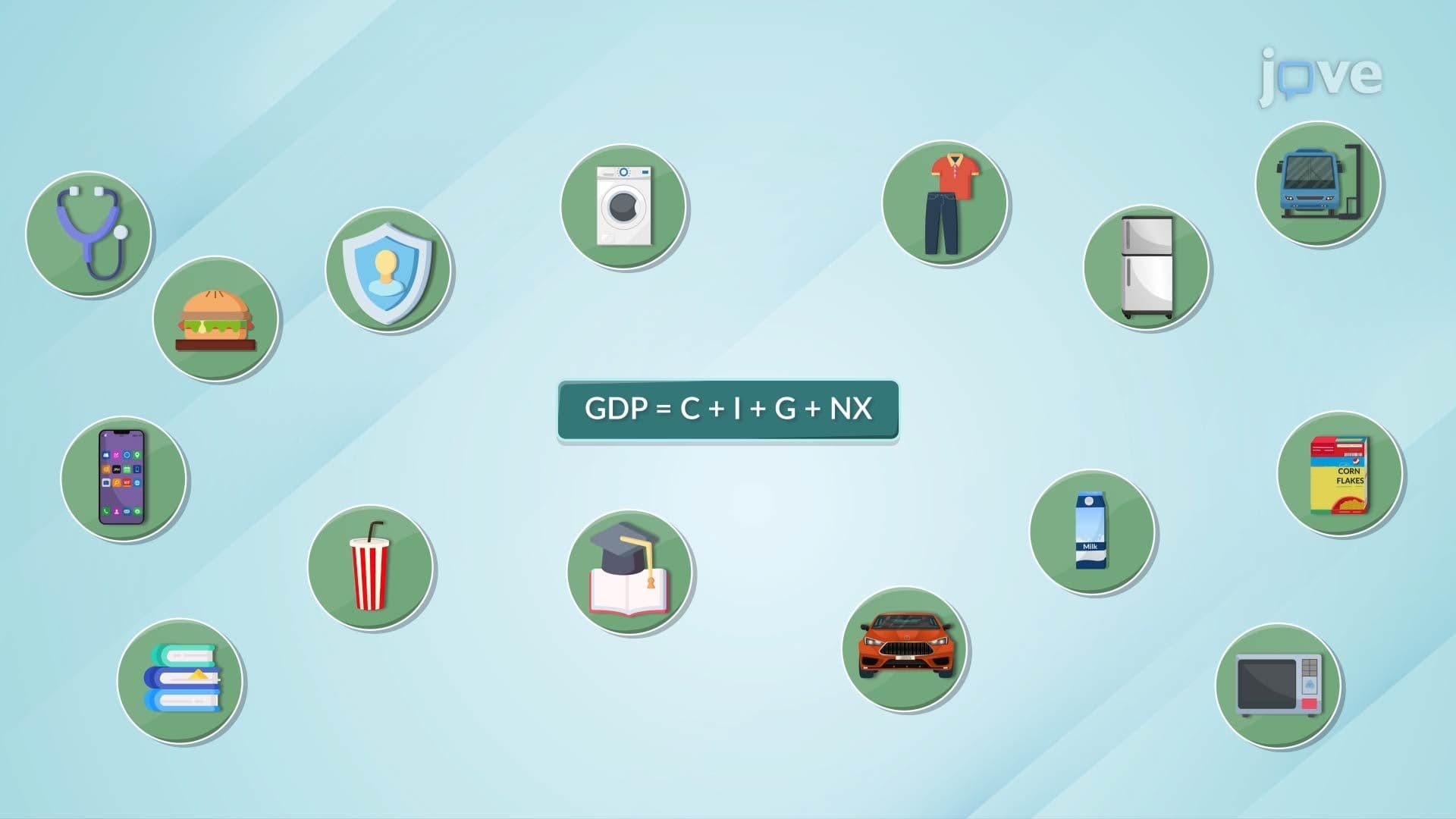
Gross Domestic Product (GDP) measures the total monetary value of all finished goods and services produced within the United States during a specific period. However, exclusions in GDP calculation are equally important to understand, as they prevent double-counting and ensure accurate economic measurement. These exclusions follow specific economic principles that students encounter on AP Economics exams, college macroeconomics courses, and standardized tests like the SAT Subject Tests.
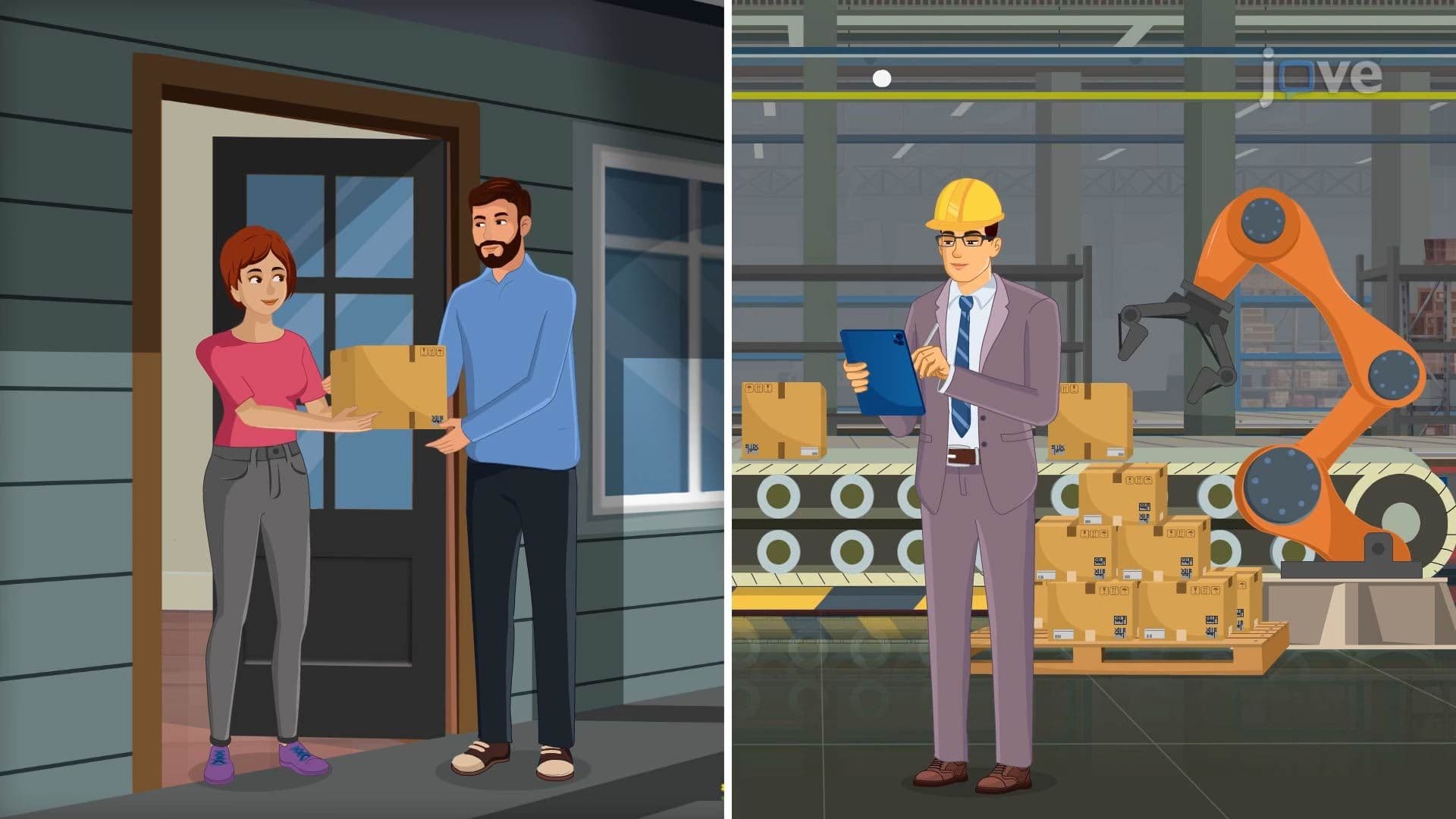
The most critical exclusion involves intermediate goods-raw materials and components used to produce final goods. When Walmart purchases flour from a distributor to sell in stores, that flour sale isn't counted in GDP if customers use it for home baking. However, if a commercial bakery like Pepperidge Farm purchases the same flour to produce packaged bread, only the final bread sale contributes to GDP. This prevents the flour's value from being counted multiple times as it moves through the production chain.
Stock market transactions represent another major exclusion in GDP calculation. When investors trade shares of companies like Tesla or Microsoft on NASDAQ, these transactions don't create new goods or services-they simply transfer ownership of existing assets. The $50 billion in daily stock trading volume doesn't increase America's productive capacity or output. Similarly, bond purchases, real estate resales, and cryptocurrency exchanges are excluded because they represent asset transfers rather than new production.
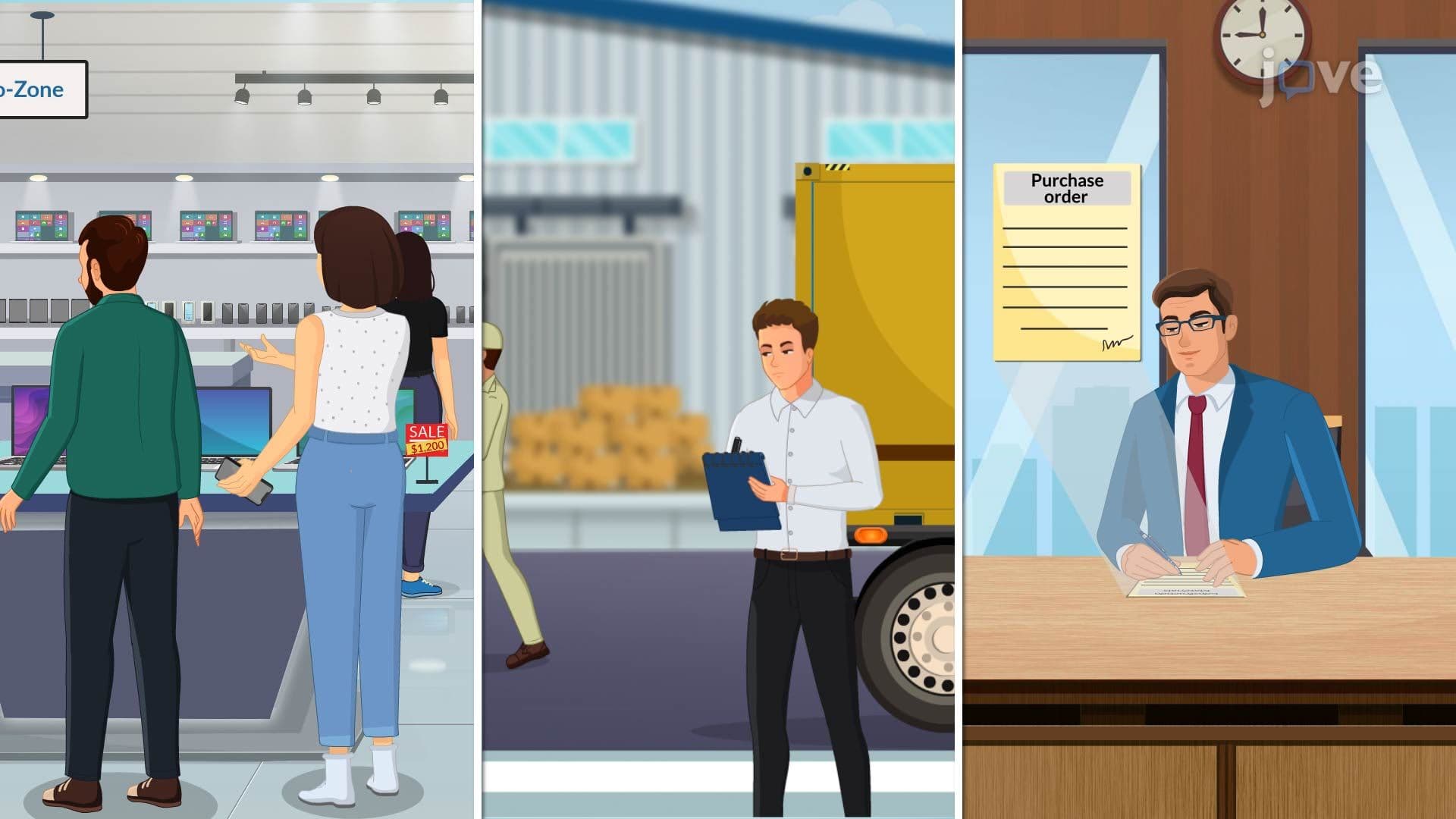
This principle extends to used goods markets. When someone sells a 2015 Honda Civic on Craigslist, that transaction doesn't count toward current GDP because the car was already counted when Honda originally manufactured and sold it in 2015. Only the dealer's service fee (if sold through a dealership) might contribute as a current service.
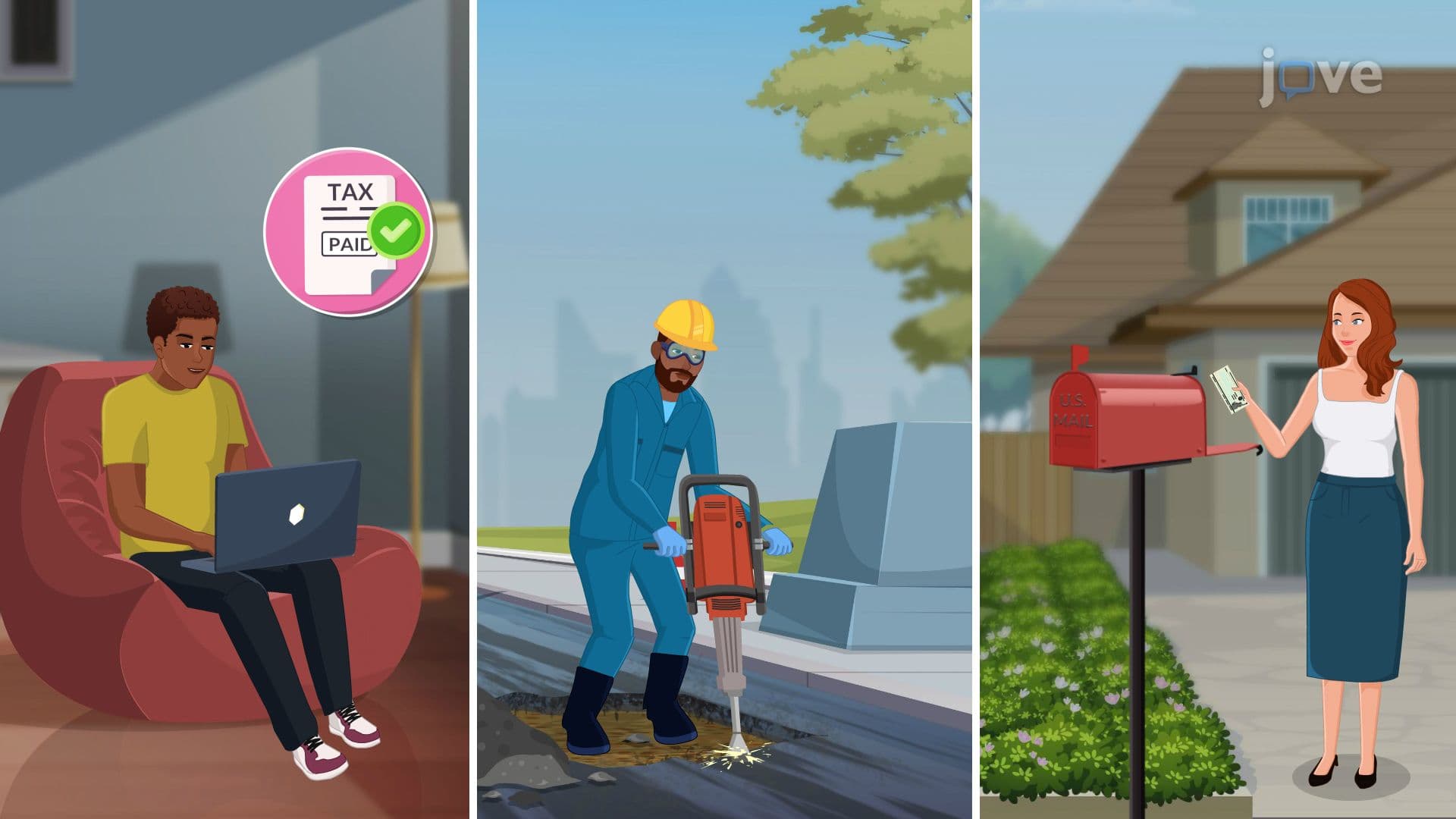
Transfer payments constitute significant exclusions in GDP calculation that students often misunderstand. Social Security benefits, unemployment insurance, welfare payments, and veterans' benefits redistribute existing money rather than compensate for current production. When the Social Security Administration distributes $1.3 trillion annually to beneficiaries, this doesn't reflect new goods or services created-it's a transfer from working taxpayers to retirees and disabled individuals.
Environmental impacts present complex exclusion scenarios. When ExxonMobil's oil refining contributes to air pollution affecting Houston residents' health, GDP doesn't subtract these negative externalities. Conversely, when California residents install solar panels that reduce carbon emissions, these environmental benefits aren't added unless purchased through market transactions. This limitation makes GDP an incomplete measure of societal well-being, leading economists to develop alternative metrics like Genuine Progress Indicator (GPI) and Gross National Happiness.
Understanding these exclusions proves essential for AP Economics students, where GDP calculation questions frequently appear on both multiple-choice and free-response sections. College macroeconomics courses emphasize these concepts when covering national income accounting and economic indicators. Students should practice identifying scenarios involving intermediate goods, transfer payments, and financial transactions to master this topic for academic success.
Related Micro-courses