Loading video…


 26 Concepts
 1.4K views

Video Summary: Factor Cost Vs Market Price Explained
Ever wonder why your morning coffee costs $5 at Starbucks when the beans, labor, and overhead might only add up to $2? The difference lies in understanding factor cost market price dynamics. Factor cost represents the actual production expenses businesses incur, while market price includes taxes and subsidies that affect what consumers pay. For instance, gasoline factor costs include crude oil, refining, and transportation, but federal and state taxes significantly increase the pump price Americans see. Watch the full video on JoVE Coach to master this concept with expert-led visuals and step-by-step explanations.
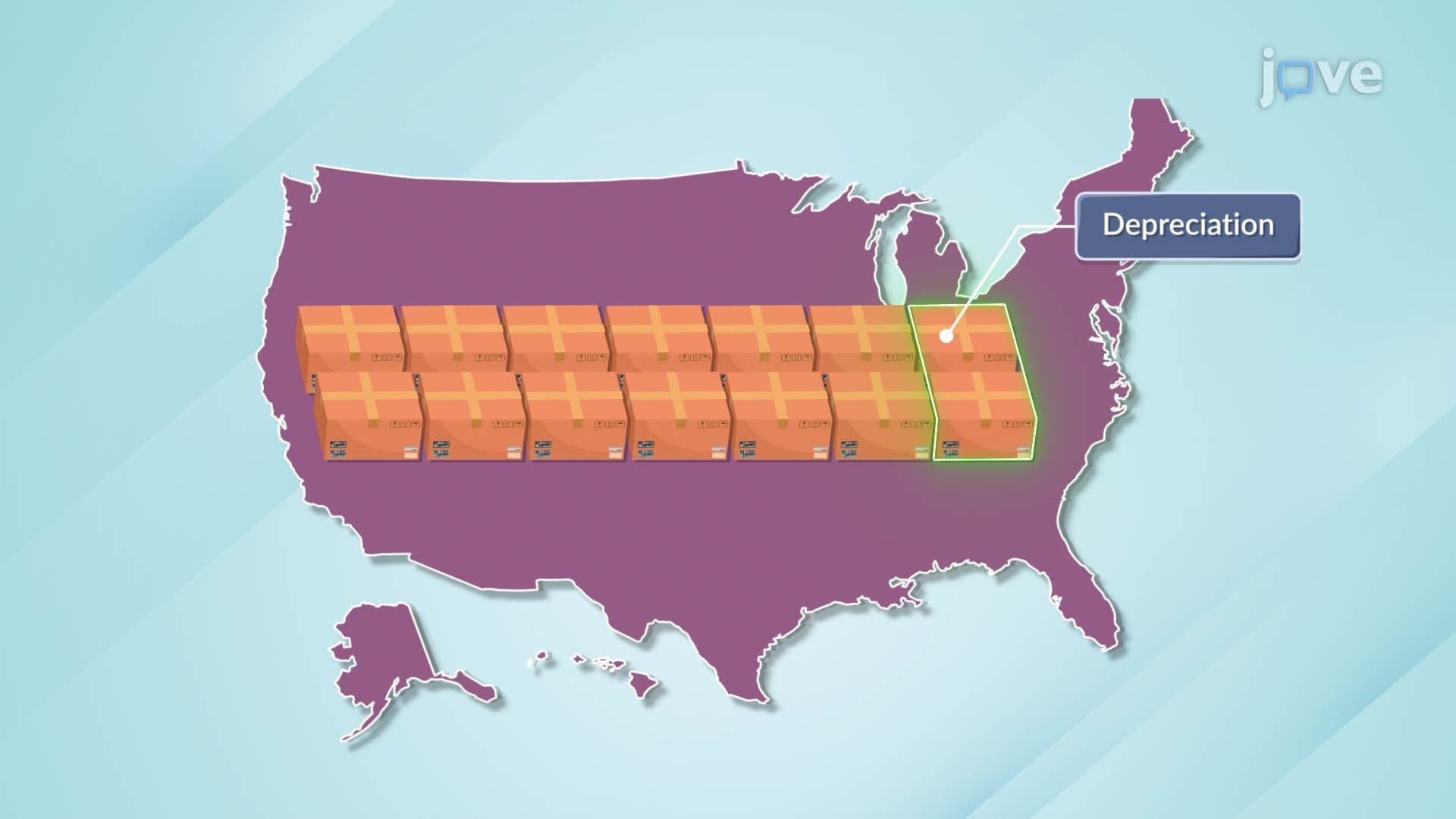
Factor cost represents the true economic cost of production-the actual expenses businesses incur to create goods and services. This includes wages paid to workers, rent for facilities, raw material costs, equipment depreciation, and reasonable profit margins. Think of factor cost as the "wholesale" perspective of economic value.
Market price, conversely, reflects what consumers actually pay in the marketplace. This final price incorporates factor costs plus government interventions like sales taxes, excise taxes, and import duties, minus any subsidies or rebates that reduce consumer costs.
Consider Apple's iPhone production. The factor cost includes semiconductor components, assembly labor in manufacturing facilities, research and development expenses, and corporate profits. However, American consumers pay market prices that include federal excise taxes on electronics and state sales taxes, which can add 8-10% to the base cost.
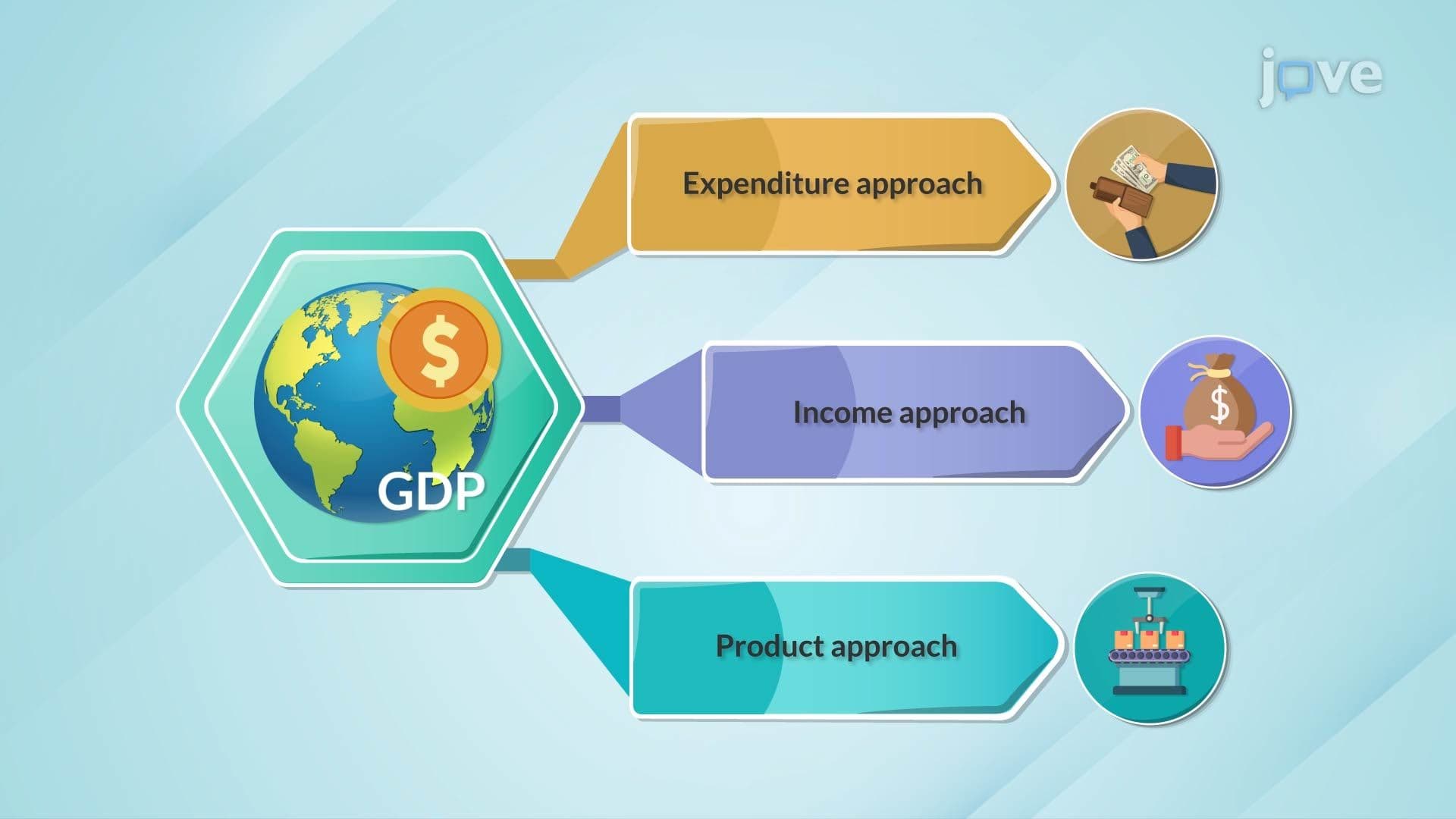
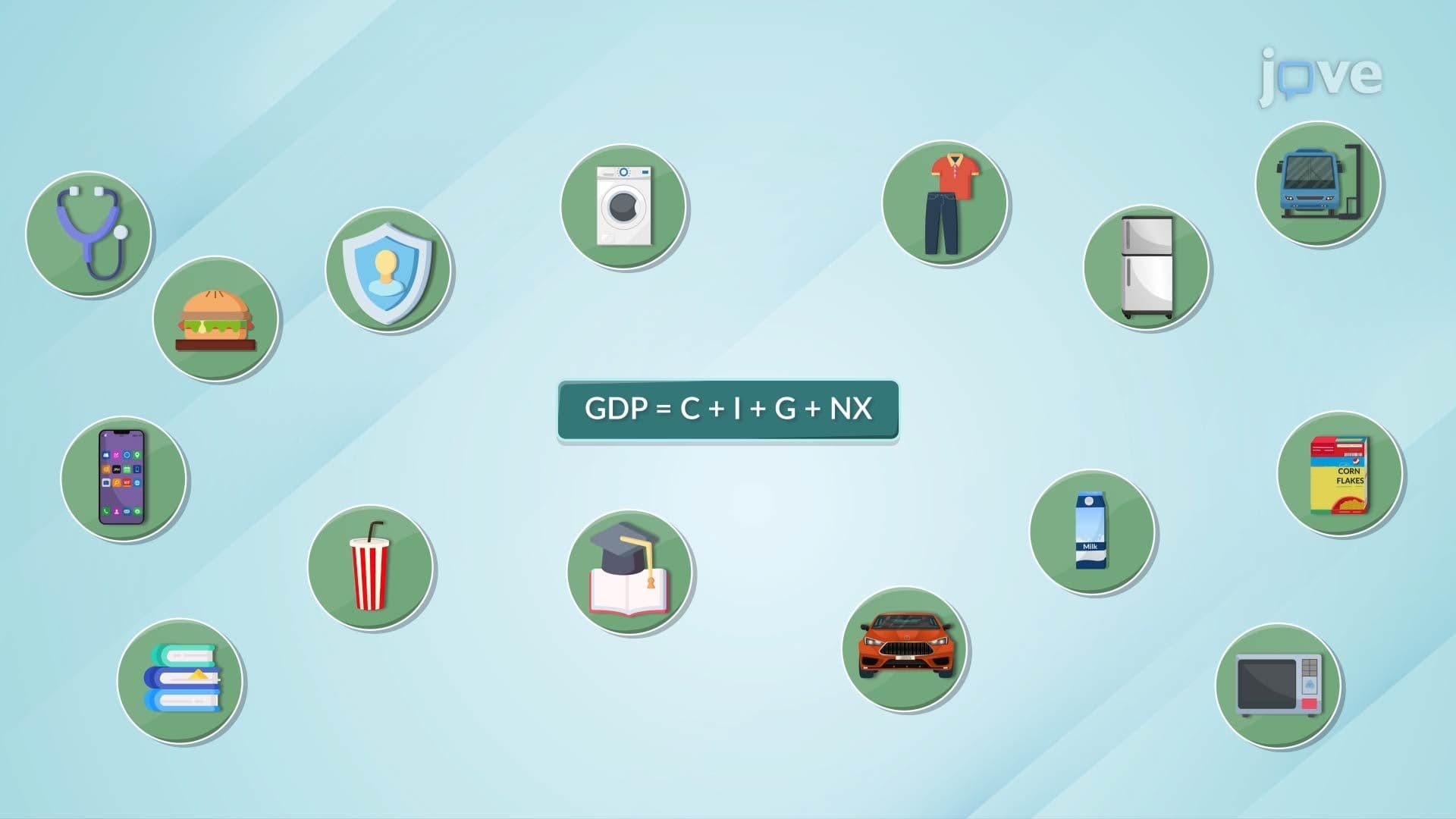
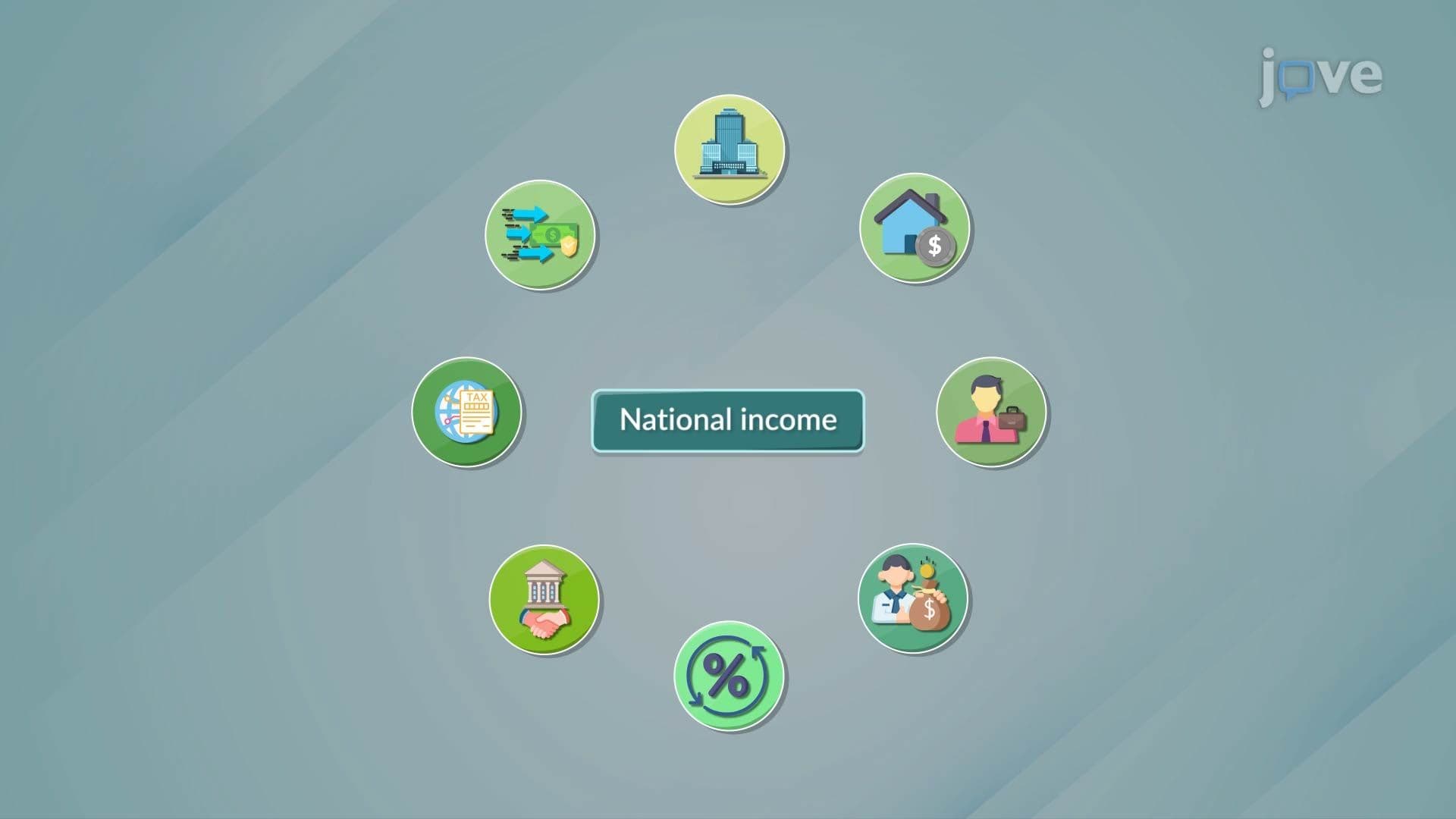
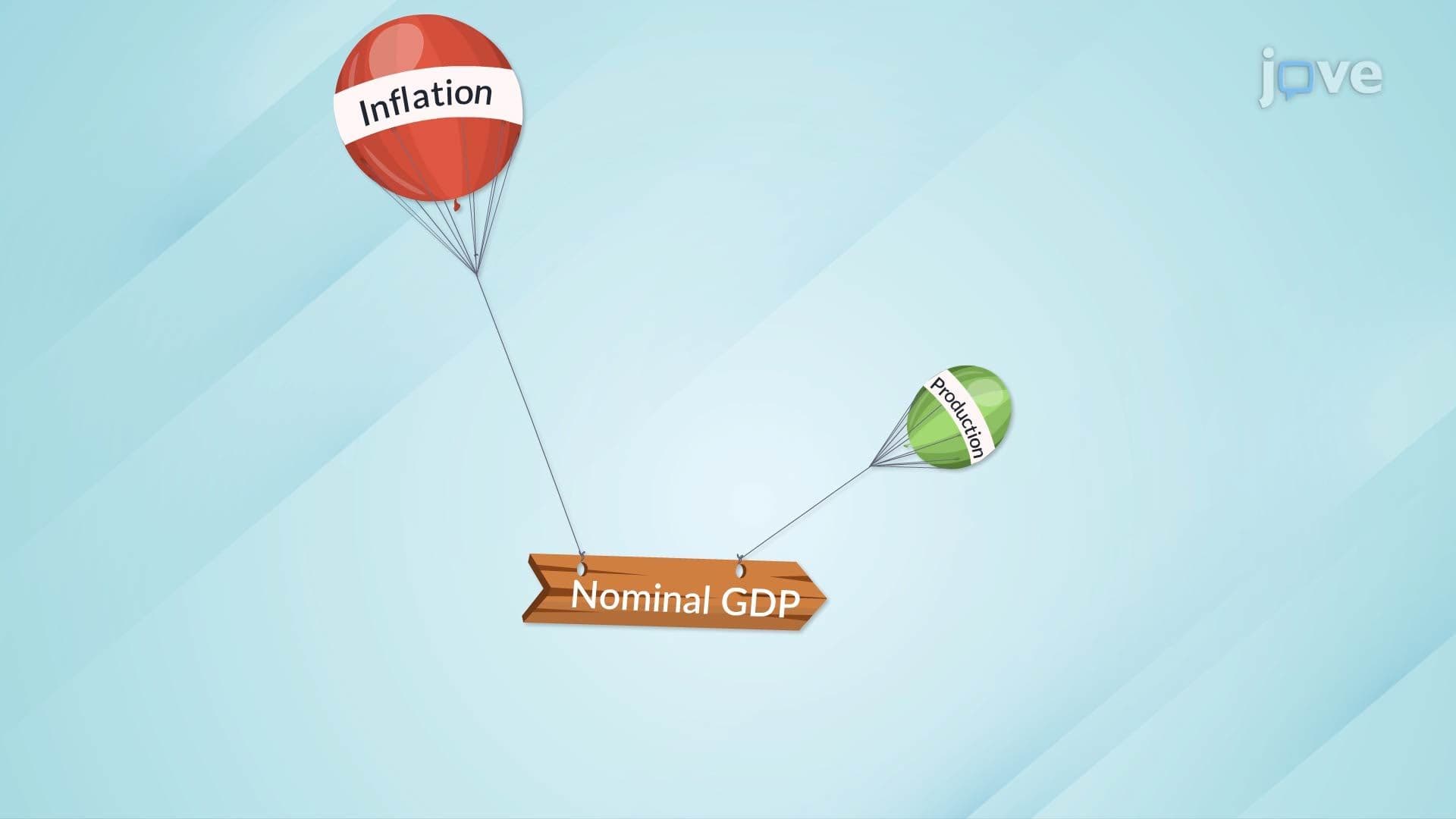
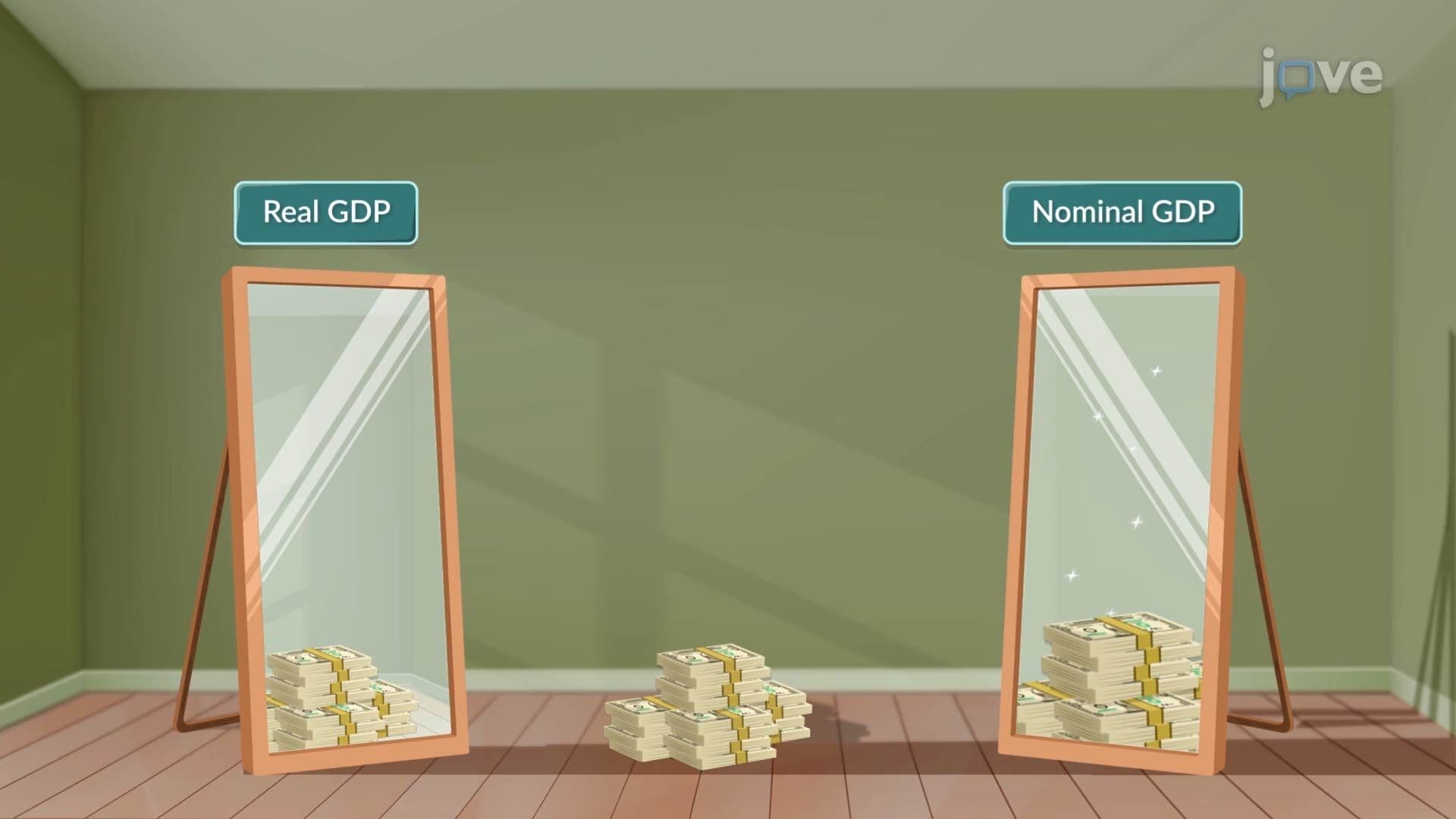
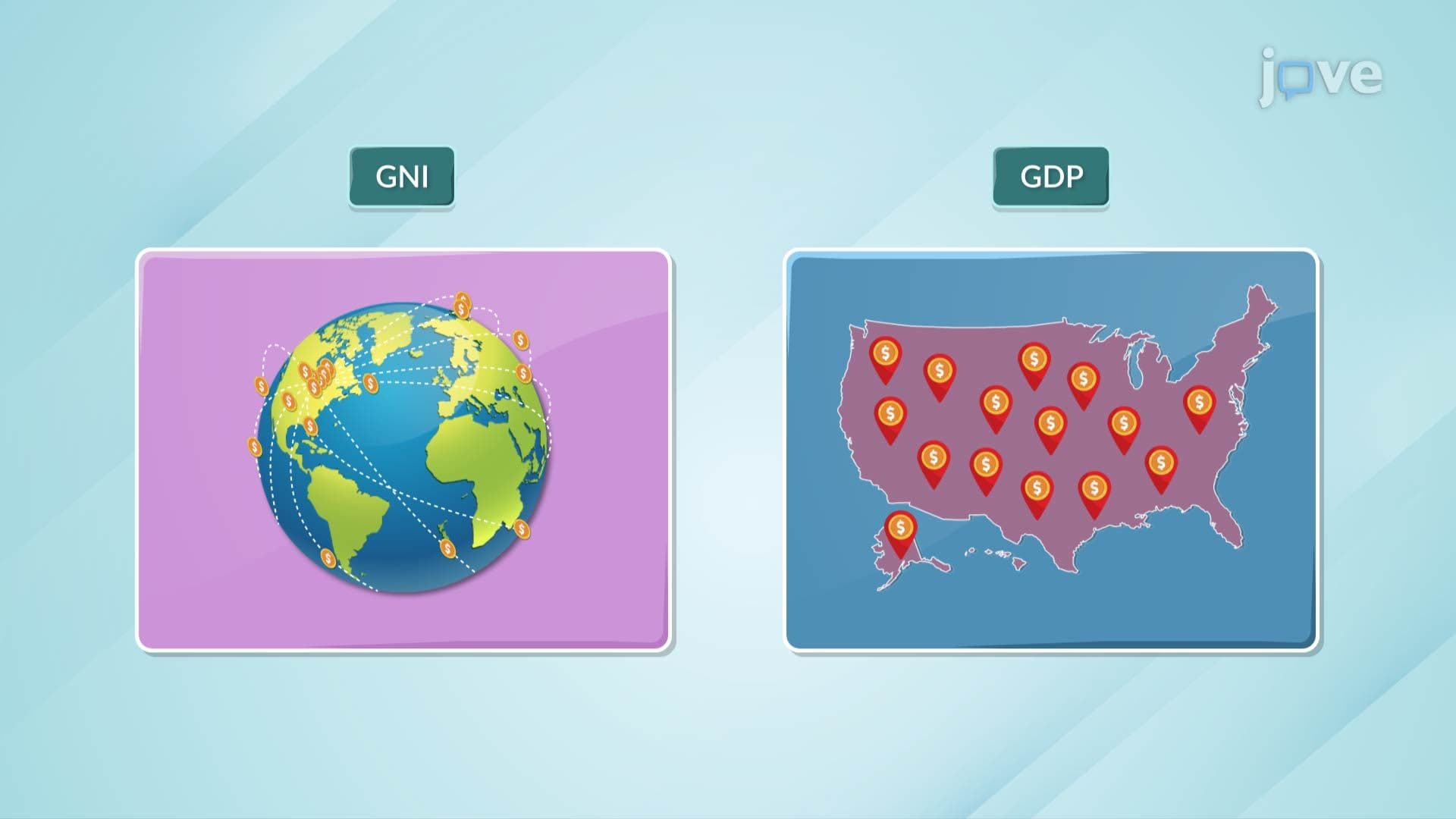
This distinction becomes crucial for factor cost overview analysis in macroeconomics. When economists calculate Gross Domestic Product (GDP), they must choose between factor cost and market price perspectives to avoid double-counting or misrepresenting economic activity.
Government intervention creates the primary divergence between factor costs and market prices. Indirect taxes-such as sales tax, gasoline tax, and luxury taxes-increase market prices above factor costs. The Trump administration's steel tariffs, for example, raised market prices for American steel consumers while domestic steel factor costs remained relatively stable.
Conversely, subsidies reduce market prices below factor costs. Federal corn subsidies lower market prices for corn-based products, making everything from breakfast cereal to ethanol fuel cheaper for consumers than factor costs would suggest.
For AP Economics students and college undergraduates, mastering this concept is essential for understanding GDP calculations, inflation measurements, and policy analysis. The Bureau of Economic Analysis uses both factor cost and market price methodologies when reporting economic statistics, and standardized tests frequently examine students' ability to distinguish between these approaches.
This concept also appears prominently in business courses, where students learn how companies must consider both their internal costs (factor costs) and external market conditions (including taxes and subsidies) when developing pricing strategies and financial projections.
Related Micro-courses