Loading video…

 26 Concepts
 1.4K views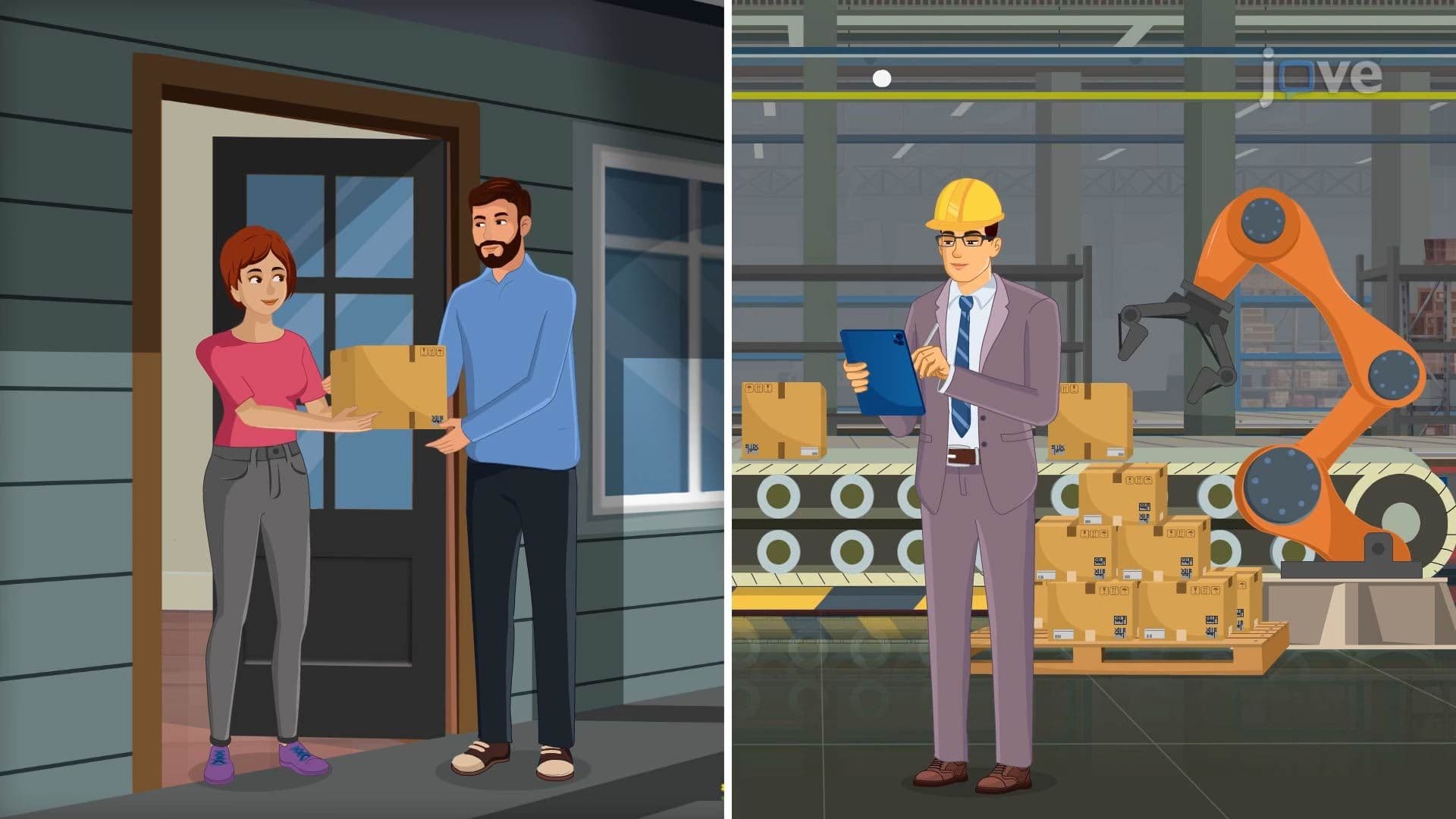

Video Summary: What Is Circular Flow Two Sector
Ever wonder how money flows through the US economy when you buy your morning coffee at Starbucks? The circular flow two sector model reveals this fascinating economic dance between households and businesses. This fundamental economic framework shows how American families spend their income on goods and services while simultaneously earning money by working for companies. Think of it like a giant economic merry-go-round where dollars continuously circulate between consumers and producers. Watch the full video on JoVE Coach to master this concept with expert-led visuals and step-by-step explanations.
The circular flow two sector model serves as economics' most fundamental framework for understanding how market economies operate. This simplified representation strips away government, international trade, and financial markets to focus exclusively on the essential relationship between households and businesses. For high school students preparing for AP Economics or college undergraduates tackling introductory macroeconomics, mastering this concept provides the foundation for understanding more complex economic models.
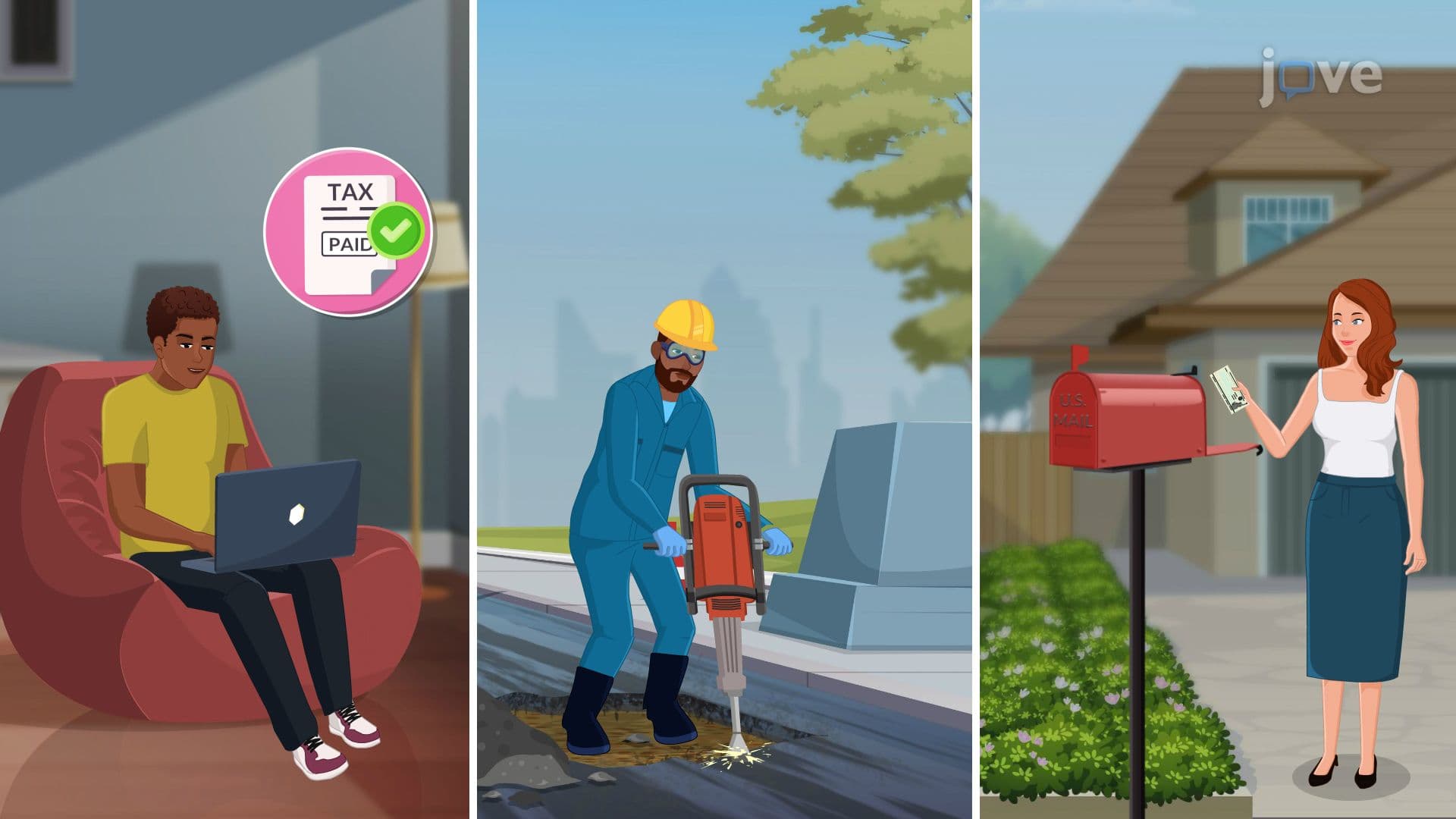
In this economic framework, households represent individual consumers and families-think of American families making purchasing decisions at Target, paying rent to landlords, or working at local businesses. These households wear two economic hats: they're consumers who demand goods and services, and they're also resource suppliers who provide labor, land, and capital to businesses.
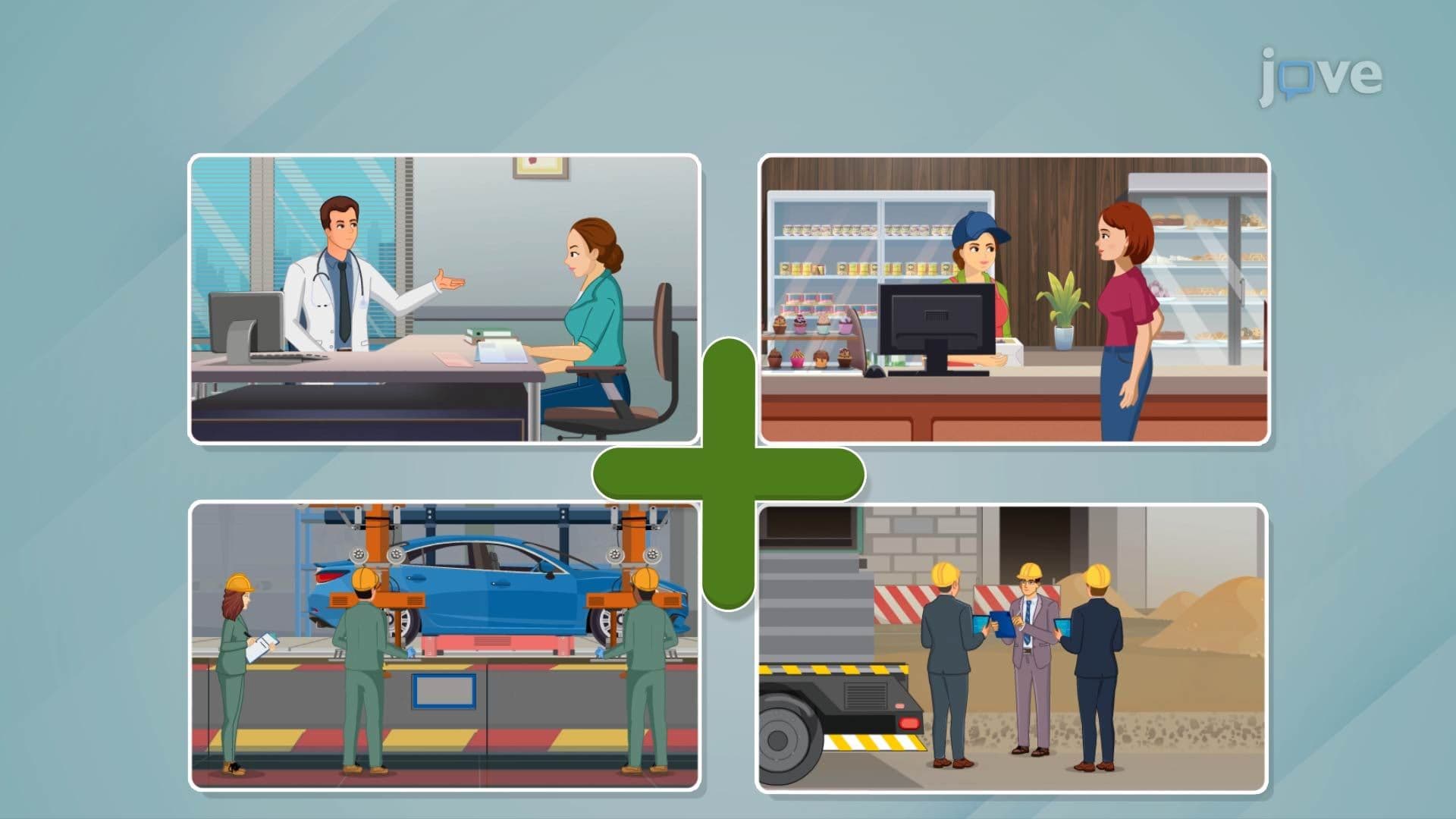
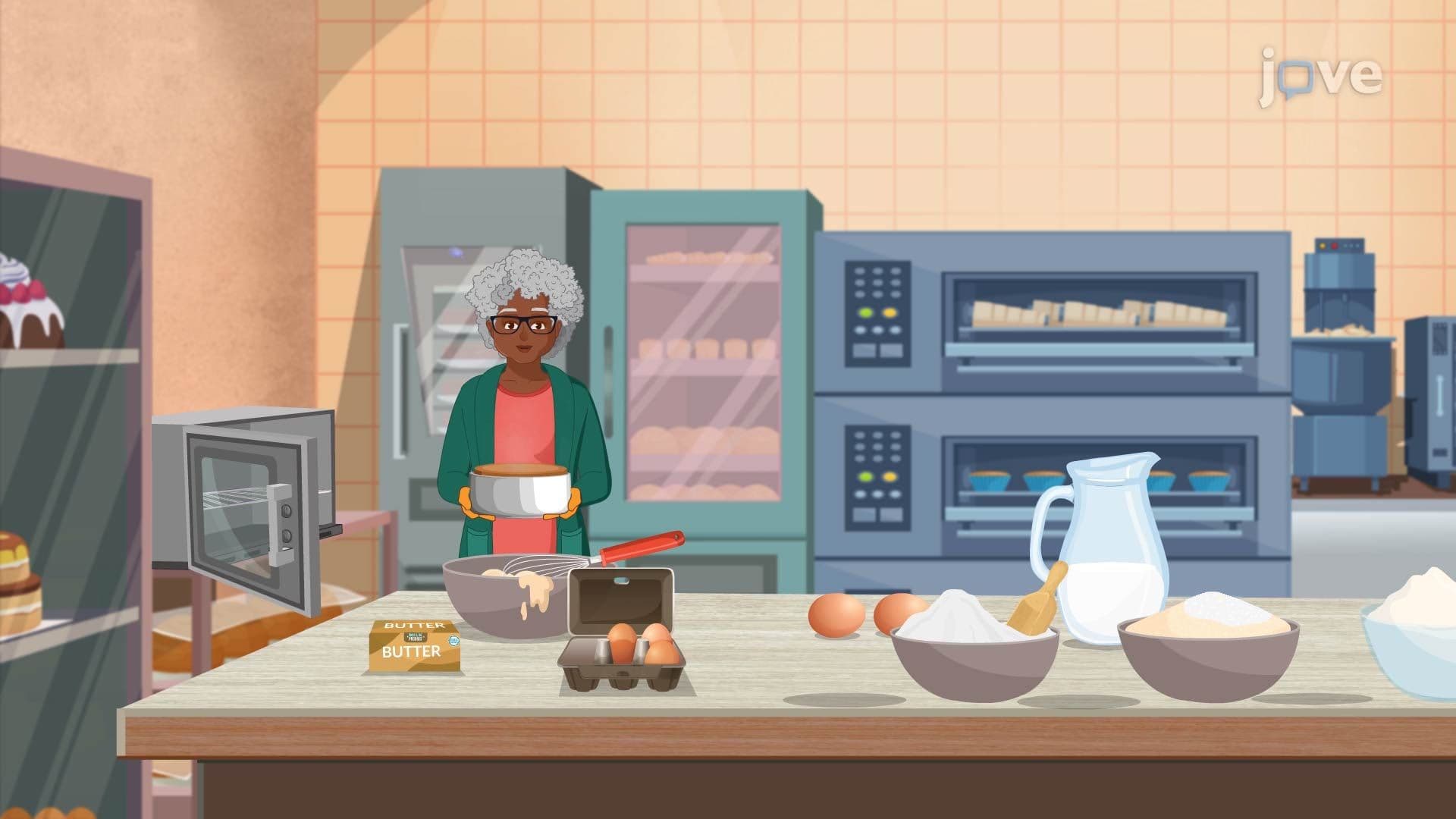
Firms encompass all business entities, from small-town bakeries to Fortune 500 corporations like Apple or General Motors. These organizations transform household-supplied resources into products and services that satisfy consumer wants and needs. The beauty of this system lies in its interdependence-neither households nor firms can function independently in a market economy.
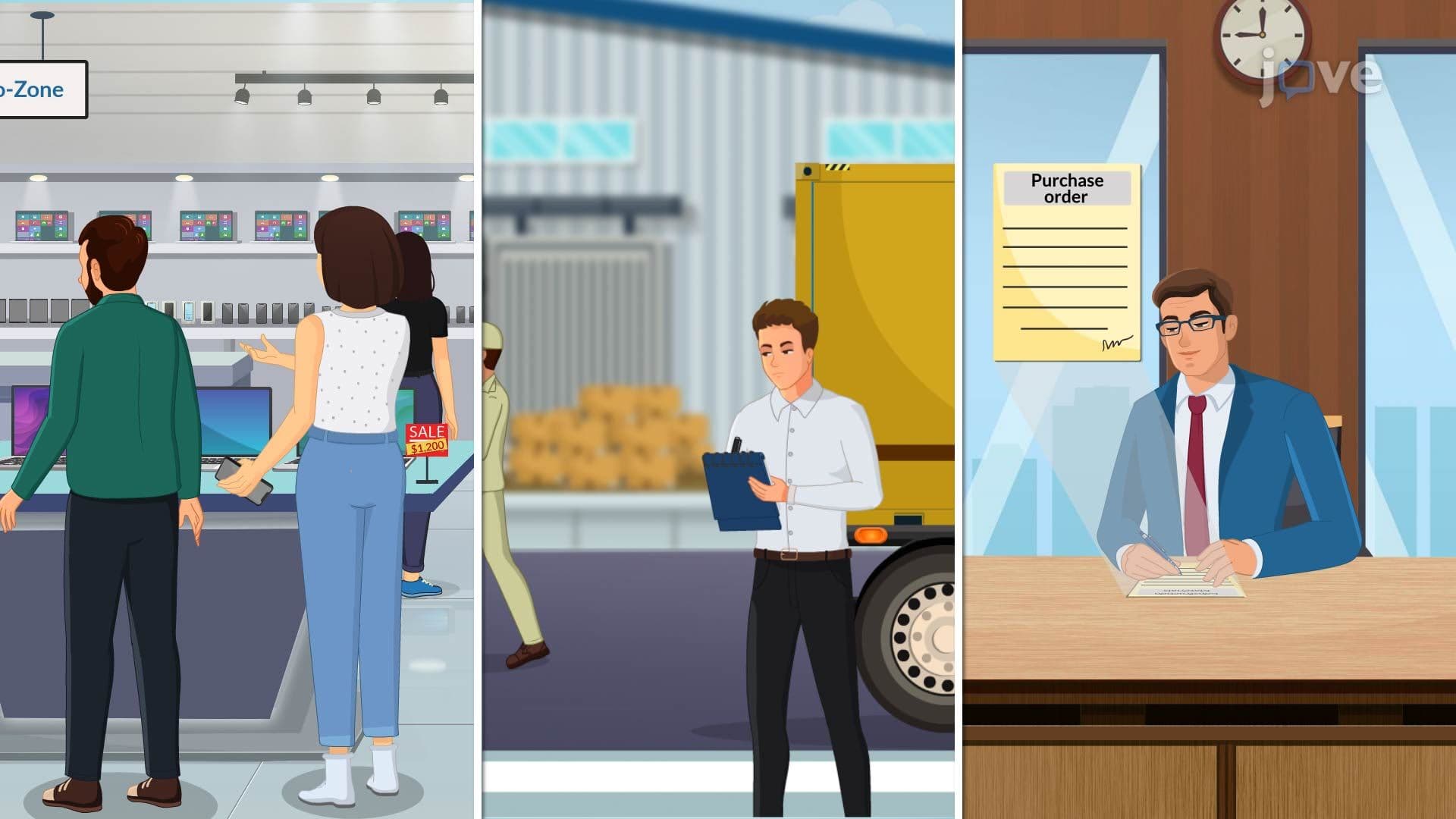
The goods and services market represents where households purchase everything from groceries at Walmart to Netflix subscriptions. When American consumers spend money, they create revenue streams that flow back to businesses, enabling companies to continue operations and expand production.
The factor market operates in reverse, where households sell their productive resources. American workers provide labor in exchange for wages, property owners earn rent, and investors receive returns on their capital investments. This market ensures that households have the income necessary to participate as consumers in the goods and services market.
This concept frequently appears on AP Macroeconomics exams, college midterms, and standardized tests. Students often encounter questions asking them to trace money flows or identify market disruptions. Understanding circular flow helps explain why economic recessions create downward spirals-when households reduce spending, firms cut production and employment, leading to further reductions in household income and spending.
Related Micro-courses