Loading video…


 26 Concepts
 1.4K views

Video Summary: What Is Limitations Gdp Concept
Ever wonder why America's $26 trillion GDP doesn't capture the full picture of our economic health? The limitations GDP concept reveals critical blind spots in how we measure prosperity, from unpaid childcare worth trillions annually to environmental damage from industrial pollution. For instance, when Hurricane Katrina destroyed New Orleans infrastructure, the rebuilding efforts actually boosted GDP despite the devastating human and environmental costs. Watch the full video on JoVE Coach to master this concept with expert-led visuals and step-by-step explanations.
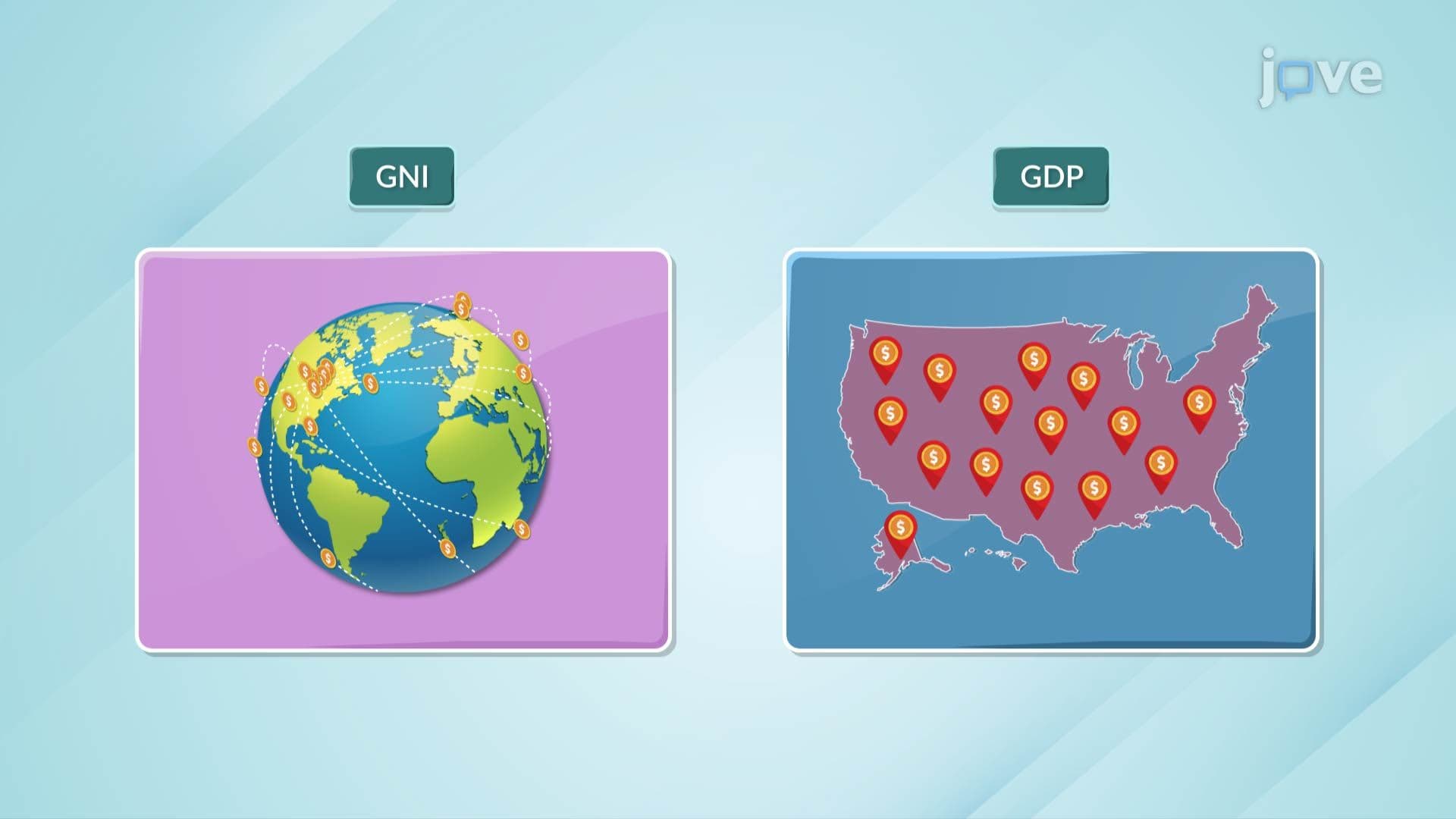
The limitations GDP concept exposes fundamental flaws in how economists measure national economic performance. While Gross Domestic Product effectively captures market-based economic activity, it systematically excludes critical components of economic life that significantly impact societal well-being. These limitations have profound implications for economic policy, making it essential for students to understand both what GDP measures and what it misses.
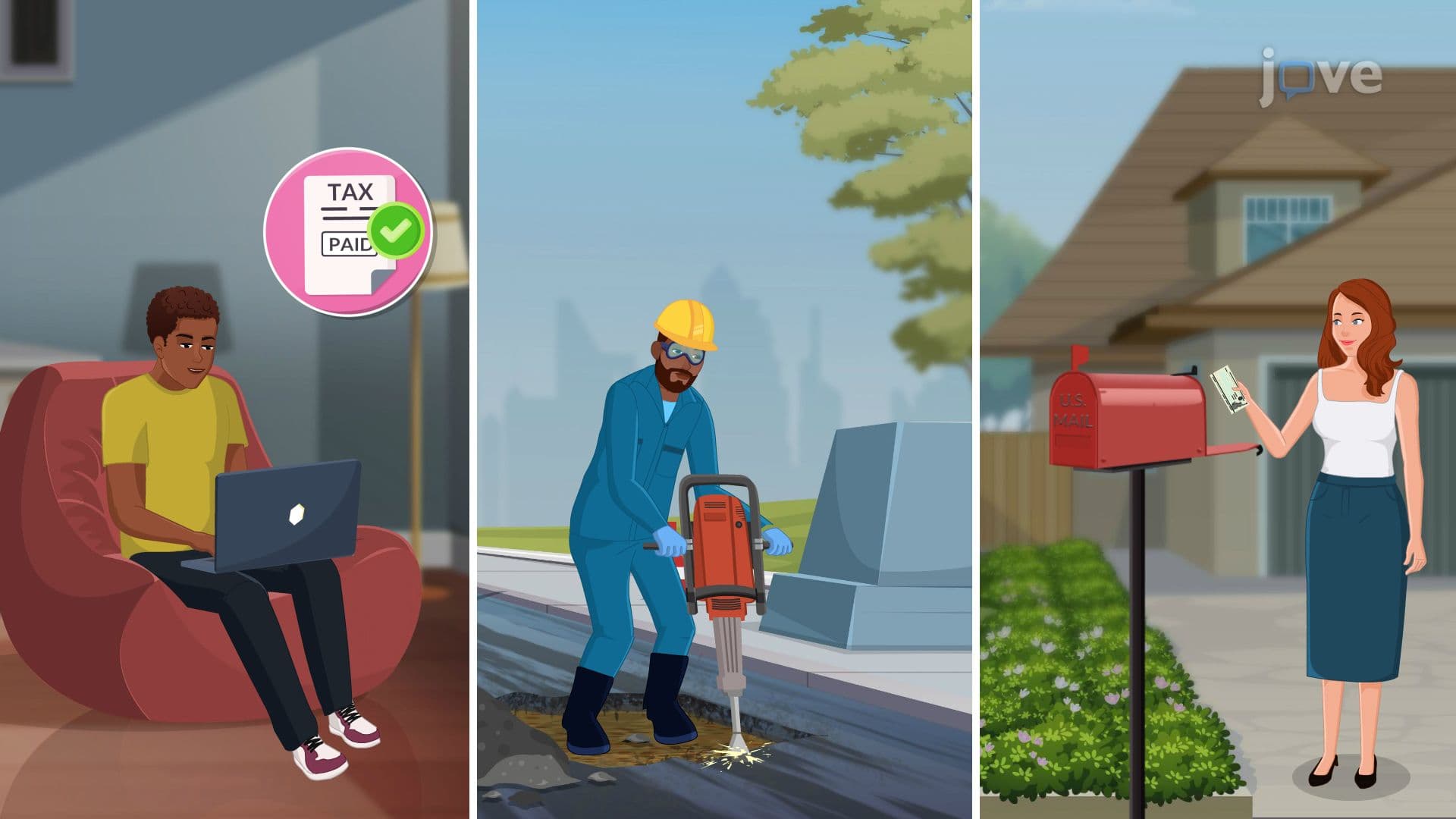
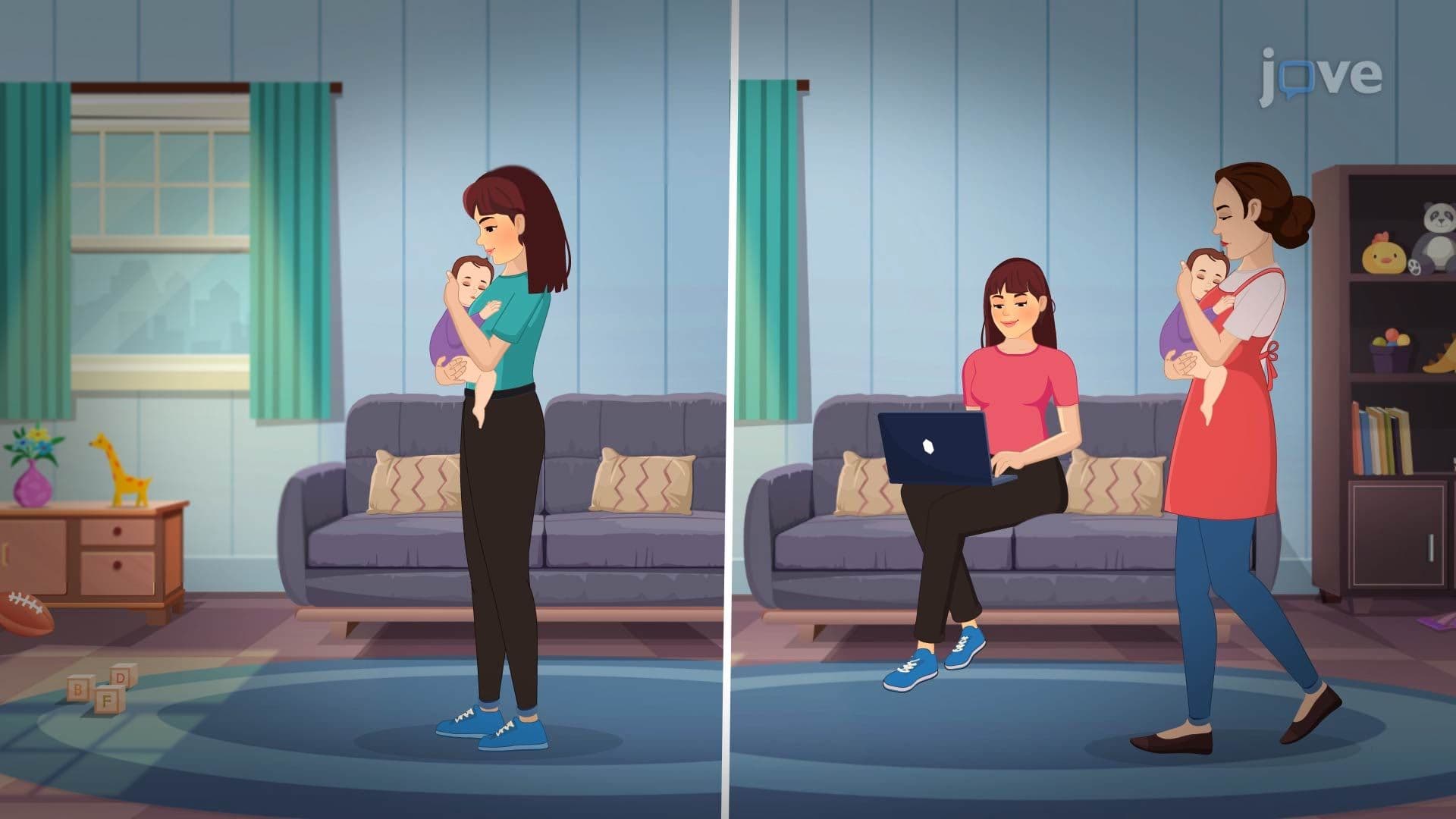
One of the most significant limitations involves nonmarket activities that provide enormous economic value but remain invisible in GDP calculations. When parents provide childcare, elderly family members receive home care, or volunteers contribute to community organizations, these activities create substantial economic value without monetary exchange. The Bureau of Economic Analysis estimates that unpaid household work would add approximately $4 trillion annually to U.S. GDP if properly valued. This limitation becomes particularly problematic when comparing economies with different cultural approaches to family care and community involvement.
GDP's treatment of environmental factors represents another critical limitation. When ExxonMobil extracts oil or when mining companies strip natural resources, these activities boost GDP through increased production and employment. However, GDP fails to account for the depletion of natural capital or environmental degradation costs. The 2010 Deepwater Horizon oil spill initially increased GDP through cleanup activities and replacement economic activity, despite causing long-term environmental and economic damage to Gulf Coast communities. This accounting problem means countries can appear economically prosperous while depleting their natural wealth unsustainably.
Perhaps most importantly for understanding economic well-being, GDP provides no information about wealth distribution within society. The United States maintains one of the world's highest GDP figures, yet experiences significant income inequality that affects millions of Americans' quality of life. A country where 10% of the population holds 90% of the wealth will show identical GDP to one with perfectly equal distribution, despite dramatically different living standards for most citizens.
Understanding these limitations proves crucial for Advanced Placement Economics, SAT Subject Tests, and college-level macroeconomics courses. Exam questions frequently test students' ability to identify situations where GDP fails as an economic indicator and to suggest alternative measures. Students should be prepared to analyze case studies involving environmental policy, social welfare programs, and international development where GDP limitations become particularly relevant.
Related Micro-courses