Loading video…

 26 Concepts
 1.4K views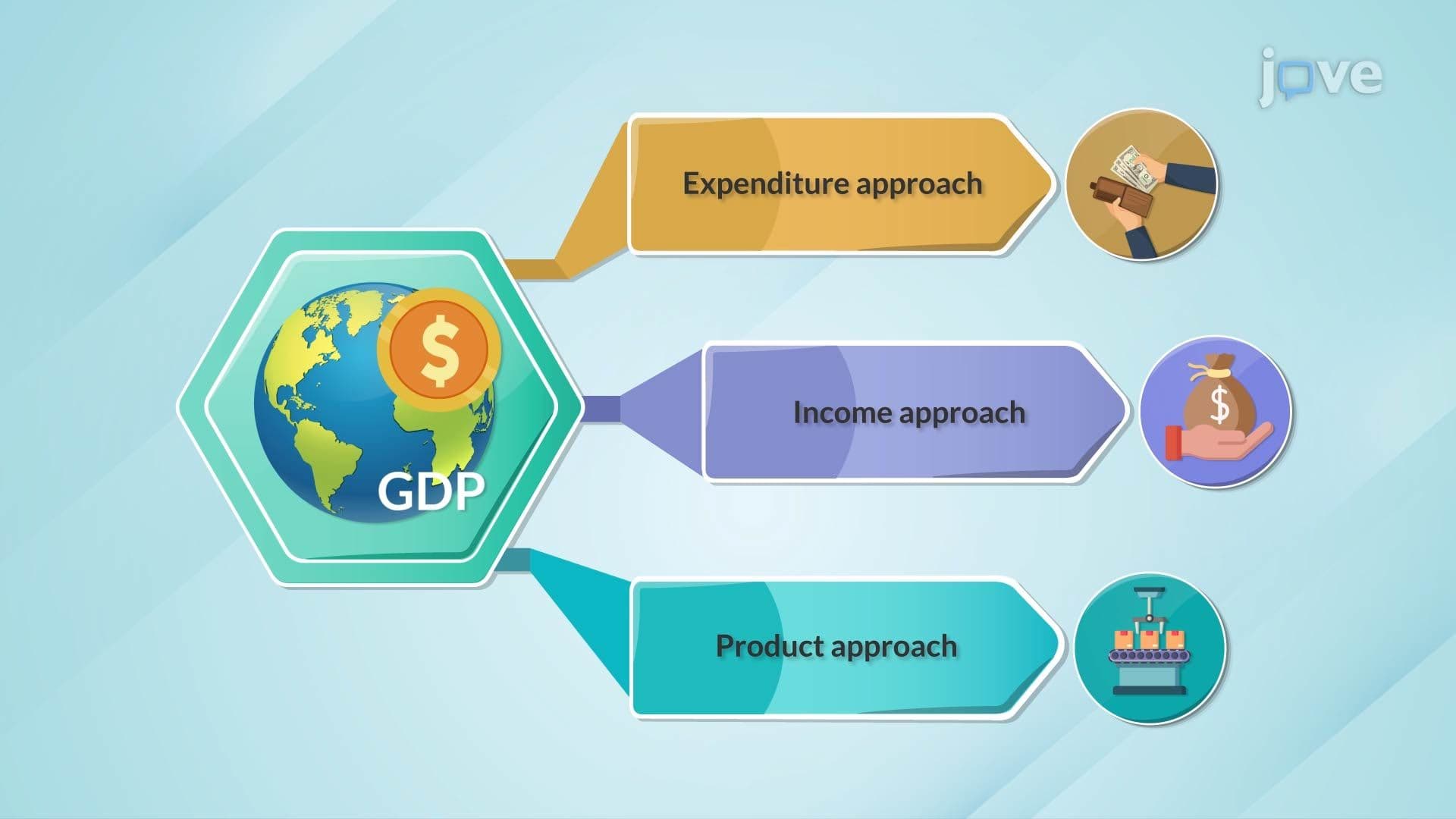

Video Summary: What Is the Three Approaches
Ever wonder how the U.S. Bureau of Economic Analysis measures America's $25 trillion economy? The three approaches to calculating GDP-expenditure, income, and product-provide three different lenses for examining the same economic activity. For instance, when Apple sells an iPhone, the expenditure approach counts the consumer's purchase, the income approach tallies Apple's earnings, and the product approach measures the technology sector's contribution. Watch the full video on JoVE Coach to master this concept with expert-led visuals and step-by-step explanations.
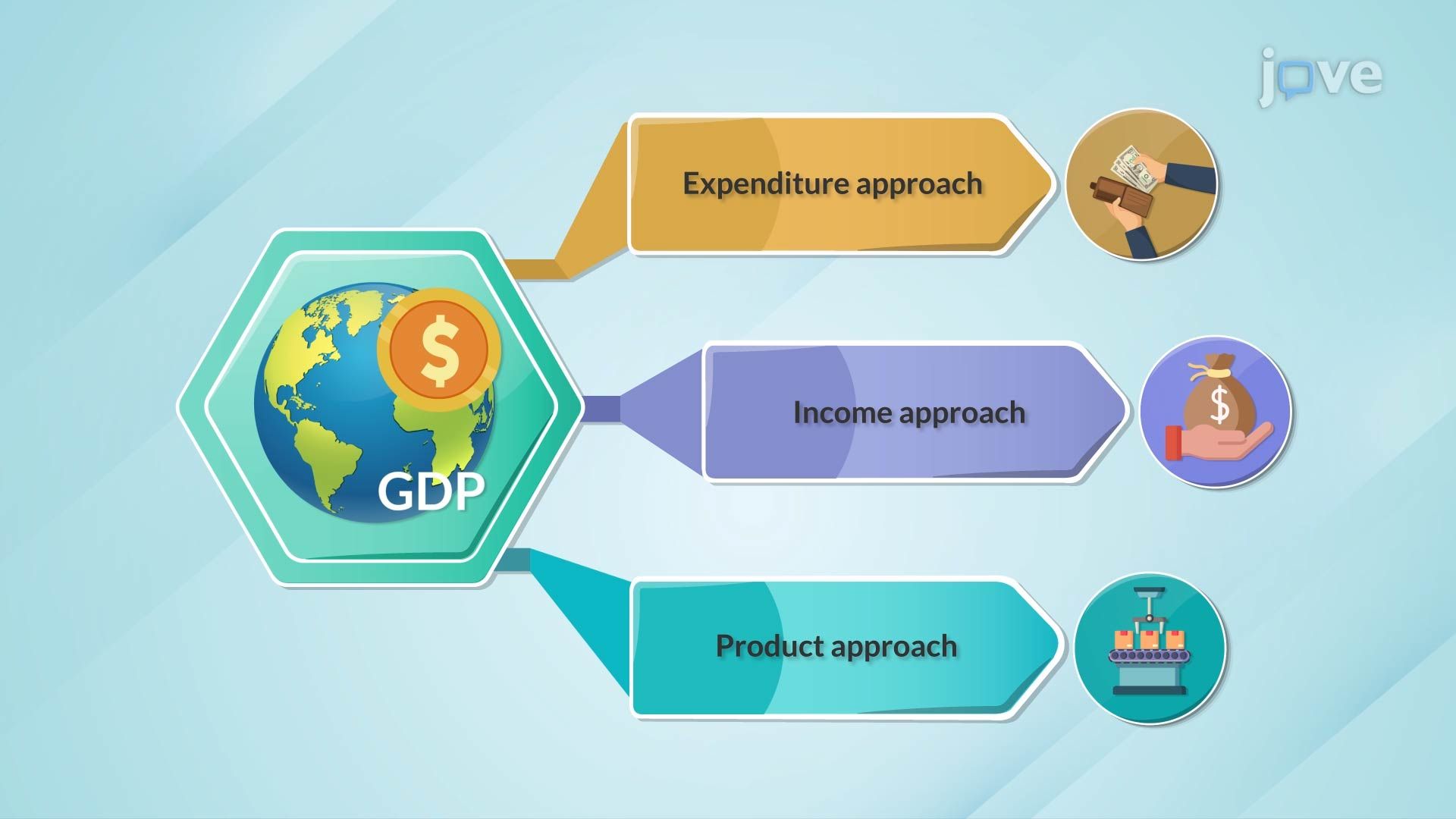
The three approaches represent three complementary methods economists use to measure Gross Domestic Product (GDP), providing a comprehensive view of economic activity. These approaches-expenditure, income, and product-are like three different cameras photographing the same economic landscape from different angles. Understanding the three approaches definition is crucial for students tackling AP Macroeconomics, college economics courses, and standardized tests like the SAT Subject Tests.
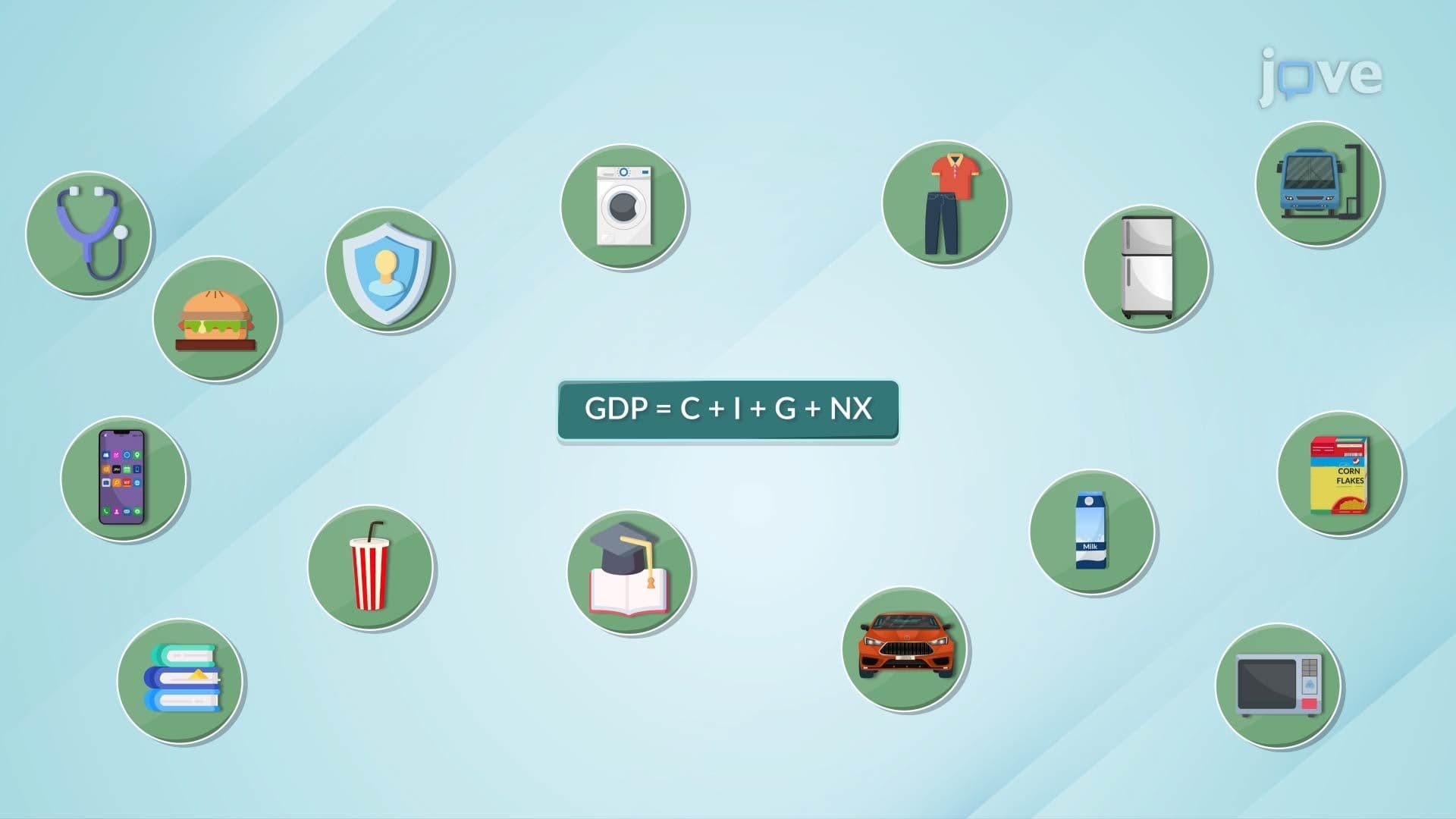
The expenditure approach, represented by the formula GDP = C + I + G + (X-M), tracks where money flows in the economy. Consumption (C) includes household purchases like groceries at Walmart or Netflix subscriptions. Investment (I) encompasses business spending on equipment, such as Amazon's warehouse construction, plus residential housing purchases. Government spending (G) covers federal, state, and local expenditures from Pentagon contracts to public school funding. Net exports (X-M) measure the trade balance, like U.S. agricultural exports minus imported electronics.
This approach dominates U.S. economic reporting because the Bureau of Economic Analysis can readily track spending through retail sales data, business surveys, and government budgets. When you see quarterly GDP announcements, they typically emphasize expenditure components, making this the three approaches overview students encounter most frequently.
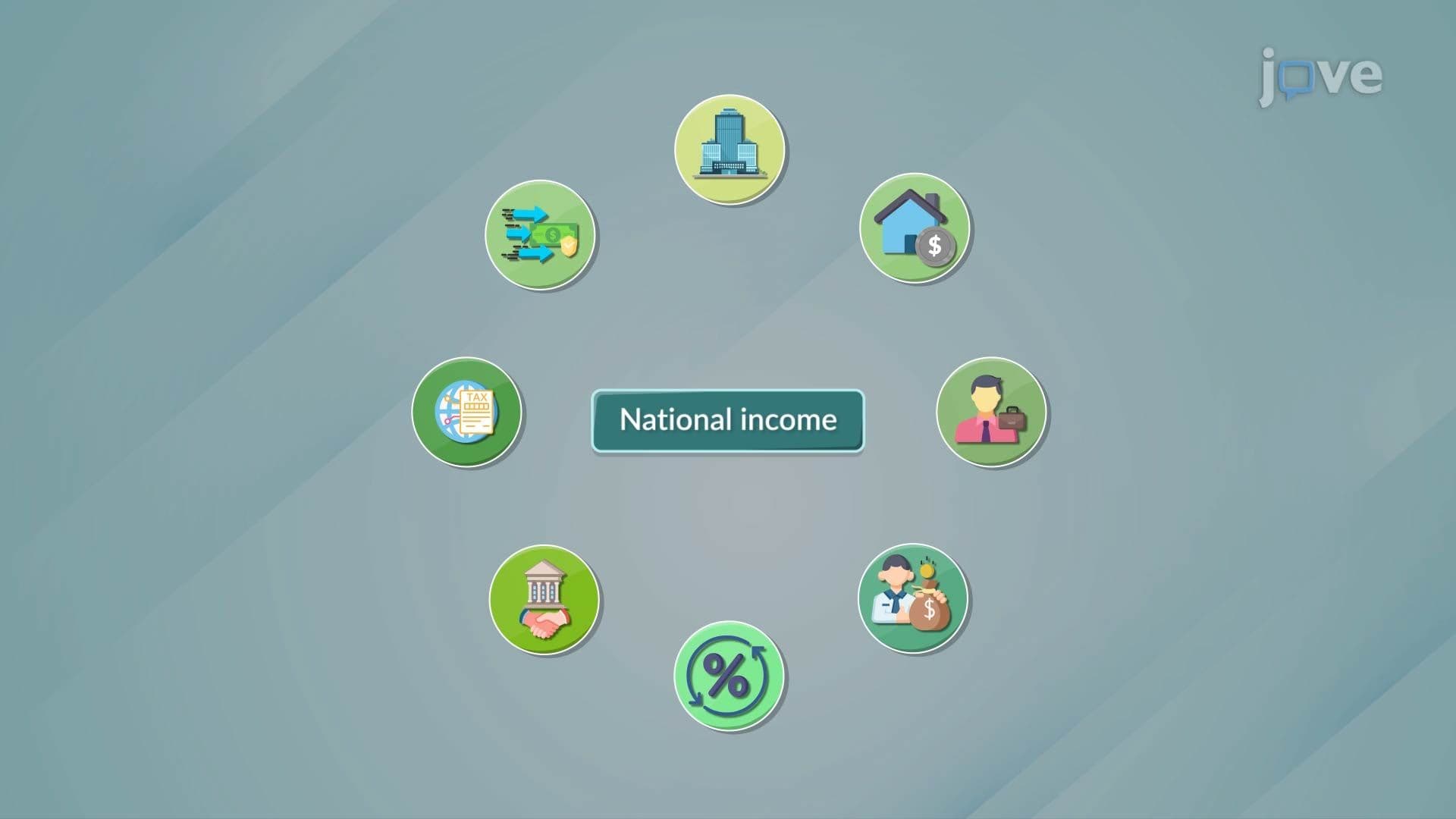
The three approaches concept includes the income method, which tallies all payments to factors of production. This includes wages and salaries (like Google engineer paychecks), rental income (apartment building profits), interest payments (bank loan earnings), and corporate profits (Apple's quarterly earnings). The approach also accounts for depreciation and indirect business taxes.
For students preparing for college economics exams, understanding this approach proves essential when analyzing income distribution or labor market trends. The Bureau of Labor Statistics' employment reports directly connect to this measurement method.
The product approach measures each industry's value-added contribution, from agriculture in Iowa to technology in Silicon Valley. Value-added calculation prevents double-counting by measuring only what each industry contributes beyond its input costs. For example, when Ford manufactures vehicles, this approach counts only Ford's assembly value, not the steel already counted in the metals industry.
This method supports the three approaches study guide materials by providing sector-specific insights valuable for business students and policy analysts examining structural economic changes.
Related Micro-courses