Loading subject page…


11,405 views

Video Summary: What Is Advertising I
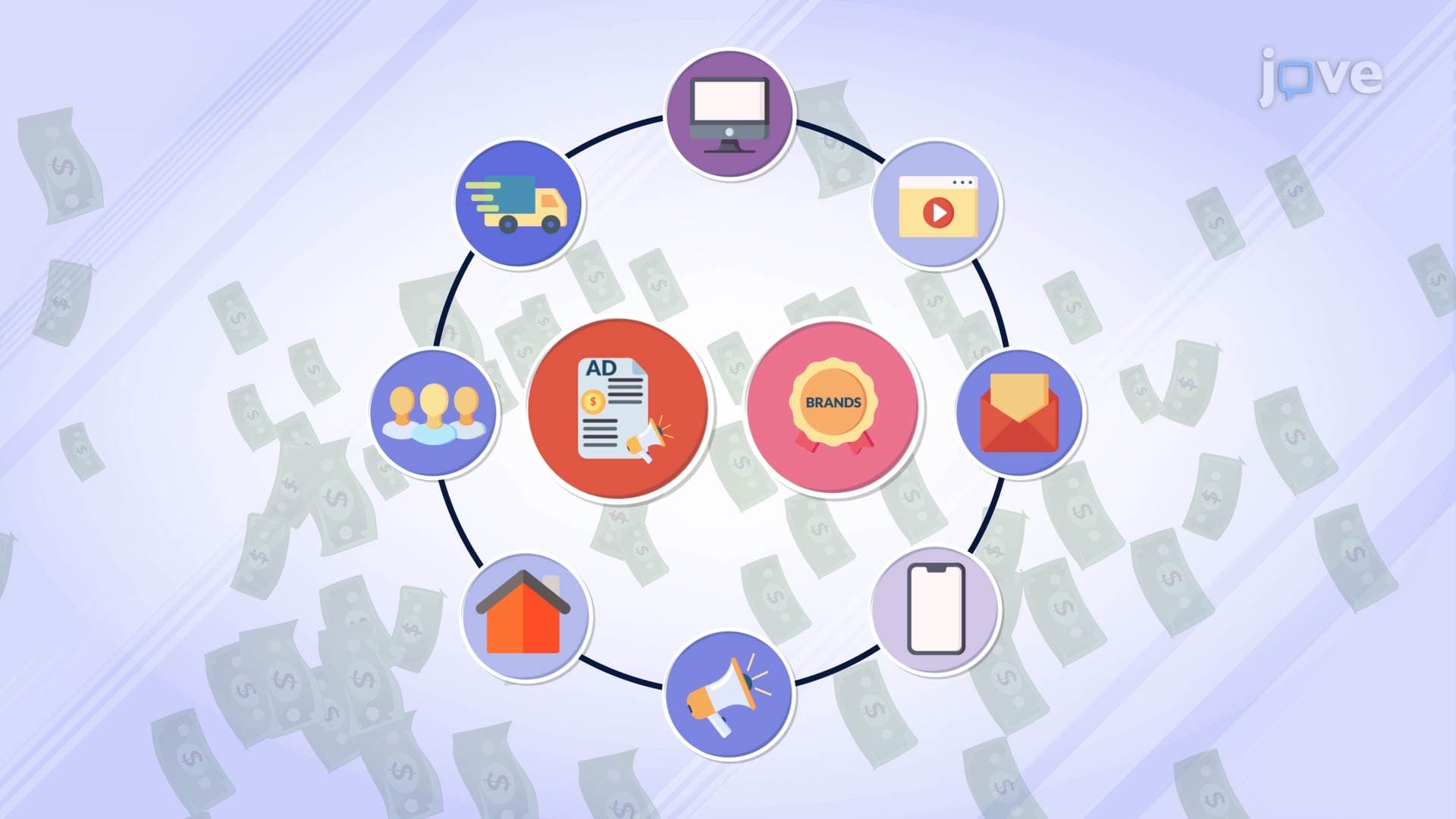
Modern advertising drives $600+ billion in annual spending across US markets, yet many business leaders struggle to maximize ROI from their campaigns. Advertising represents a paid promotional strategy where organizations leverage multiple channels-television, digital platforms, print media, and outdoor displays-to reach target audiences and drive measurable business outcomes. The Old Spice brand transformation campaign demonstrates how strategic advertising repositioning can revitalize declining market share through targeted demographic shifts and creative messaging. Understanding What is Advertising I fundamentals enables managers to allocate budgets effectively and build competitive market positions. Watch the full video on JoVE Coach to master this concept with expert-led visuals and step-by-step explanations.
When P&G allocated $7.2 billion to advertising spend in 2023, this decision reflected advertising's role as a strategic business investment rather than a marketing expense. Advertising represents a systematic approach to paid promotion where organizations invest capital to communicate value propositions, drive demand generation, and establish competitive market positioning. For working professionals managing marketing budgets or business units, advertising serves as a scalable mechanism to influence consumer behavior and achieve measurable business outcomes.
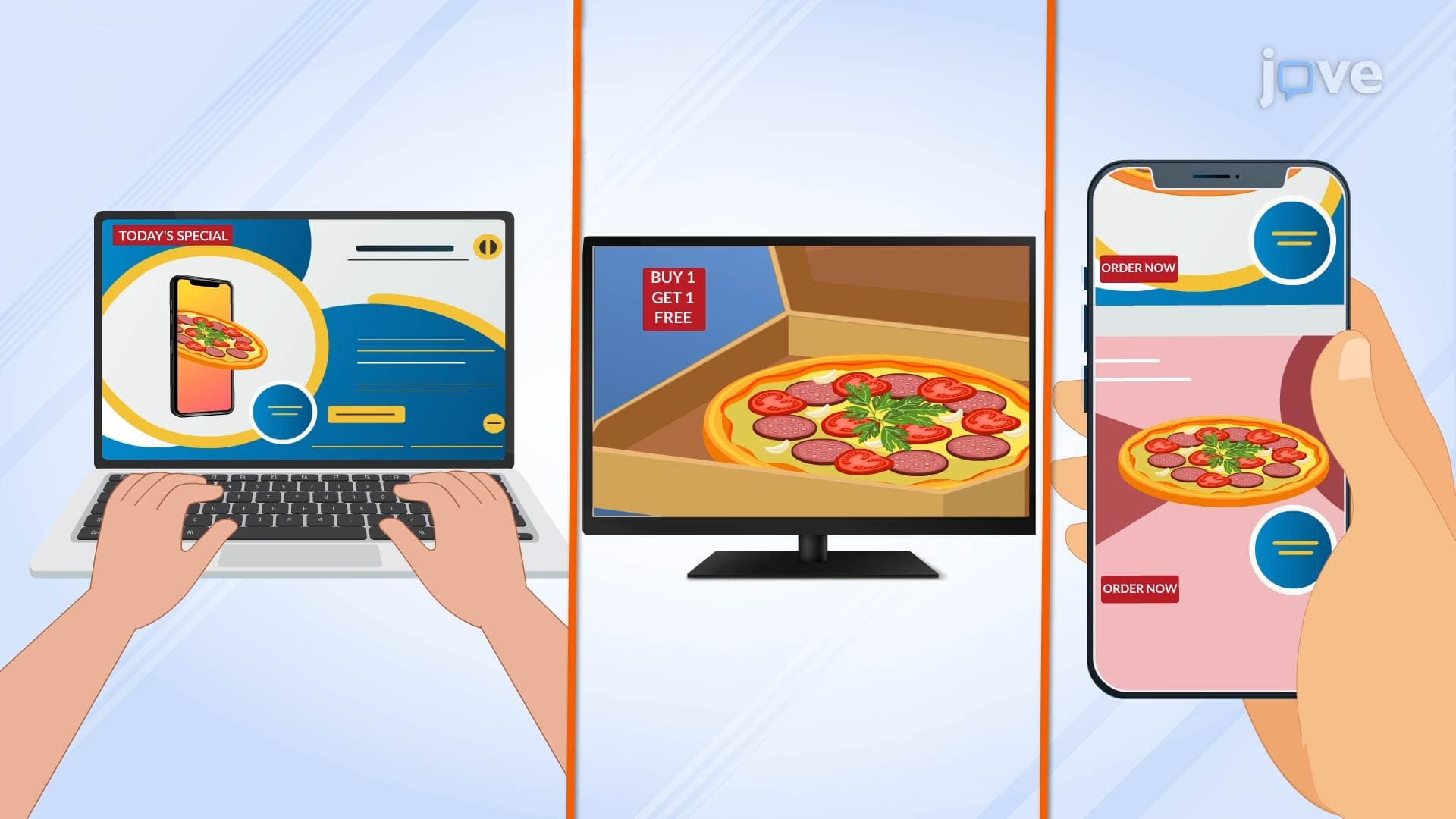
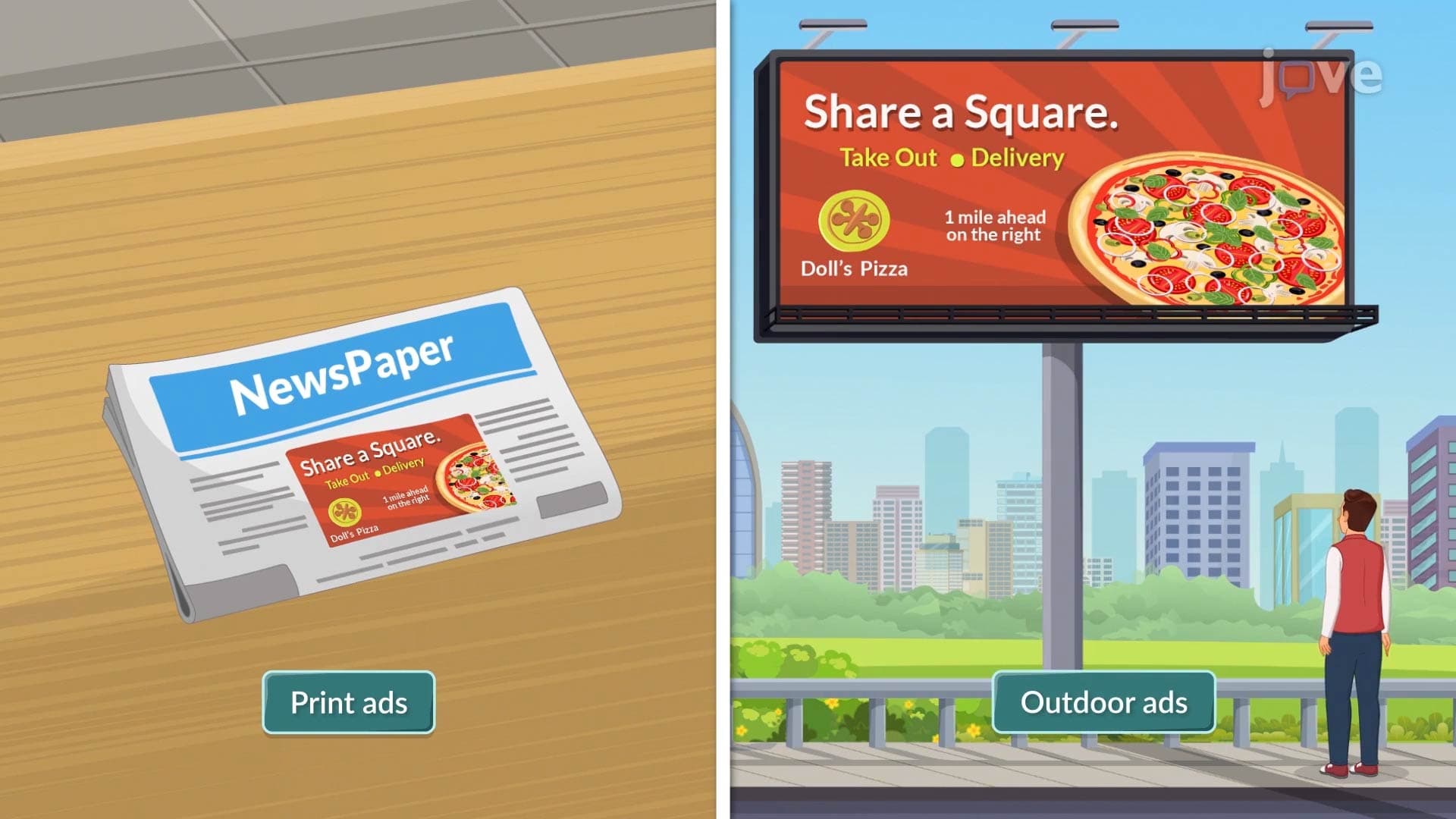
Professional advertising strategy requires sophisticated channel portfolio management across traditional and digital platforms. Television advertising continues commanding premium pricing for broad market reach, while digital advertising offers precision targeting and real-time performance optimization. Print media provides credibility and longevity, particularly for B2B professional audiences, while outdoor advertising delivers consistent brand exposure in high-traffic commercial districts. Smart portfolio allocation typically follows the 70-20-10 rule: 70% proven channels, 20% emerging platforms, and 10% experimental initiatives.
Successful advertising campaigns originate from rigorous market analysis and competitive intelligence gathering. The Old Spice transformation exemplifies strategic repositioning, where Procter & Gamble identified declining market share among younger demographics and developed creative campaigns targeting millennial consumers. This strategic pivot required comprehensive audience research, creative testing, media planning, and performance measurement systems. Professional campaign management demands cross-functional collaboration between marketing teams, creative agencies, media buyers, and business leadership to ensure alignment with broader corporate objectives.
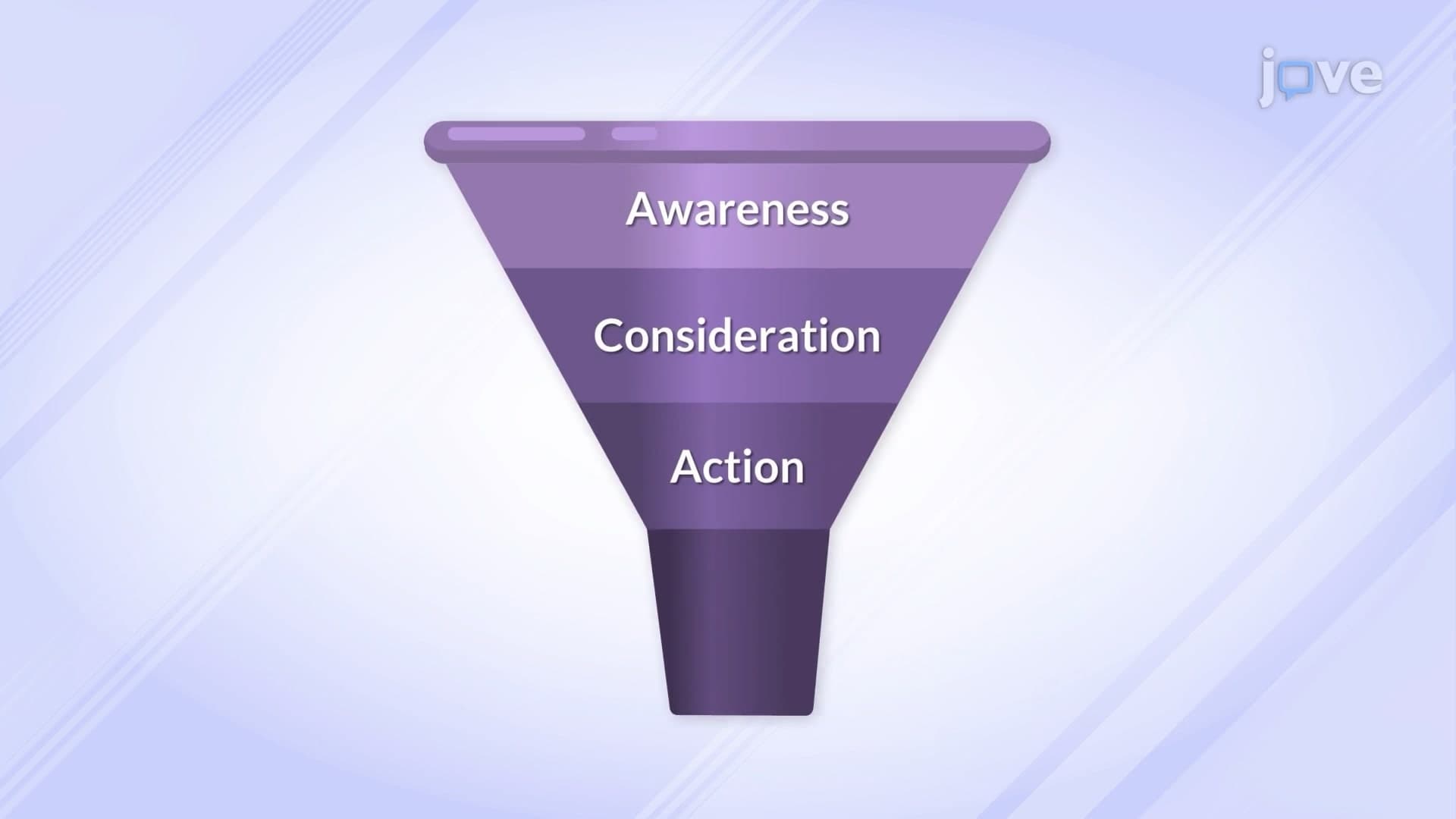
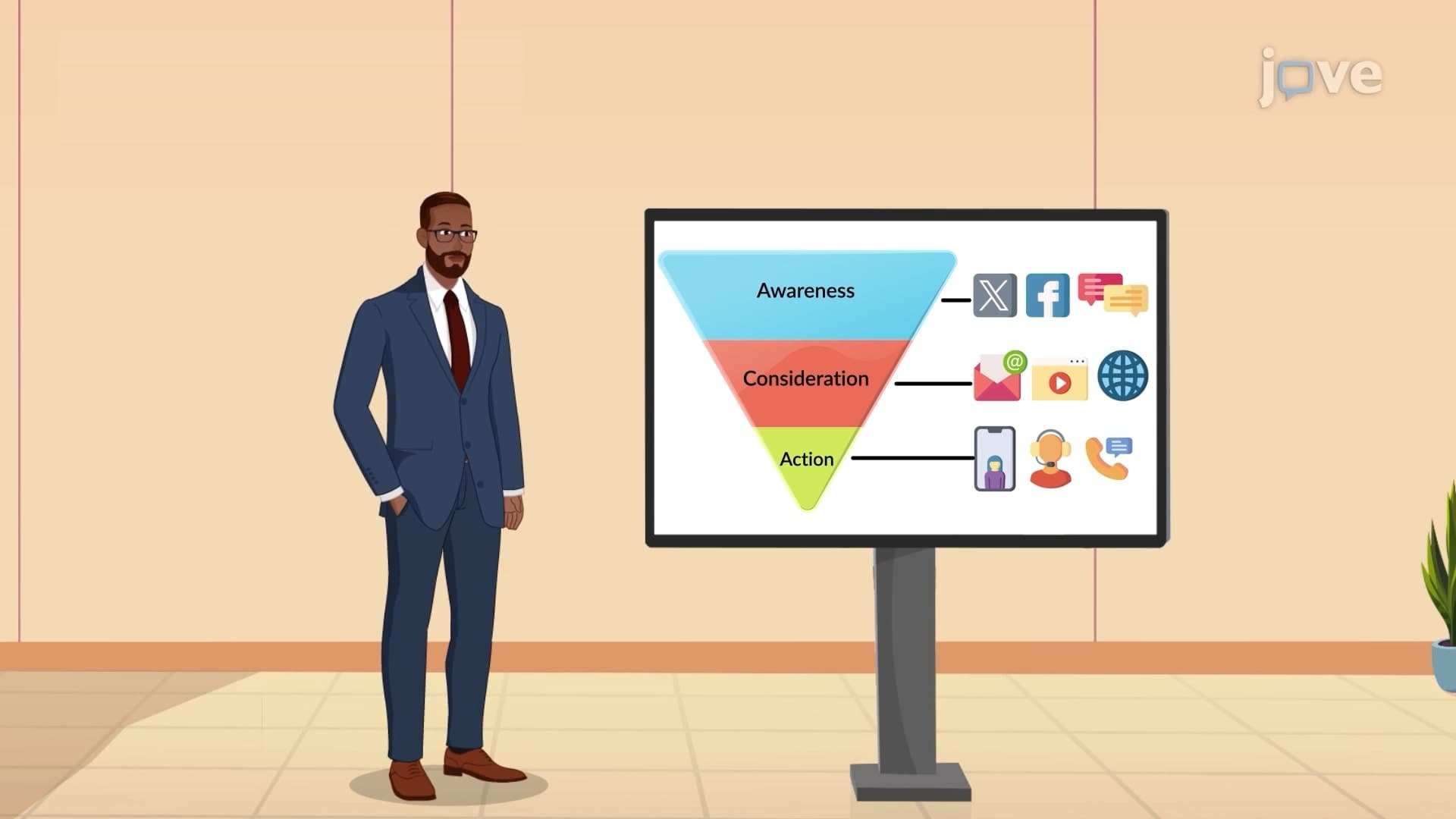
Modern advertising accountability centers on connecting campaign investments to tangible business outcomes. Advanced attribution modeling enables professionals to track customer journeys across multiple touchpoints, measuring advertising's contribution to pipeline generation, customer acquisition costs, and lifetime value optimization. Key performance indicators include brand awareness lift, consideration metrics, purchase intent, and revenue attribution. Professional marketers increasingly leverage marketing mix modeling to understand advertising's incremental impact on sales performance, enabling data-driven budget optimization and strategic planning decisions.
Related Micro-courses