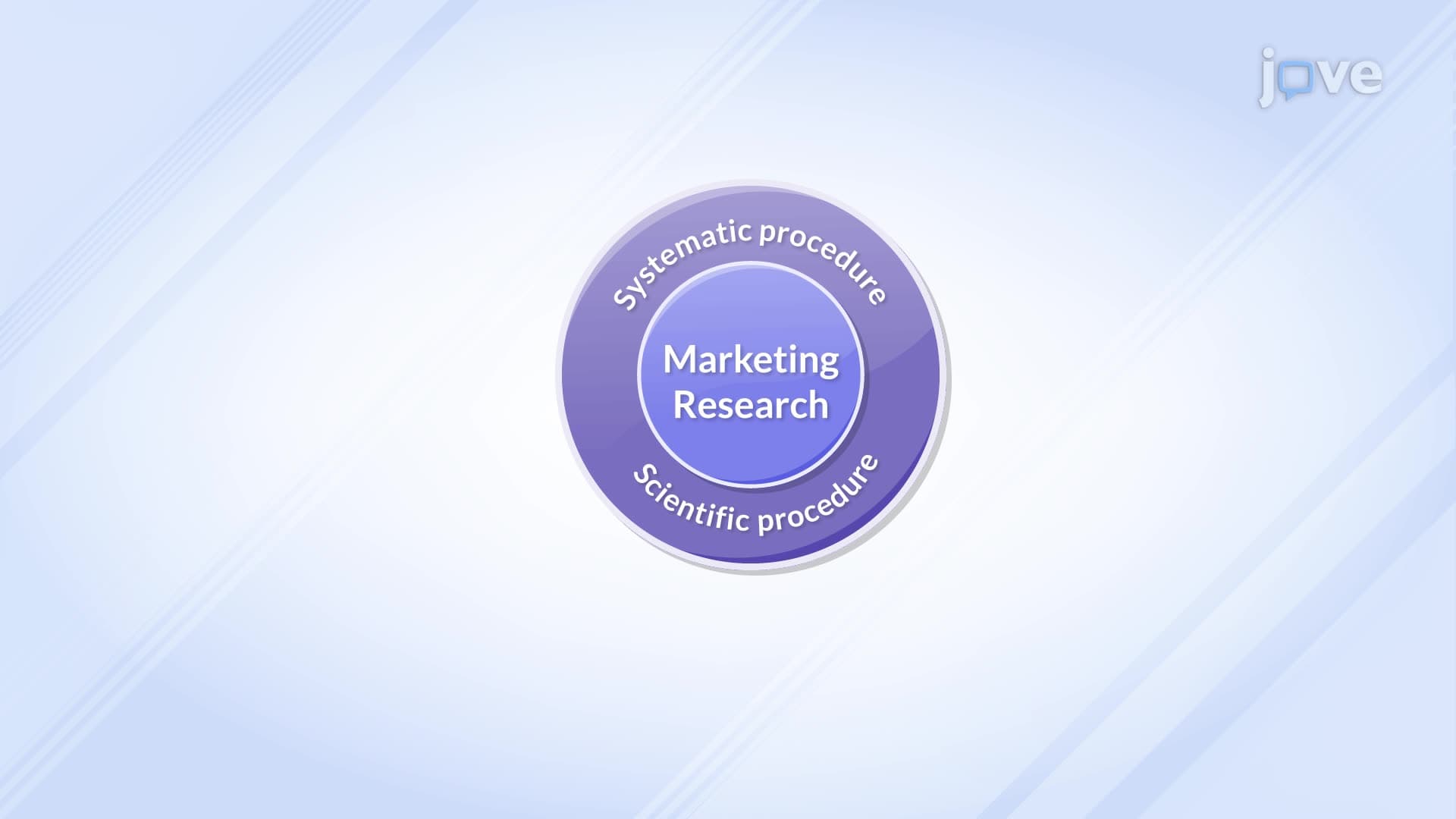
Market research is the systematic process of collecting, analyzing, and interpreting data to inform strategic business decisions. This JoVE Coach micro-course equips professionals with practical frameworks for understanding consumer behavior, competitive landscapes, and market opportunities. Learn how companies like McDonald's, Apple, and Nike leverage comprehensive market research to drive product development, pricing strategies, and market positioning in today's competitive business environment.
Apply proven research methodologies to solve complex business problems and identify growth opportunities
Evaluate primary and secondary data sources to build comprehensive market intelligence for strategic planning
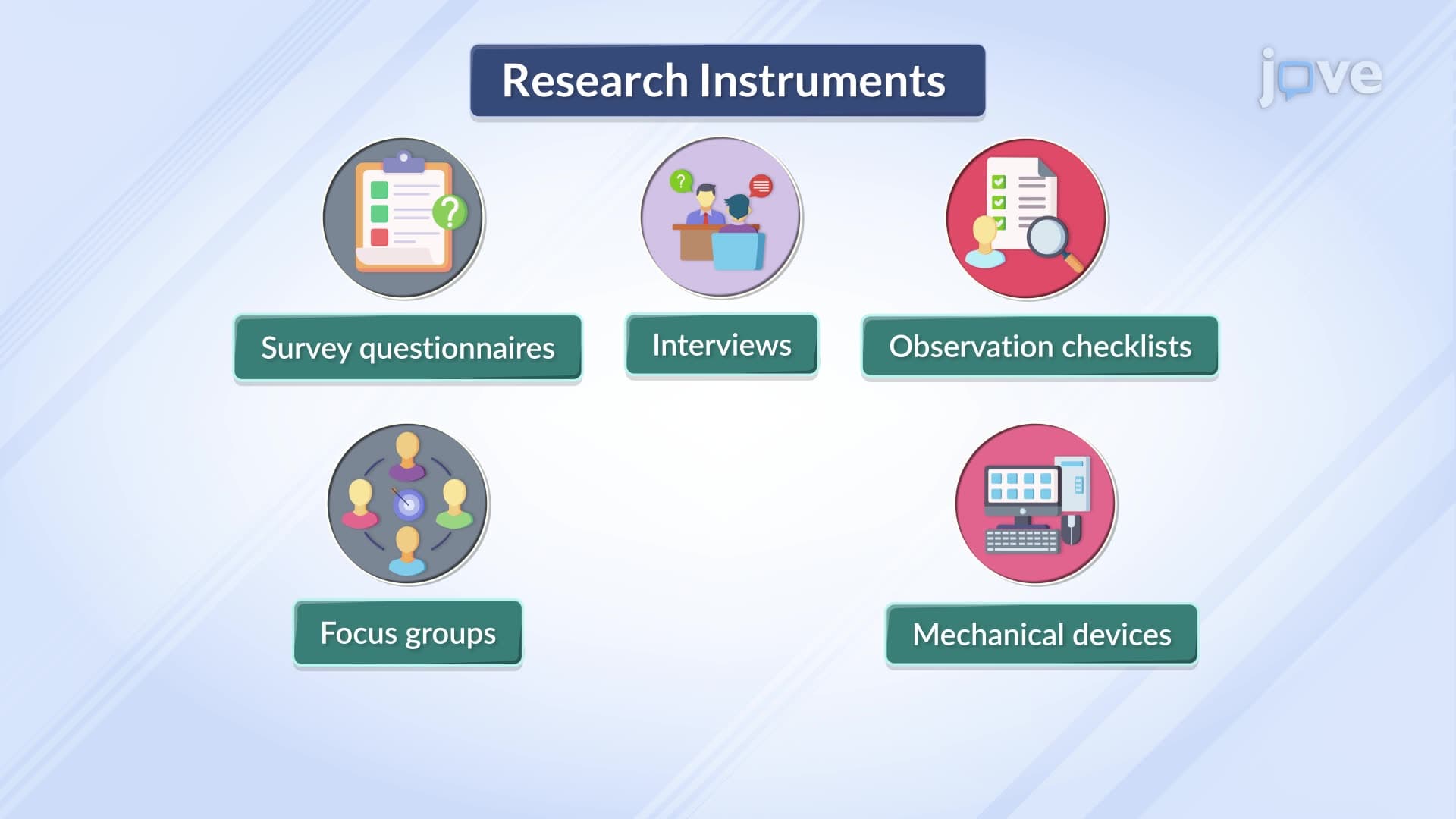
Implement effective sampling techniques and research instruments to gather actionable consumer insights
Analyze qualitative and quantitative data to uncover market trends and consumer behavior patterns
Leverage both B2B and international market research strategies for global business expansion
Assess when to outsource market research versus conducting studies internally to optimize resource allocation
Apply ethical research practices that ensure data integrity and maintain consumer trust
Implement systematic research processes that transform raw data into strategic business recommendations
1. Research Design and Problem Definition Framework
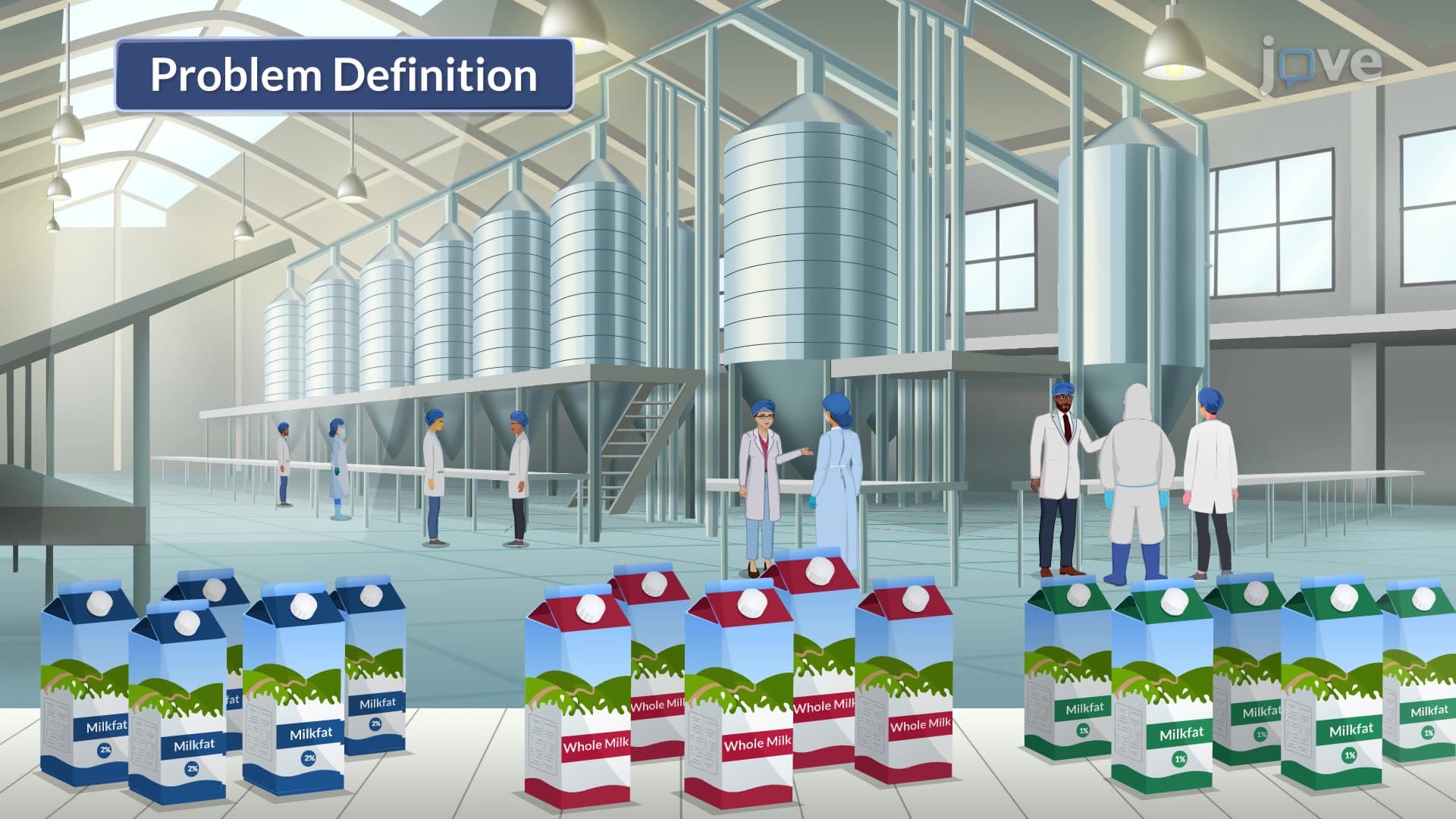
Master the foundational approach to identifying business challenges and structuring research objectives. Learn how successful companies like dairy manufacturers define specific problems-such as declining whole milk sales-and develop targeted research strategies. This systematic approach ensures your research efforts align with business goals and deliver actionable insights that drive measurable results in competitive markets.
2. Primary Data Collection Strategies
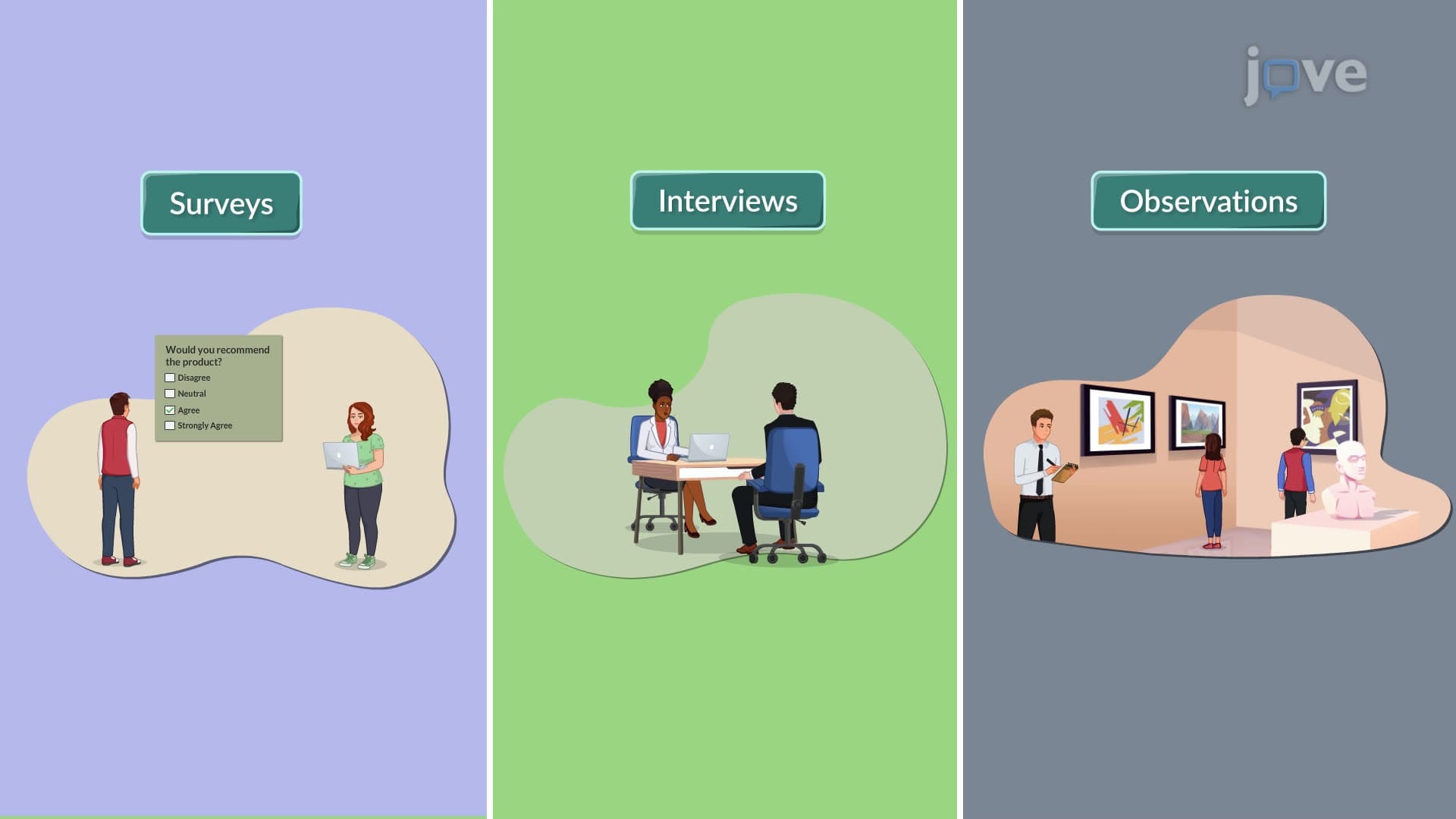
Implement advanced consumer research methods including qualitative techniques like focus groups, in-depth interviews, and observational studies, alongside quantitative approaches such as surveys and experimental research. Understand how Amazon uses customer feedback surveys and how pharmaceutical companies conduct controlled experiments to validate product effectiveness and optimize customer experience strategies.
3. Secondary Data Analysis and Integration
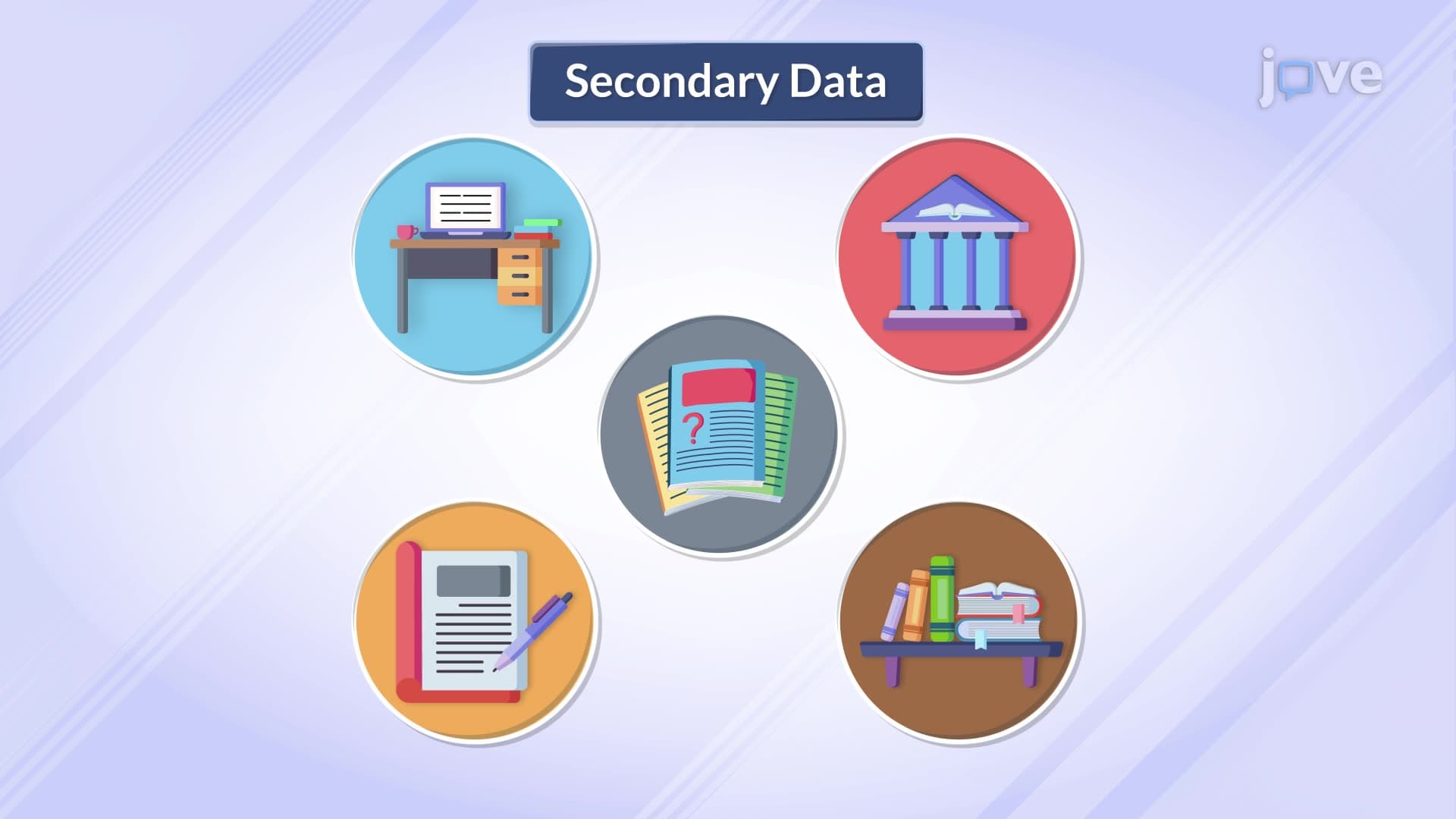
Leverage existing data sources effectively by distinguishing between internal company data (sales reports, customer databases) and external market intelligence (industry reports, government publications). Learn to evaluate data quality, identify potential biases, and integrate multiple data sources to create comprehensive market assessments that support strategic planning and competitive positioning.
4. Sampling Design and Statistical Methodology
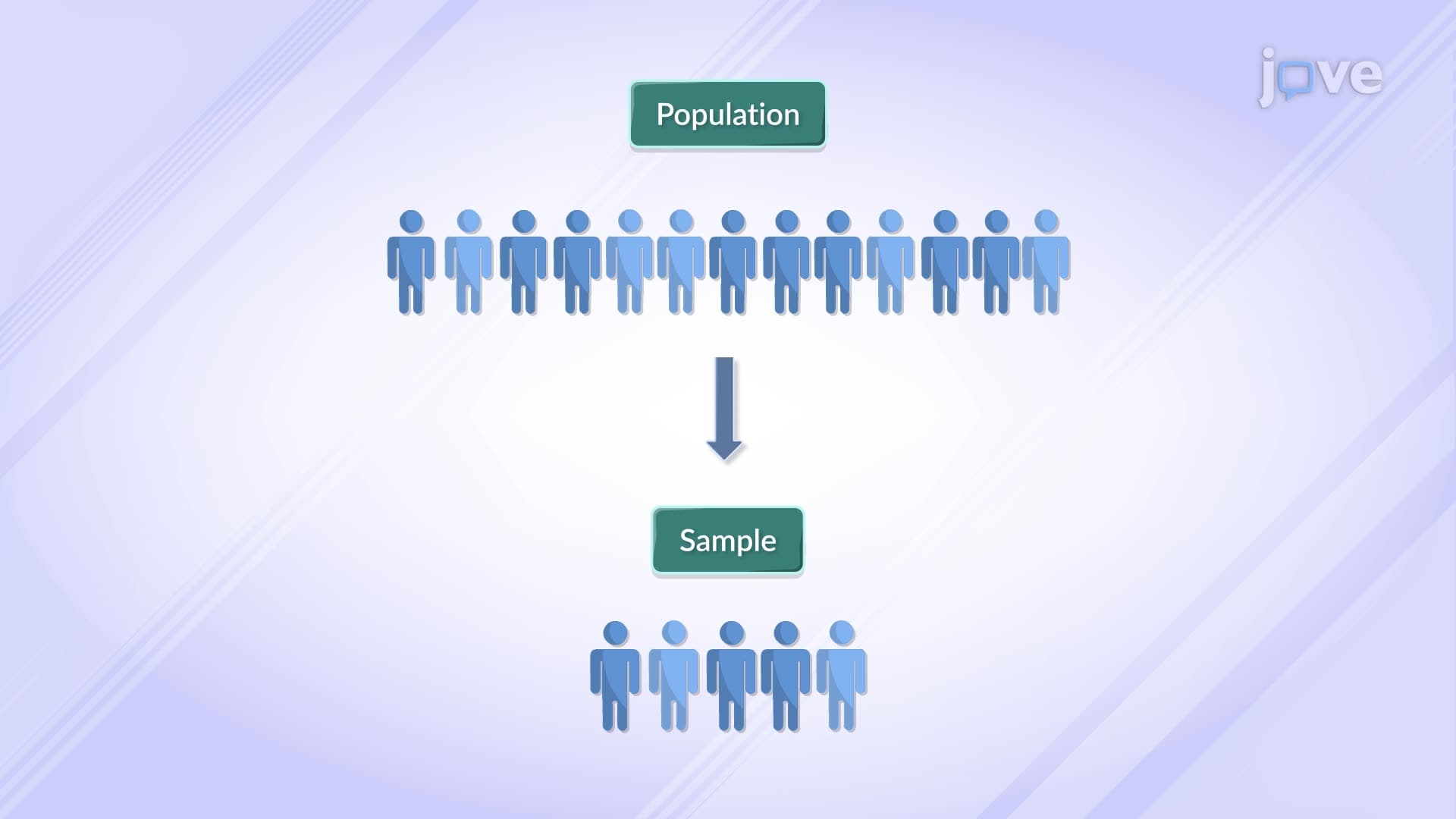
Apply probability and non-probability sampling techniques to ensure representative data collection while managing research budgets effectively. Master systematic approaches for determining appropriate sample sizes, constructing sampling frames, and selecting methodologies that balance statistical accuracy with practical business constraints in both B2B and consumer market research projects.
5. Data Analysis and Strategic Reporting
Transform raw research data into compelling business presentations that drive executive decision-making. Learn visualization techniques, statistical analysis methods, and reporting frameworks that communicate insights clearly to stakeholders. Understand how companies like Nike present sales trends and performance metrics to support strategic initiatives and resource allocation decisions.
6. International and B2B Market Research Applications
Navigate complex global market research challenges including cultural considerations, regulatory variations, and data comparability issues. Apply specialized B2B research methodologies for understanding decision-making processes, supply chain dynamics, and competitive positioning. Learn how McDonald's adapts menu strategies globally and how L'Oréal addresses diverse beauty standards across international markets.
Frequently Asked Questions
Consider your research objectives, budget, and timeline. Use secondary research for industry trends, competitive benchmarking, and initial market assessment due to cost-effectiveness. Deploy primary research when you need specific consumer insights, product feedback, or proprietary competitive intelligence that existing sources cannot provide.
Focus on high-impact, cost-efficient methods like online surveys, existing customer data analysis, and targeted focus groups. Leverage free government databases and industry reports for secondary research. Consider outsourcing specialized research components while maintaining internal oversight of strategic interpretation and application.
Align research objectives with specific business decisions from the outset. Structure data collection around key performance indicators and strategic questions. Present findings with clear recommendations, implementation timelines, and success metrics. Involve decision-makers throughout the research process to ensure buy-in and practical application.
Outsource when you need specialized expertise, advanced analytical tools, or objective third-party perspectives. Consider internal research for ongoing customer satisfaction tracking, sales data analysis, and proprietary competitive intelligence. Evaluate based on cost-effectiveness, required expertise, and strategic sensitivity of the information.
B2B research requires longer sales cycle consideration, multiple decision-maker involvement, and industry-specific expertise. Focus on in-depth interviews with key stakeholders, trade publication analysis, and supply chain research. Consumer research emphasizes broader sampling, emotional factors, and purchase behavior patterns with faster decision cycles.
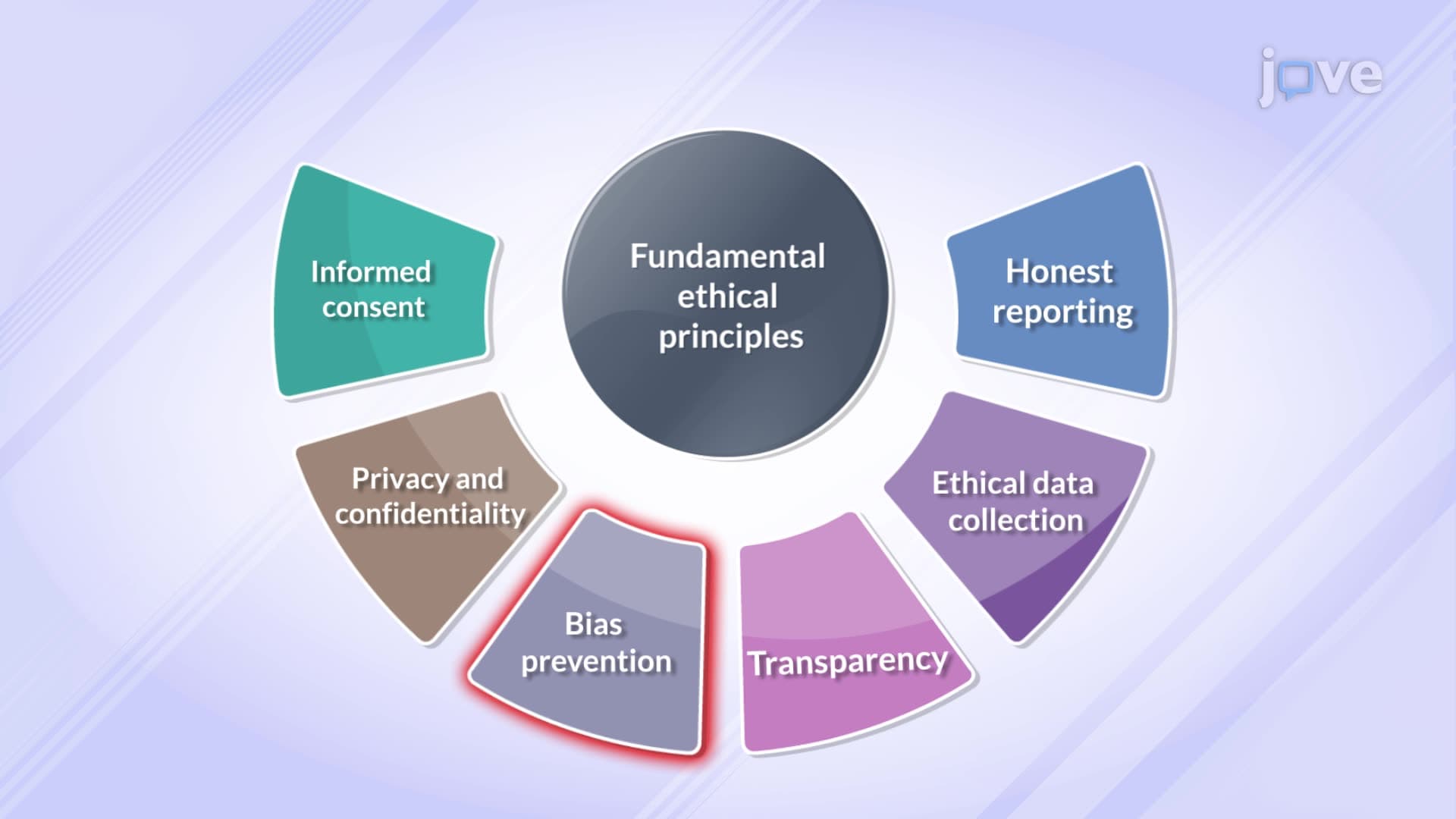
Ensure informed consent, protect participant privacy, maintain data confidentiality, and report findings accurately without bias. Comply with data protection regulations, respect cultural sensitivities in international research, and maintain transparency about research purposes and methods. Ethical practices build long-term credibility and participant trust.
Market research competencies demonstrate analytical thinking, strategic planning abilities, and customer-centric decision-making skills highly valued in senior management roles. These capabilities position you for advancement in product management, business development, strategic planning, and executive leadership positions where data-driven insights drive competitive advantage.
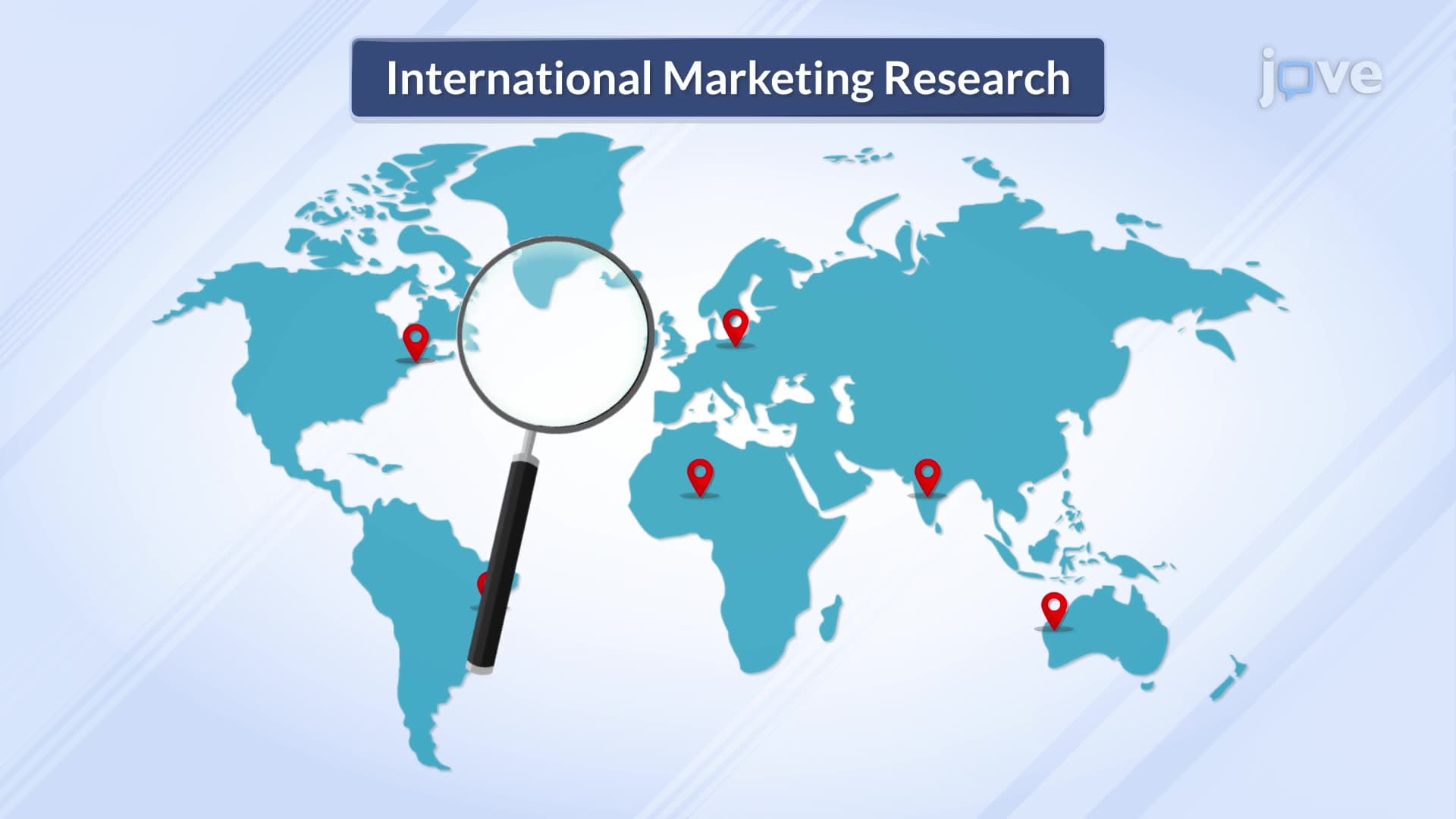
International research requires cultural adaptation, language translation, local regulatory compliance, and diverse data collection methods. Companies like McDonald's must consider local taste preferences and cultural norms when researching new markets. Challenges include varying consumer behavior patterns, different competitive landscapes, and ensuring data comparability across regions while maintaining research validity.
This microcourse includes 19 concept videos that walk you through the building blocks of Marketing. Each video is short, about 1 minute, so you can cover a full topic during a coffee break or between classes. The full sequence starts with Introduction to Market Research and ends with Ethics in Market Research.