Loading concepts…


12 Concepts
16 Concepts
24 Concepts
11 Concepts
19 Concepts
15 Concepts
15 Concepts
25 Concepts
12 Concepts
19 Concepts
15 Concepts
18 Concepts
18 Concepts
31 Concepts
24 Concepts
15 Concepts
10 Concepts
 15 Concepts
 7.9K Views
 Popular topics
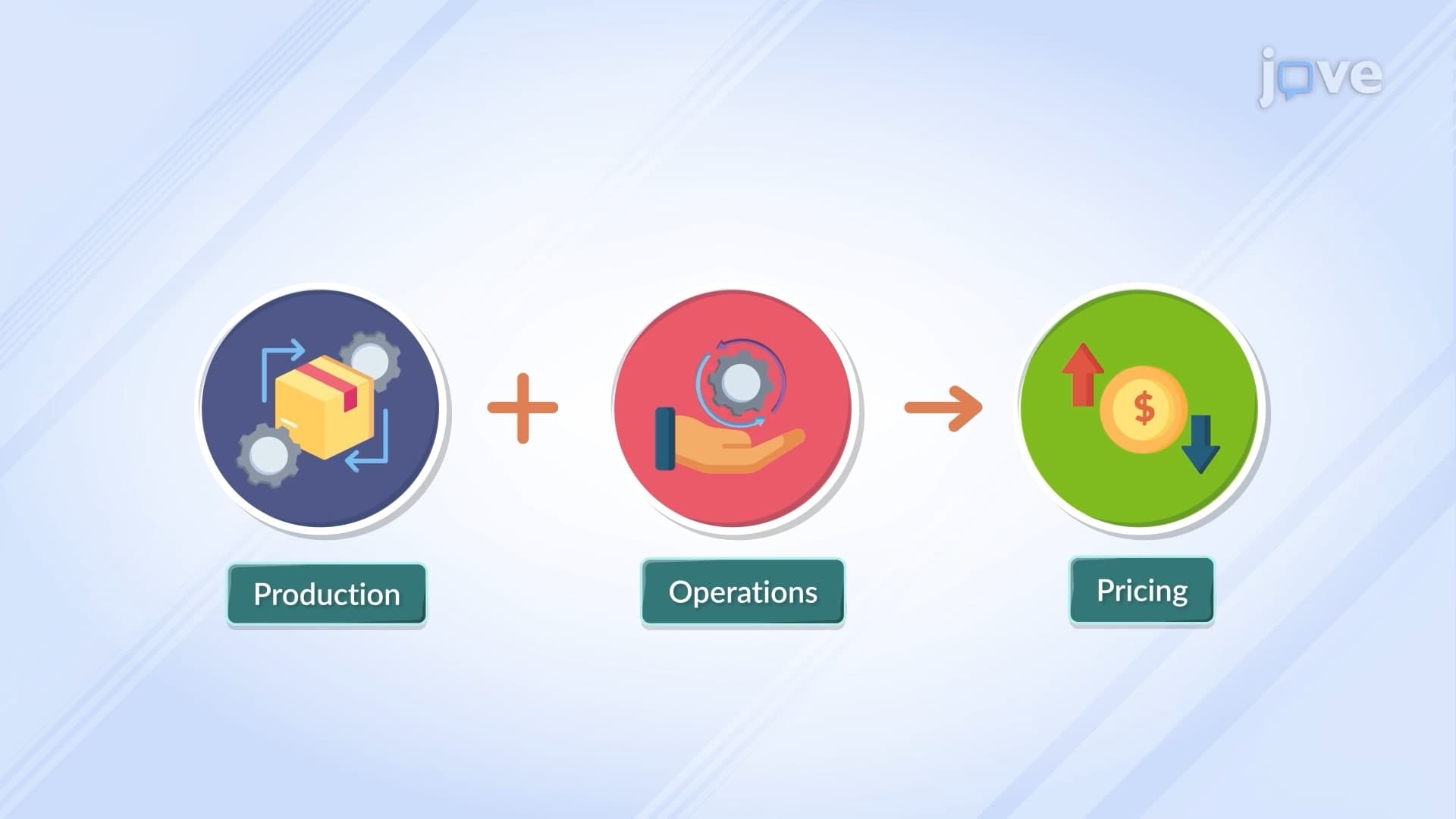






Capturing customer value: price to exchange represents the comprehensive understanding that modern pricing extends far beyond monetary costs to encompass the total customer sacrifice including time, effort, and perceived value. This JoVE Coach micro-course demonstrates how leading companies like Apple, Walmart, and Tesla leverage sophisticated pricing strategies that capture customer value through strategic positioning, competitive differentiation, and market-driven approaches that maximize profitability while delivering exceptional customer experiences.
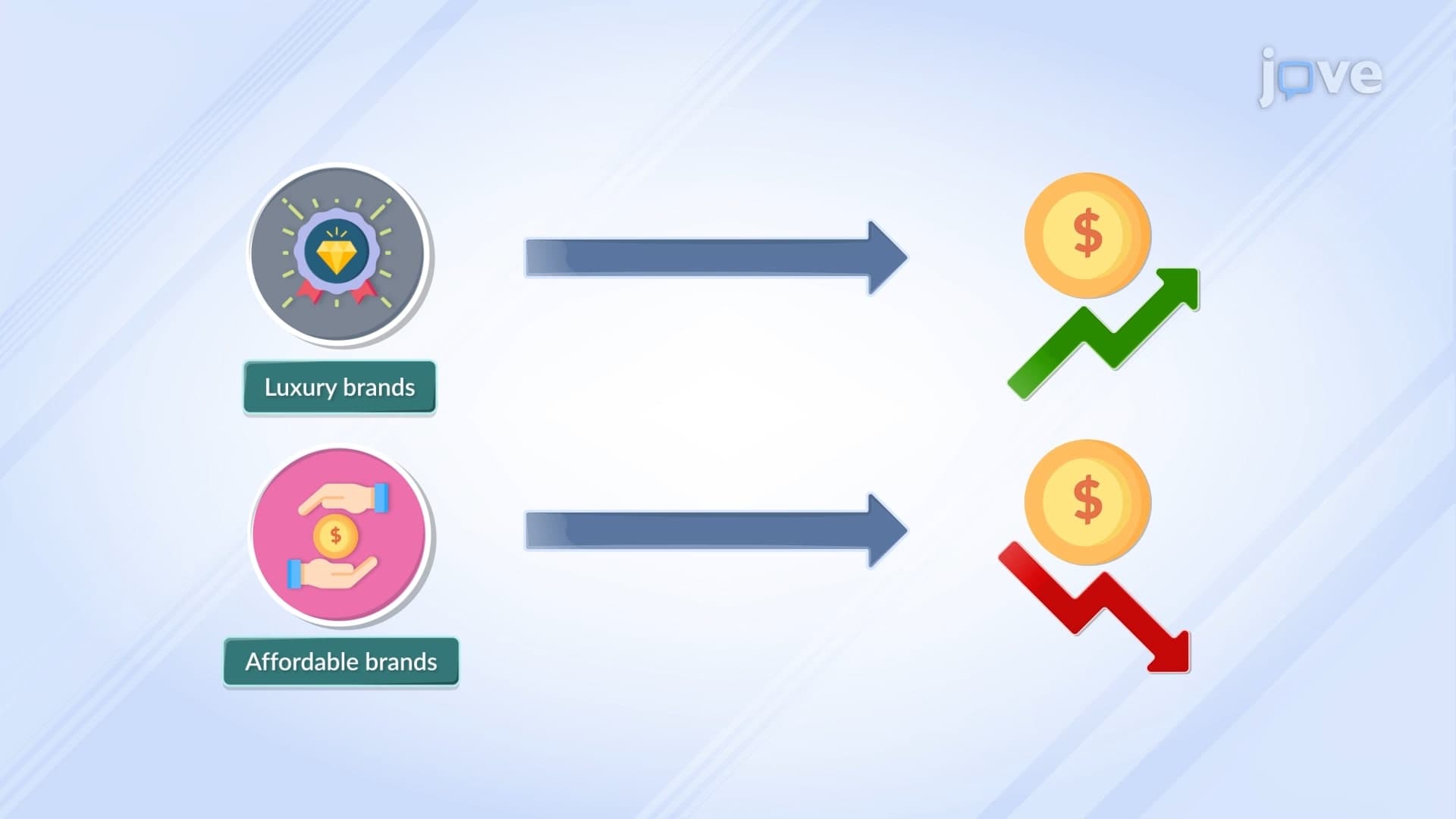
1. Foundational Pricing Principles and Customer Value Exchange Understanding that pricing strategies that capture customer value extend beyond monetary transactions to include time, effort, and perceived benefits customers receive. Companies like Apple demonstrate this principle by pricing iPhones based on ecosystem value and status benefits rather than production costs alone. This comprehensive view of price-to-value exchange enables businesses to justify premium pricing when customers perceive sufficient functional, emotional, or social benefits that exceed their total investment.
2. Strategic Pricing Framework Using the Five C's Model The systematic approach to pricing strategy marketing through Company objectives, Customer willingness to pay, Cost structures, Competitive landscape, and Channel member requirements. Apple's premium positioning versus Samsung's broader market appeal exemplifies how company objectives drive different pricing approaches. This framework ensures pricing decisions align with business goals while considering market realities and customer expectations for sustainable competitive advantage.
3. Internal and External Factors Influencing Pricing Decisions Comprehensive analysis of organizational factors including marketing mix coordination, management decision-making structures, and market conditions such as competition intensity, economic cycles, and regulatory environments. Companies must balance internal capabilities with external market forces, as demonstrated by how smartphone manufacturers adjust pricing based on competitive pressure while maintaining alignment with their positioning strategies and operational requirements.
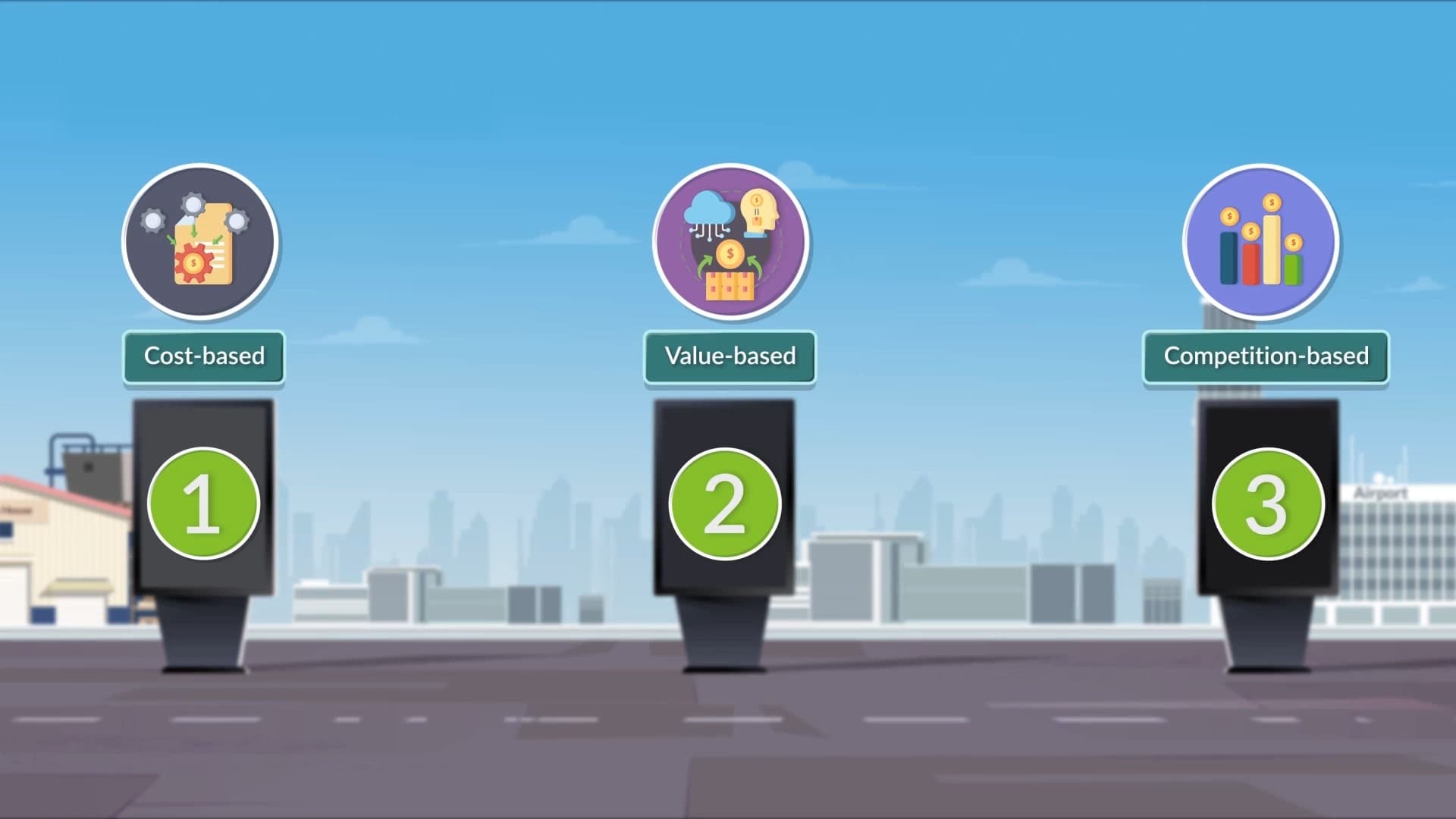
4. Cost-Based, Value-Based, and Competition-Based Pricing Methods Three fundamental approaches to price determination, each suited for different market conditions and business objectives. Value-based pricing, exemplified by business-class airline pricing, captures maximum customer willingness to pay. Cost-plus methods ensure profitability but may miss market opportunities. Competition-based approaches maintain market position but require continuous monitoring of competitive moves and customer response patterns.
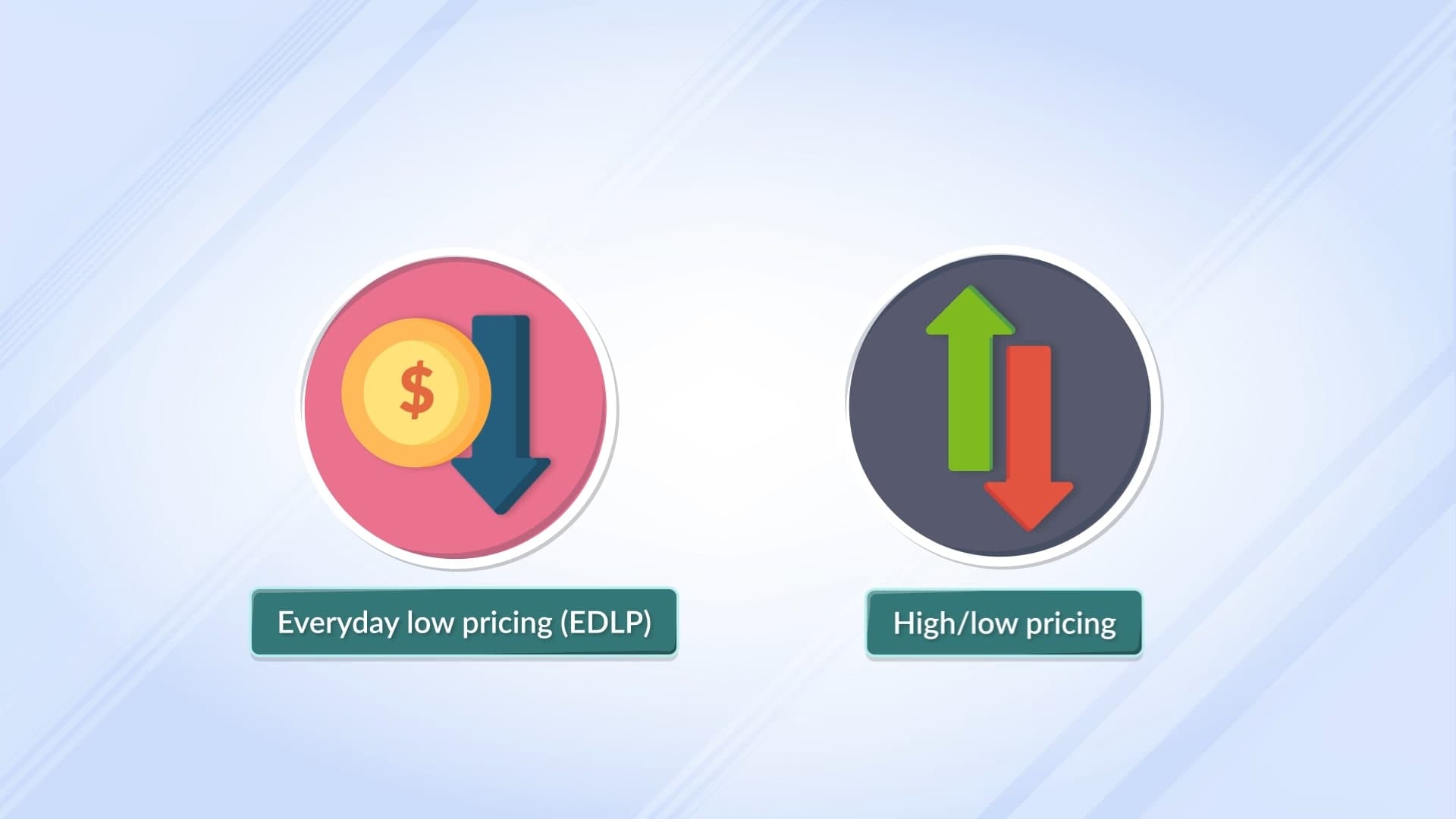
5. Everyday Low Pricing Versus High-Low Pricing Strategies Strategic choice between consistent low pricing (Walmart's EDLP model) and promotional pricing cycles (Nike's high-low approach). EDLP builds customer loyalty and reduces marketing costs but may limit profit margins and perceived quality. High-low pricing creates urgency and excitement but risks brand dilution and requires sophisticated promotional planning to maintain customer engagement without eroding base pricing power.
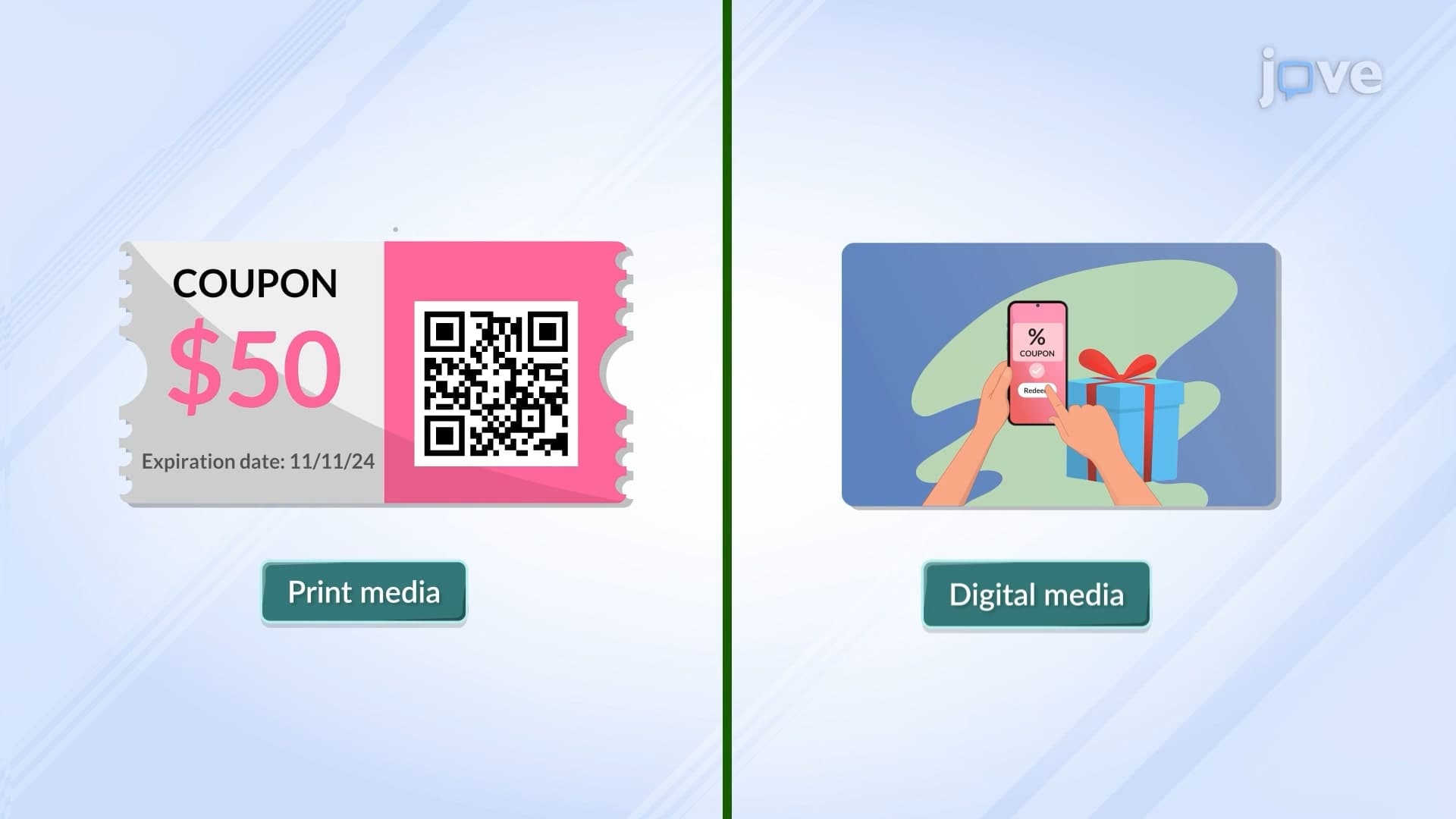
6. Tactical Pricing Implementation and Promotional Strategies Specific pricing tactics including markdowns, quantity discounts, seasonal pricing, coupons, rebates, bundling, and leader pricing strategies. McDonald's value meal bundles demonstrate effective price bundling that increases average transaction value while providing customer convenience. These tactical approaches require careful coordination with overall pricing strategy to avoid undermining brand positioning or long-term profitability objectives.
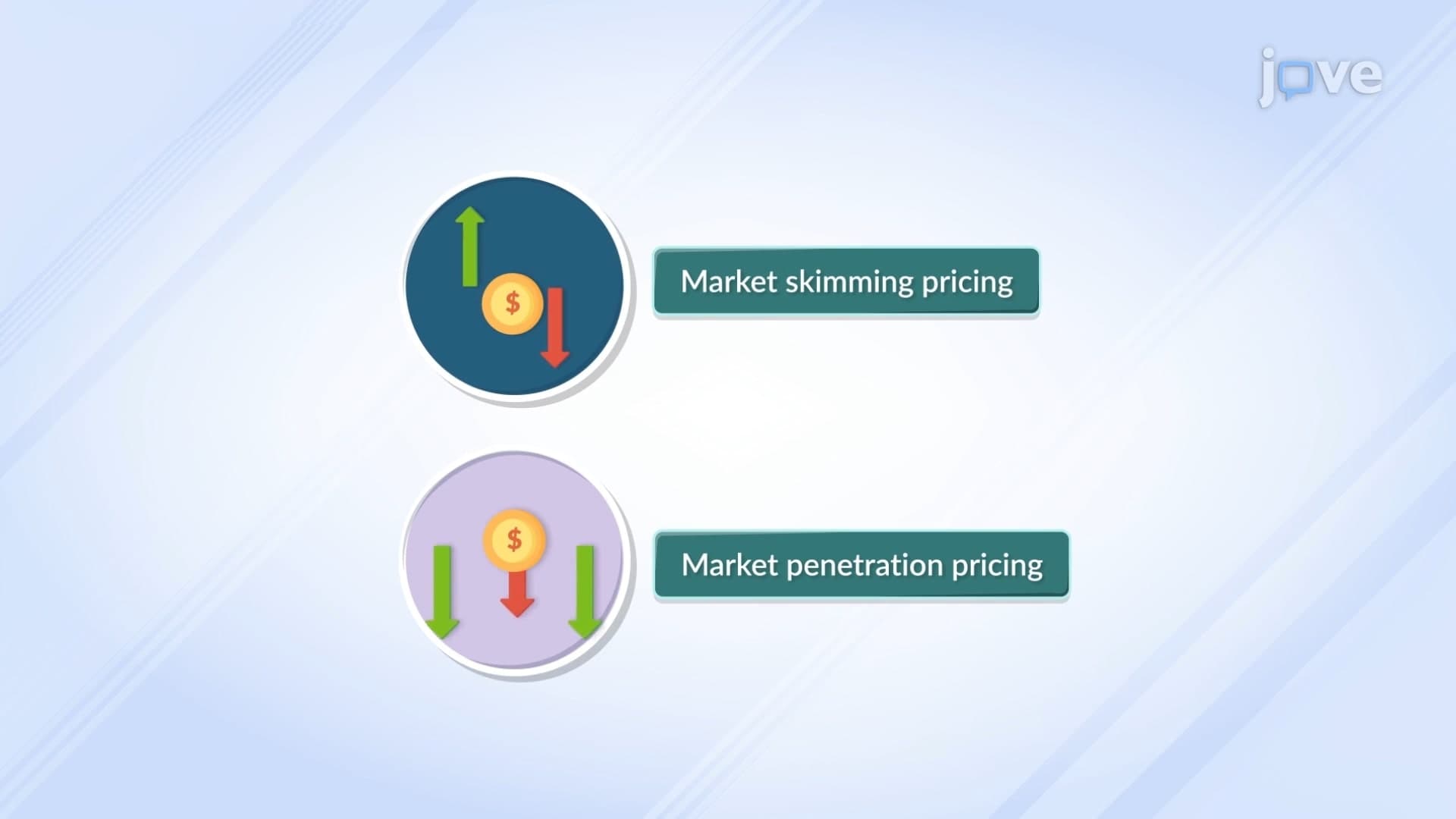
7. New Product Pricing: Market Skimming and Penetration Approaches Strategic pricing for product launches using either premium pricing that captures early adopter value (Apple's iPhone strategy) or aggressive pricing that builds market share quickly (Xiaomi's smartphone approach). The choice depends on product differentiation, competitive intensity, price elasticity, and long-term market objectives. Both strategies require careful execution to achieve intended market positioning and financial outcomes.
8. Product Mix and Portfolio Pricing Optimization Coordinated pricing across multiple products including product line pricing, optional product pricing, captive product pricing, by-product pricing, and bundle pricing strategies. Tesla's Model S, 3, X, and Y pricing demonstrates effective product line management that captures different customer segments while maximizing portfolio profitability. This approach requires understanding customer migration patterns and competitive responses across price points.
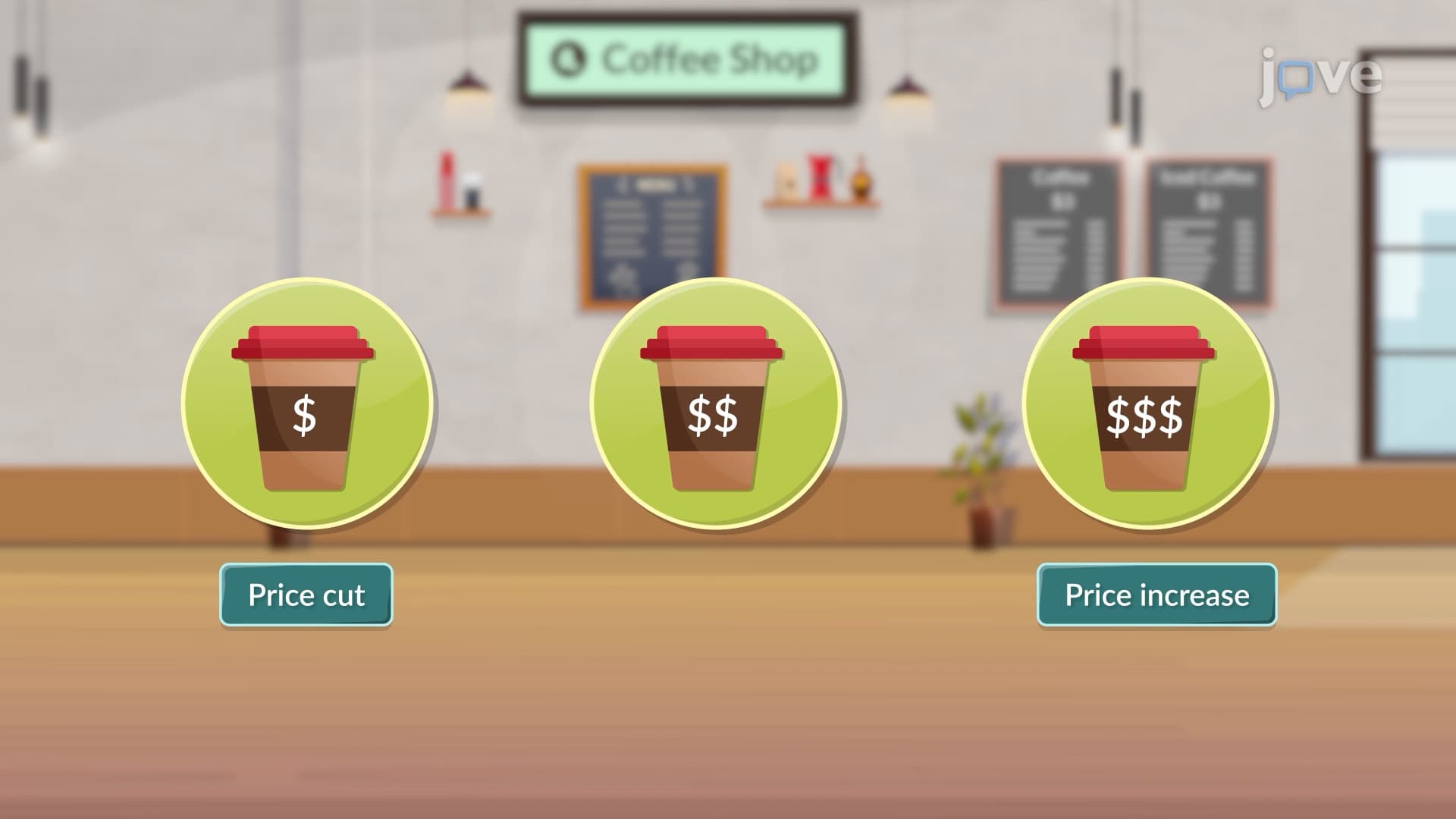
9. Dynamic Price Adjustment and Market Response Strategies Real-time pricing modifications based on demand fluctuations, competitive moves, customer segments, and geographic considerations. Airlines exemplify dynamic pricing through demand-based ticket pricing, while Amazon demonstrates customer-specific pricing based on browsing behavior and purchase history. These approaches require sophisticated analytical capabilities and careful attention to customer fairness perceptions and competitive reactions.