Loading concepts…


12 Concepts
16 Concepts
24 Concepts
11 Concepts
19 Concepts
15 Concepts
15 Concepts
25 Concepts
12 Concepts
19 Concepts
15 Concepts
18 Concepts
18 Concepts
31 Concepts
24 Concepts
15 Concepts
10 Concepts
 16 Concepts
 22.8K Views
 Popular topics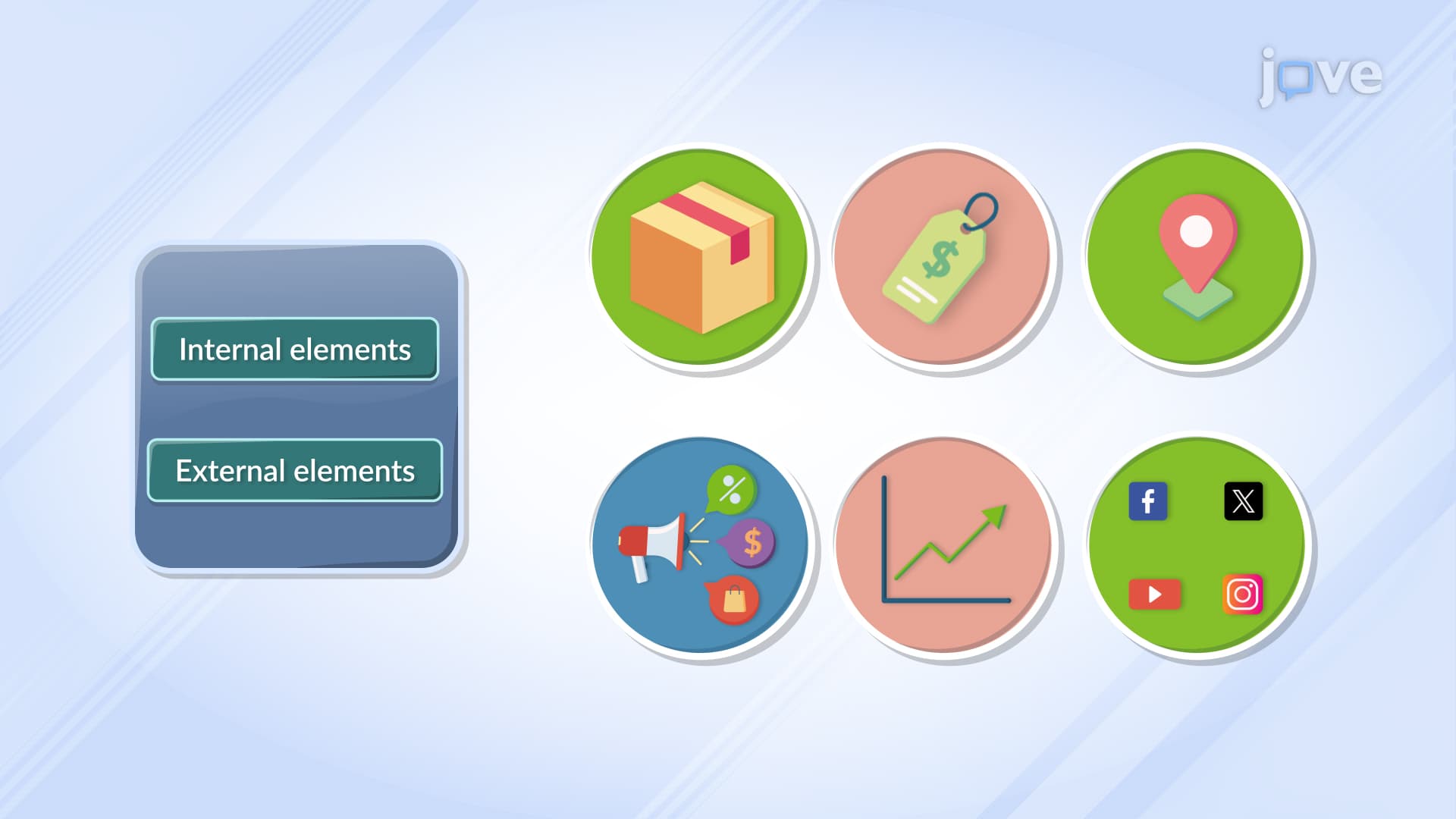







Understanding the marketing environment enables professionals to make strategic decisions that drive business performance. This comprehensive analysis framework covers external marketing analysis and internal factors in the marketing environment through proven methodologies. From Disney's streaming expansion to Southwest Airlines' competitive positioning, learn how industry leaders leverage environmental scanning, PESTLE analysis, and competitive intelligence to identify opportunities, mitigate threats, and sustain market advantage. JoVE Coach delivers practical insights for immediate workplace application.
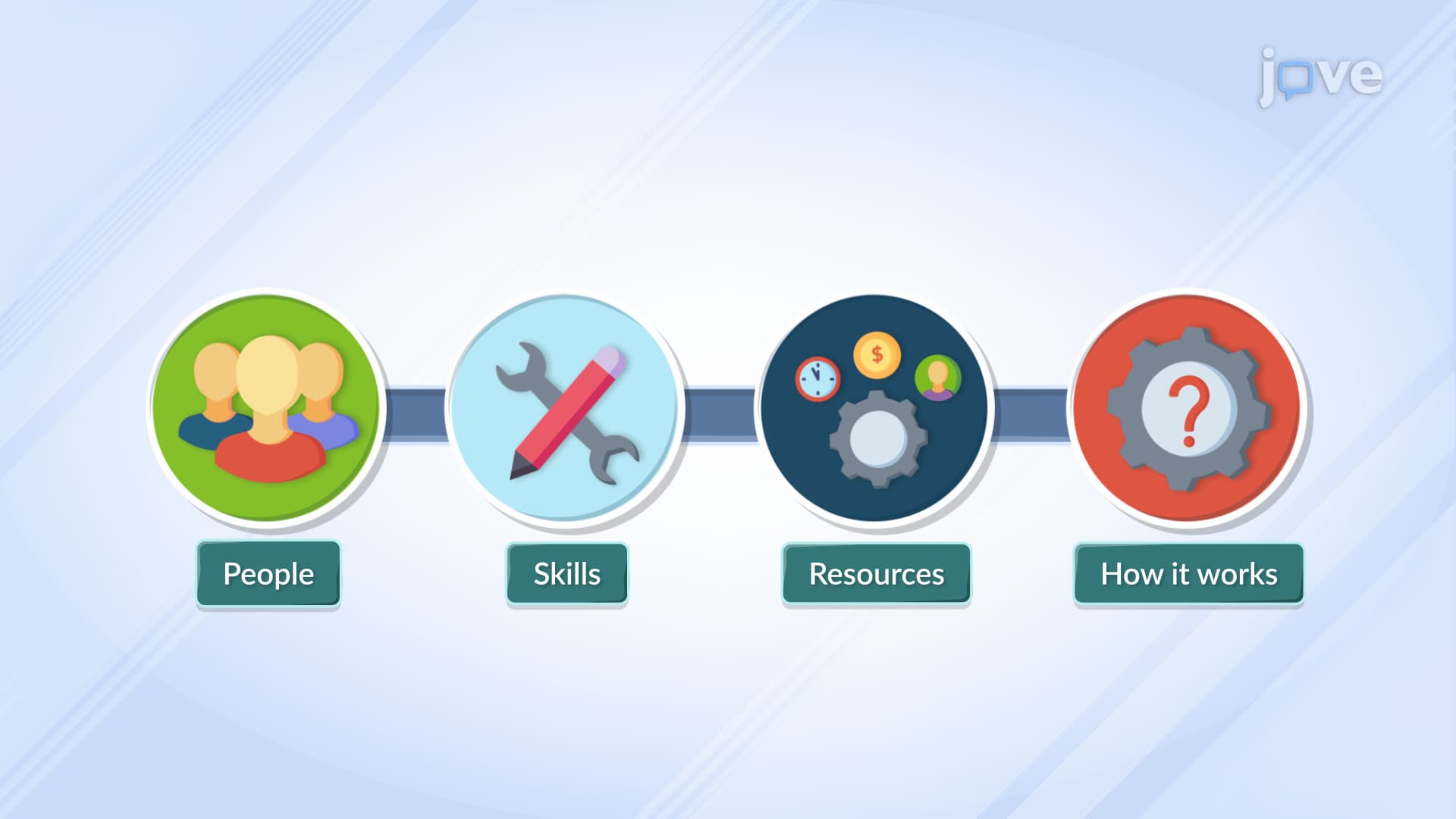
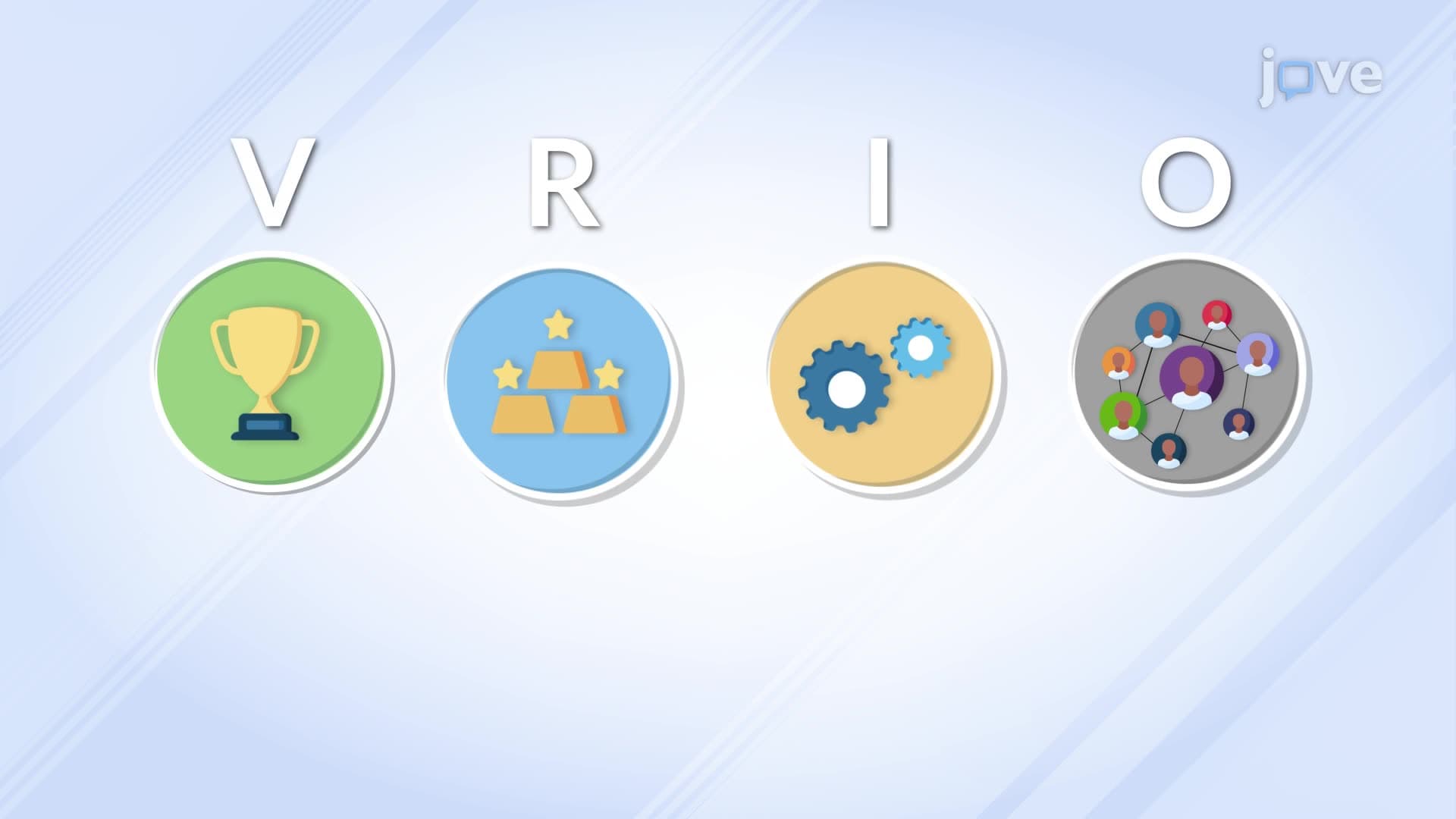
1. Internal Environment and Organizational Capacity Assessment Master frameworks for evaluating internal strengths and weaknesses that impact marketing effectiveness. Learn how Coca-Cola leverages financial resources for global marketing reach while Starbucks builds competitive advantage through exceptional service capabilities. Apply VRIO analysis to identify sustainable competitive advantages, assess organizational readiness for strategic initiatives, and optimize resource allocation across marketing functions for maximum business impact.
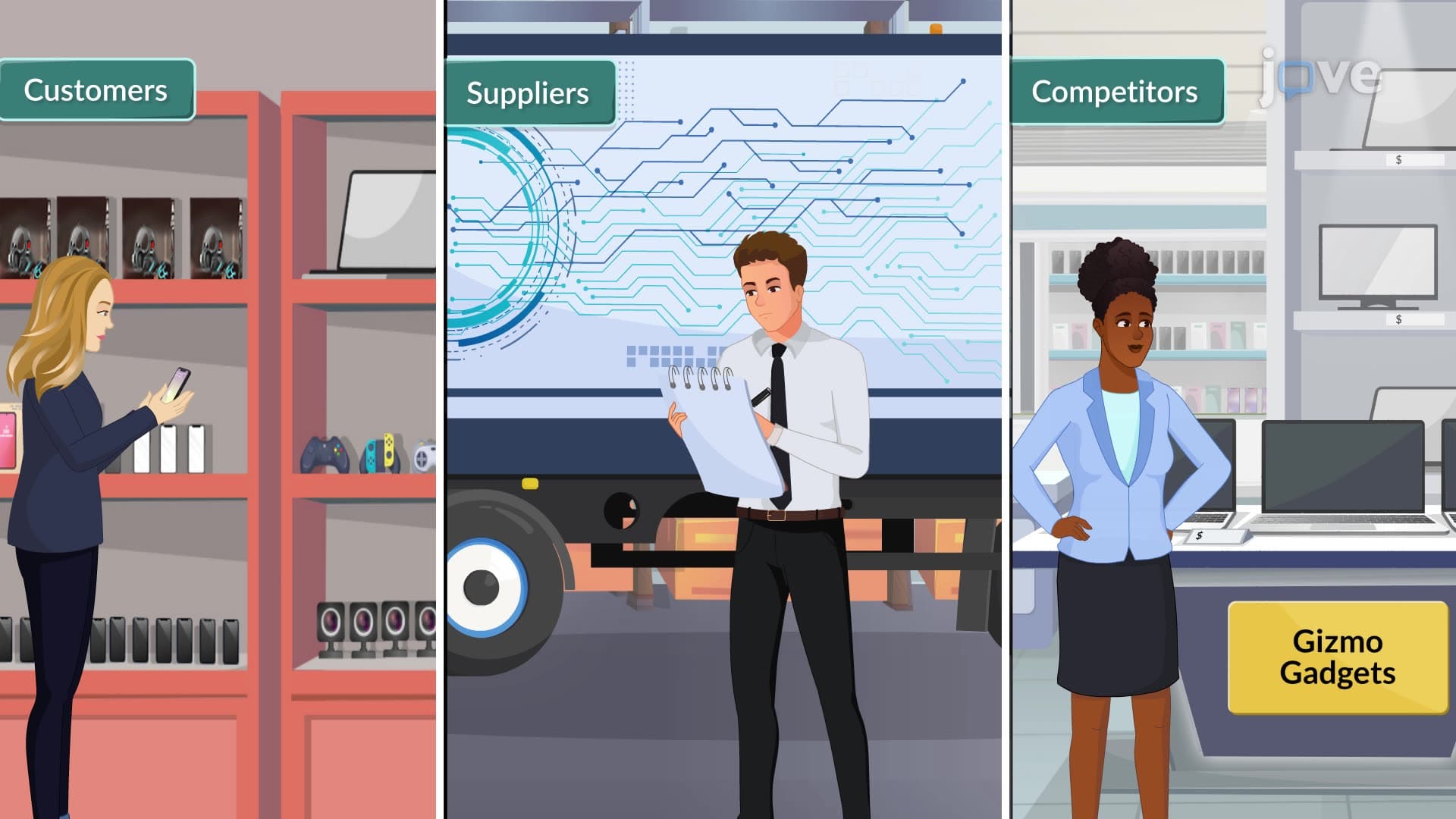
2. Micro-Environment Analysis and Stakeholder Management Develop expertise in analyzing immediate external factors including customers, suppliers, and direct competitors. Understand how local electronics retailers adapt product mix based on customer demand shifts, while Southwest Airlines manages supplier relationships with Boeing and Airbus. Master techniques for monitoring stakeholder influence, anticipating supply chain disruptions, and maintaining competitive positioning within your immediate business ecosystem.
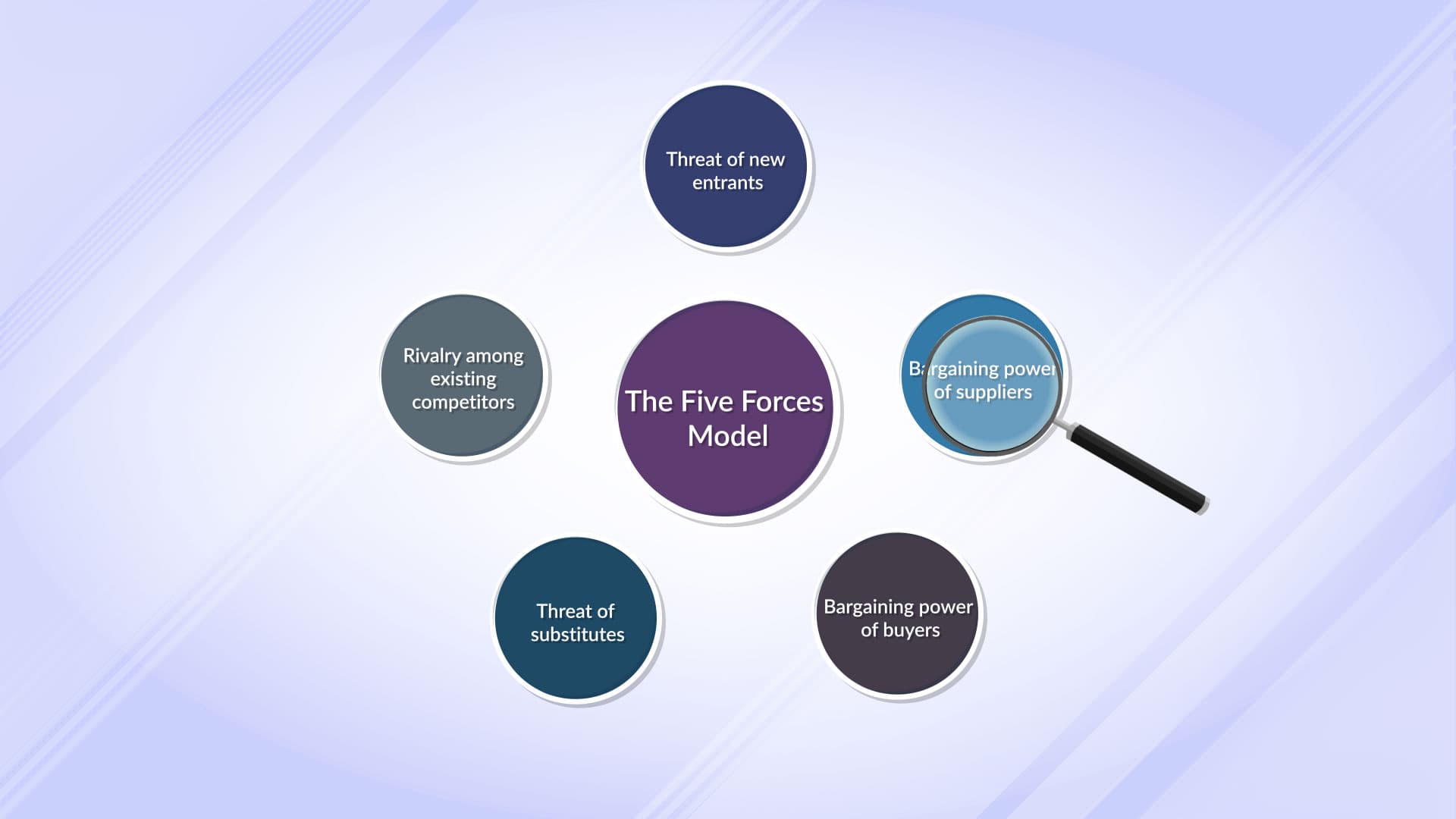
3. Porter's Five Forces and Competitive Dynamics Apply systematic competitive analysis to assess industry profitability and strategic positioning. Examine how Southwest Airlines navigates regulatory barriers, supplier concentration, and intense rivalry from Delta, American, and United. Learn to evaluate buyer power, substitute threats, and new entrant risks to inform pricing strategies, market entry decisions, and defensive competitive moves that protect market share.
4. Competitor Analysis and Market Positioning Implement comprehensive competitor intelligence gathering and positioning analysis. Study Tesla's competitive landscape including direct rivals like Porsche Taycan and indirect competitors from micro-mobility services. Master perceptual mapping techniques to visualize competitive positioning, identify market gaps, and develop differentiation strategies that resonate with target customers while exploiting competitor weaknesses.
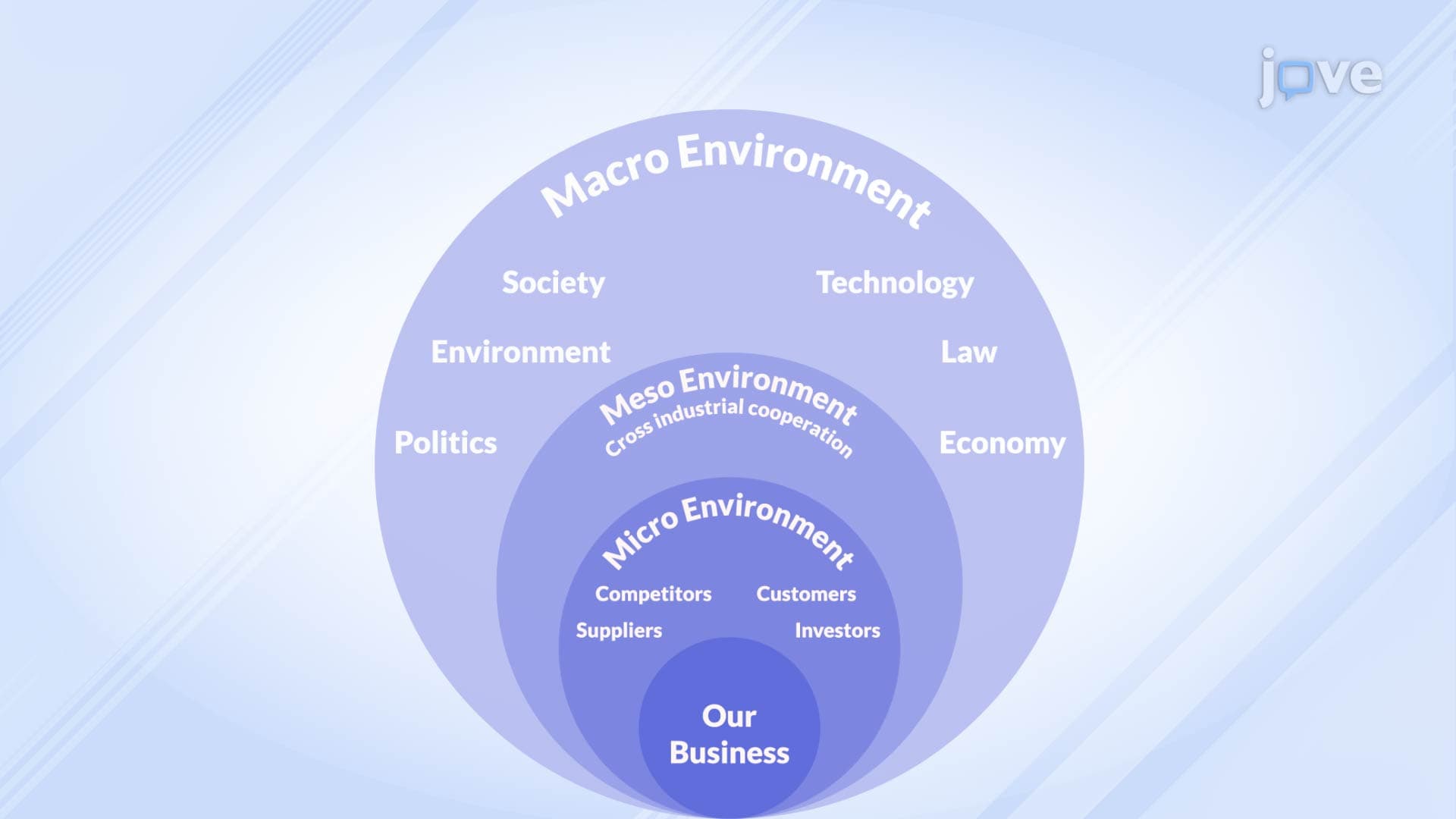
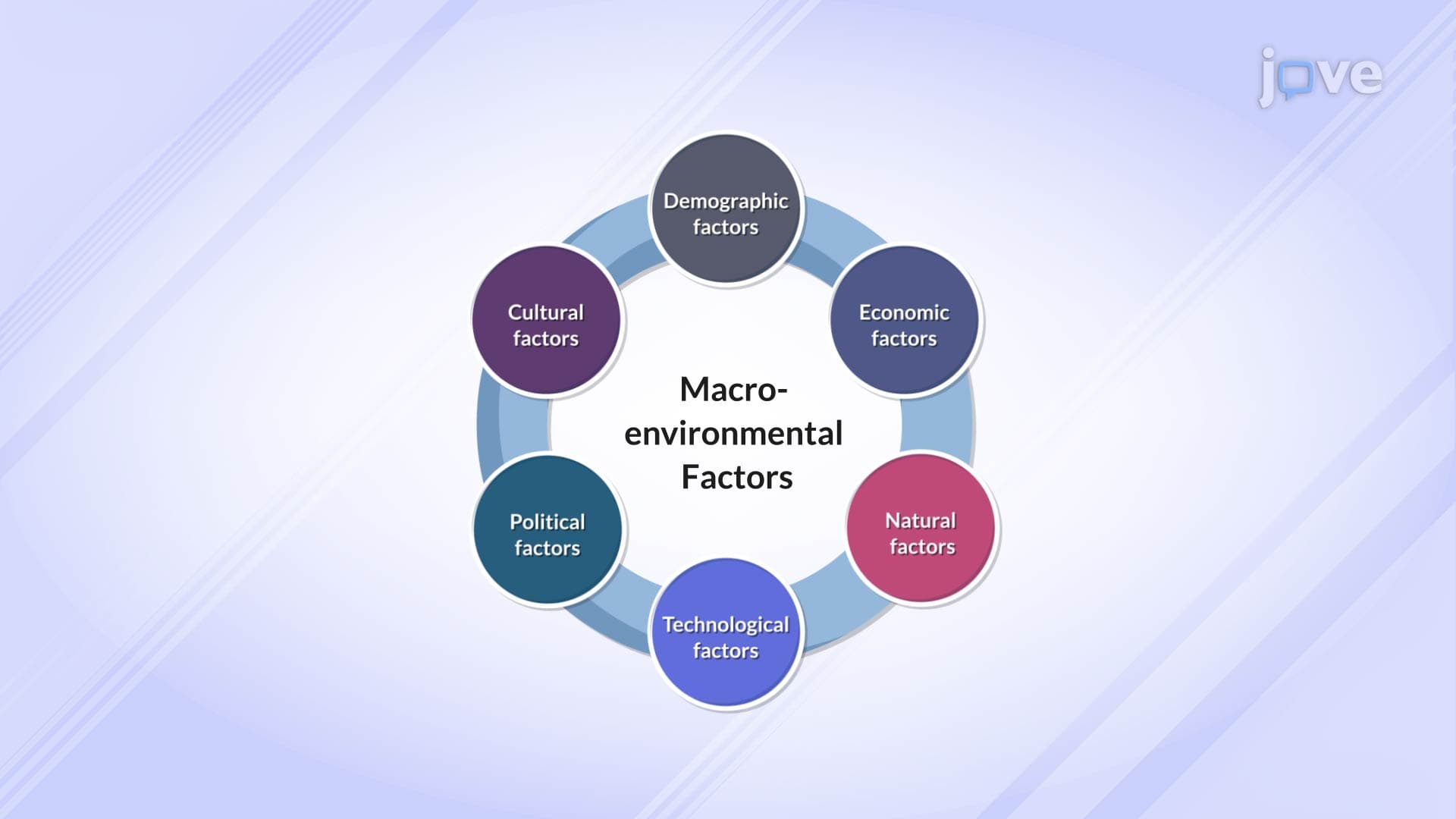
5. Macro-Environment and PESTLE Analysis Execute thorough macro-environmental scanning to identify external opportunities and threats. Analyze how COVID-19 created growth opportunities for Zoom while devastating Delta Air Lines through travel restrictions. Apply PESTLE framework to evaluate political, economic, social, technological, environmental, and legal factors affecting strategic planning, risk management, and long-term business sustainability across diverse industry contexts.
6. Value Chain Optimization and Strategic Focus Optimize organizational value chains to enhance efficiency and competitive advantage. Compare how Tesla excels in technology development, Toyota dominates manufacturing efficiency, and BMW leads in luxury branding and marketing. Learn to identify core competencies, evaluate outsourcing opportunities like Uber's asset-light model, and concentrate resources on activities that create maximum customer value and competitive differentiation.
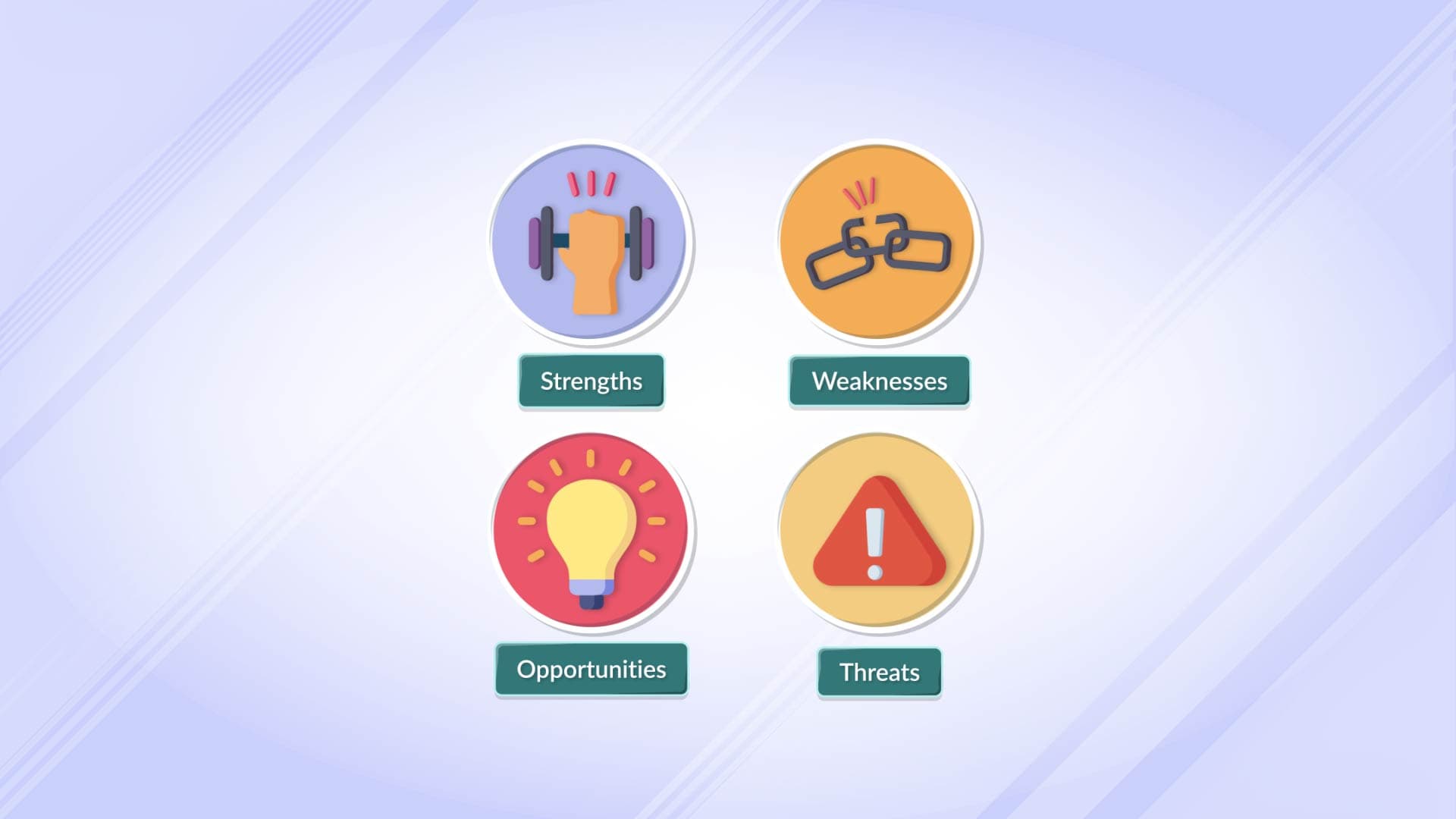
7. SWOT Integration and Strategic Planning Synthesize environmental analysis into actionable marketing strategies using SWOT methodology. Examine Disney's approach to leveraging brand strength for Disney+ streaming success while addressing demographic limitations and premium pricing challenges. Master techniques for matching internal capabilities with external opportunities, developing threat mitigation strategies, and creating integrated marketing plans that drive sustainable business growth.