Loading concepts…


12 Concepts
16 Concepts
24 Concepts
11 Concepts
19 Concepts
15 Concepts
15 Concepts
25 Concepts
12 Concepts
19 Concepts
15 Concepts
18 Concepts
18 Concepts
31 Concepts
24 Concepts
15 Concepts
10 Concepts
 11 Concepts
 17.2K Views
 Popular topics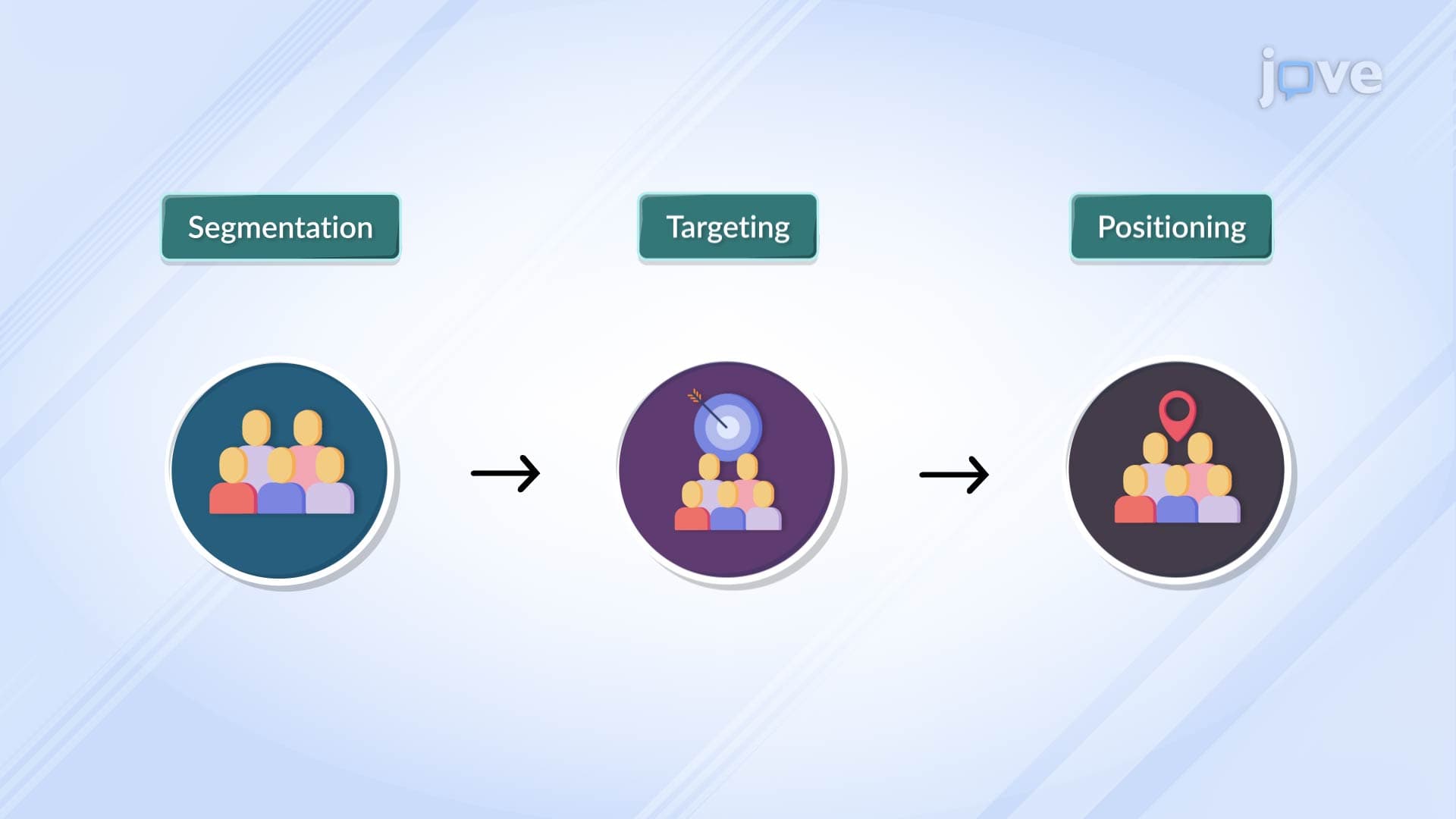




Segmentation, targeting, positioning (STP) is a foundational marketing framework that enables businesses to identify profitable customer segments, select optimal target markets, and create compelling brand differentiation. This comprehensive JoVE Coach micro-course demonstrates how leading companies like Tesla, Samsung, and Walmart leverage STP marketing strategy principles to maximize marketing ROI and drive sustainable competitive advantage in today's dynamic marketplace.
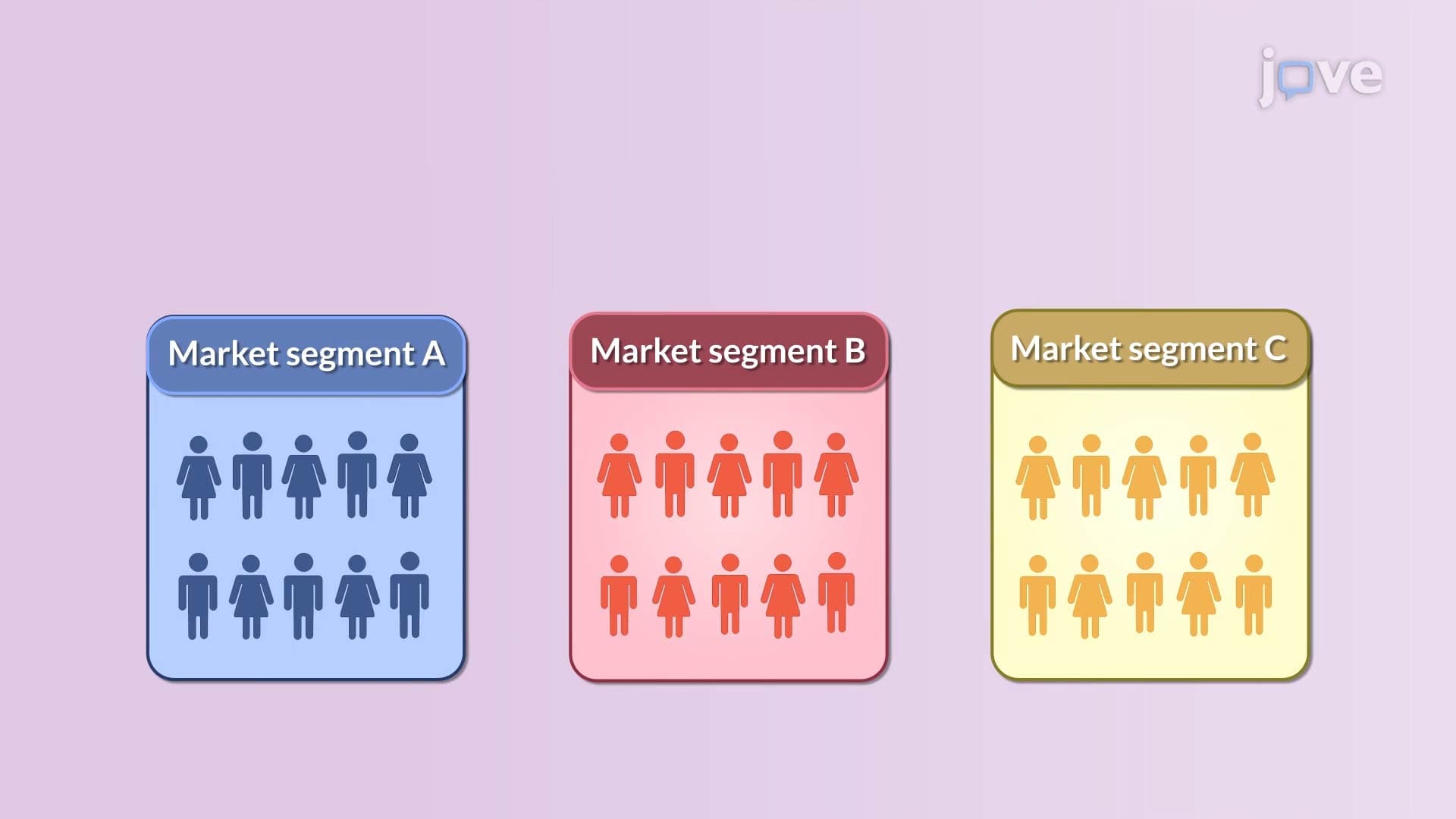
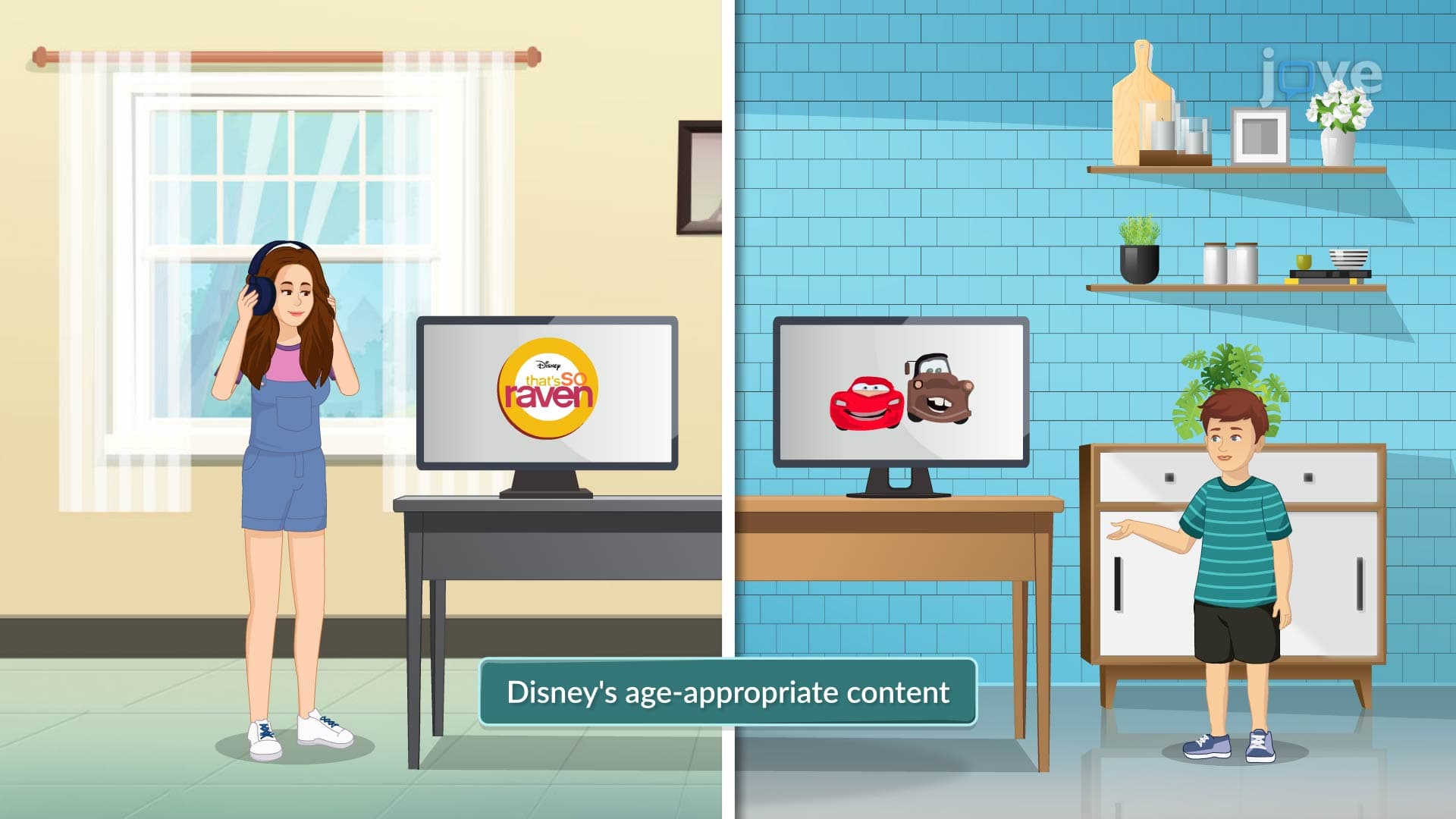
1. Strategic Market Segmentation Framework Master the four primary market segmentation methods: demographic (age, income, occupation), geographic (regional climate adaptation), psychographic (lifestyle preferences), and behavioral (purchase patterns, brand loyalty). Learn how L'Oréal successfully segments beauty markets across age groups and skin types, while companies like The North Face adapt product lines based on geographic climate conditions. Understanding these segmentation approaches enables precise resource allocation and targeted messaging that resonates with specific customer groups, ultimately improving marketing effectiveness and reducing customer acquisition costs.
2. Industrial B2B Market Segmentation Explore the nested approach for segmenting complex business markets, progressing from broad demographic factors (industry type, company size) to specific operational variables (technology adoption, production capacity) and purchasing characteristics (decision-making processes, procurement preferences). This systematic methodology helps B2B organizations navigate complex buying processes and multiple stakeholders, enabling more effective account-based marketing strategies and improved sales conversion rates in industrial sectors.
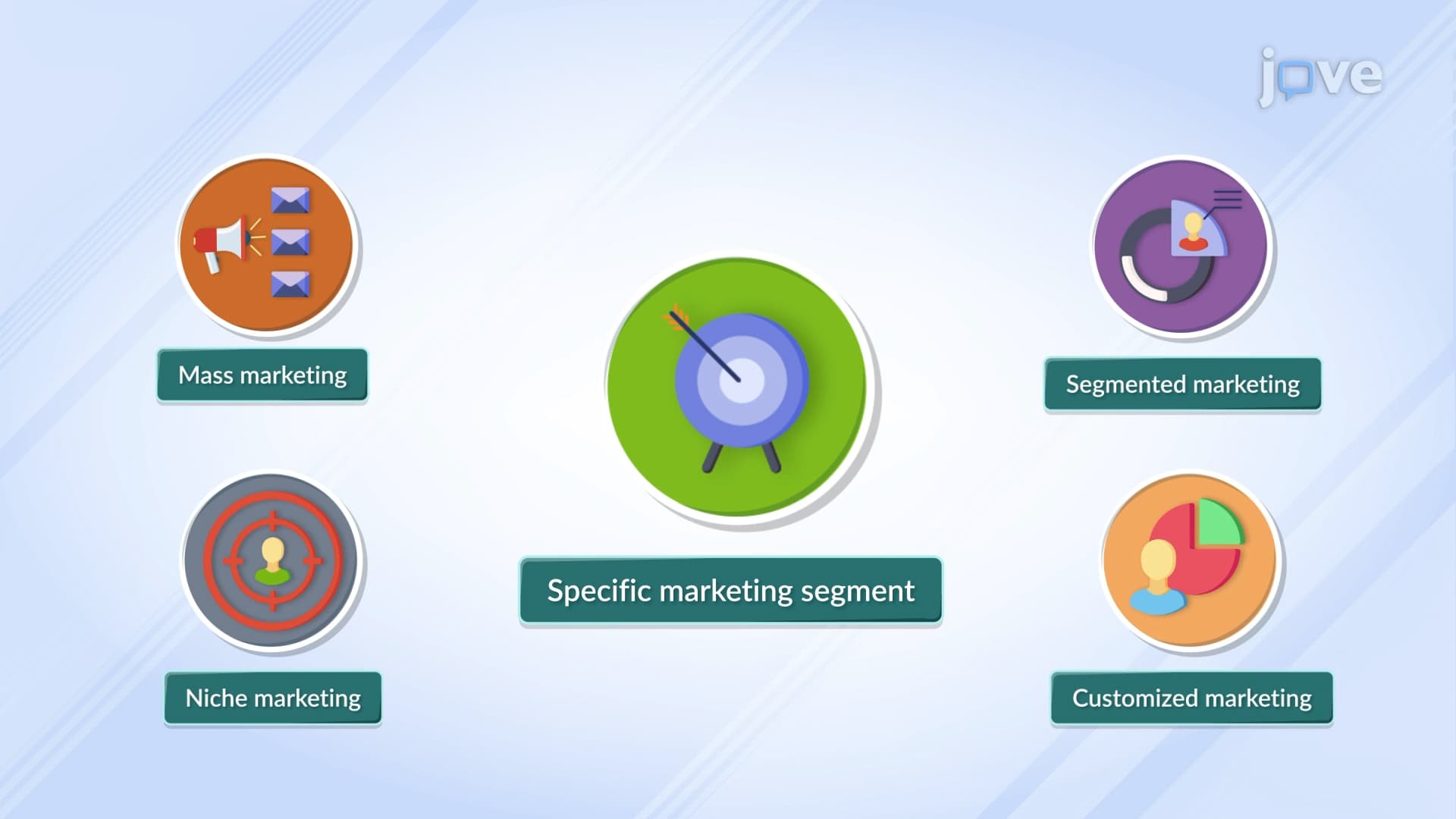
3. Target Market Selection and Strategy Implementation Evaluate segment attractiveness using five critical criteria: identifiability, substantiality, reachability, responsiveness, and profitability. Learn when to apply undifferentiated targeting (like M&M's mass market approach), differentiated targeting (Samsung's multiple mobile device segments), concentrated niche marketing (specialized left-handed products), or micromarketing strategies. Strategic targeting decisions directly impact marketing ROI and competitive positioning, making this knowledge essential for optimizing market entry and expansion strategies.
4. Customer Persona Development and Application Transform demographic data into actionable customer personas that drive product development, marketing communications, and service delivery decisions. Move beyond basic demographics to understand customer motivations, pain points, purchasing contexts, and communication preferences. Well-developed personas enable more personalized marketing campaigns, improved product-market fit, and enhanced customer experience design, leading to higher conversion rates and customer lifetime value.
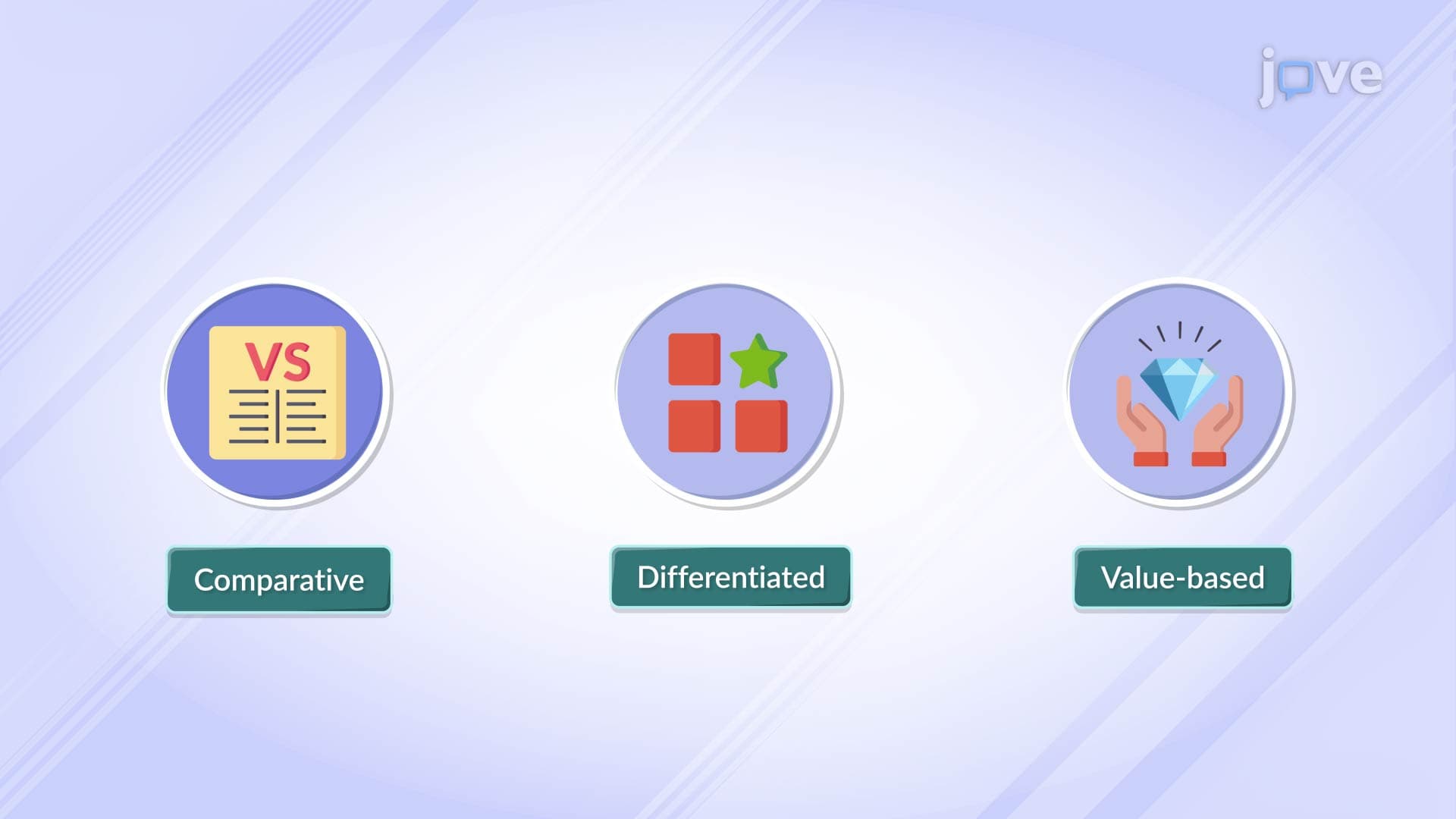
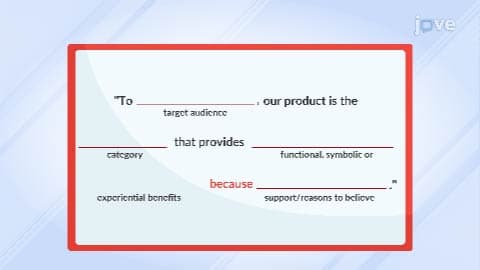
5. Competitive Positioning and Differentiation Strategy Implement comparative, differentiated, and value-based positioning strategy approaches using perceptual mapping techniques to identify market gaps and competitive advantages. Analyze successful positioning examples from Tesla's electric vehicle pioneering to Walmart's "same for less" value proposition. Effective positioning creates sustainable competitive advantages, justifies premium pricing, and builds strong brand equity that drives customer loyalty and market share growth.