Loading video…


 11 Concepts
 17.2K views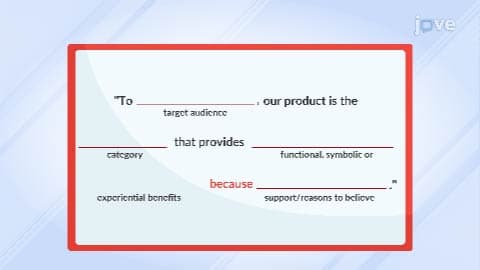

Video Summary: What Is Positioning Statement
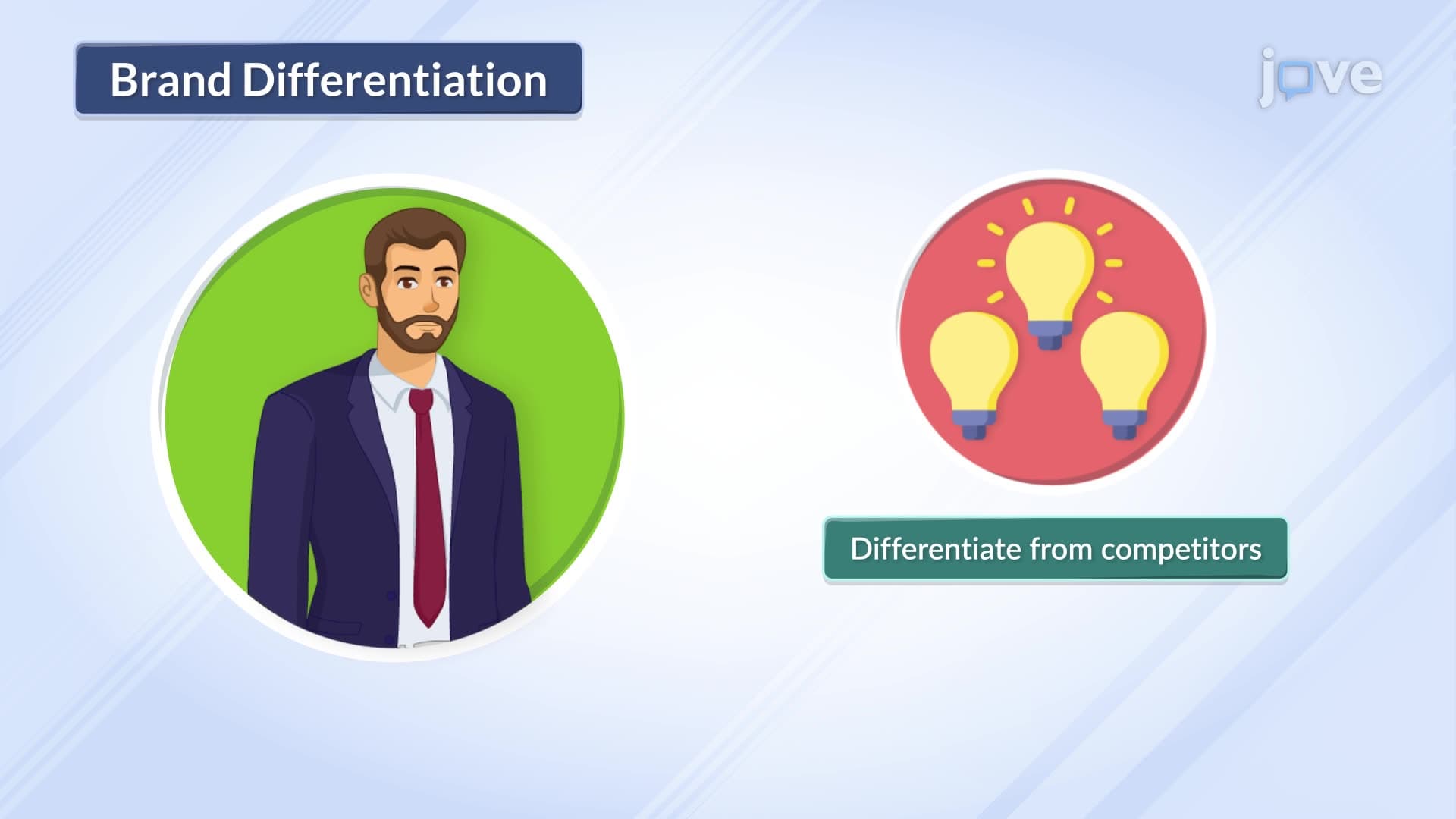
Fortune 500 brands lose millions annually when positioning statements fail to differentiate their offerings in crowded markets. A positioning statement serves as your strategic compass, defining how your product or service occupies a distinct space in customers' minds versus competitors. Companies like Nike have mastered this art, positioning themselves beyond athletic wear to embody performance and inspiration. This foundational marketing concept guides everything from product development to advertising campaigns. Watch the full video on JoVE Coach to master this concept with expert-led visuals and step-by-step explanations.
Every successful business executive faces the challenge of standing out in saturated markets. Whether you're launching a new product line, entering a competitive sector, or defending market share, your positioning statement becomes the strategic foundation that determines success or failure.
A positioning statement definition explained reveals it as more than marketing copy-it's a strategic business tool that drives revenue growth. When Starbucks positions itself as the "third place" between home and work, they're not just selling coffee; they're commanding premium pricing for an experience. This positioning enables them to charge $5 for a beverage that costs pennies to produce, demonstrating the direct P&L impact of effective positioning.
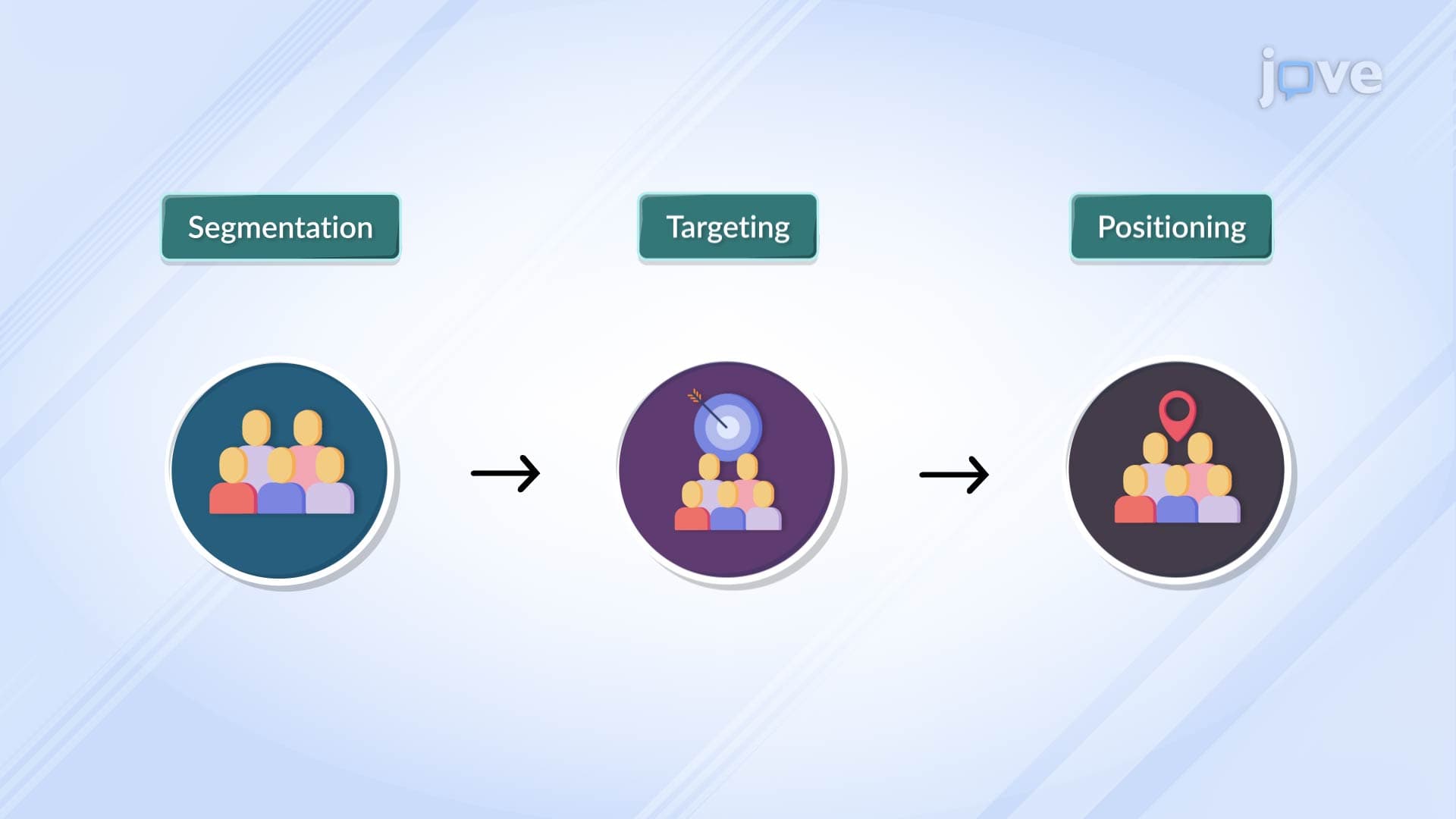
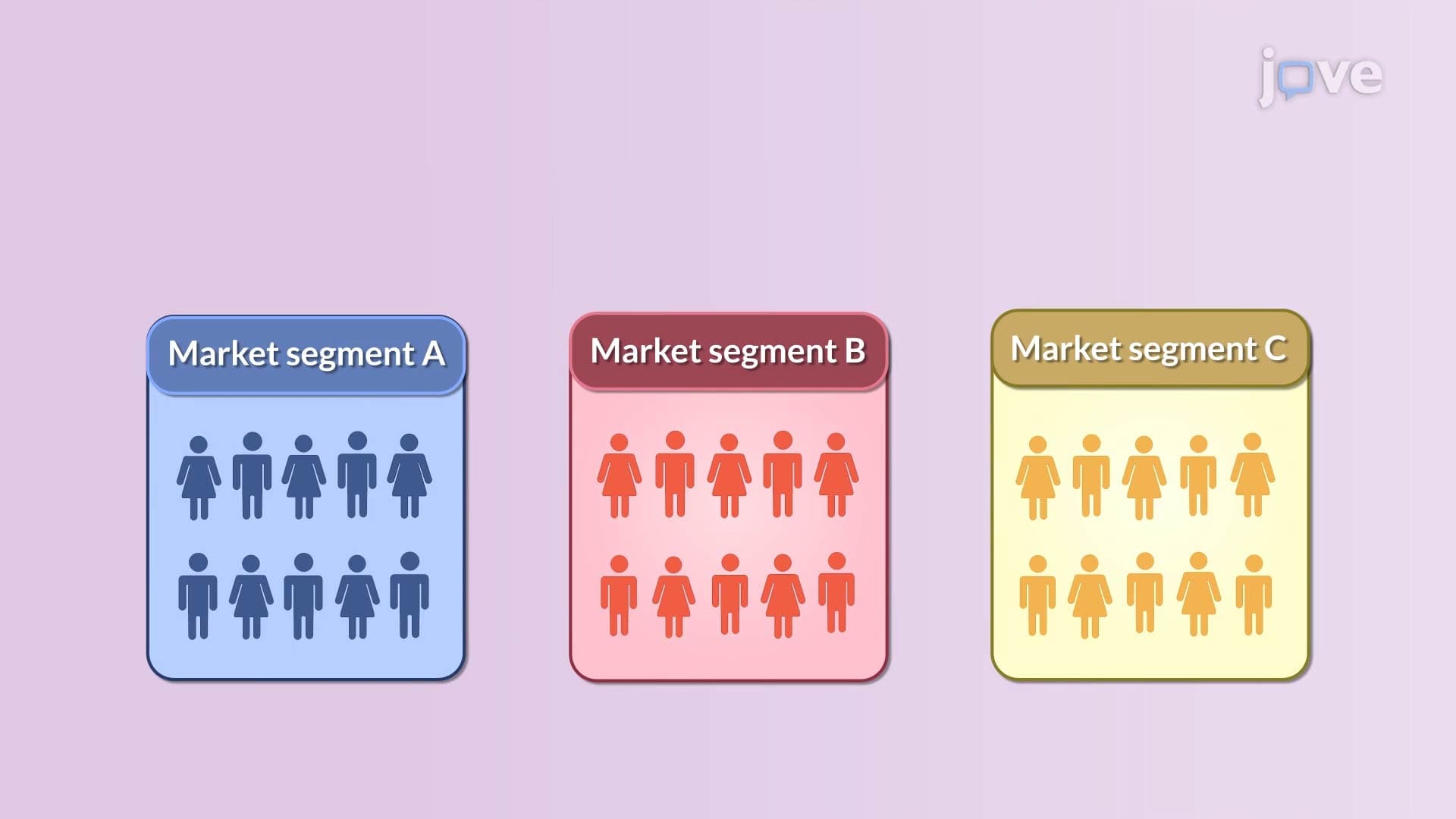
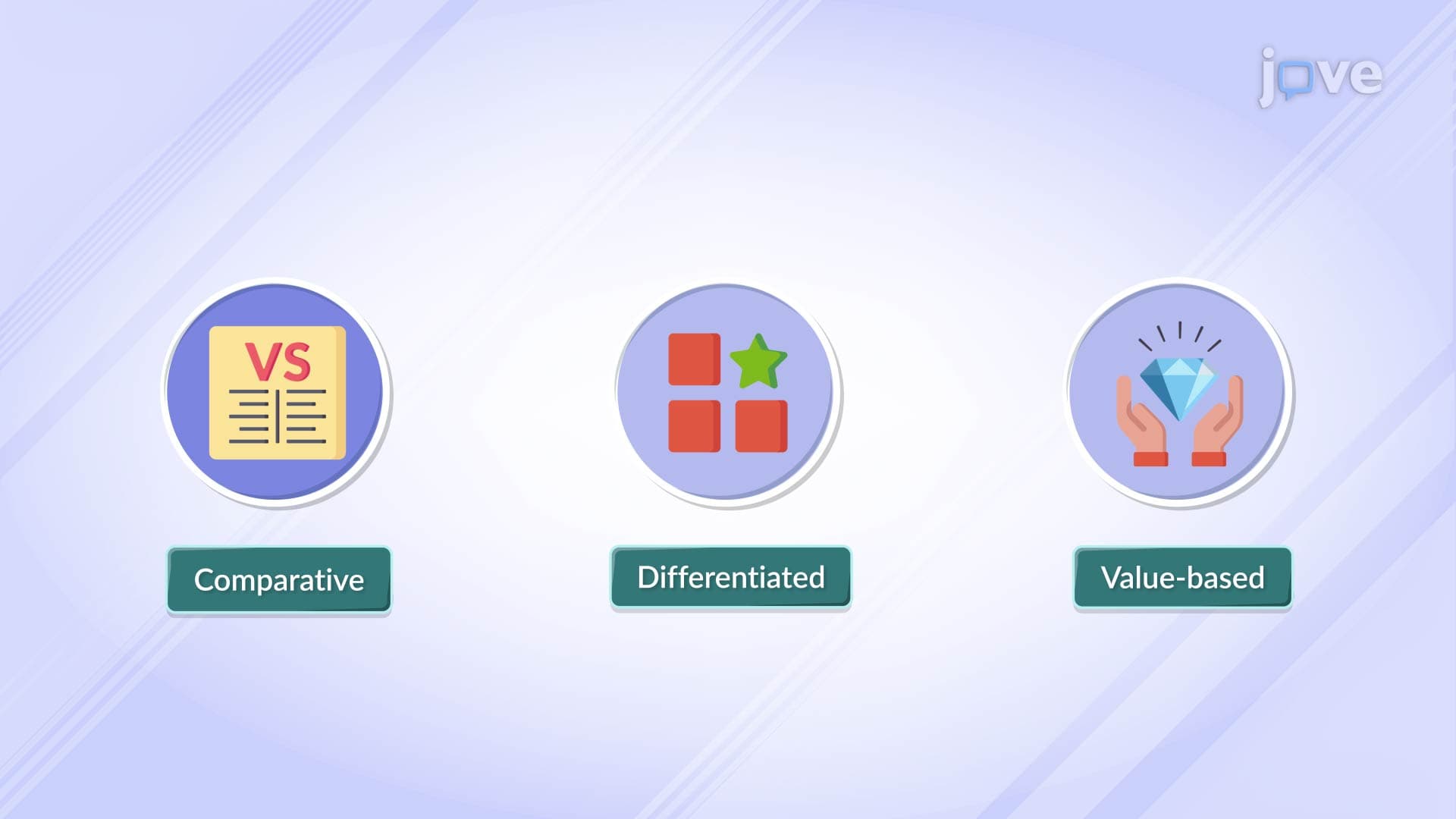
Professional positioning statement development requires understanding three critical components. First, precisely define your target customers beyond demographics to include psychographics, pain points, and decision-making criteria. Second, establish your category framework-how customers mentally categorize your offering versus alternatives. Third, articulate your unique selling proposition with specificity that competitors cannot easily replicate.
The positioning statement concept explained extends far beyond marketing departments. Sales teams use positioning to structure client conversations and justify pricing. Product managers leverage positioning to prioritize feature development and resource allocation. Executive teams reference positioning when making acquisition decisions or entering new markets.
Consider how Amazon Web Services positioned itself against established enterprise software companies. Rather than competing on traditional IT metrics, AWS positioned cloud services as business enablement tools, focusing on speed, scalability, and innovation. This positioning strategy captured market leadership and generated billions in revenue by reframing the competitive landscape.
Effective positioning statements drive measurable business outcomes. Monitor brand awareness metrics, pricing power, customer acquisition costs, and competitive win rates to assess positioning effectiveness. Regular positioning audits help identify when market shifts or competitive actions require strategic adjustments to maintain differentiation and market relevance.
Related Micro-courses