Loading video…


 11 Concepts
 17.2K views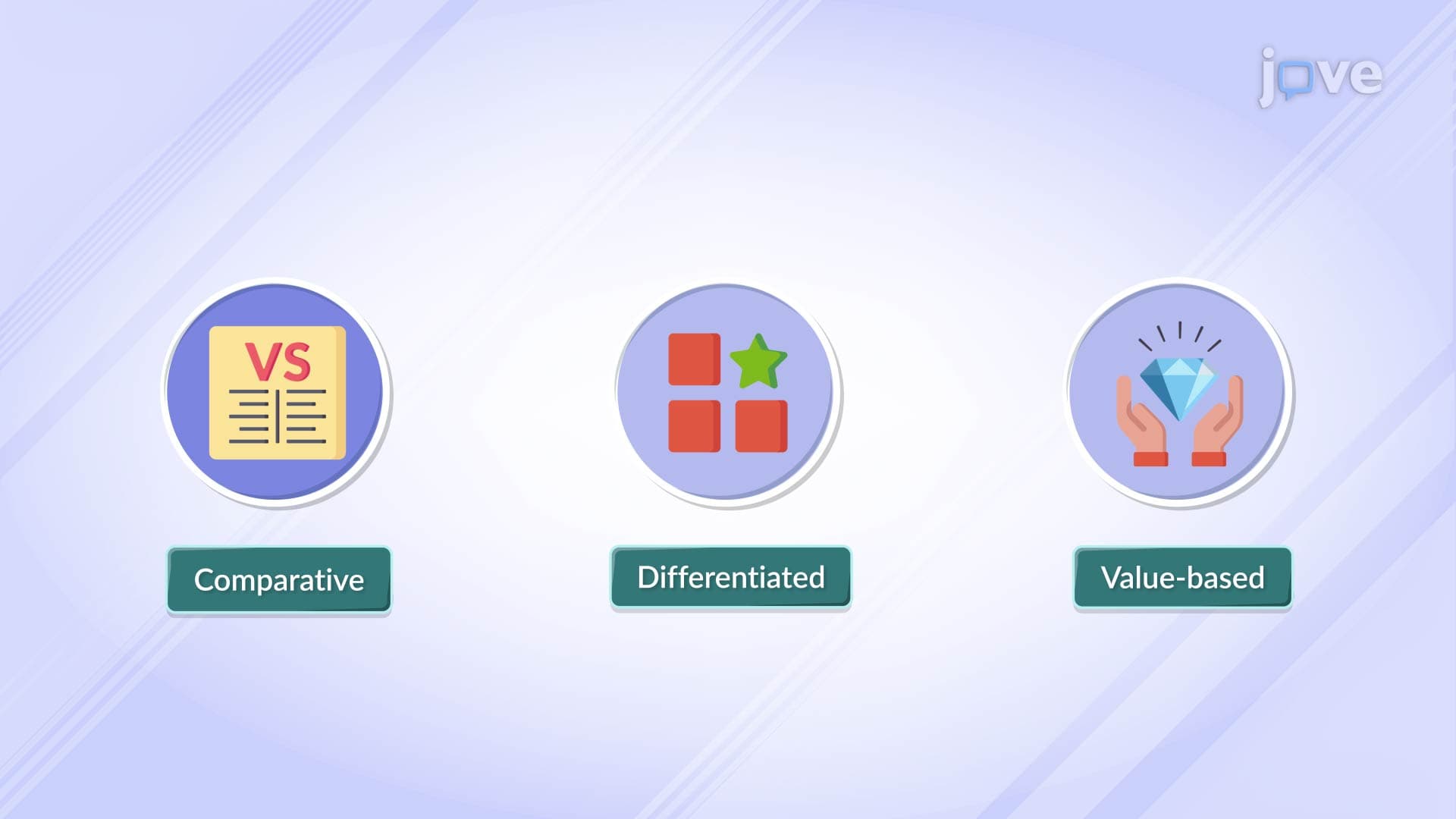

Video Summary: What are Positioning Methods
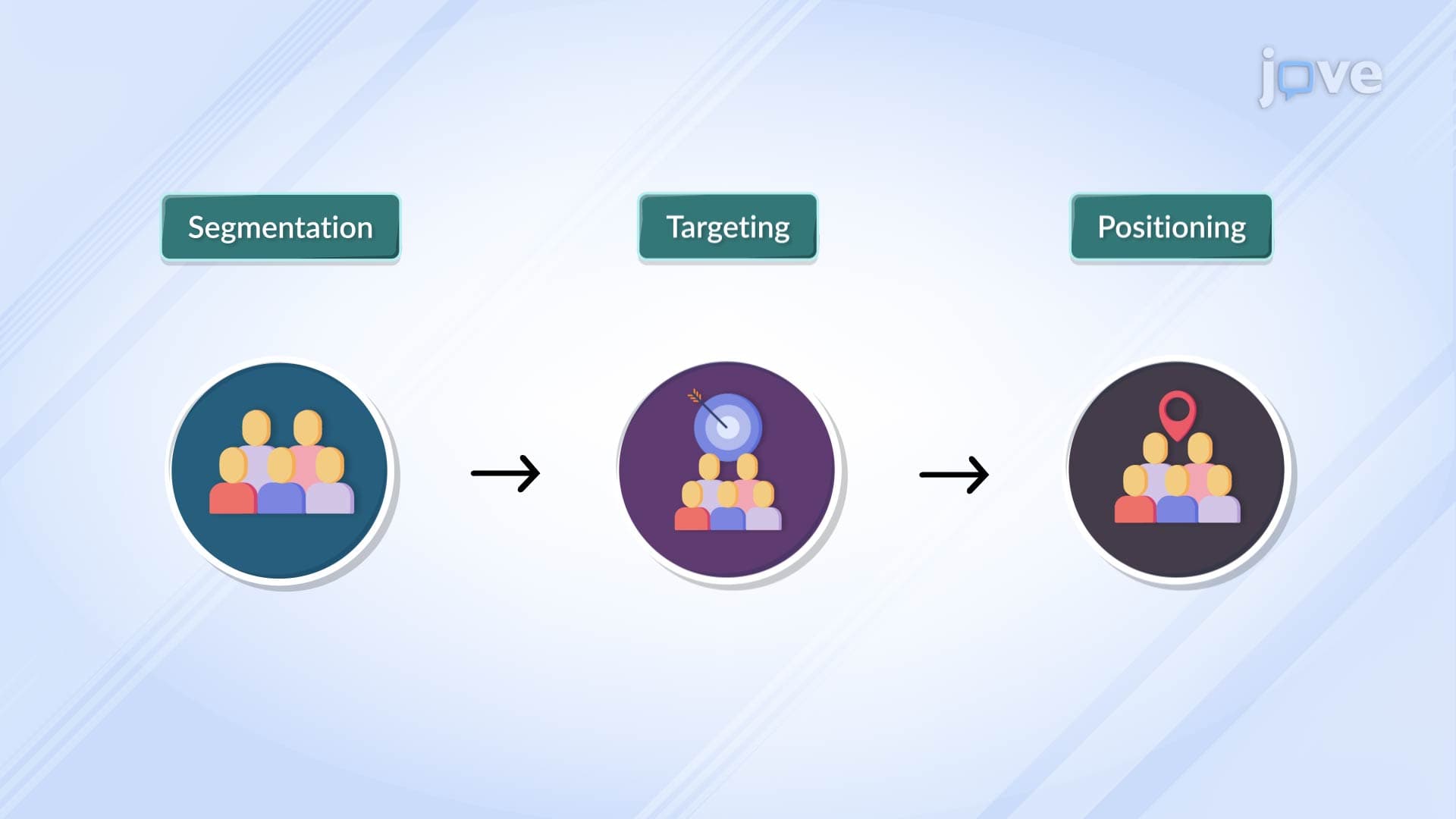
Today's crowded marketplace demands strategic positioning methods that drive customer preference and market share. Positioning methods enable companies to establish competitive differentiation through comparative, differentiated, and value-based strategies. Microsoft successfully repositioned itself from a software company to a cloud-first enterprise by leveraging differentiated positioning against traditional competitors. These frameworks guide executive teams in crafting compelling value propositions that resonate with target markets and justify pricing strategies. Watch the full video on JoVE Coach to master this concept with expert-led visuals and step-by-step explanations.
When Apple launched the iPhone in 2007, it didn't just introduce a new product-it redefined an entire category through masterful positioning. This exemplifies how positioning methods serve as the foundation for sustainable competitive advantage and market leadership.
Comparative positioning establishes market position by directly referencing competitors, creating clear differentiation in customer minds. This approach works particularly well for challenger brands seeking to disrupt established players. Beyond the classic Avis "We Try Harder" campaign, consider how Pepsi's "Pepsi Challenge" directly confronted Coca-Cola's market dominance, or how T-Mobile positioned itself as the "Un-carrier" against Verizon and AT&T's traditional service models. The key lies in identifying genuine competitive advantages that resonate with target customers while avoiding direct price wars that erode profitability.
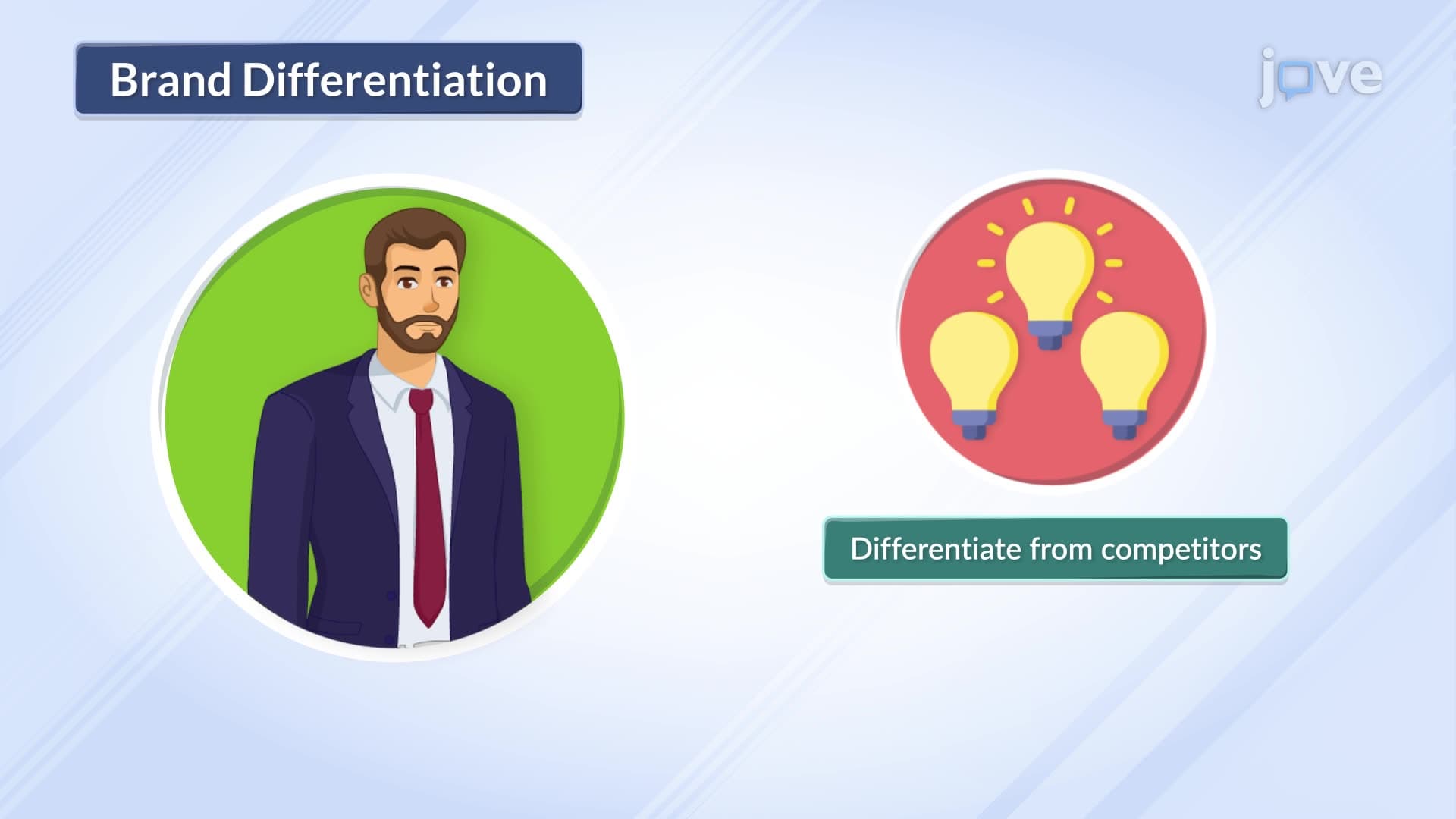
Differentiated positioning focuses on distinctive product attributes that separate offerings from competitive alternatives. Netflix exemplifies this approach by positioning itself around convenience and content variety rather than competing on traditional video rental metrics. The company's shift from DVD-by-mail to streaming, and later to original content production, demonstrates how differentiated positioning evolves with market dynamics. For business leaders, this method requires deep customer insight and continuous innovation investment to maintain positioning credibility.
Value-based positioning creates the most sustainable competitive moats by establishing clear price-benefit relationships. The five value proposition frameworks provide strategic options for different market conditions:
More for More positioning, exemplified by companies like Starbucks, justifies premium pricing through superior quality and experience. More for the Same strategies, like those employed by Costco's Kirkland brand, offer comparable quality at lower prices through operational efficiency. Same for Less approaches, such as Southwest Airlines' no-frills model, attract price-sensitive segments without sacrificing core benefits. Less for Much Less positioning serves value-conscious markets, while More for Less represents the holy grail of positioning-delivering superior value at competitive prices through innovation or scale advantages.
Successful positioning requires consistent execution across all customer touchpoints, from product development through customer service, creating integrated brand experiences that reinforce strategic positioning choices.
Related Micro-courses