Loading concepts…


12 Concepts
16 Concepts
24 Concepts
11 Concepts
19 Concepts
15 Concepts
15 Concepts
25 Concepts
12 Concepts
19 Concepts
15 Concepts
18 Concepts
18 Concepts
31 Concepts
24 Concepts
15 Concepts
10 Concepts
 19 Concepts
 17.1K Views
 Popular topics



Creating customer value through strategic product experience marketing transforms how organizations connect with their target markets. This comprehensive program explores how leading US companies like Apple, Starbucks, and Netflix evolve from commodity offerings to differentiated experiences that drive customer loyalty and business growth. Working professionals will master frameworks for product development, service design, and experience orchestration that deliver measurable value propositions across the entire product lifecycle.
1. Product Experience Framework and Value Creation Understanding how successful companies like Starbucks transform basic offerings into memorable experiences that command premium pricing. This section covers the strategic shift from product-centric to experience-focused business models, exploring how Netflix uses data-driven personalization and Apple creates ecosystem experiences. Professionals learn to identify opportunities for experience enhancement, evaluate customer touchpoints, and develop comprehensive value propositions that differentiate in commoditized markets while building sustainable competitive advantages through superior customer experience design.
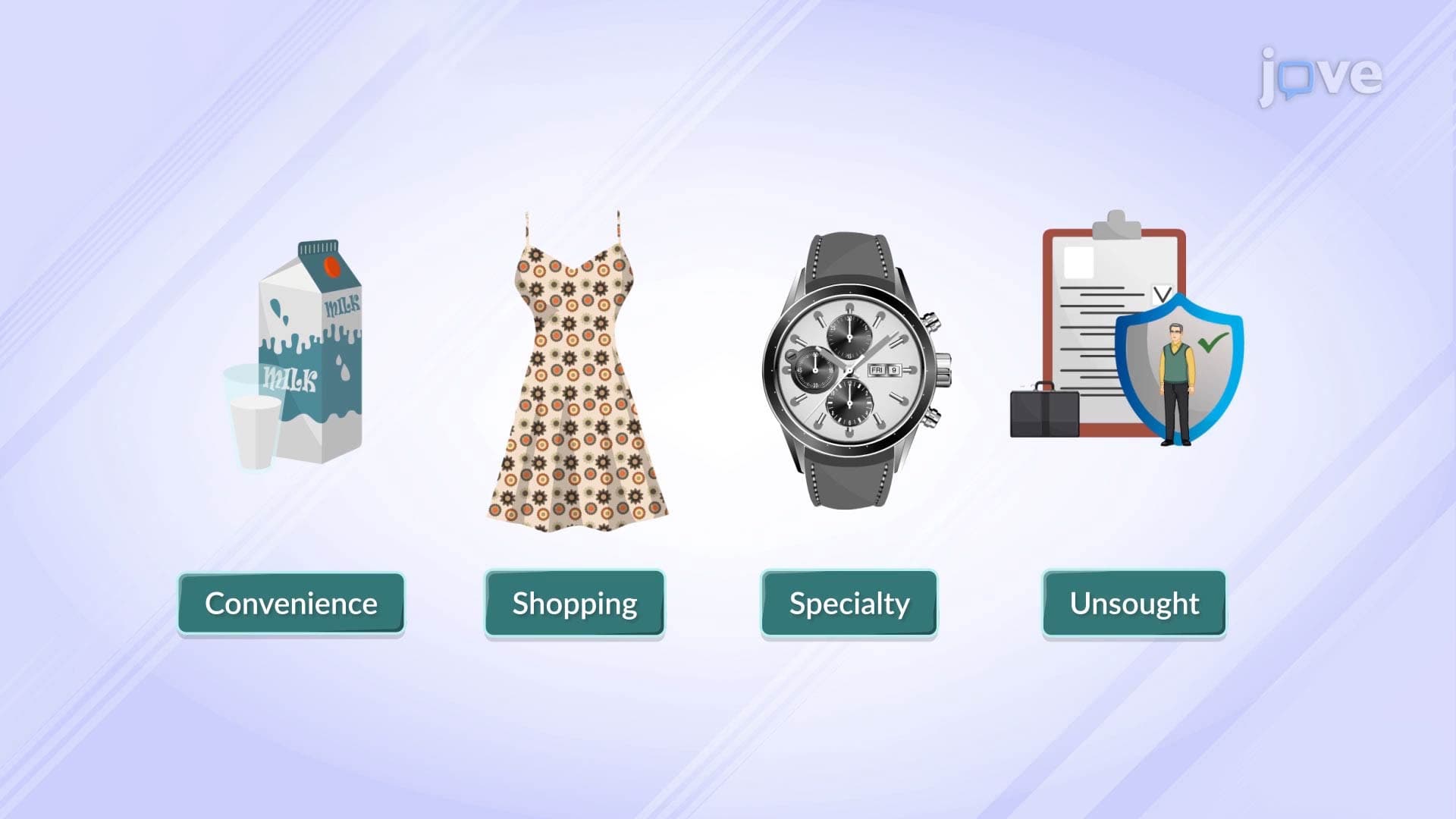
2. Strategic Product Classification and Marketing Approaches Mastering how consumer product categories-convenience, shopping, specialty, and unsought-require fundamentally different marketing strategies and resource allocation decisions. Using examples from M&M's mass distribution strategy versus Lindt's selective placement, professionals learn to optimize marketing mix decisions based on purchasing behavior patterns. This framework enables better budget allocation, channel partner selection, and promotional strategy development while ensuring alignment between product positioning and customer expectations for maximum market penetration and profitability.
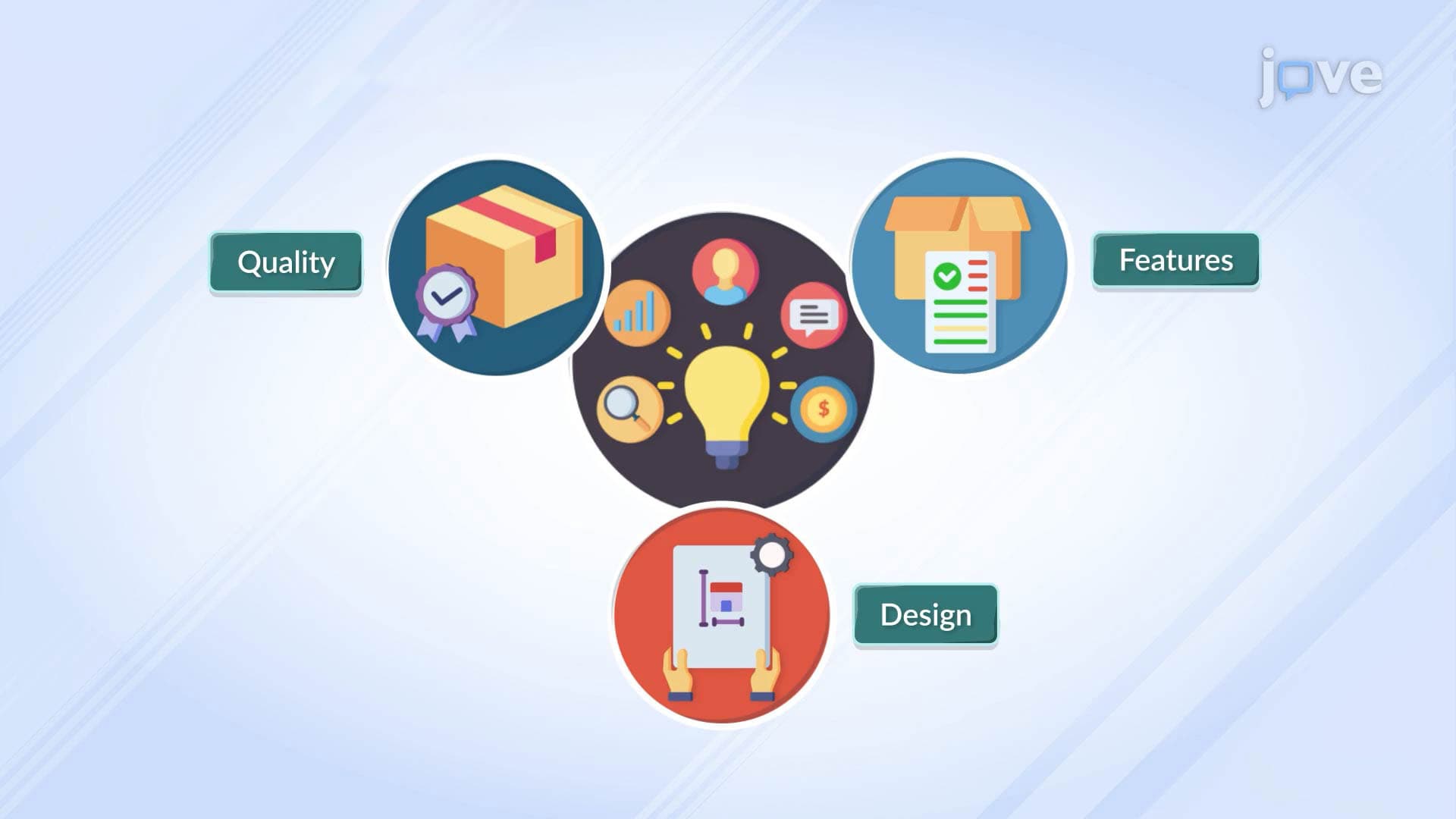
3. Individual Product Decision Framework Comprehensive approach to product attribute optimization, branding decisions, packaging strategy, and customer support service design. Apple's integrated approach to product quality, distinctive branding, minimalist packaging, and responsive customer service demonstrates how individual product decisions create synergistic value. Professionals learn systematic decision-making processes for product feature prioritization, brand identity development, packaging as a marketing tool, and service strategy alignment that collectively enhance customer perception and drive competitive differentiation in crowded marketplaces.
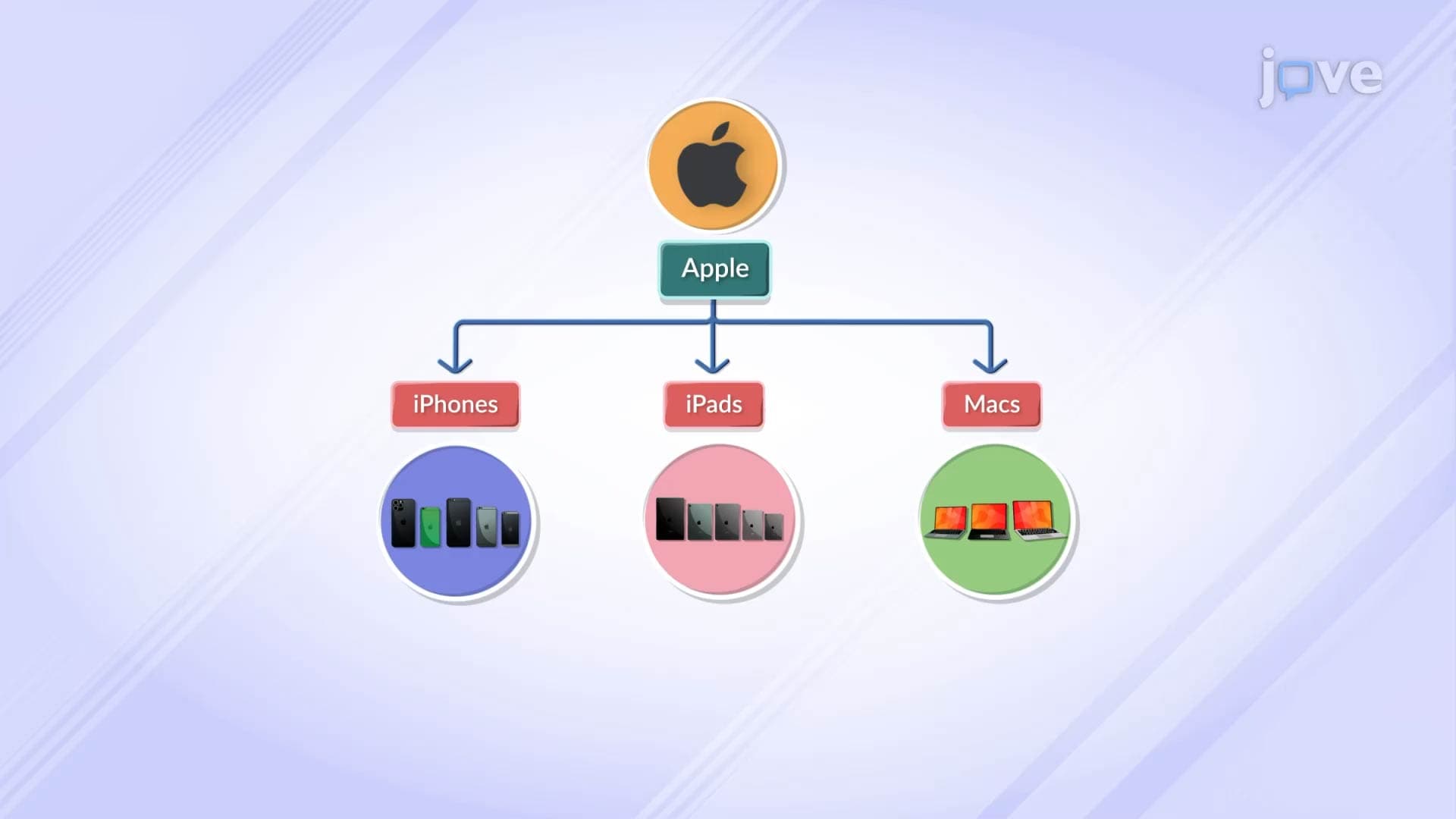
4. Product Line and Portfolio Management Strategic frameworks for managing multiple product offerings through line filling, line stretching, and portfolio optimization techniques. BMW's successful upward stretch with Rolls Royce and downward extension with Mini Cooper illustrates effective market coverage strategies. Professionals master the four dimensions of product mix management-width, length, depth, and consistency-using P&G's portfolio as a comprehensive case study. These concepts enable better resource allocation decisions, risk diversification strategies, and systematic approaches to product innovation and discontinuation.
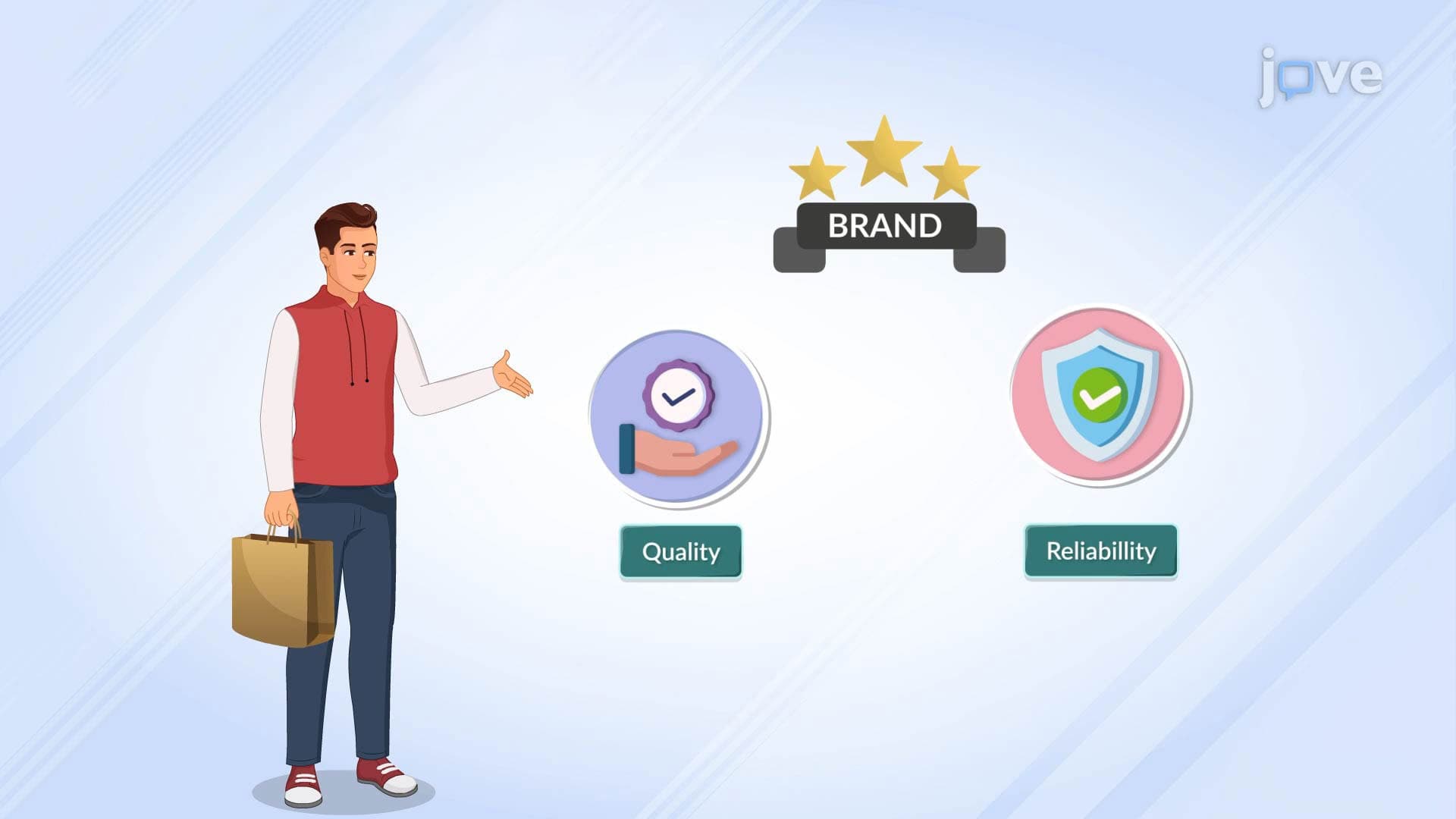
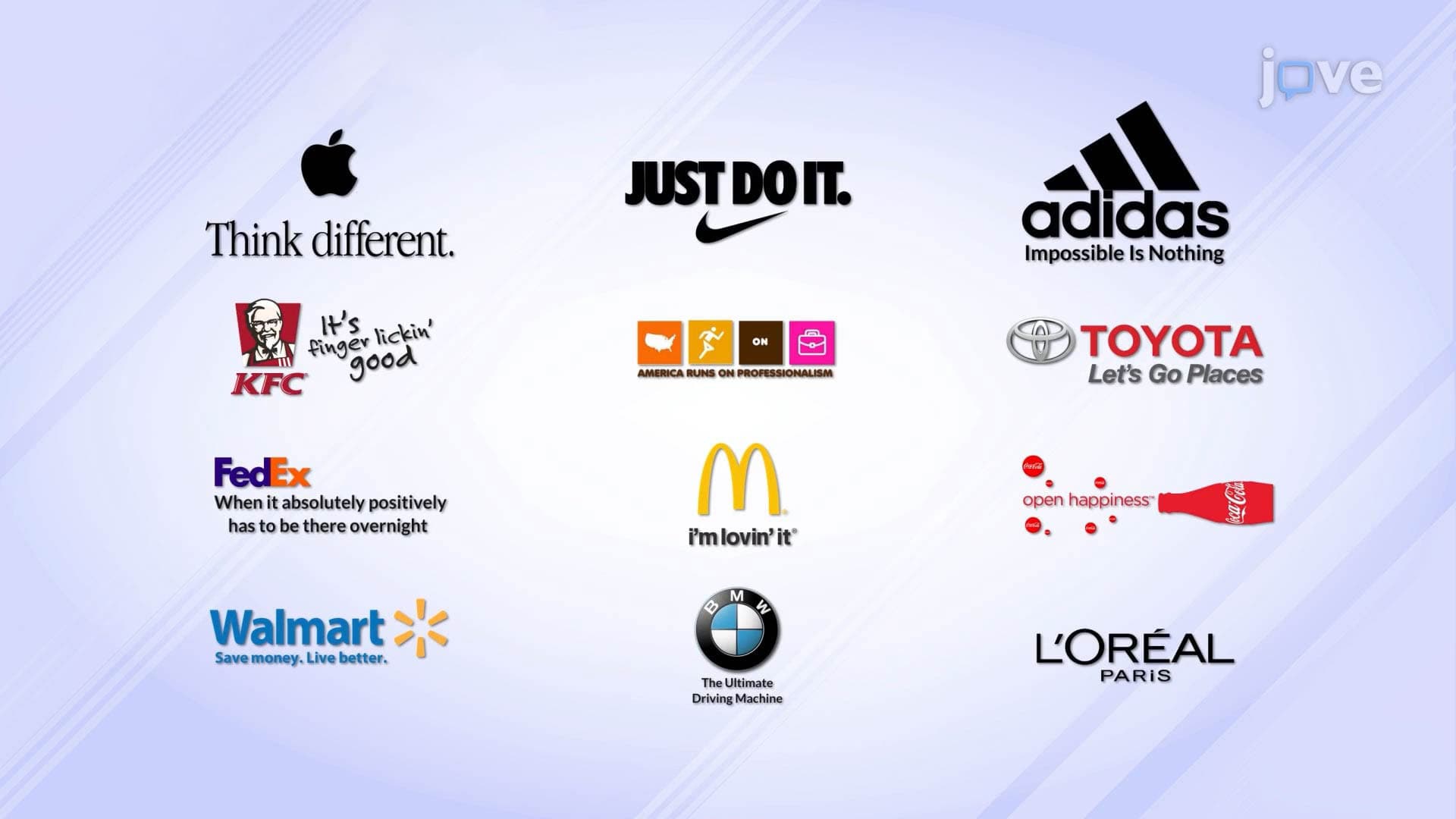
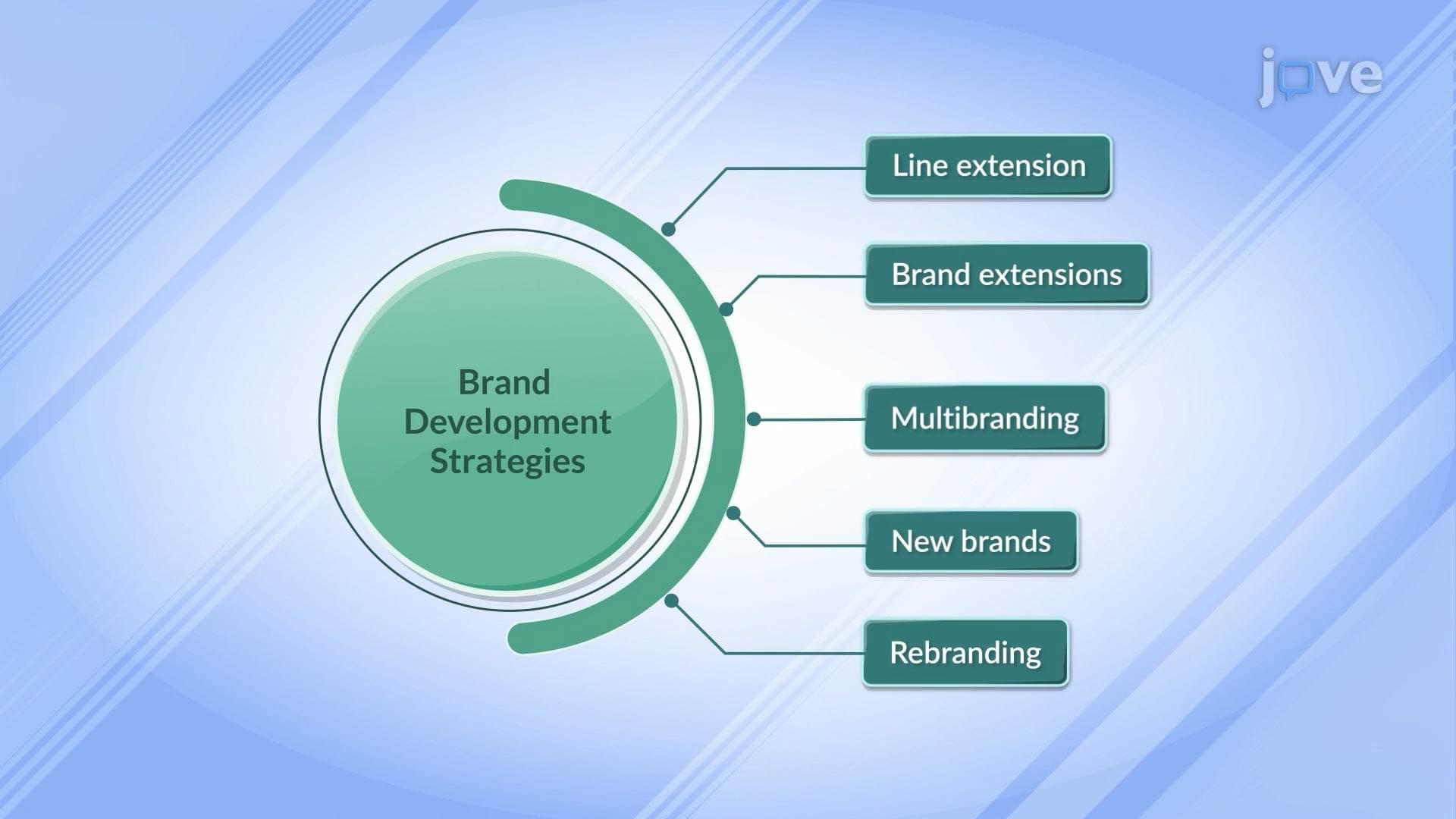
5. Comprehensive Branding Strategy and Architecture Advanced branding concepts including positioning strategies, naming conventions, and brand development approaches across five key strategies: line extension, brand extension, multibranding, new brands, and rebranding. Coca-Cola's line extensions and Apple's brand extensions into wearables demonstrate successful brand leverage techniques. Professionals learn to evaluate brand architecture decisions, develop positioning strategies that resonate with target markets, and implement brand management systems that support long-term value creation while maintaining brand equity and customer loyalty.
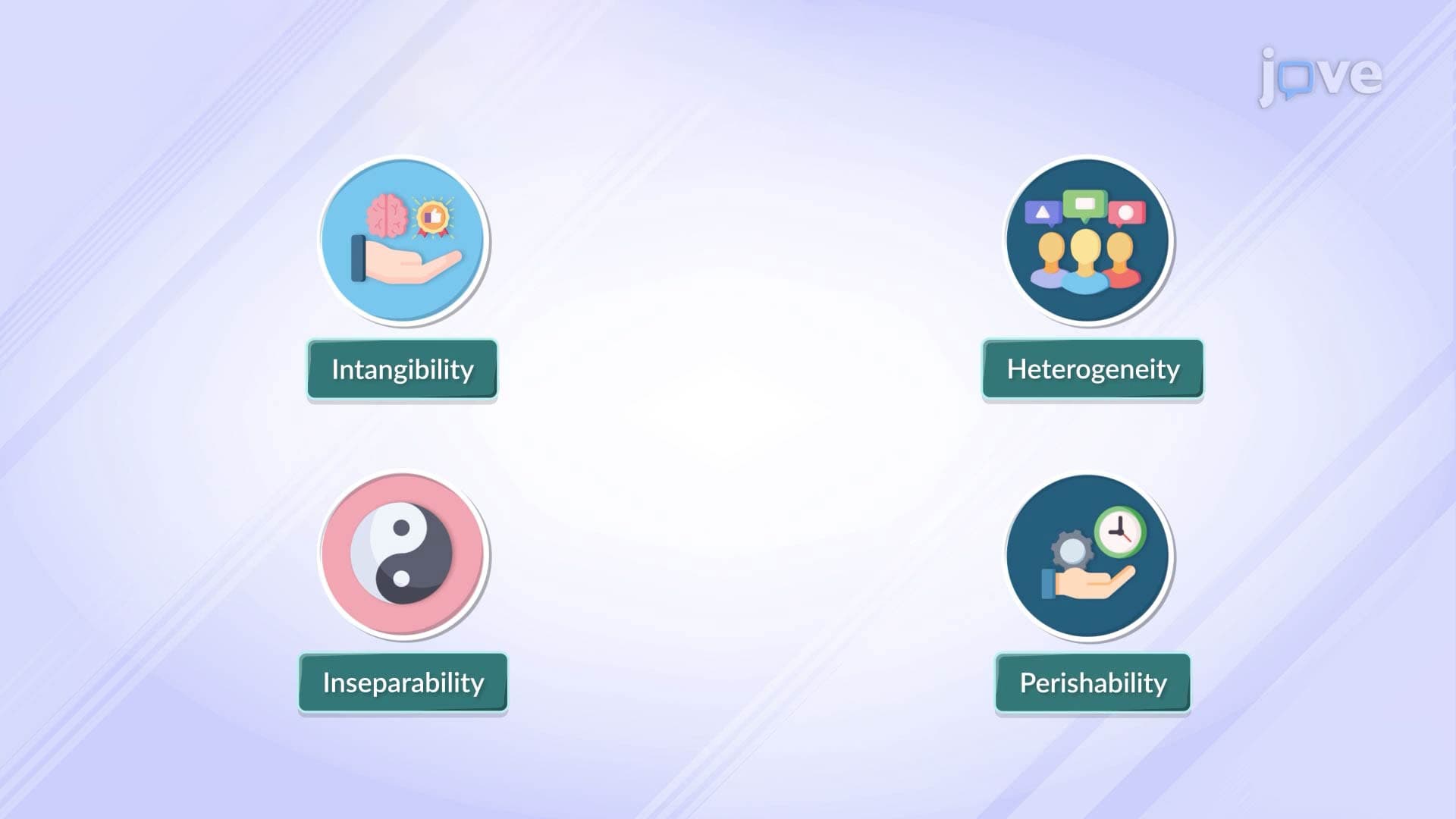
6. Services Marketing and Experience Delivery Addressing the unique challenges of marketing intangible offerings through understanding the four service characteristics: intangibility, inseparability, heterogeneity, and perishability. Hotels using physical evidence to communicate quality and airlines implementing self-service options demonstrate practical solutions to service marketing challenges. Professionals learn systematic approaches to service standardization versus customization decisions, capacity management strategies, customer involvement optimization, and tangible evidence development that enhances service quality perceptions and drives customer satisfaction in service-intensive industries.
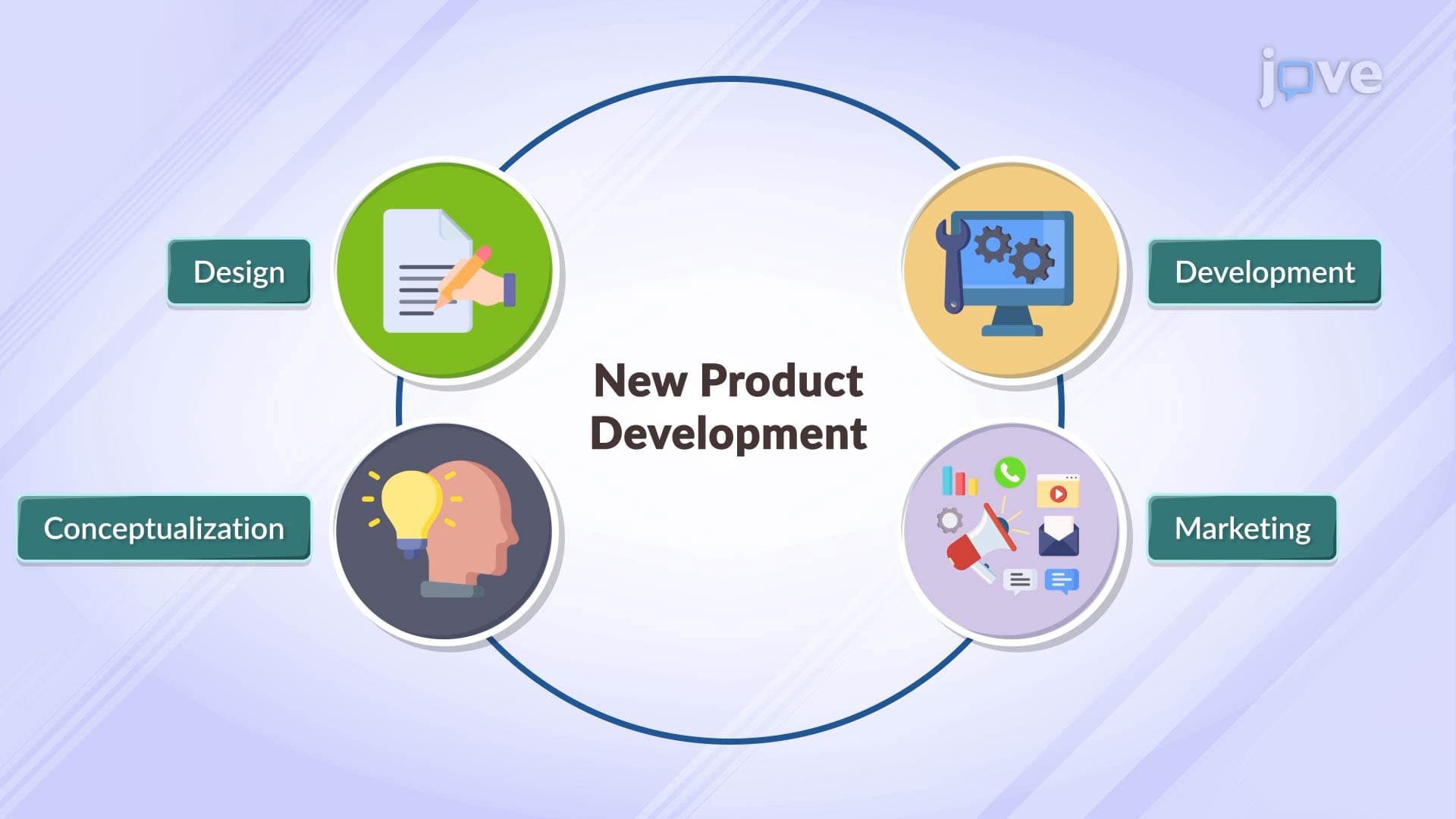
7. New Product Development and Innovation Management Systematic seven-stage process for bringing innovative products to market, from idea generation through commercialization, using practical examples from snack food development. Companies like Patagonia leveraging sustainable innovation and Nike developing recycled products illustrate strategic NPD approaches. Professionals master ideation techniques, screening criteria development, concept testing methodologies, business analysis frameworks, and test marketing strategies that reduce development risks while accelerating successful product launches in competitive markets.
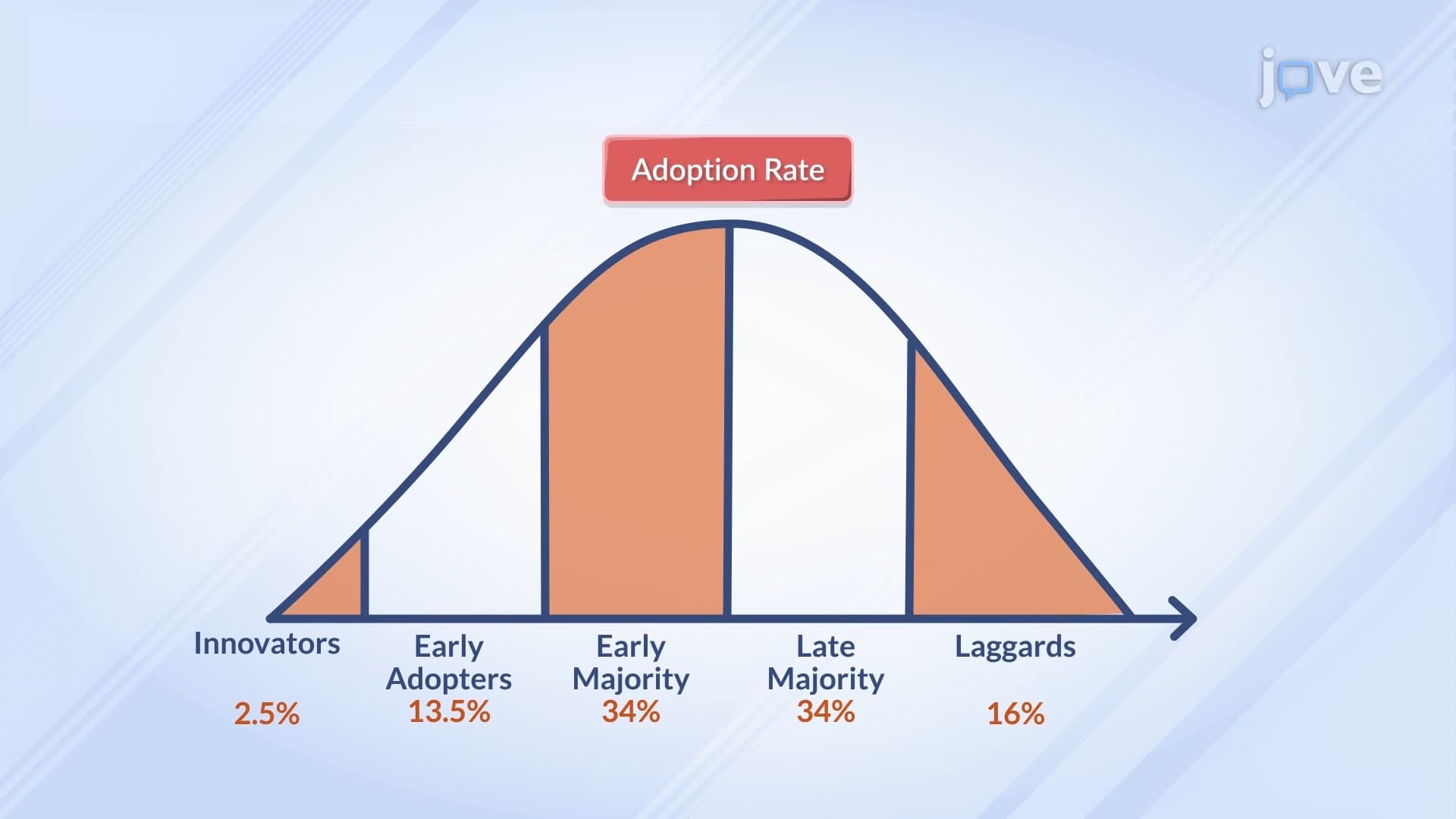
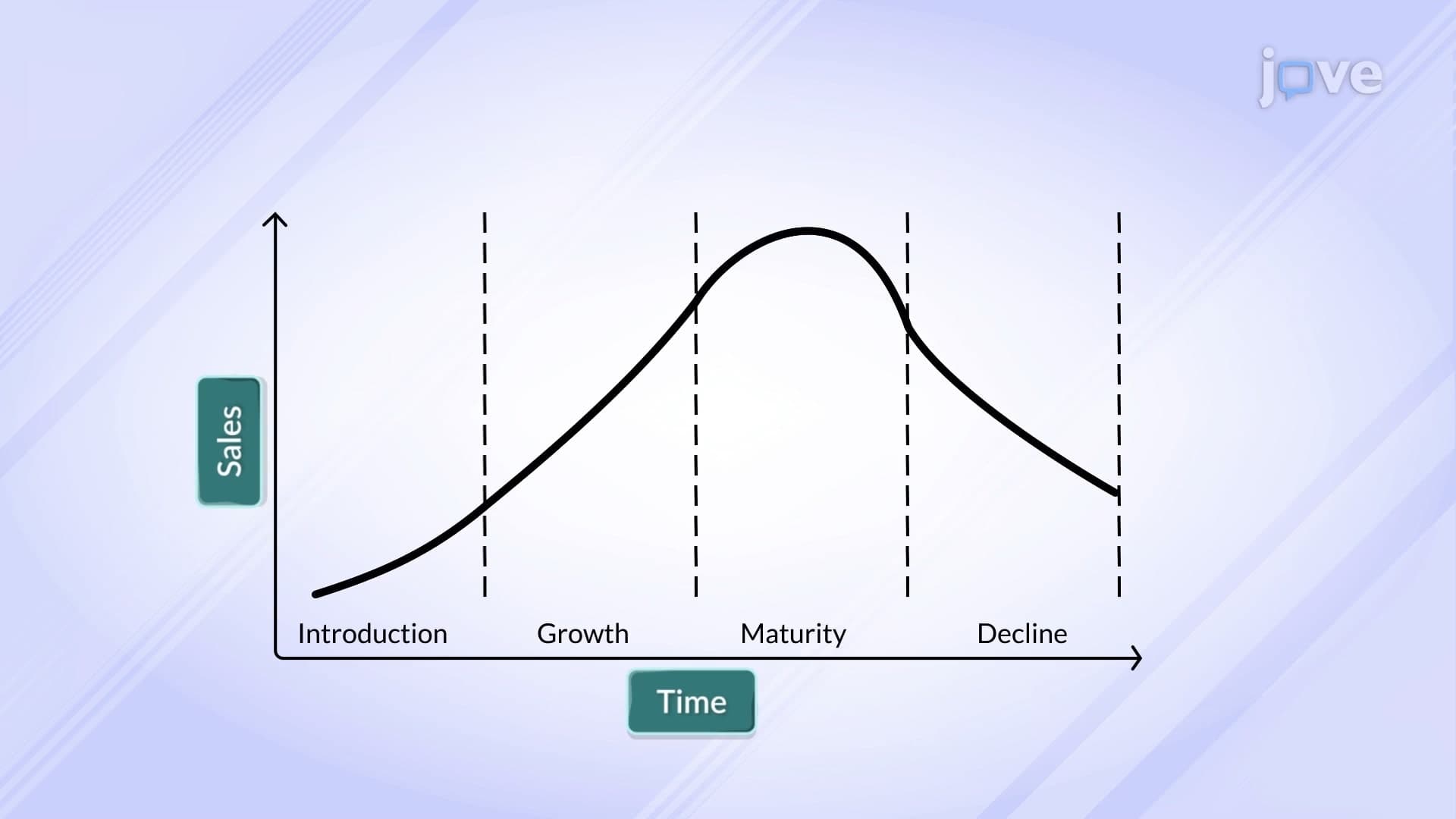
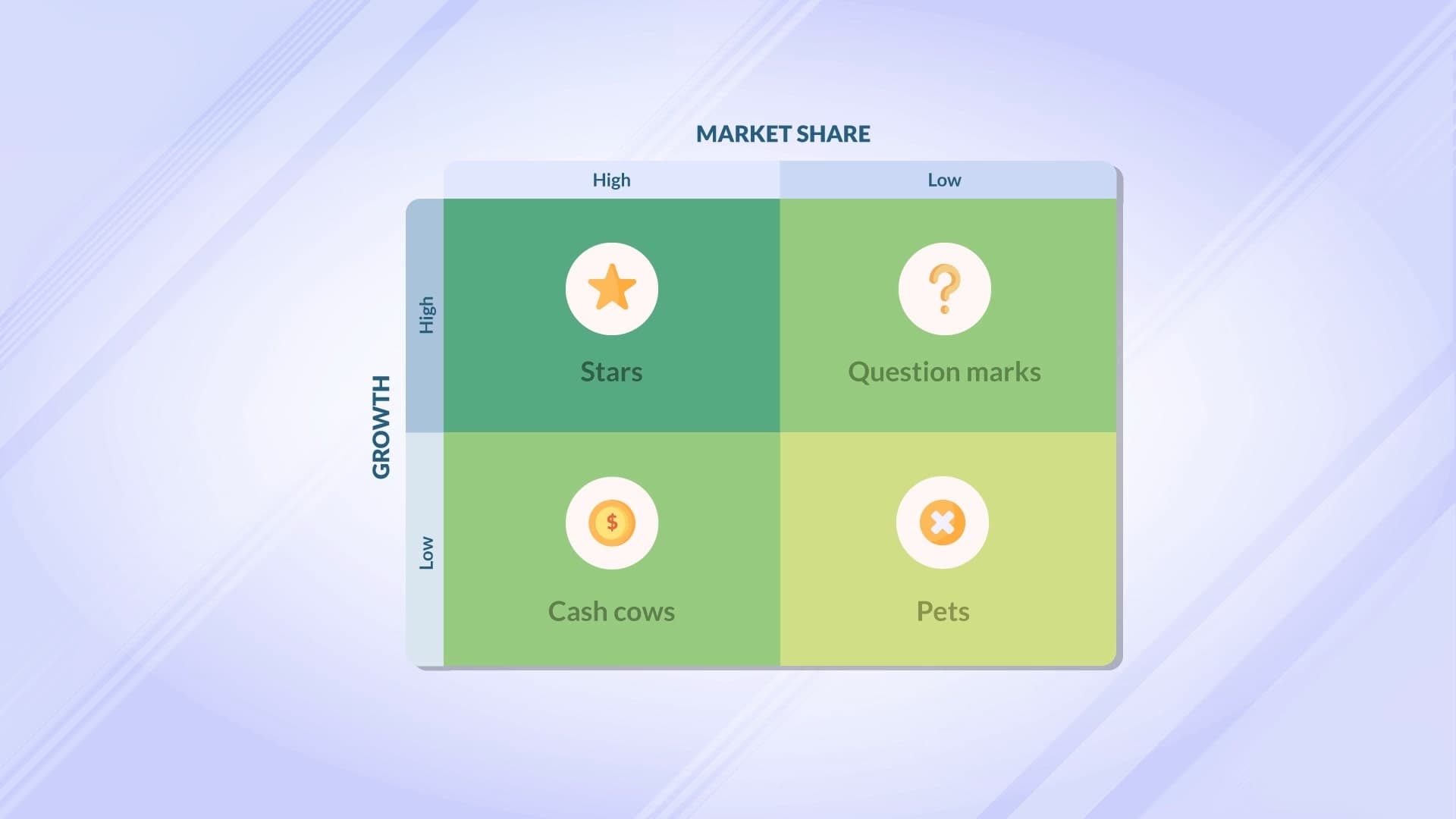
8. Innovation Adoption and Product Lifecycle Management Strategic frameworks for understanding customer adoption patterns and optimizing marketing strategies across product lifecycle stages. Tesla's approach to targeting innovators and early adopters for electric vehicles demonstrates effective adoption strategy. Professionals learn to segment customers by adoption readiness, develop stage-appropriate marketing strategies from introduction through decline, and implement portfolio management tools like the Growth Share Matrix for resource allocation decisions that maximize return on investment while managing product portfolio risks effectively.