B2B marketing encompasses the strategic processes organizations use to market products and services to other businesses rather than individual consumers. This comprehensive JoVE Coach micro-course explores how companies like General Electric, IBM, and McKinsey leverage business to business marketing to create value through derived demand, complex decision-making processes, and relationship-driven sales approaches that drive measurable business outcomes.
Apply the fundamental principles of B2B versus B2C marketing to develop targeted business strategies for your organization
Analyze the business buyer behavior model to identify key decision-makers and influencers within target organizations
Evaluate different buying situations and adapt your sales approach for straight rebuys, modified rebuys, and new purchase scenarios
Implement effective B2B marketing mix strategies including pricing, distribution, and promotional tactics for industrial markets
Leverage digital tools and e-procurement systems to streamline business purchasing processes and reduce costs
Assess supply chain management practices to optimize relationships with suppliers and business partners
Develop account-based marketing strategies tailored to different B2B organizational types and institutional buyers
Create competitive bidding strategies and pricing models that align with business buyer expectations and market conditions
1. B2B Market Fundamentals and Derived Demand
Understanding how business markets operate through derived demand, where companies like Toyota purchase components from suppliers to manufacture products for dealerships. This concept explains the interconnected nature of B2B markets, where consumer demand for electric vehicles drives increased demand for lithium batteries and mining operations. Professional marketers learn to identify these demand patterns to position their products strategically within supply chains, anticipate market fluctuations, and develop value propositions that address both immediate business needs and downstream market requirements.
2. Business Buyer Behavior and Decision-Making Models
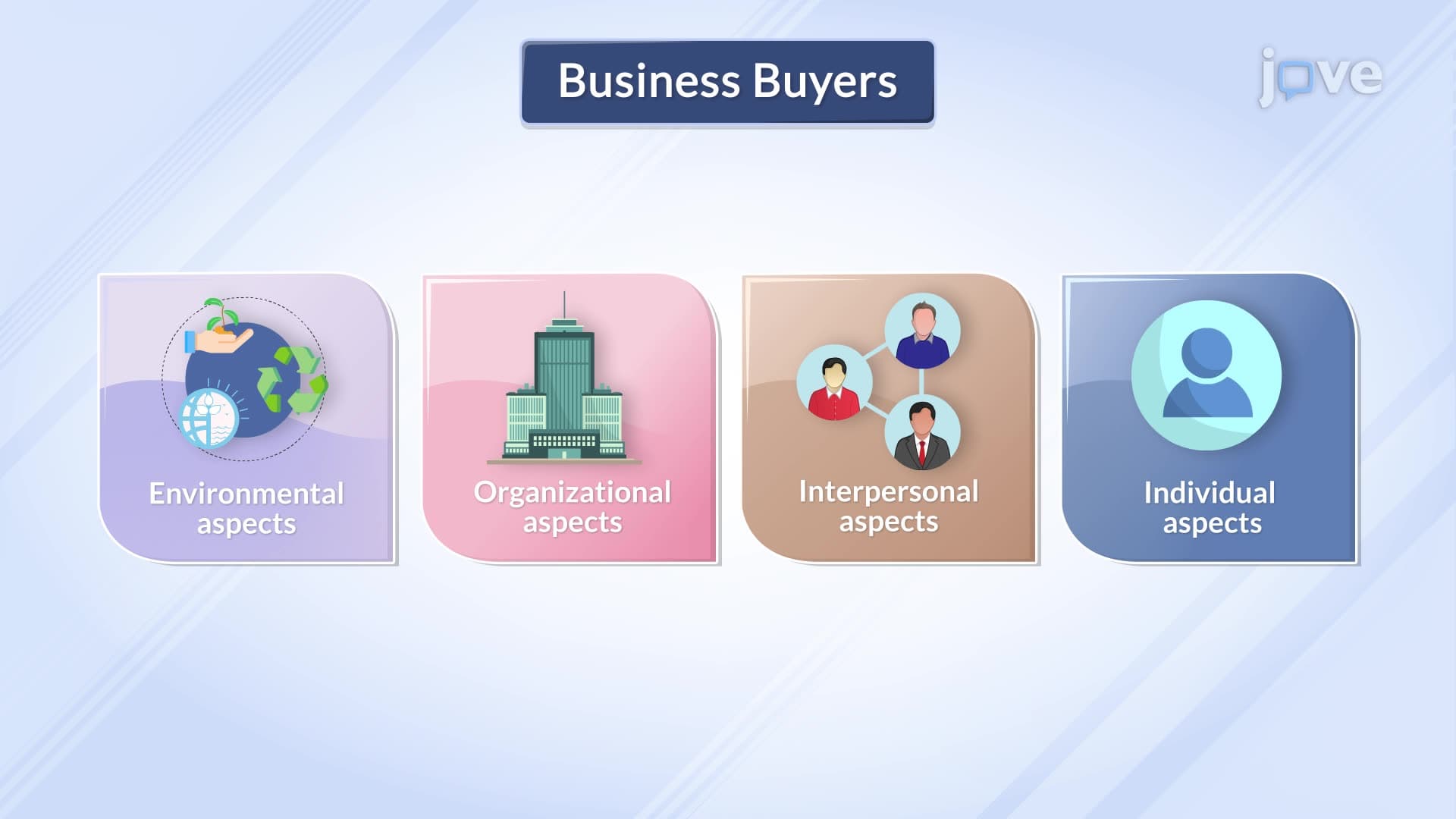
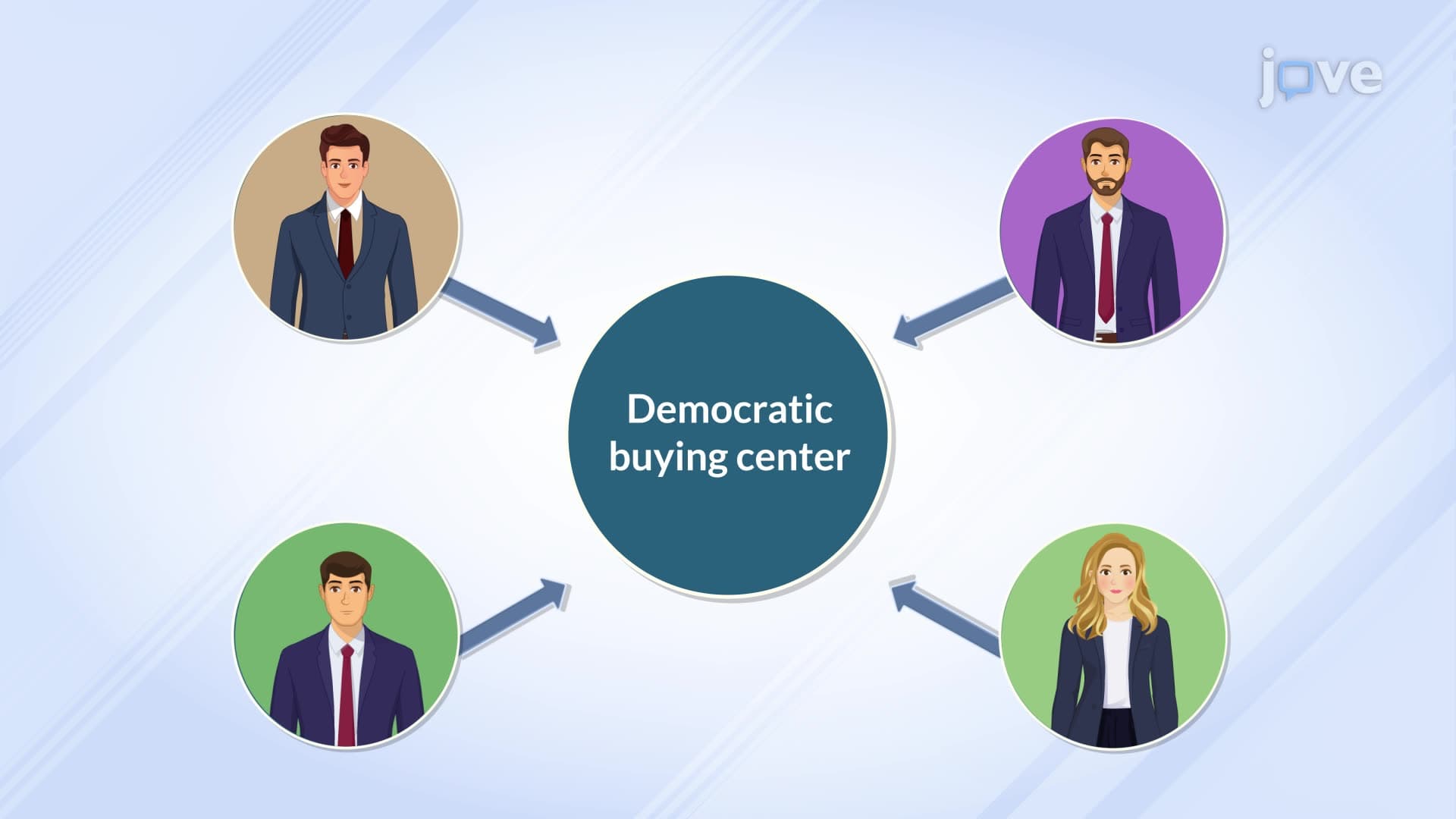
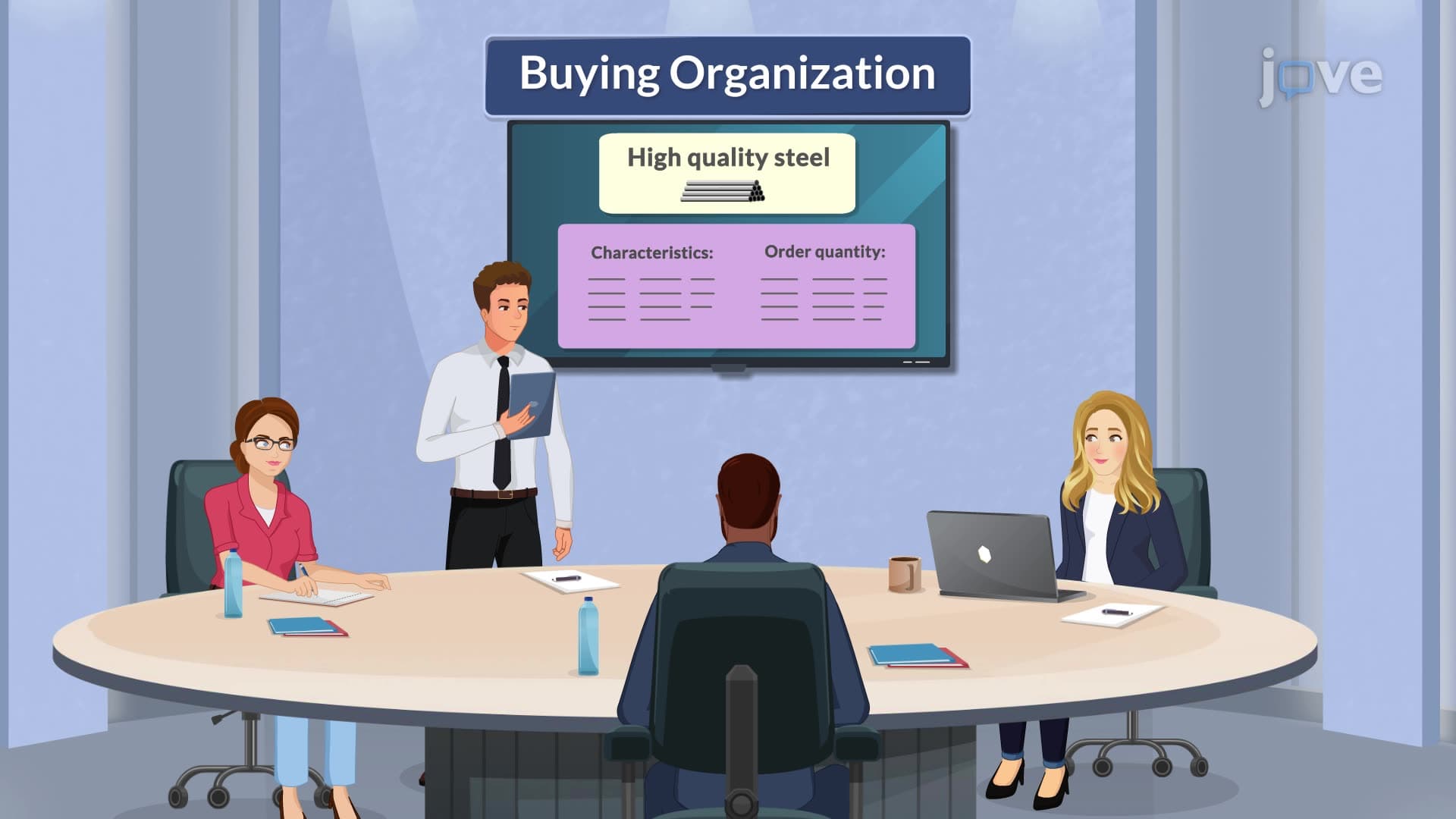
Analyzing the complex B2B decision-making process involving multiple stakeholders, from users and influencers to buyers, deciders, and gatekeepers. Companies like Dell and HP navigate sophisticated purchasing processes when acquiring processors from Intel, involving technical specifications, budget approvals, and performance evaluations. This framework helps marketing professionals understand how organizational culture, whether autocratic, democratic, consultative, or consensus-based, influences purchasing decisions and enables more effective targeting of key decision-makers throughout extended sales cycles.
3. Industrial Product Classification and Marketing Strategies
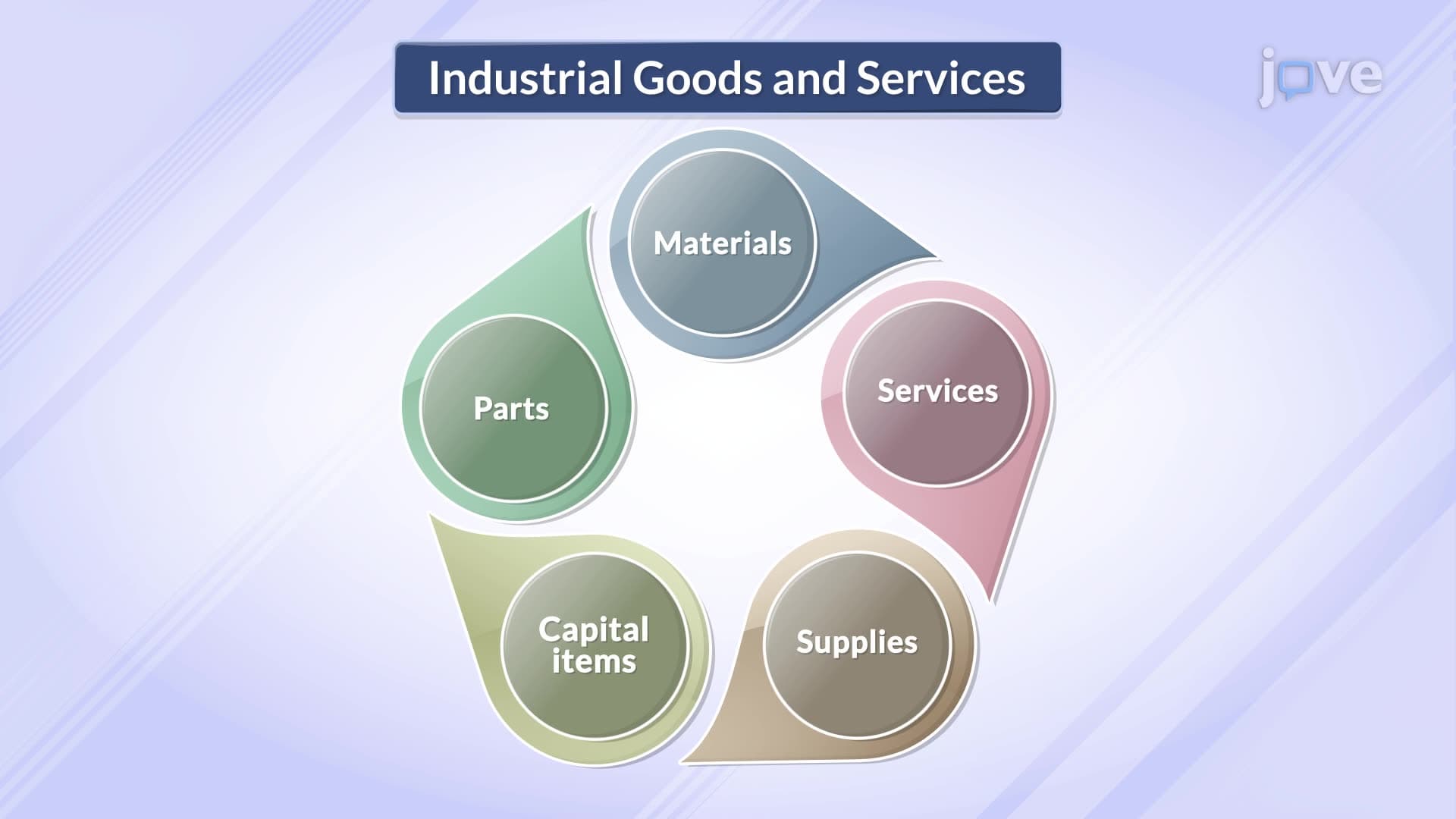
Categorizing B2B products into materials and parts, capital items, supplies, and services to develop appropriate marketing approaches. Boeing's aircraft assembly plants represent capital installations requiring different marketing strategies than office supplies or IT consulting services. Understanding these classifications enables marketers to align their promotional tactics, pricing strategies, and distribution channels with specific product categories. This knowledge proves essential for developing targeted campaigns that resonate with procurement professionals responsible for different types of business purchases.
4. B2B Organizational Types and Market Segmentation
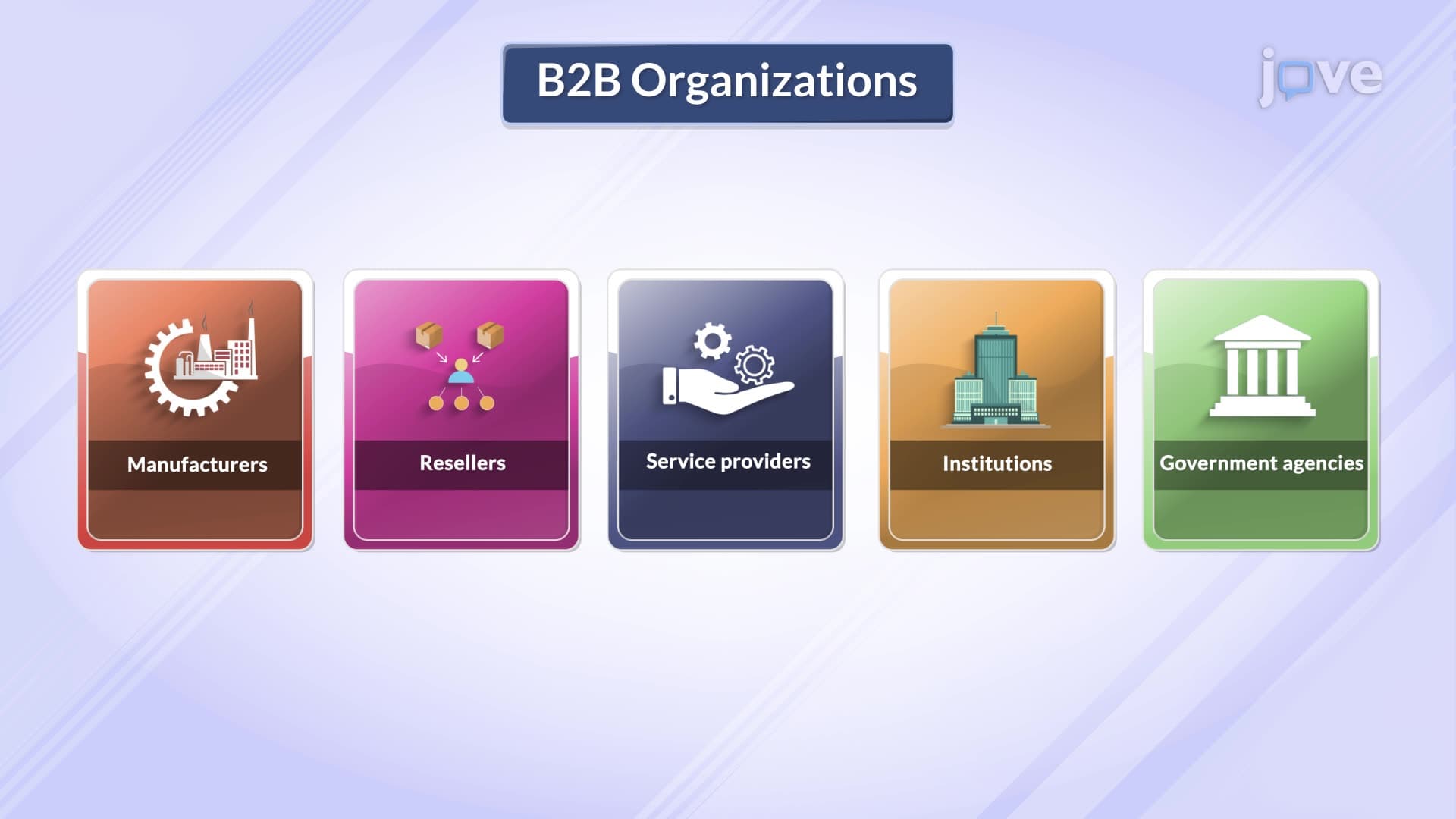
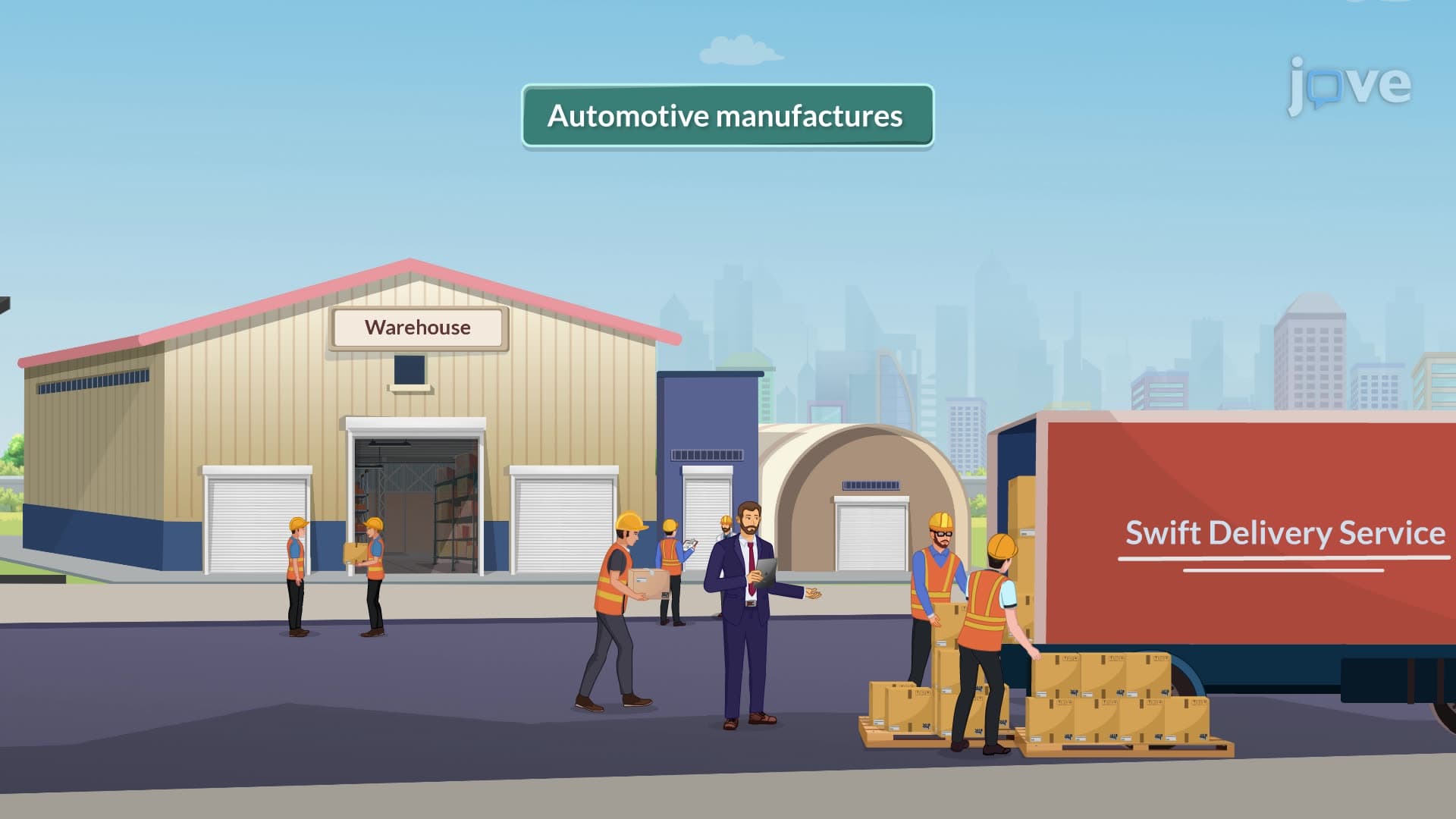
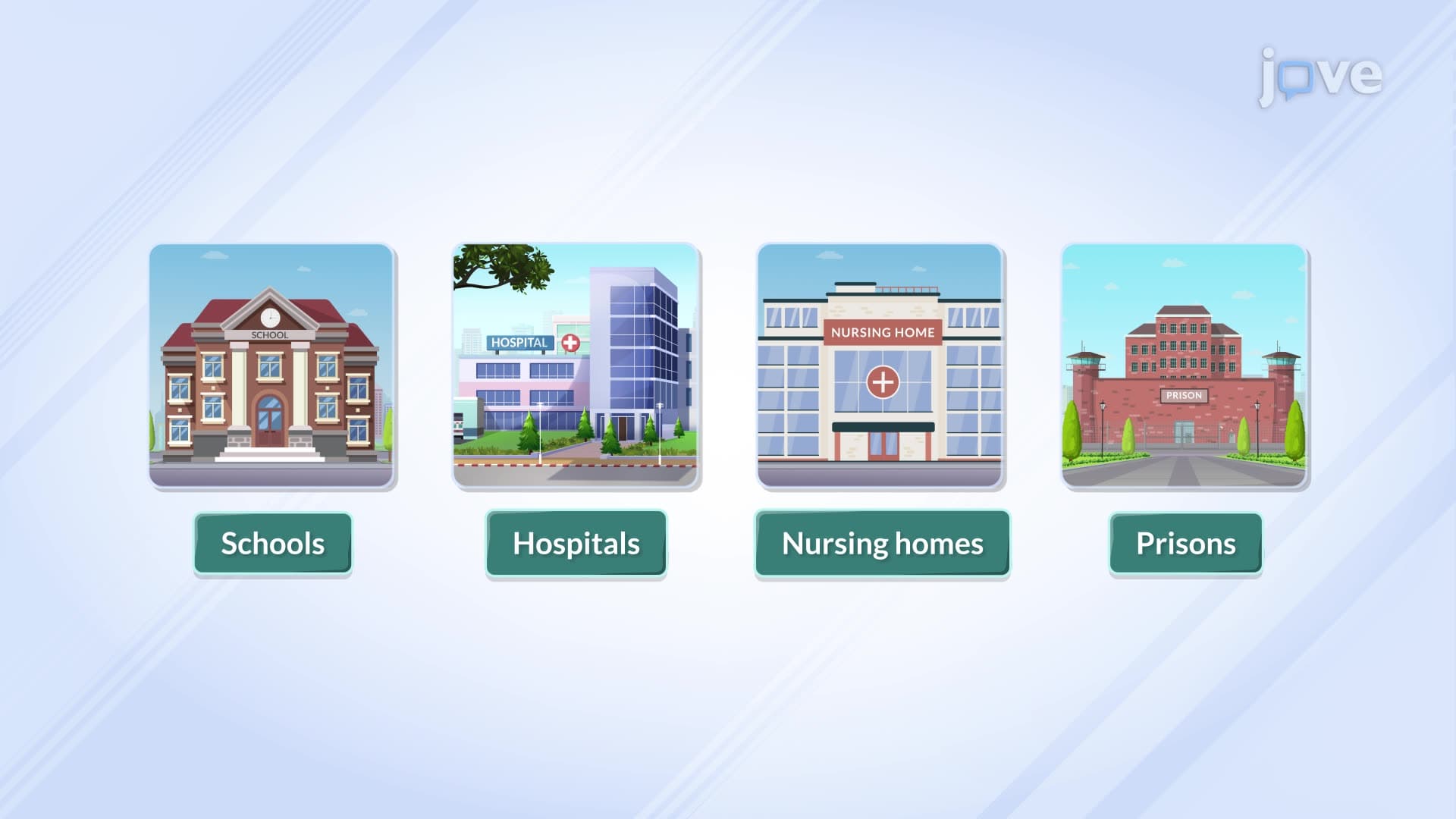
Identifying and targeting different B2B organizational segments including manufacturers like General Electric, resellers like Sysco, service providers like Accenture, and government agencies partnering with companies like Lockheed Martin. Each segment requires distinct marketing approaches, from understanding government procurement processes to developing solutions for institutional buyers like hospitals and schools. Effective B2B marketers tailor their strategies to address the unique needs, buying processes, and regulatory requirements of each organizational type while maintaining compliance and building long-term partnerships.
5. E-Procurement and Digital B2B Marketing Tools
Leveraging technology platforms for reverse auctions, online trading exchanges, and dedicated procurement websites to streamline business purchasing processes. Companies like Amazon Business and Unilever demonstrate how digital tools reduce costs, improve supplier access, and enhance transaction transparency. Modern B2B marketers must understand these platforms to participate effectively in digital marketplaces, while also navigating challenges such as cybersecurity concerns and potential disruption of traditional supplier relationships through increased price competition and automated purchasing processes.
6. B2B Pricing Strategies and Competitive Bidding
Developing sophisticated pricing models that consider market conditions, competitive positioning, and customer value perception in business markets. Companies like IBM implement flexible pricing strategies including volume discounts and bundled services for enterprise clients, while industrial machinery firms may use target costing to align with strategic market positioning. Understanding closed bidding, open bidding, and reverse auction dynamics enables B2B marketers to optimize their pricing approaches, calculate minimum viable bids, and maintain profitability while remaining competitive in formal procurement processes.
7. Relationship Marketing and Account Management
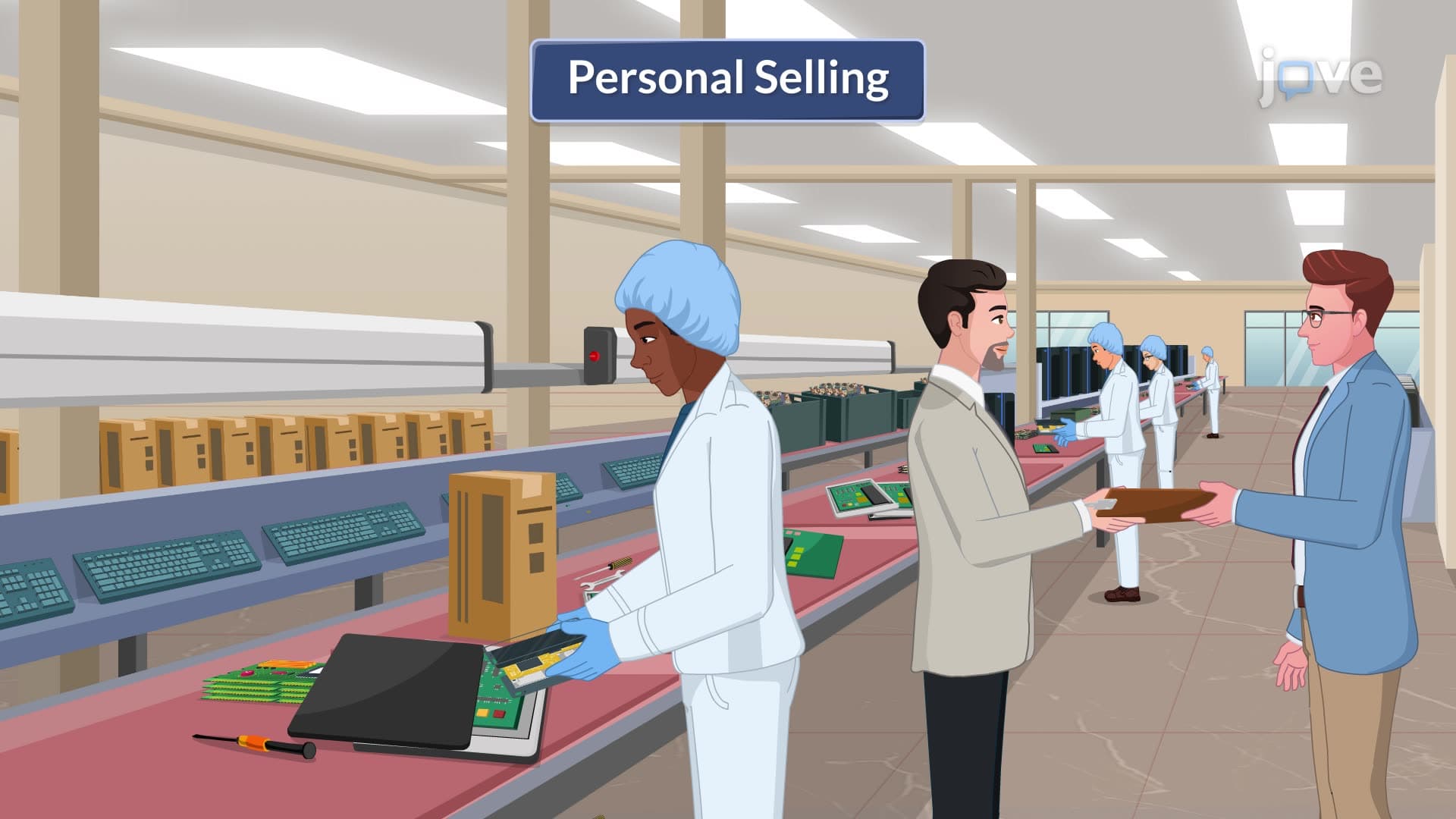
Building and maintaining strategic partnerships between businesses through personalized engagement, technical expertise, and long-term value creation. Companies choose between transactional relationships for standardized purchases and collaborative relationships for complex solutions requiring ongoing support and customization. Successful B2B marketers understand switching costs, both financial and operational, that influence customer retention. This knowledge enables development of account-based marketing strategies that foster loyalty, reduce customer acquisition costs, and create sustainable competitive advantages through deep business relationships.
Frequently Asked Questions
B2B marketing involves multiple decision-makers within buying centers, longer sales cycles, and higher transaction values. Unlike B2C purchases where individuals make quick decisions, B2B transactions require consensus among users, influencers, buyers, deciders, and gatekeepers, often taking months to complete due to technical evaluations, budget approvals, and risk assessments.
Derived demand means business demand stems from consumer market needs, creating interconnected market relationships. For example, increased demand for electric vehicles drives demand for lithium batteries, which increases demand for mining equipment. B2B marketers must understand these demand chains to anticipate market opportunities and position their products strategically within supply chains.
Professionals should identify whether prospects face straight rebuy, modified rebuy, or new buy situations to tailor their approach. Straight rebuys require maintaining supplier relationships and competitive pricing, modified rebuys need differentiation highlighting improvements, while new buys demand extensive education and relationship building to guide first-time purchasers through complex decision processes.
LinkedIn and specialized platforms like Hootsuite enable targeted outreach to decision-makers, while white papers and webinars educate prospects without appearing promotional. Email marketing campaigns nurture leads through extended sales cycles, and web analytics tools measure engagement effectiveness. Companies like Bosch successfully use micro-influencers and content marketing to reach technical audiences and generate qualified leads.
Calculate all costs including hidden expenses before establishing minimum bid prices, particularly in reverse auctions where price transparency can erode margins. Focus on value differentiation beyond price, emphasizing quality, service, and long-term partnership benefits. In closed bidding, leverage relationships and technical expertise, while in open bidding, balance competitiveness with sustainable pricing to avoid unprofitable contracts.
Intel's partnerships with computer manufacturers like Dell and HP exemplify successful B2B relationship marketing. Rather than simply selling processors, Intel collaborates on product development, provides technical support, and invests in joint marketing initiatives. This approach creates switching costs for manufacturers and ensures long-term partnerships that benefit both parties through innovation and market positioning.
These strategies require intermediate to advanced marketing experience, particularly understanding of complex sales processes and stakeholder management. Professionals benefit from prior experience in account management, business development, or procurement. However, the concepts are accessible to motivated professionals willing to invest time in understanding business buyer psychology and relationship development principles.
B2B marketing expertise opens opportunities in enterprise sales, account management, business development, and strategic partnerships. These skills are particularly valuable in technology, manufacturing, and professional services sectors where complex B2B relationships drive revenue growth. Professionals often advance to regional sales management, strategic account director, or business development leadership roles with strong B2B marketing foundations.
This microcourse includes 24 concept videos that walk you through the building blocks of Marketing. Each video is short, about 1 minute, so you can cover a full topic during a coffee break or between classes. The full sequence starts with Business Markets and ends with Ethical Aspects in B2B Markets.
The natural next step is Global Marketing. From there, you can move to Contemporary Topics in Marketing. Once you finish those, the full Marketing curriculum of 17 microcourses on JoVE Coach opens up, taking you from foundational concepts to advanced systems.