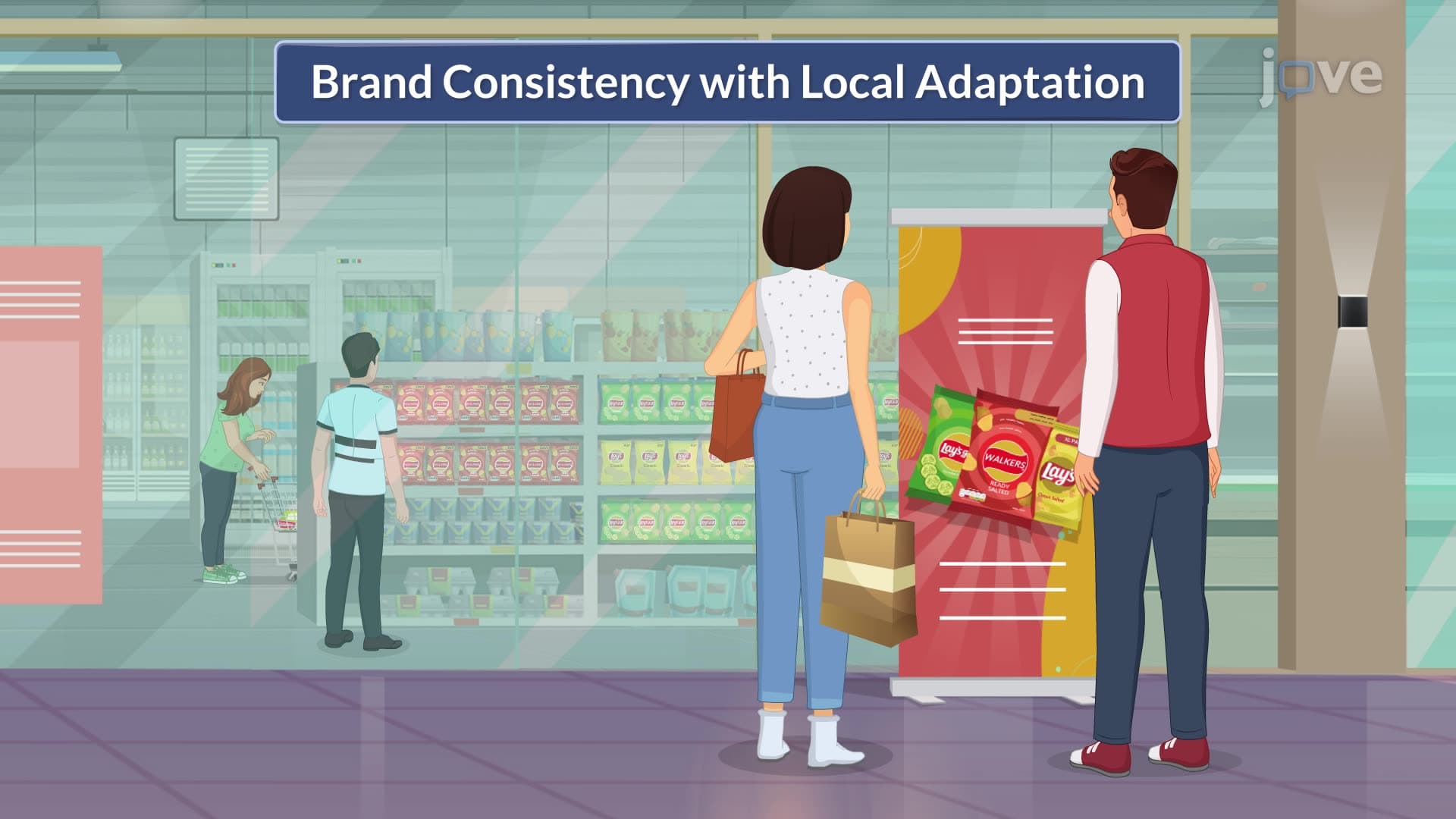
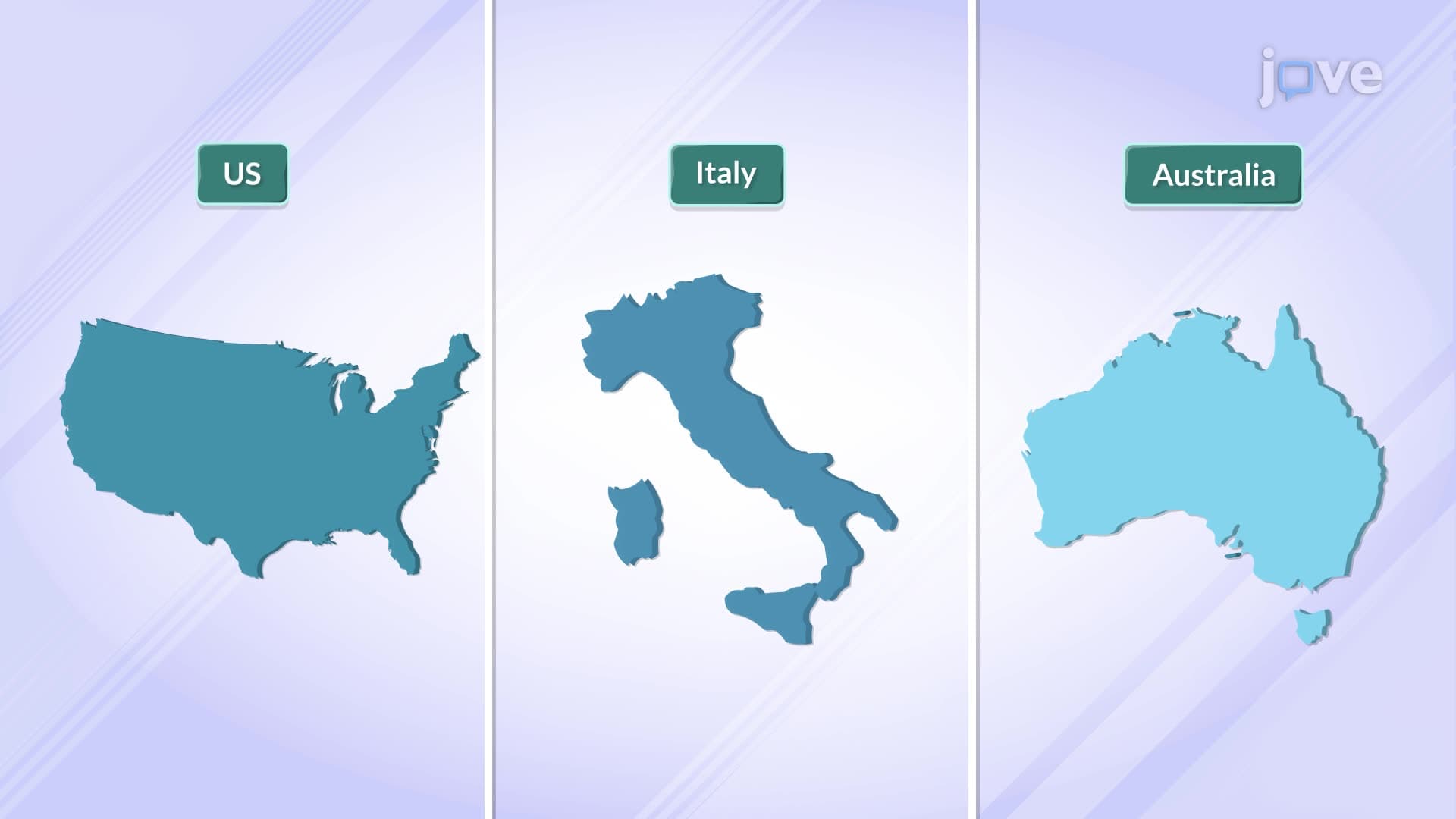
Global marketing represents a strategic approach where companies expand internationally while balancing brand consistency with local market adaptation. This JoVE Coach micro-course examines how American companies like Coca-Cola, McDonald's, and Apple successfully implement international marketing strategies across diverse markets, covering market assessment, entry strategies, and the four Ps of global marketing mix optimization.
Apply comprehensive market assessment frameworks to evaluate international expansion opportunities and risks
Implement various global entry strategies including exporting, licensing, joint ventures, and direct investment
Analyze cultural, economic, and regulatory factors that influence international marketing decisions
Evaluate standardization versus adaptation approaches for products, pricing, distribution, and promotion
Assess global market environments using economic indicators, political stability, and technological readiness
Leverage digital distribution channels and e-commerce platforms for international market penetration
Apply ethical considerations and cultural sensitivity principles in cross-border marketing campaigns
Implement integrated global marketing programs that balance local relevance with brand consistency
1. Global Market Environment Assessment
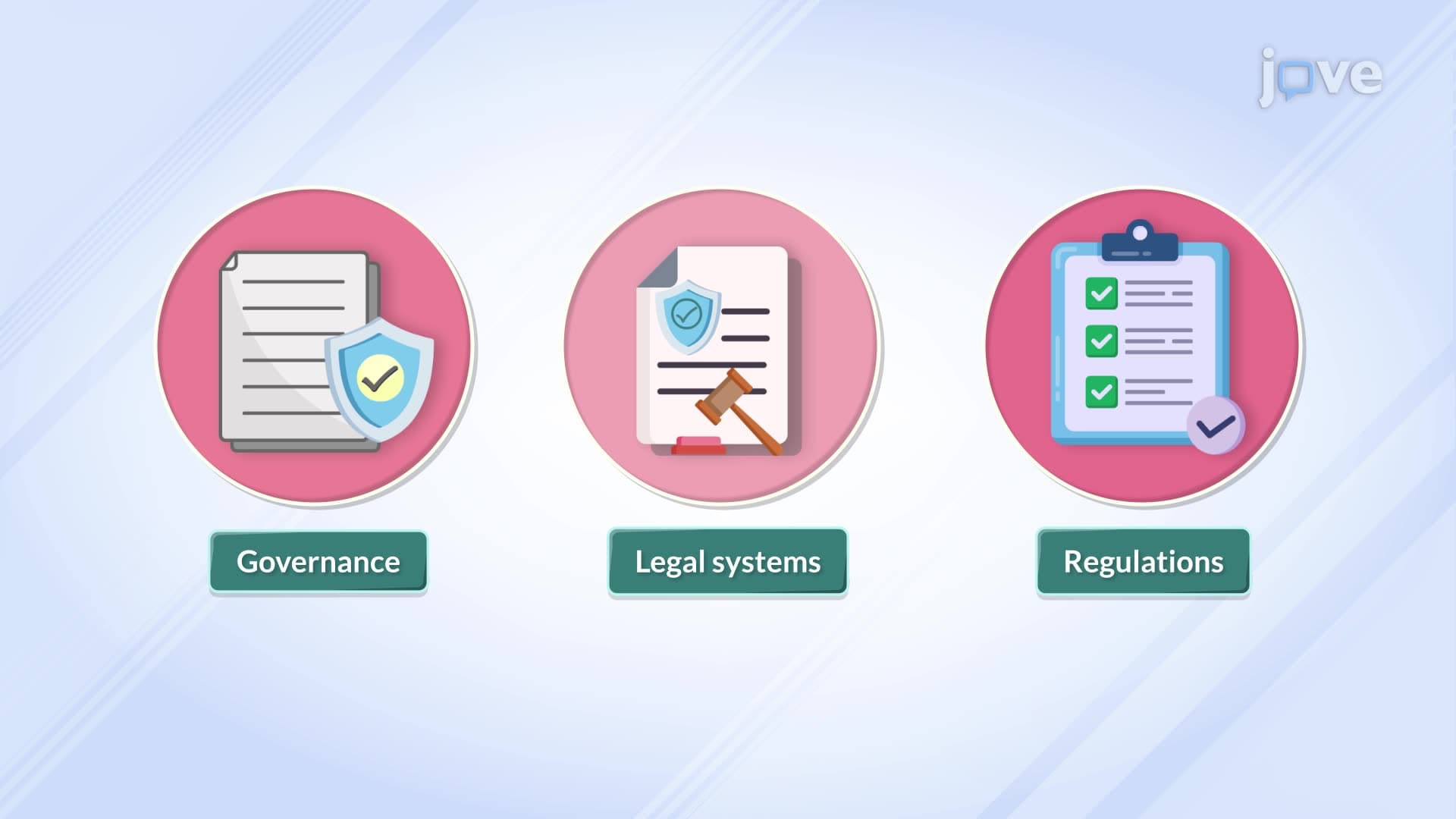
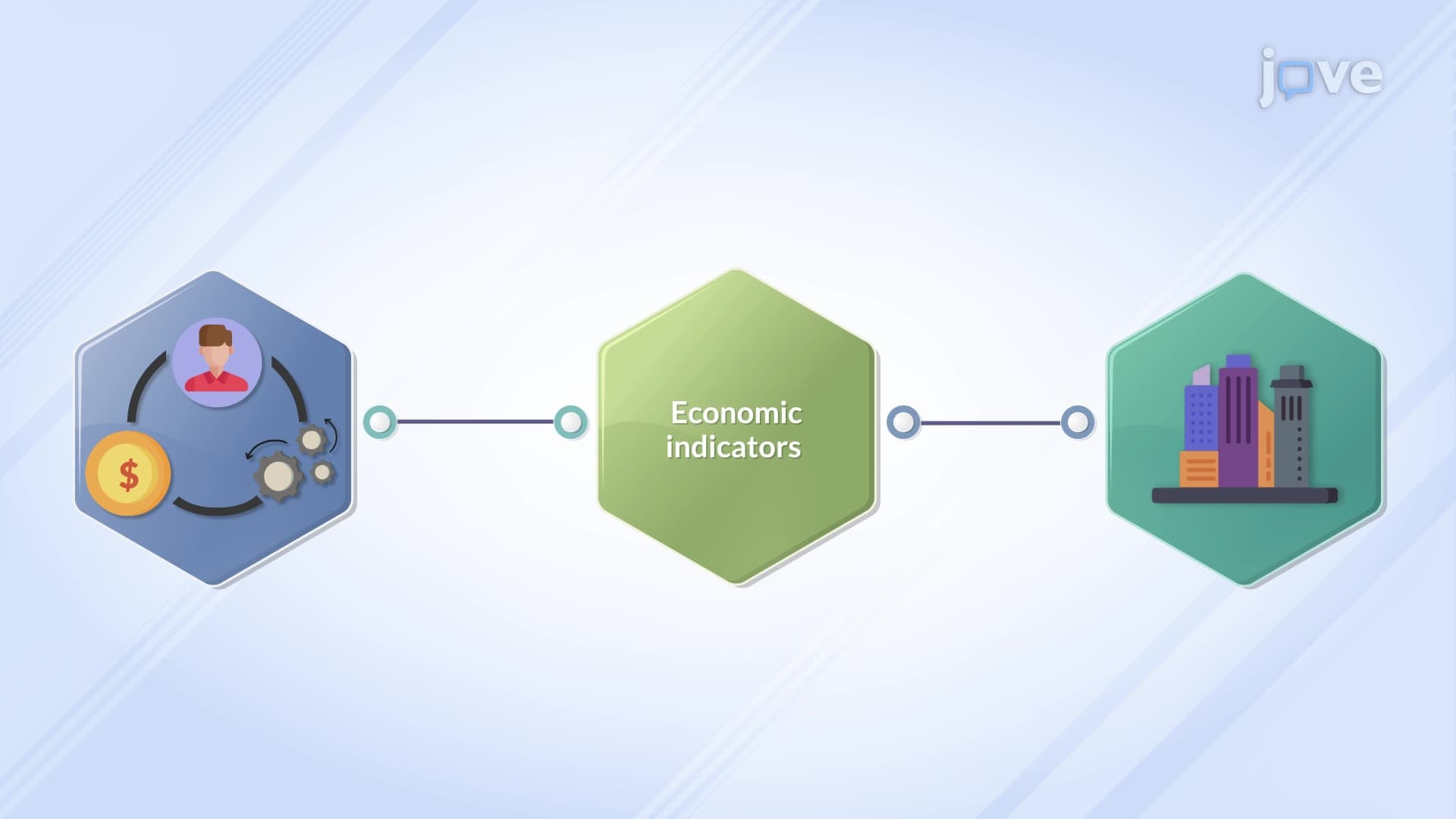
Understanding how economic indicators like GDP growth and exchange rates, political stability, and regulatory frameworks impact international marketing decisions. This covers analyzing purchasing power across markets, evaluating infrastructure readiness, and assessing technological adoption rates. American companies like Tesla must consider charging infrastructure when marketing electric vehicles internationally, while fintech companies evaluate payment technology readiness and cybersecurity concerns across different markets to determine optimal entry strategies.
2. International Market Entry Strategies
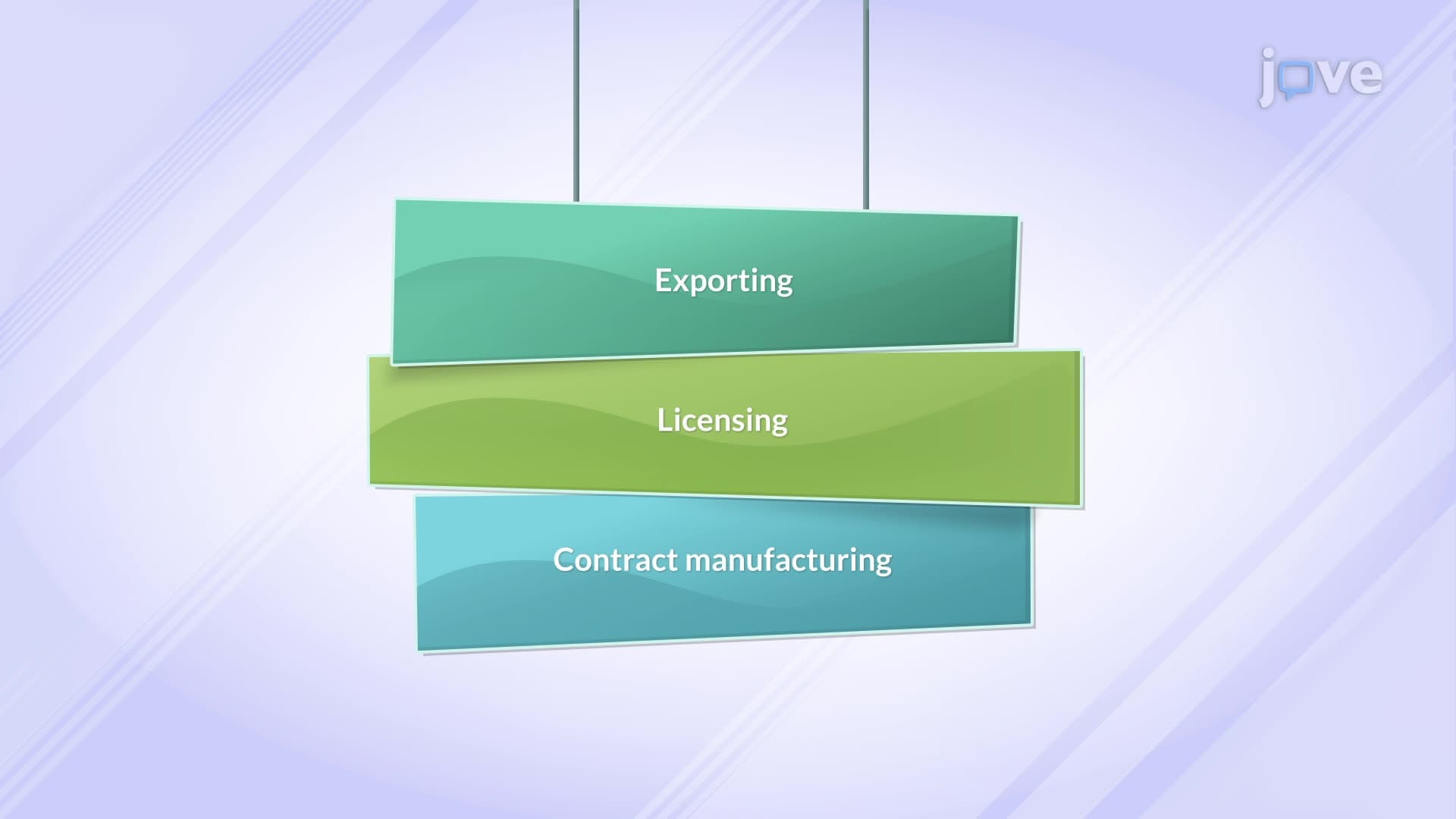
Comprehensive examination of entry approaches from low-risk exporting to high-investment direct ownership. This includes indirect and direct exporting methods, licensing agreements, contract manufacturing, management contracting, joint ventures, and franchising. Companies like Marriott use management contracting for international hotels, while McDonald's leverages franchising for rapid global expansion. Strategic alliances, like the Spotify-Uber partnership, demonstrate how companies can expand reach without direct investment while sharing resources and capabilities.
3. Global Marketing Mix Product Strategies
Product adaptation strategies ranging from straight extension to complete invention for international markets. Apple demonstrates straight product extension by selling similar products worldwide, while Starbucks adapts offerings with region-specific beverages like Masala Chai. Product invention involves creating entirely new solutions for specific markets, particularly in developing economies. This section covers how companies balance manufacturing efficiencies with local market needs and cultural preferences.
4. International Pricing and Distribution Strategies
Pricing considerations including tariffs, local competition, and purchasing power variations across markets. Distribution strategies encompass global value delivery systems, digital distribution advantages, and channel selection between direct and indirect approaches. Luxury brands like Gucci maintain consistent premium positioning globally, while companies must navigate varying infrastructure capabilities, cultural preferences for distribution channels, and regulatory constraints that affect product availability and pricing competitiveness.
5. Global Promotional Strategies and Cross-Cultural Marketing
Media selection, creative adaptation, and budgeting considerations for international campaigns. This covers standardization approaches like Apple's global advertising with minor language adjustments versus adaptation strategies that align with local cultural events and preferences. Companies must consider platform availability (Instagram versus WeChat in China), cultural sensitivities, and local partnership opportunities. Budget allocation depends on market potential, adaptation costs, and expected ROI across different regions.
6. Ethical Considerations and Global Marketing Challenges
Addressing ethical dilemmas in international business including labor practices, cultural sensitivity, and data privacy across different regulatory environments. This examines real challenges companies face, from Nike's labor practice criticisms to Walmart's bribery issues in Mexico. Internal organizational challenges include managing diverse teams, integrating global and local strategies, and building cultural competency within marketing organizations to avoid costly cultural missteps and maintain brand integrity.
Frequently Asked Questions
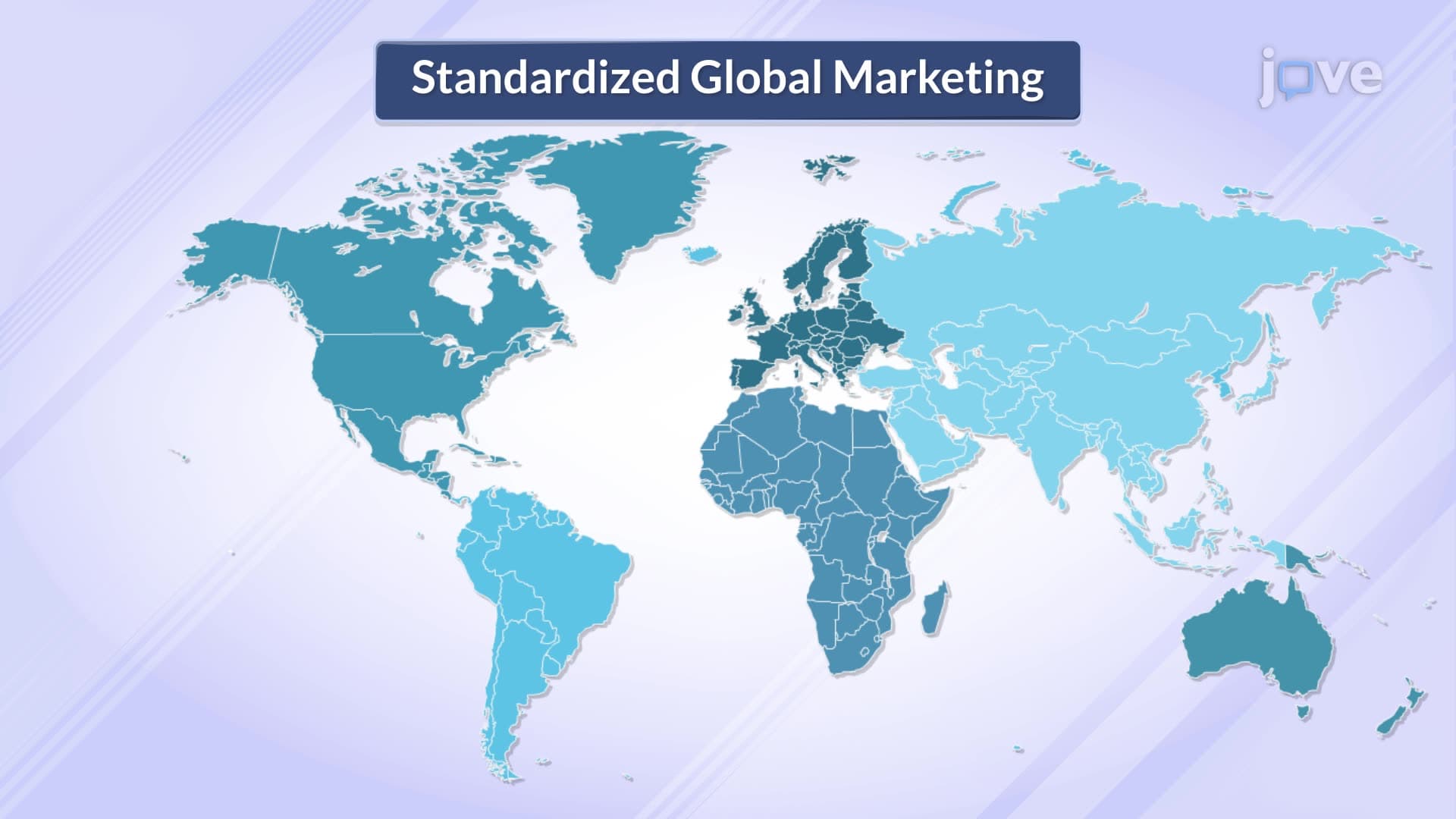
Standardization uses identical marketing strategies worldwide for consistency and cost efficiency, like Coca-Cola's universal campaigns. Adaptation tailors strategies to local markets, like McDonald's offering region-specific menu items. Most successful companies use a mixed approach, maintaining core brand elements while adapting specific components to local preferences and cultural norms.
Evaluate markets using multiple criteria including market size and growth rate, demographic factors, economic indicators, political stability, and cultural alignment with your products. Consider infrastructure readiness, competitive landscape, and regulatory environment. Start with markets showing strong growth potential, stable political conditions, and cultural receptiveness to your value proposition.
Entry strategy depends on your risk tolerance, capital availability, and control requirements. Low-risk options include exporting and licensing, while joint ventures and direct investment offer more control but require higher investment. Consider your industry dynamics, local partnership opportunities, and long-term strategic goals when selecting the optimal approach for each target market.
Factor in local purchasing power, competitive landscape, tariffs and taxes, and economic conditions. Consider how quotas and subsidies affect supply and pricing in each market. Technology companies often use premium pricing in high-purchasing-power markets to recover development costs quickly, while adjusting for local economic conditions in emerging markets.
Key challenges include communication gaps between global and local teams, cultural diversity in decision-making approaches, and balancing global brand consistency with local market needs. Successful companies invest in cultural competency training, establish clear communication protocols, and create decision-making frameworks that value local market insights while maintaining strategic alignment.
Digital platforms remove geographical barriers and enable direct customer relationships across borders, but companies must navigate varying platform preferences (Instagram vs. WeChat) and regulatory requirements. E-commerce facilitates global distribution while social media enables targeted international campaigns. However, data privacy laws and platform restrictions require careful navigation in different markets.
Global marketing expertise opens roles in international brand management, market expansion strategy, cross-cultural campaign development, and global business development. Companies increasingly value professionals who can navigate cultural complexities, manage international partnerships, and develop strategies that balance global consistency with local relevance. This expertise is particularly valuable in multinational corporations and companies pursuing international growth.
This microcourse includes 15 concept videos that walk you through the building blocks of Marketing. Each video is short, about 1 minute, so you can cover a full topic during a coffee break or between classes. The full sequence starts with Introduction to Global Marketing and ends with Challenges in Global Marketing.
The natural next step is Contemporary Topics in Marketing. Once you finish those, the full Marketing curriculum of 17 microcourses on JoVE Coach opens up, taking you from foundational concepts to advanced systems.