Loading subject page…


12 Concepts
16 Concepts
24 Concepts
11 Concepts
19 Concepts
15 Concepts
15 Concepts
25 Concepts
12 Concepts
19 Concepts
15 Concepts
18 Concepts
18 Concepts
31 Concepts
24 Concepts
15 Concepts
10 Concepts
 10 Concepts
 2.2K Views
 Popular topics





Contemporary topics in marketing encompass the revolutionary technologies and consumer behaviors reshaping business strategy today. This JoVE Coach micro-course explores how modern marketing trends like AI-driven personalization, neuromarketing insights, and phygital experiences are transforming customer engagement. Working professionals will master emerging trends and topics in marketing today, from Tesla's Industry 5.0 approach to Amazon's AI marketing innovation, enabling strategic implementation across diverse business environments.
1. Contemporary Consumer Behavior and Market Dynamics Today's consumers demand personalized, sustainable, and instantly gratifying experiences. Companies like Patagonia successfully capture this market by combining environmental responsibility with premium quality, creating loyal advocates who actively promote the brand. Modern consumers research globally, expect meaningful engagement beyond traditional advertising, and rapidly influence trends through social media. Understanding these behavioral shifts enables marketing professionals to develop strategies that resonate with value-conscious, socially aware customers who prioritize convenience and authentic brand connections.
2. Industry 4.0 to 5.0 Evolution and Marketing Transformation The transition from Industry 4.0's technology-focused automation to Industry 5.0's human-centric collaboration fundamentally changes marketing approaches. Tesla exemplifies this evolution by integrating AI-driven software, IoT connectivity, and over-the-air updates while prioritizing user safety, convenience, and sustainability. Marketing strategies now emphasize human well-being, environmental responsibility, and data privacy alongside technological advancement. This shift requires professionals to balance automation efficiency with authentic human connection and sustainable business practices.
3. Marketing Automation and Workflow Optimization Marketing automation platforms like HubSpot and Mailchimp enable sophisticated campaign management through personalized customer journeys. These systems automatically trigger follow-up emails based on browsing behavior, create dynamic landing pages, and integrate CRM functionality for seamless customer relationship management. Advanced automation handles welcome sequences, abandoned cart recovery, social media posting, and lead nurturing workflows. Marketing professionals leverage these tools to increase efficiency, reduce manual tasks, and deliver precisely timed, relevant messages that drive conversions and customer retention.
4. Neuromarketing Applications and Consumer Psychology Neuromarketing combines neuroscience with marketing strategy to understand subconscious consumer responses. Frito-Lay's discovery that shiny chip packaging triggered guilt responses, leading to matte package adoption, demonstrates practical applications. Tools like fMRI, EEG, eye-tracking, and facial expression analysis provide insights into emotional reactions, attention patterns, and purchasing motivations. Marketing professionals use these findings to optimize product design, packaging, advertising creative, and in-store experiences, creating more effective campaigns based on neurological and psychological consumer responses.
5. AI Marketing Implementation and Customer Personalization Amazon's AI-driven recommendation engine generates 35% of total sales through sophisticated customer data analysis and preference prediction. AI applications include Alexa's voice-activated shopping recommendations, predictive analytics for inventory management, and dynamic pricing optimization. Marketing professionals implement AI for customer segmentation, content personalization, chatbot customer service, and predictive lead scoring. These technologies enable real-time decision-making, automated campaign optimization, and highly personalized customer experiences that increase engagement, conversion rates, and customer lifetime value.
6. Augmented Reality Marketing and Immersive Experiences AR marketing creates interactive experiences by overlaying digital content onto physical environments through smartphones and specialized devices. Retailers use AR for virtual product try-ons, allowing customers to visualize furniture in their homes or test makeup applications before purchasing. Print advertising campaigns incorporate AR elements that activate through mobile apps, providing additional product information, exclusive offers, or interactive experiences. Marketing professionals leverage AR to bridge online and offline experiences, reduce return rates, and create memorable brand interactions that drive engagement and sales.
7. Micro-Moments Strategy and Real-Time Customer Engagement Micro-moments capture critical decision-making instances when consumers use devices to research, locate, learn, or purchase. Nike optimizes for these moments through mobile-friendly websites that load instantly when customers search for "buy Nike running shoes online." Successful micro-moments marketing requires analyzing search data, optimizing mobile content for quick loading, personalizing responses based on user intent, and maintaining consistent brand messaging across touchpoints. Marketing professionals use these insights to intercept customers at high-intent moments, increasing conversion probability and customer satisfaction.
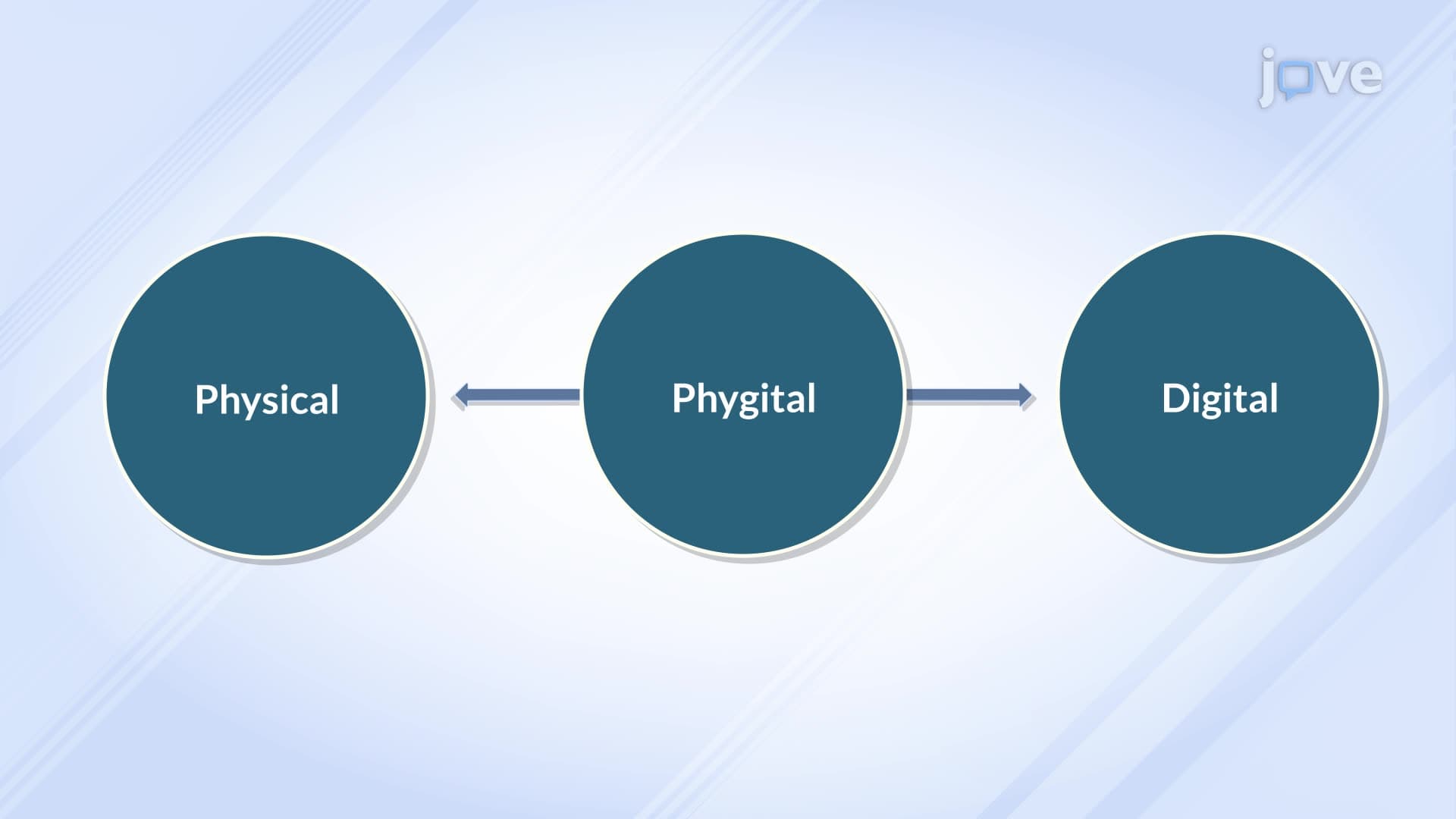
8. Phygital Marketing Integration and Omnichannel Experiences Phygital marketing seamlessly blends physical and digital customer interactions for cohesive brand experiences. Sephora's Virtual Artist app allows customers to try makeup virtually in-store and at home, creating consistent experiences across channels. This approach leverages digital convenience with physical product interaction, enabling features like mobile payment integration, digital loyalty programs accessible in-store, and augmented reality product demonstrations. Marketing professionals implement phygital strategies to meet modern consumer expectations for seamless channel transitions while gathering comprehensive customer data for personalization.
9. Blockchain Marketing Applications and Trust Building Blockchain technology creates transparent, verifiable marketing systems through immutable transaction records and smart contract automation. Supply chain marketing applications allow customers to trace product origins, verify authenticity, and confirm sustainability claims through blockchain verification. Smart contracts automate marketing agreement execution, ensuring automatic payment releases when campaign milestones are achieved. Additionally, blockchain enables secure loyalty token programs and fair creator compensation systems. Marketing professionals implement blockchain solutions to build customer trust, reduce fraud, eliminate intermediary costs, and create automated, transparent business processes.