Services marketing encompasses the specialized strategies and frameworks required to successfully promote and deliver intangible offerings in today's service-driven economy. This JoVE Coach micro-course explores the distinctive challenges of marketing services-from managing customer expectations and service quality to optimizing the extended marketing mix. Working professionals will master proven methodologies used by industry leaders like Starbucks, Southwest Airlines, and Marriott to create exceptional customer experiences, build lasting relationships, and drive sustainable business growth in competitive service markets.
Apply the services marketing mix (7Ps) to develop comprehensive go-to-market strategies for service offerings
Evaluate service quality using SERVQUAL dimensions to identify performance gaps and improvement opportunities
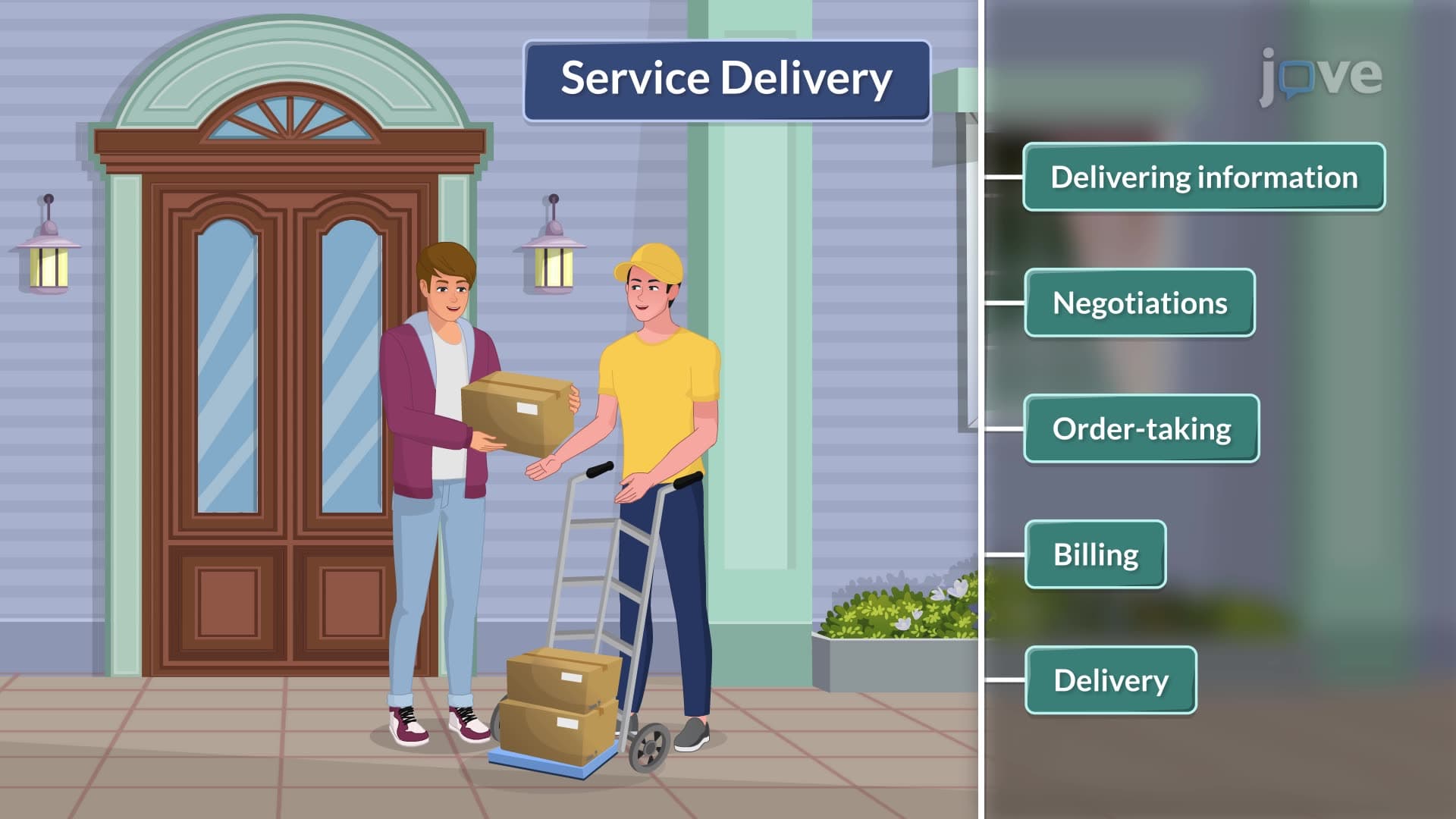
Analyze customer journey touchpoints to optimize service delivery processes and enhance satisfaction metrics
Implement service recovery strategies to transform service failures into competitive advantages and customer loyalty
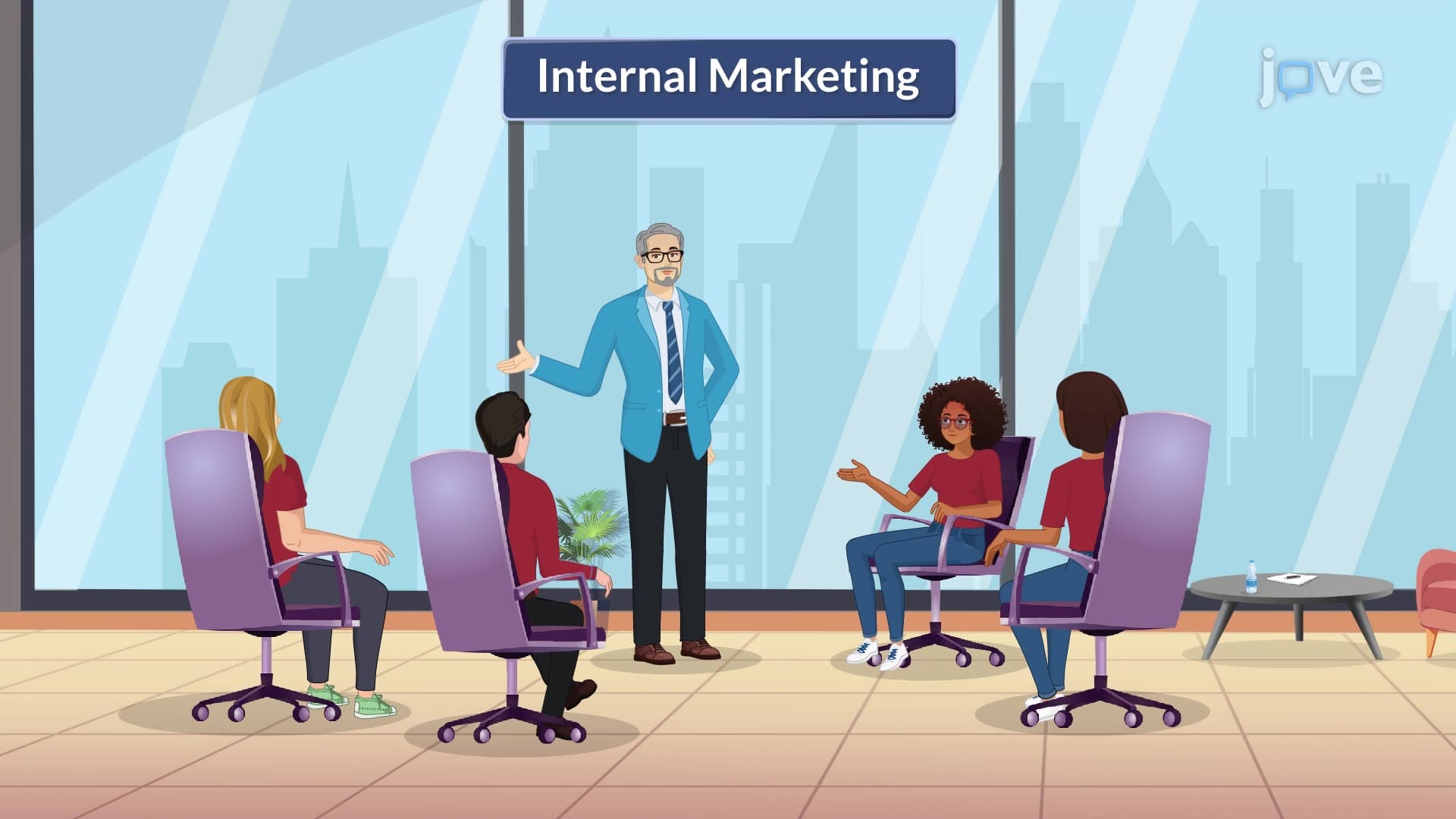
Leverage internal marketing techniques to align employee performance with brand promises and service standards
Assess digital transformation opportunities to modernize service delivery channels and customer engagement models
Apply pricing strategies that balance cost recovery, competitive positioning, and perceived customer value
Evaluate service innovation frameworks to develop new offerings that meet evolving market demands
1. Service Industry Fundamentals and Economic Impact
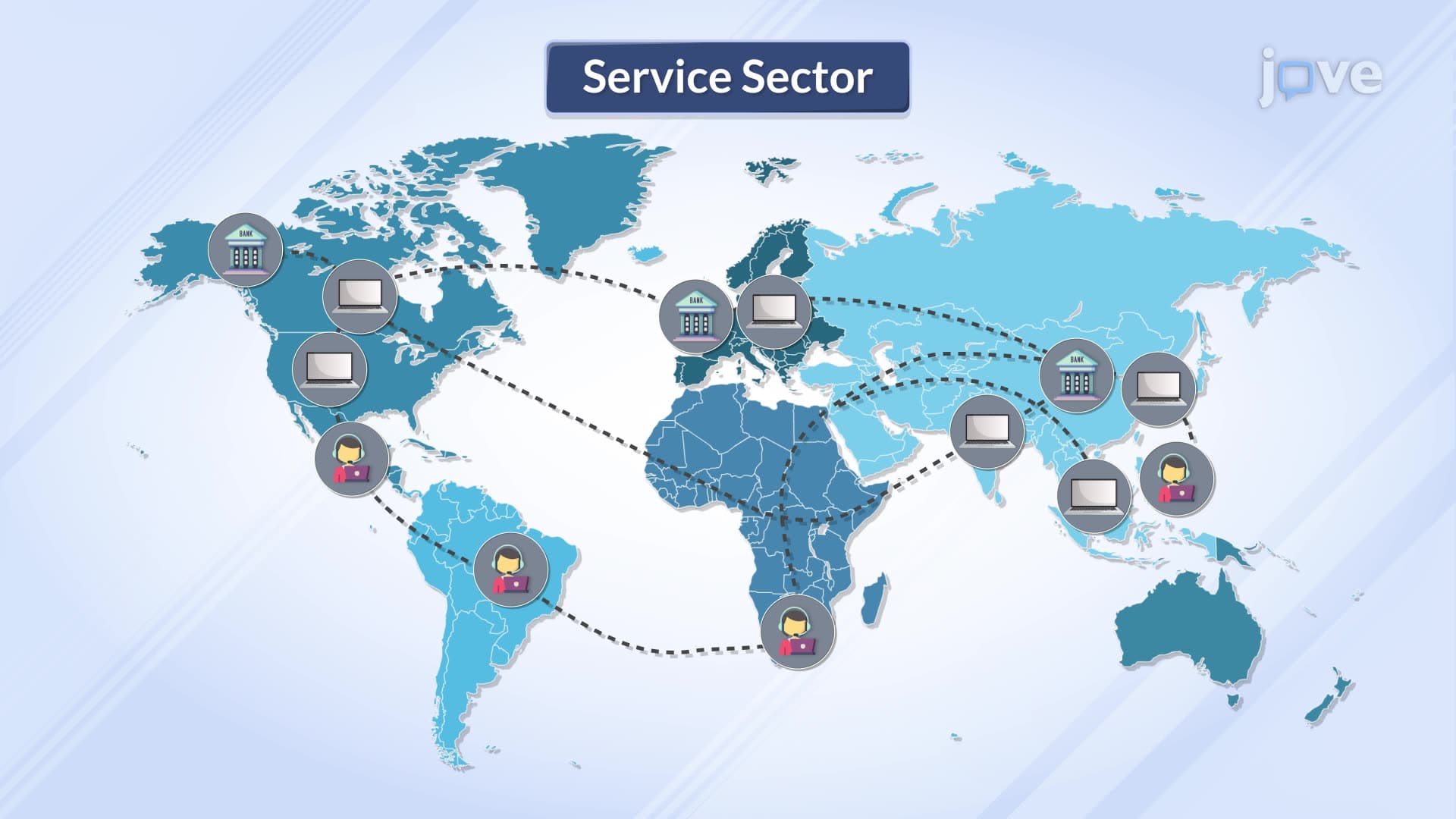
Understanding the unique characteristics that distinguish services from physical products, including intangibility, perishability, and variability. This foundation explores how the service sector drives over two-thirds of U.S. GDP and creates the majority of employment opportunities. Working professionals learn to leverage these economic trends while addressing the inherent challenges of marketing intangible offerings. The content examines how companies like Amazon have transformed service delivery through technology while maintaining focus on customer value creation and experience optimization.
2. Service Quality Management and Gap Analysis
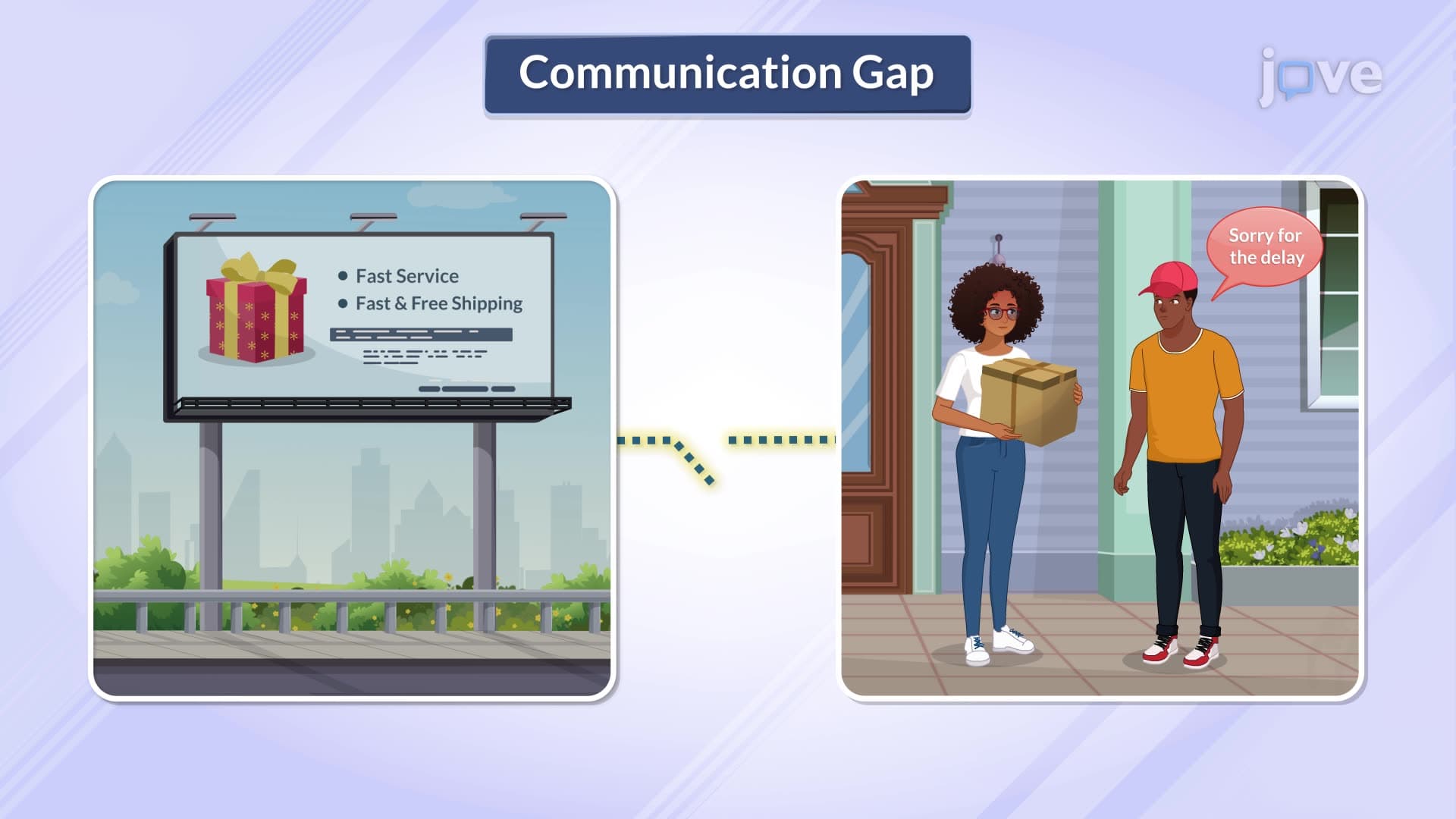
Mastering the SERVQUAL framework's five dimensions-tangibles, reliability, responsiveness, assurance, and empathy-to systematically evaluate and improve service performance. The Service Gap Model identifies critical disconnect points between customer expectations and actual delivery, providing actionable frameworks for operational improvement. Professionals learn how organizations like Southwest Airlines maintain consistent service quality across multiple touchpoints while managing customer perceptions and building brand loyalty through reliable service delivery and proactive communication strategies.
3. Customer Experience Design and Service Encounters
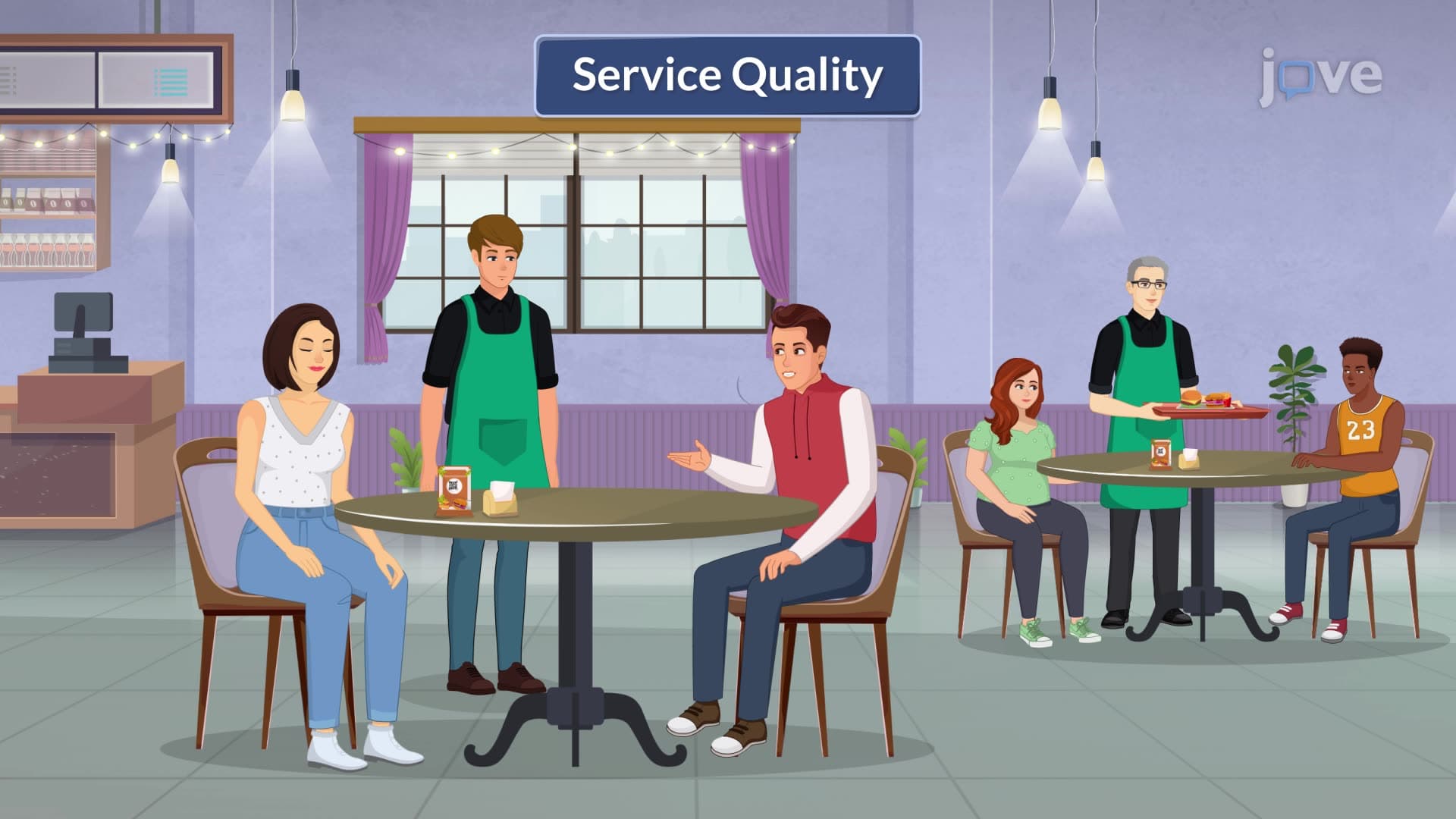
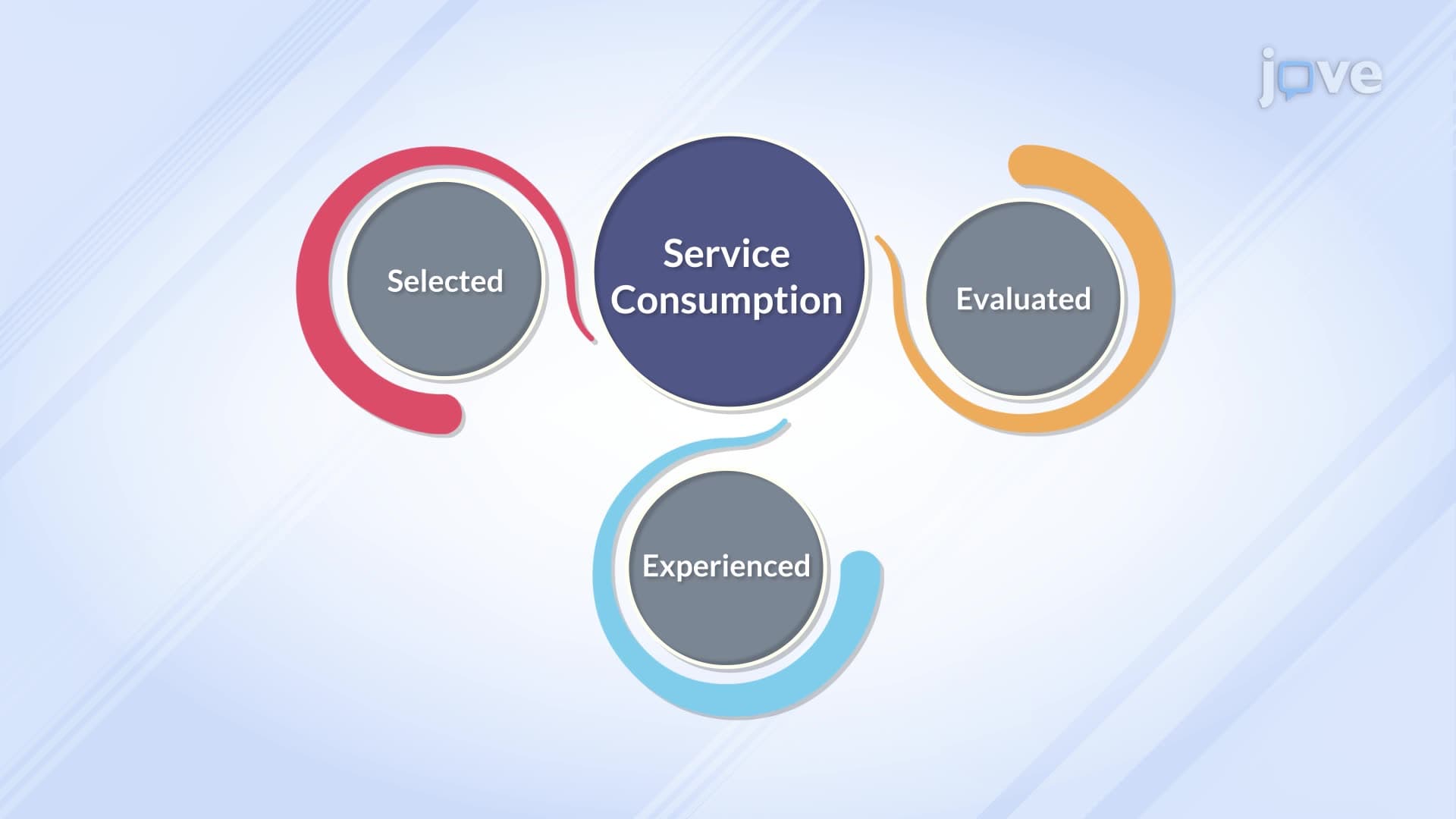
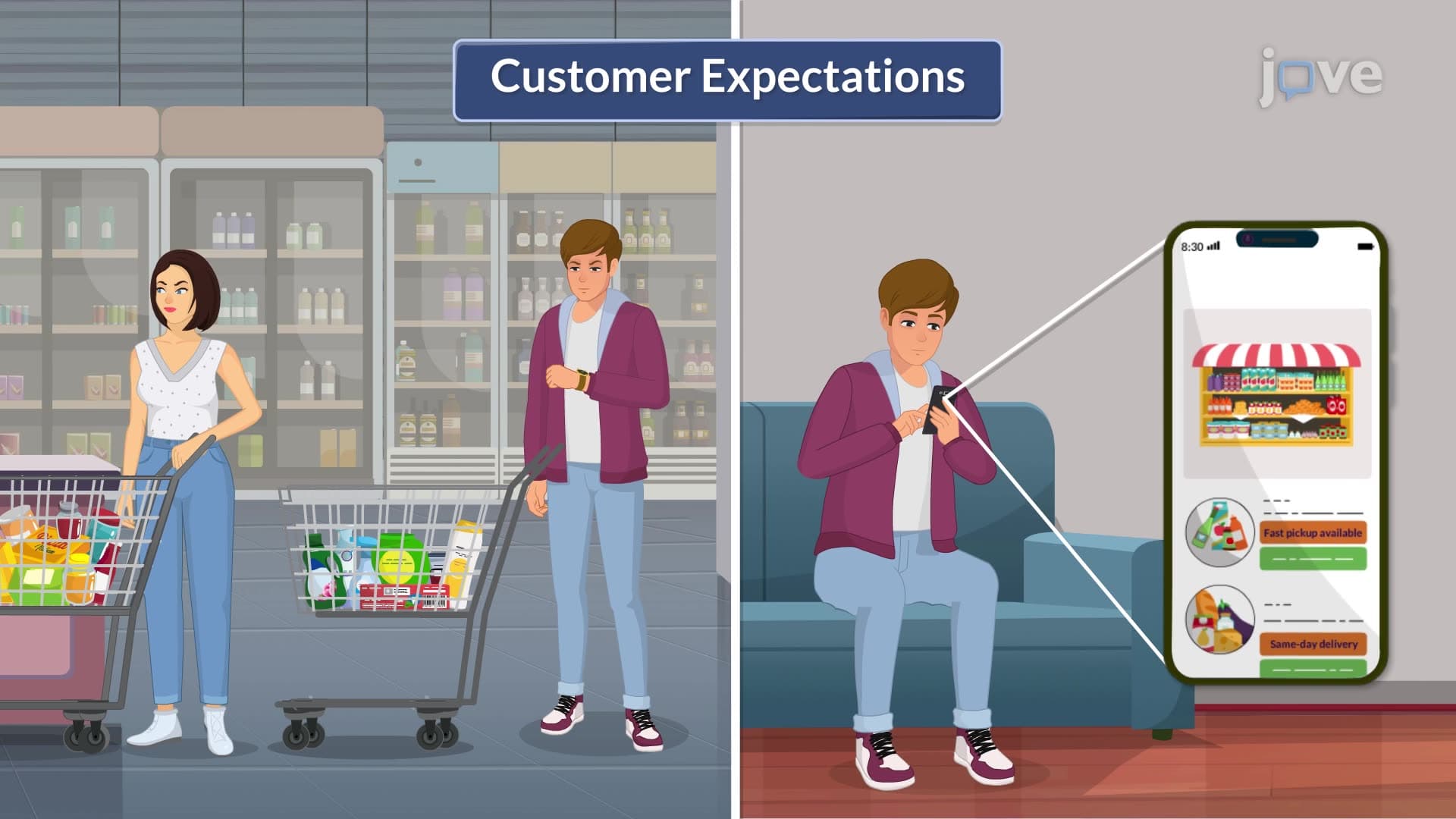
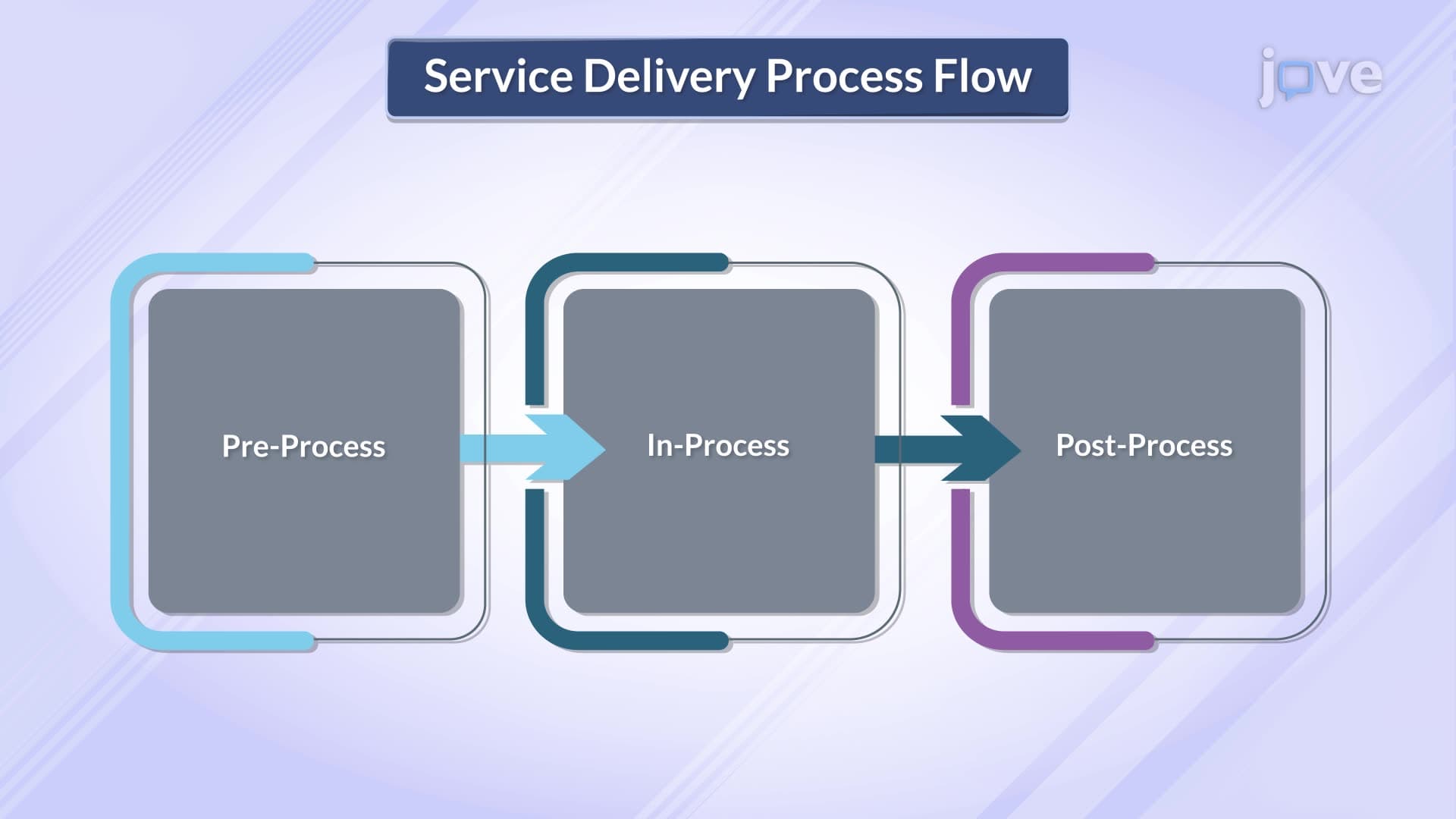
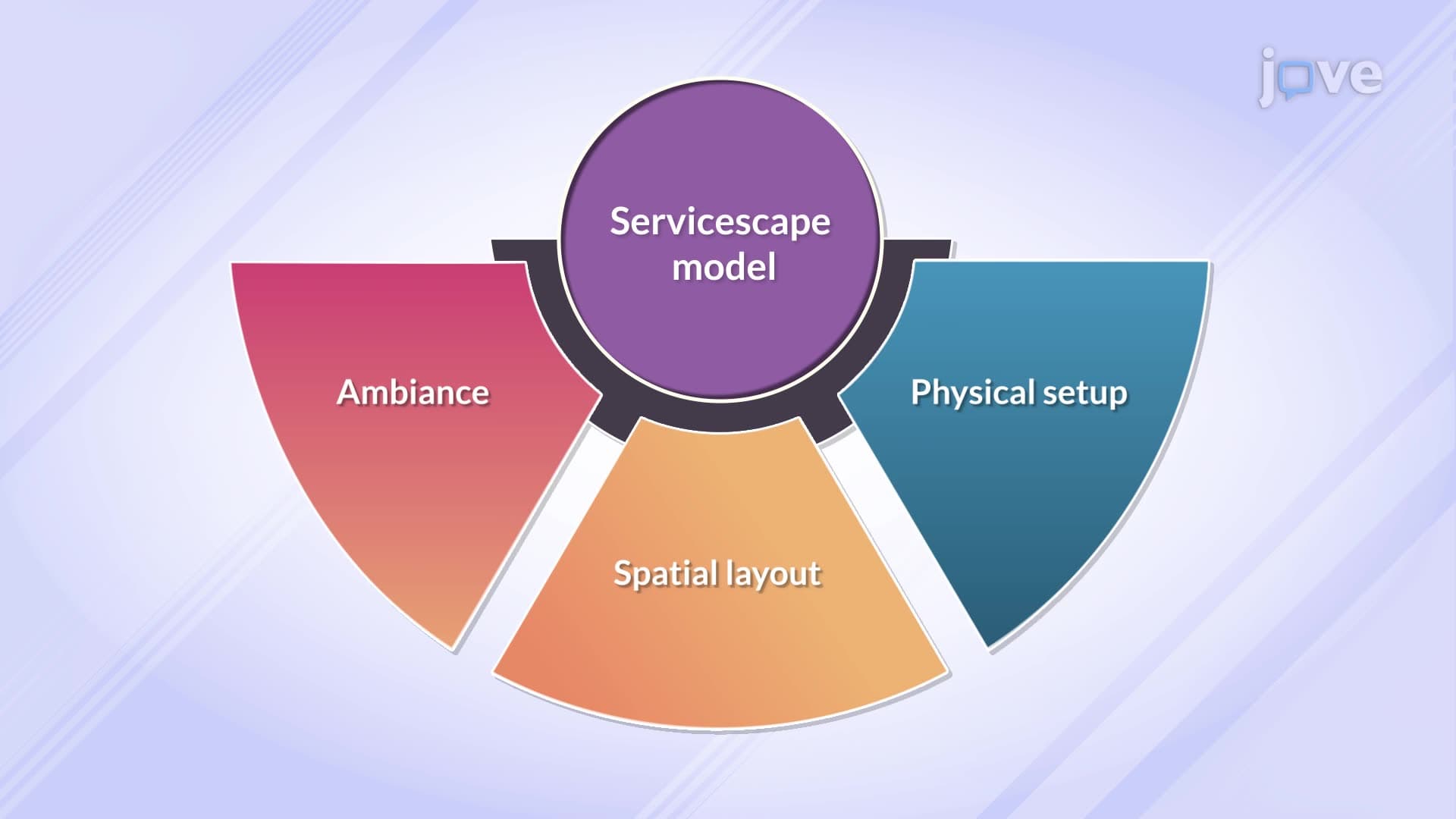
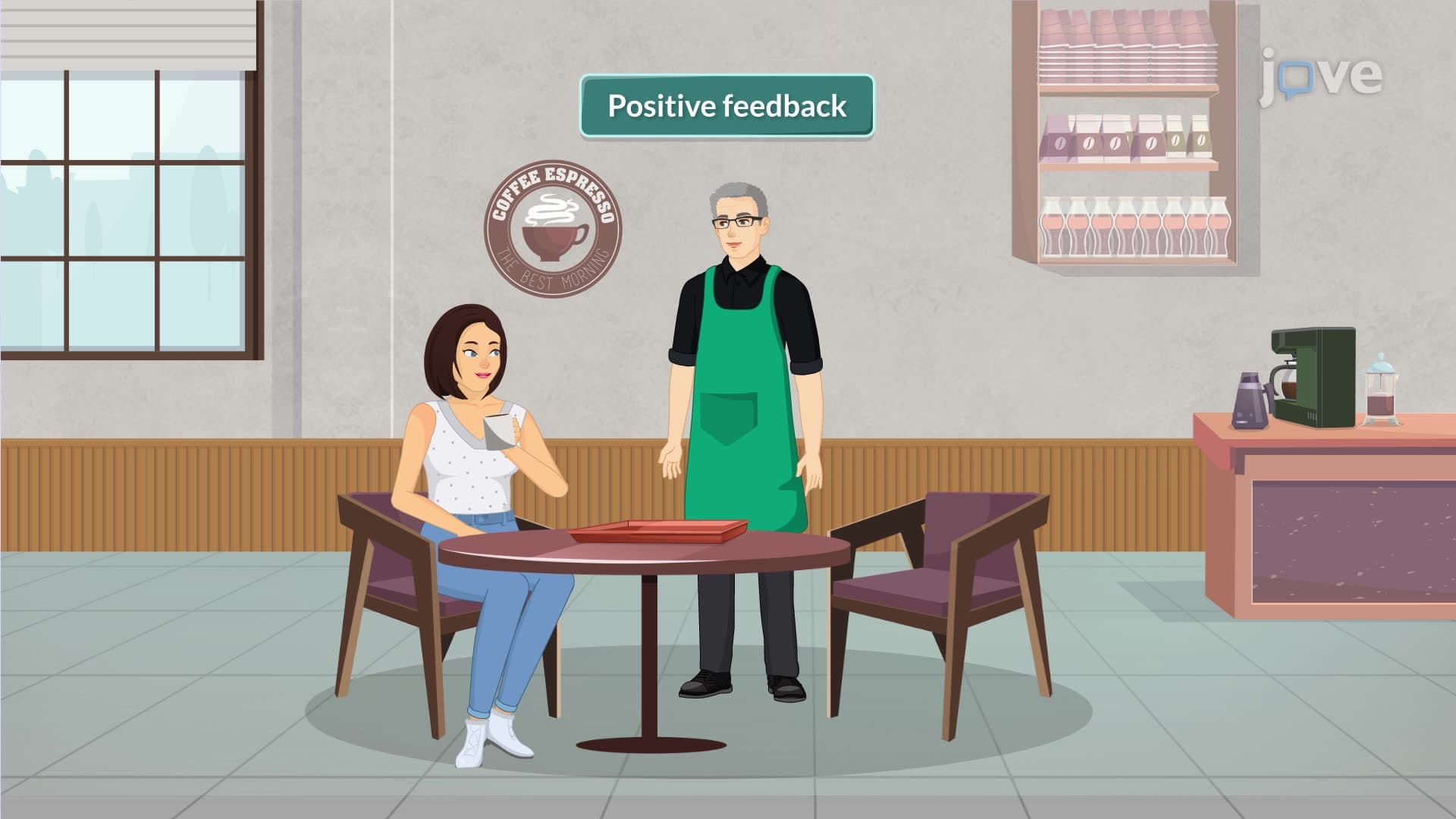
Developing comprehensive understanding of the three-stage service consumption model, from pre-purchase research through post-encounter evaluation and loyalty development. This includes designing effective servicescapes that support brand positioning and customer comfort, similar to Starbucks' consistent environmental design across locations. Working professionals gain tools for managing customer expectations within tolerance zones while creating memorable service experiences that differentiate their offerings and encourage repeat business and positive word-of-mouth marketing.
4. Extended Marketing Mix for Services (7Ps)
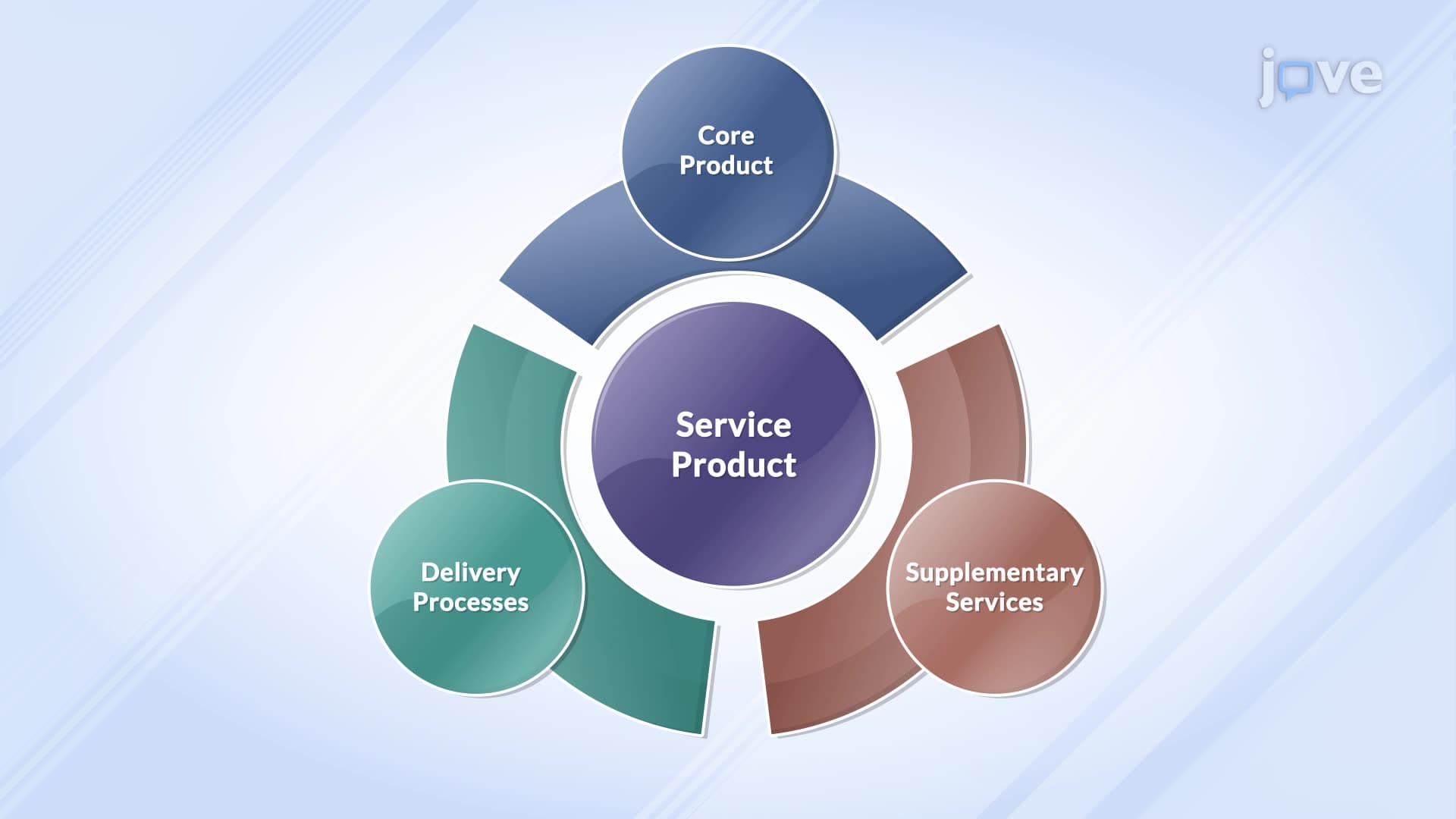
Applying the traditional 4Ps alongside the service-specific elements of People, Process, and Physical Evidence to create integrated marketing strategies. This comprehensive approach addresses how companies like Marriott International manage employee training and development to ensure consistent service delivery. Professionals learn to coordinate all marketing mix elements while addressing the unique challenges of promoting intangible offerings, including the critical role of employee performance in service delivery and brand representation.
5. Digital Transformation and Technology Integration
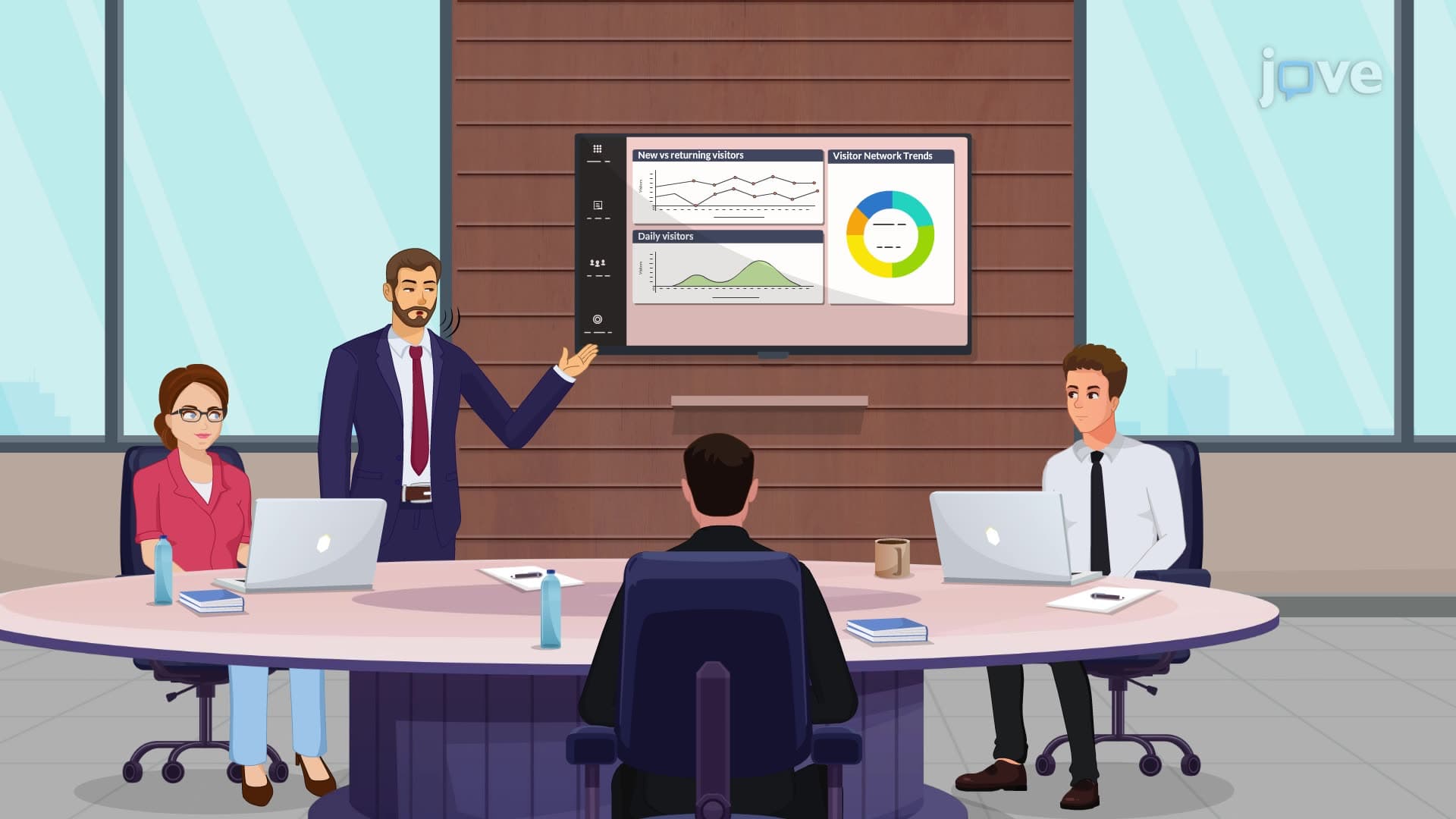
Leveraging technology to enhance service delivery channels, personalize customer interactions, and create competitive advantages in digital-first markets. This includes understanding how artificial intelligence, CRM systems, and mobile platforms enable companies like Netflix to deliver personalized experiences at scale. Working professionals explore omnichannel service strategies that integrate physical and digital touchpoints while maintaining consistent brand experiences and customer satisfaction across all interaction points and communication channels.
Frequently Asked Questions
Services require modified marketing strategies due to intangibility, perishability, and variability. Unlike physical products, services cannot be stored, displayed, or returned, requiring emphasis on reputation, employee training, and customer experience management rather than traditional product features and benefits.
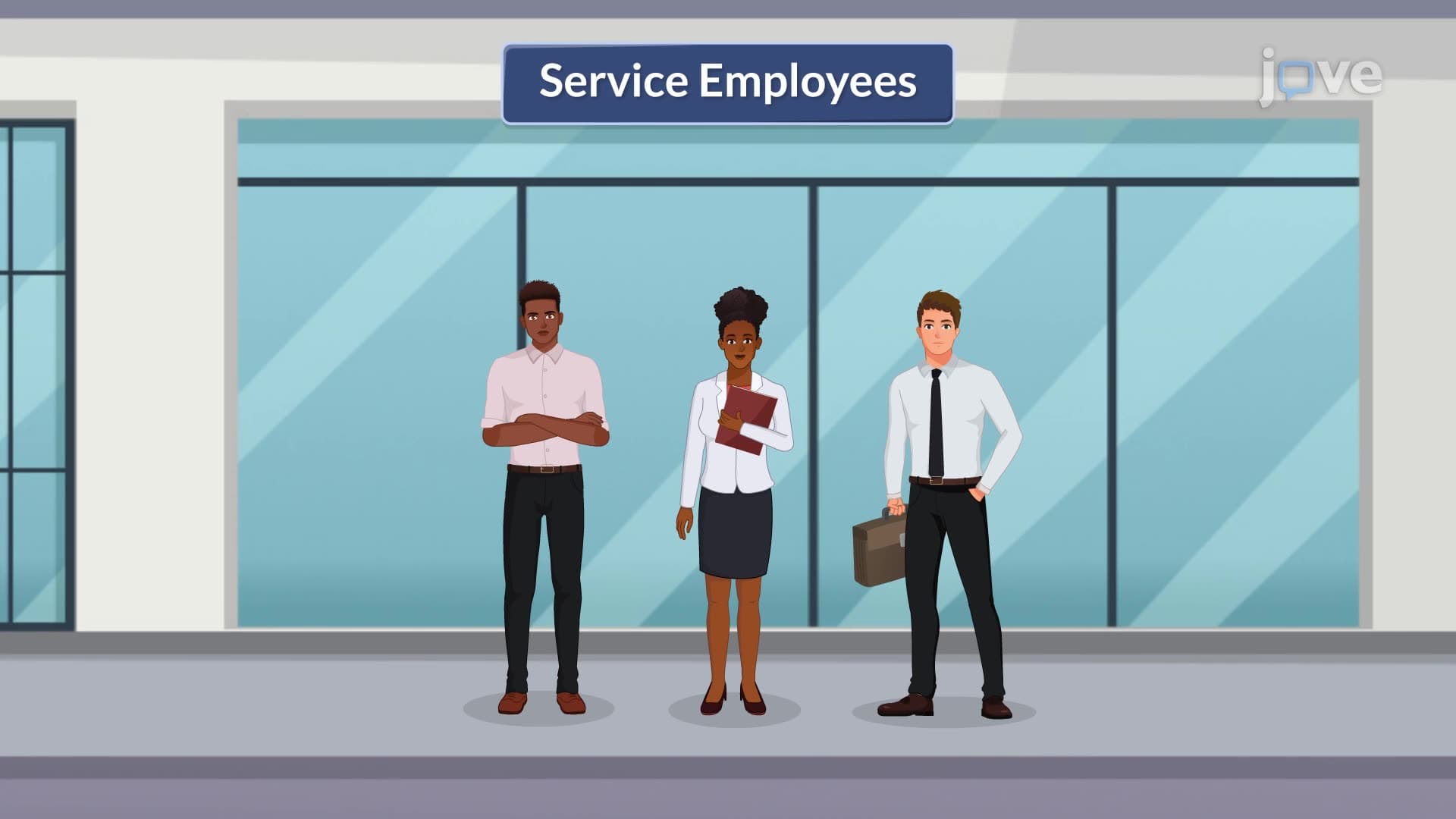
Employees are essentially part of the product in services marketing, directly impacting customer perceptions and satisfaction. Companies like Zappos invest heavily in cultural fit hiring and ongoing training because employee interactions shape brand reputation and customer loyalty more significantly than in product-based businesses.
Service pricing requires balancing cost-based minimums, value-based maximums, and competitive positioning. McKinsey demonstrates value-based pricing by charging premium rates based on perceived expertise and client outcomes rather than time invested, requiring clear communication of unique value propositions and measurable results.
Effective expectation management involves clear communication about service levels, proactive updates during delivery, and building tolerance zones through consistent performance. Companies like FedEx excel by providing real-time tracking and delivery windows, allowing customers to plan while maintaining realistic expectations about service capabilities.
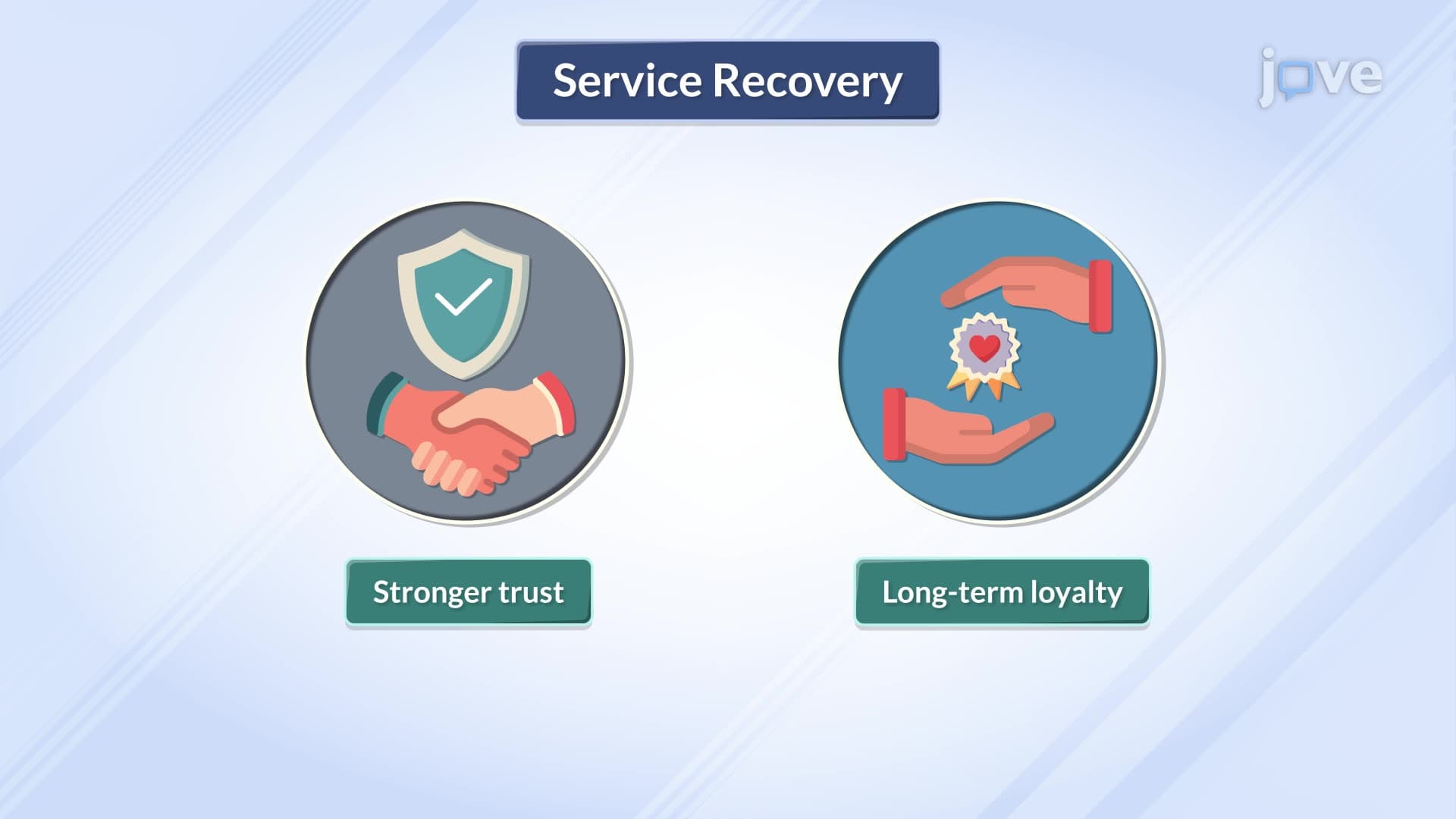
Well-executed service recovery can create stronger customer loyalty than error-free service. Southwest Airlines' proactive communication during flight delays, coupled with compensation and genuine concern, often results in higher customer satisfaction than competitors who avoid service disruptions but provide minimal recovery support.
CRM systems, AI-powered chatbots, mobile apps, and data analytics platforms enable personalization, efficiency, and customer insight generation. Banks like Chase use mobile technology and AI to provide 24/7 customer service while reducing operational costs and improving customer convenience and satisfaction.
Yes, the fundamental principles apply across healthcare, financial services, hospitality, professional services, and technology sectors. While specific tactics may vary, concepts like service quality dimensions, customer journey management, and employee engagement strategies provide universal frameworks for service business success.
Service marketing expertise is increasingly valuable as the economy shifts toward service-based business models. Professionals who understand customer experience design, digital service delivery, and relationship marketing strategies are positioned for leadership roles in operations, marketing, and general management across multiple industries.
This microcourse includes 31 concept videos that walk you through the building blocks of Marketing. Each video is short, about 1 minute, so you can cover a full topic during a coffee break or between classes. The full sequence starts with Defining Services and ends with Sustainability in Services Marketing.