Loading video…


 31 Concepts
 6.3K views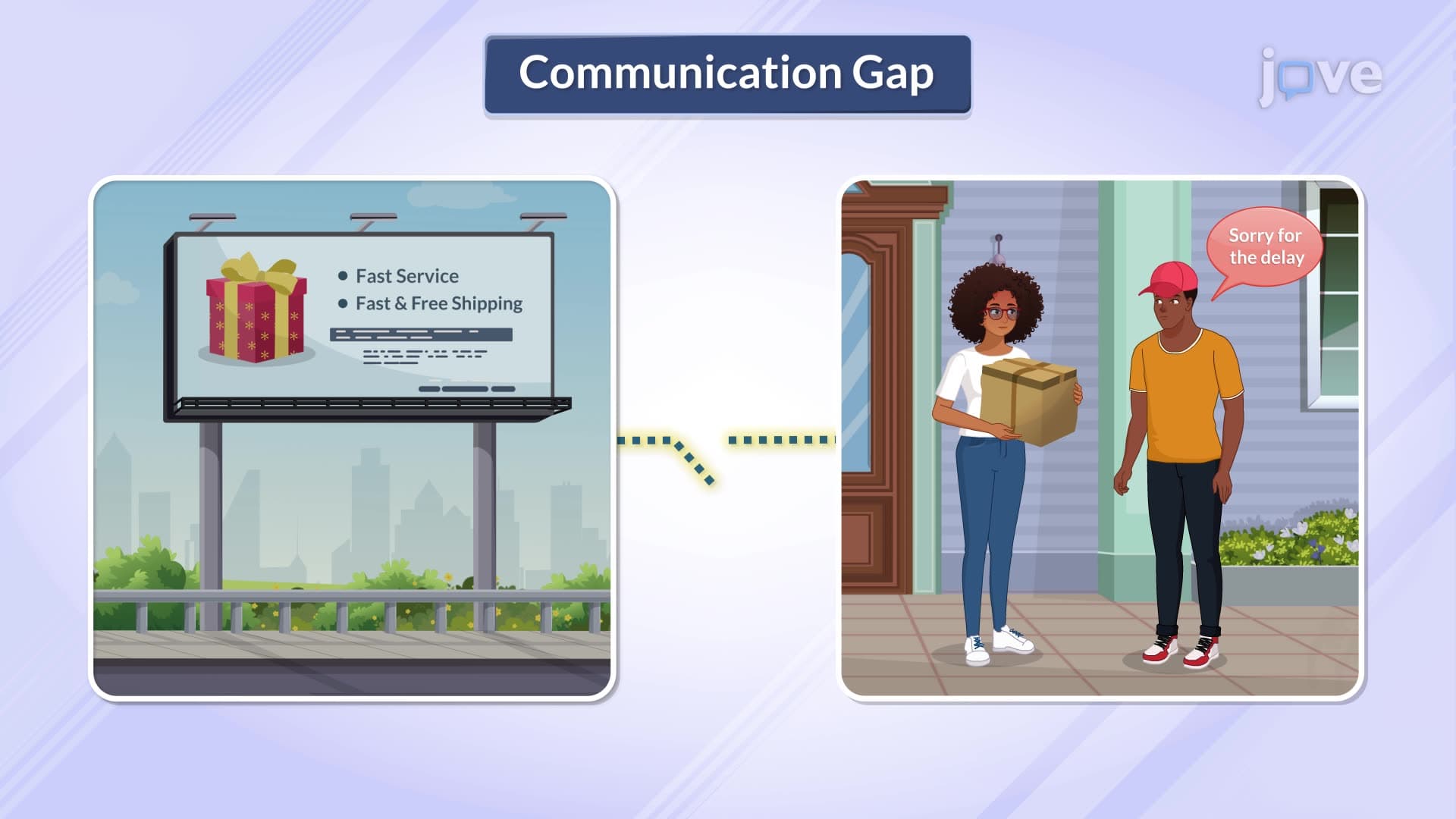

Video Summary: What Is Service Gap Model
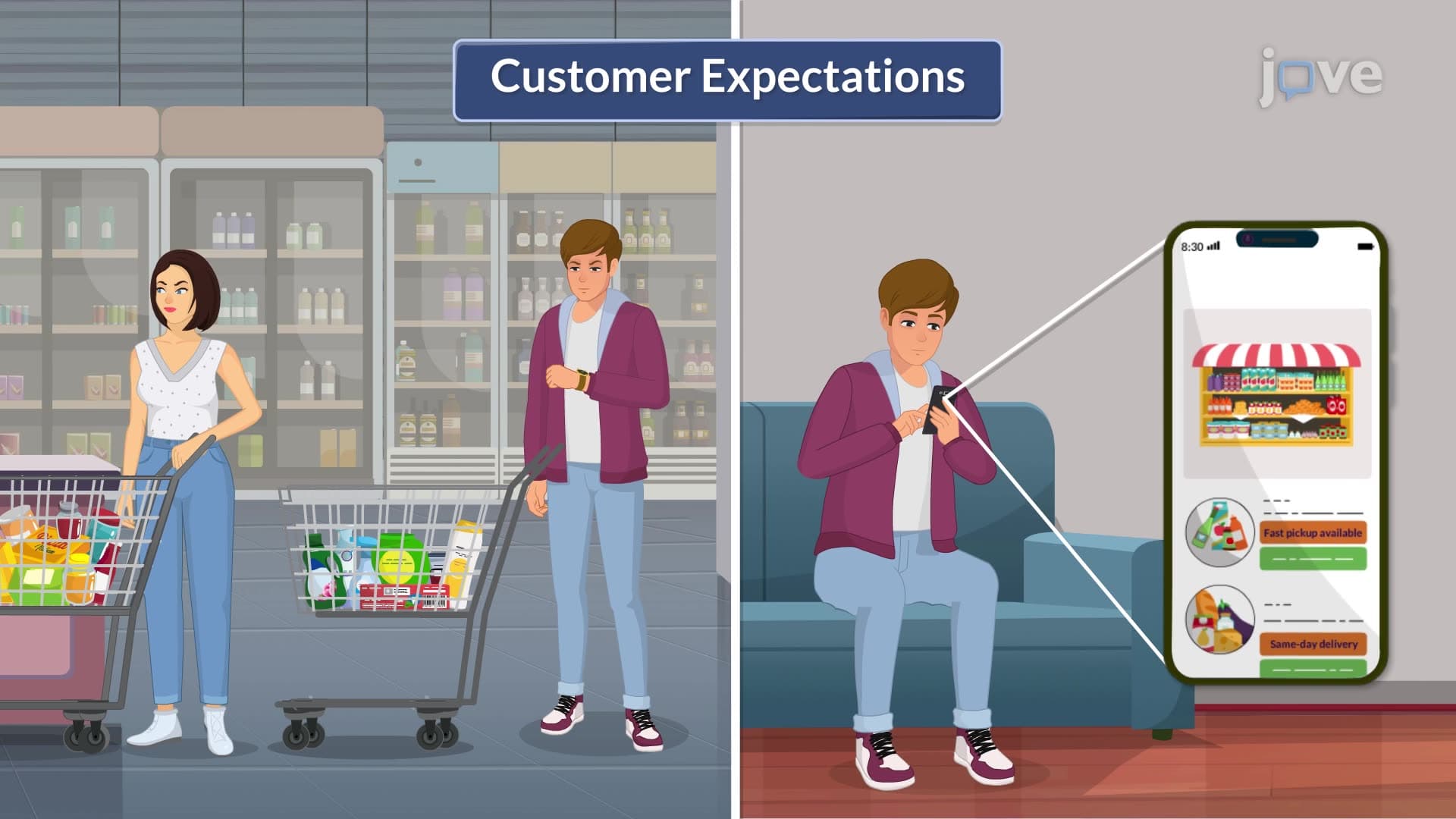
Customer service failures cost Fortune 500 companies billions annually in lost revenue and damaged brand equity. The service gap model provides a strategic framework for identifying five critical disconnects between customer expectations and actual service delivery. Companies like Starbucks have leveraged this model to systematically address service inconsistencies, from knowledge gaps in customer preferences to communication gaps in promotional messaging. Understanding what is service gap model enables managers to diagnose operational weaknesses and implement targeted solutions across their service delivery chain. Watch the full video on JoVE Coach to master this concept with expert-led visuals and step-by-step explanations.
Service delivery failures represent one of the most significant threats to customer lifetime value and market share retention in today's competitive landscape. Companies across industries-from hospitality giants like Marriott to technology leaders like Microsoft-face constant pressure to align customer expectations with actual service experiences. The service gap model provides executives and managers with a systematic approach to diagnose and address service delivery breakdowns.
The model identifies five distinct gaps that create customer dissatisfaction and revenue leakage. The knowledge gap occurs when organizations misread market signals or customer preferences-a costly mistake that led Best Buy to initially misunderstand the shift toward online shopping. Policy gaps emerge when internal service standards fail to meet customer expectations, often resulting in operational bottlenecks and customer churn.
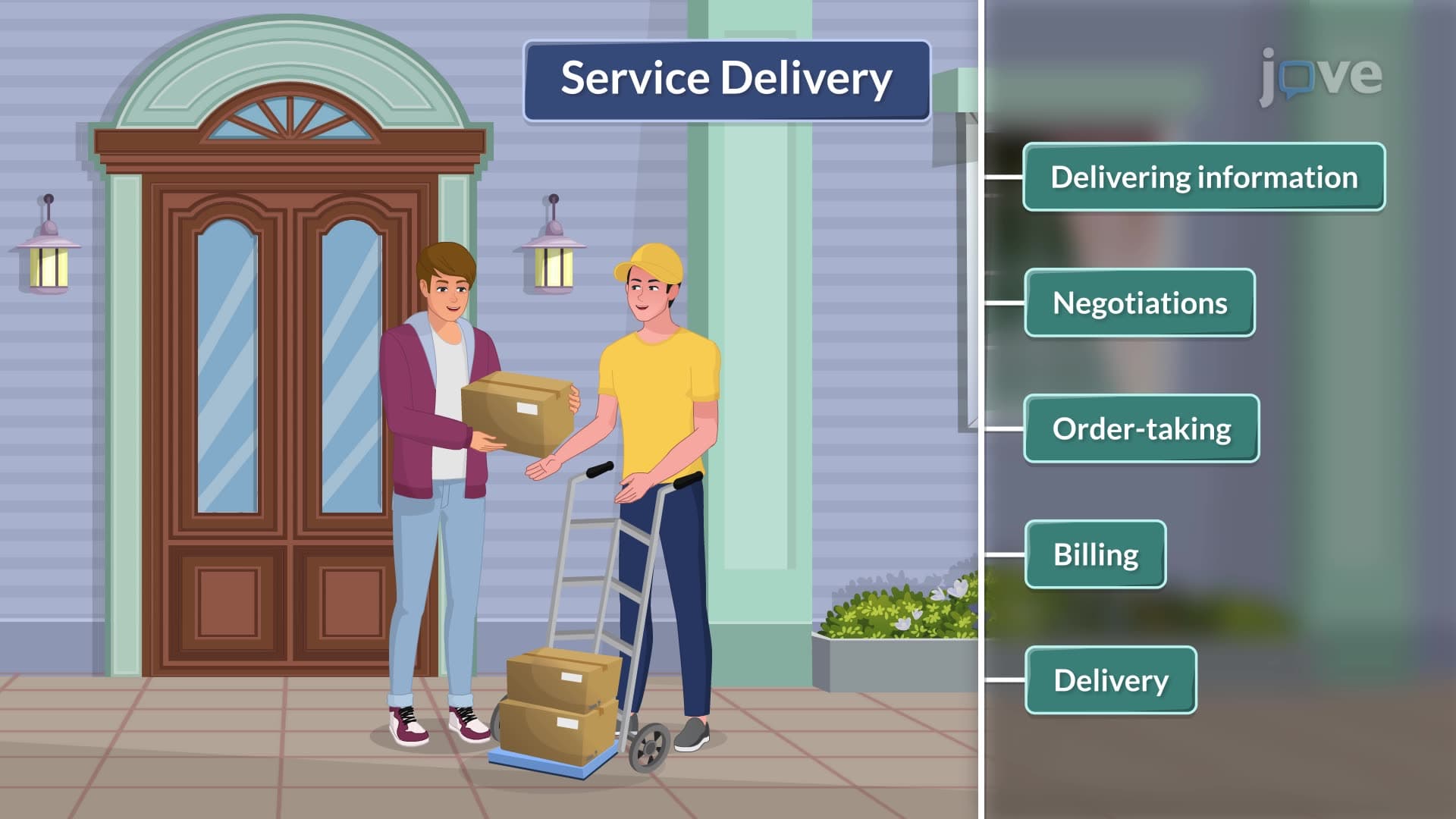
Delivery gaps represent perhaps the most visible service failures, occurring when companies cannot execute on their promises. Amazon's early logistics challenges exemplify how delivery gaps can threaten competitive advantage, prompting massive investments in fulfillment infrastructure. Communication gaps create customer distrust when marketing messages overstate service capabilities-a challenge that telecommunications companies like Verizon continuously navigate in their coverage claims.
The perception gap represents the most nuanced challenge, where actual service quality differs from customer perception. This gap often requires sophisticated customer experience measurement and employee training programs. Companies like Nordstrom have built competitive moats by systematically addressing perception gaps through empowered frontline staff and customer-centric policies.
Successful service gap management requires cross-functional coordination between marketing, operations, and customer service teams. Leading organizations implement regular gap audits, employee feedback loops, and customer journey mapping to identify potential disconnects before they impact customer satisfaction scores and retention rates.
Related Micro-courses