Loading video…


 31 Concepts
 6.3K views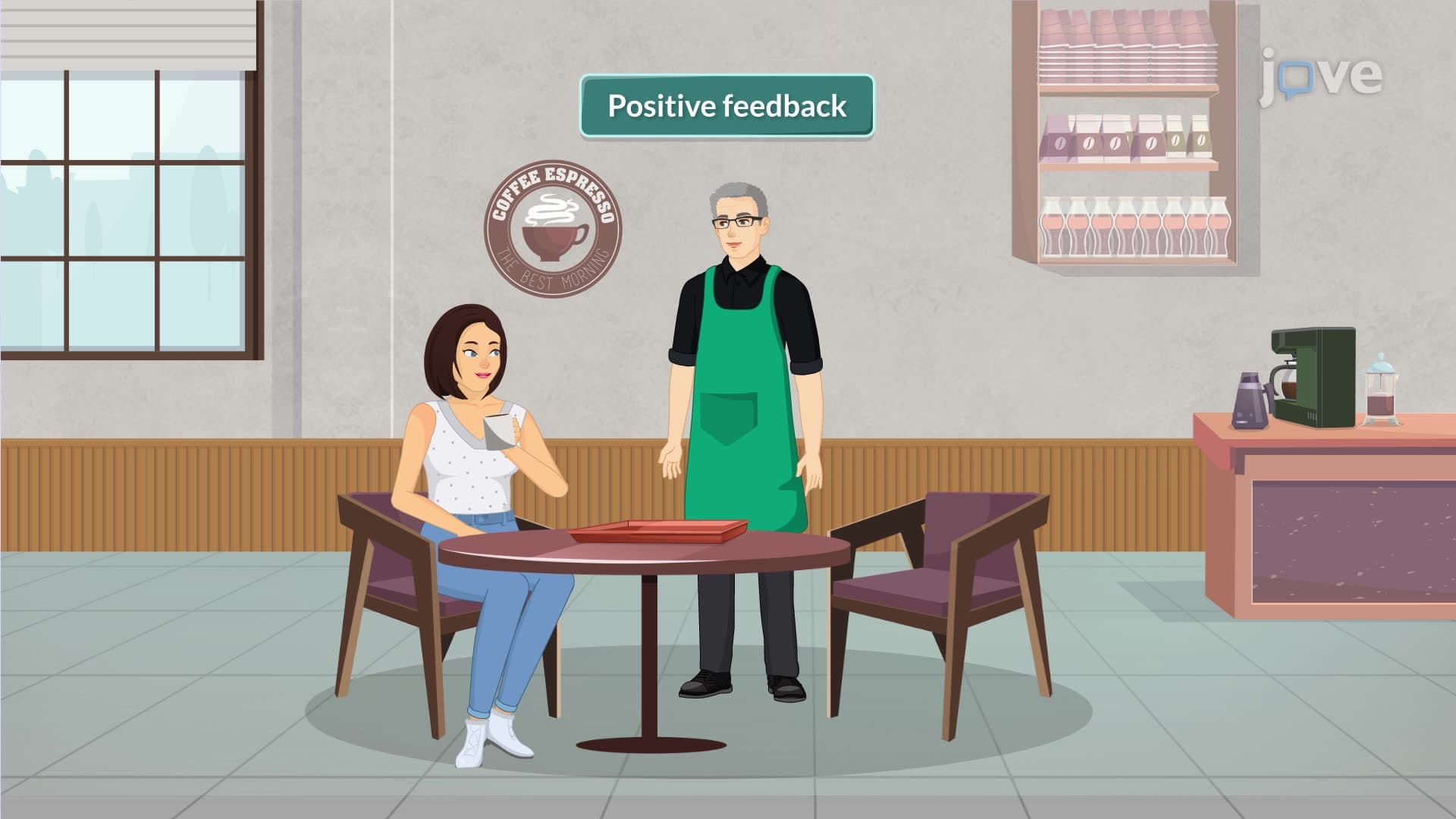

Video Summary: What Is Customer Feedback
Customer feedback drives competitive advantage in today's experience economy, with companies losing $75 billion annually due to poor service experiences. Understanding what is customer feedback and implementing systematic collection processes enables organizations to identify service gaps, optimize operations, and strengthen market positioning. Starbucks exemplifies this approach, using mobile app ratings and in-store surveys to refine everything from product offerings to store layouts, directly impacting customer retention and revenue growth. Watch the full video on JoVE Coach to master this concept with expert-led visuals and step-by-step explanations.
Customer feedback represents the systematic collection and analysis of customer opinions, experiences, and suggestions regarding products, services, and overall brand interactions. In today's hypercompetitive marketplace, organizations that excel at gathering and acting on customer insights consistently outperform peers by 10-15% in revenue growth and customer retention metrics.
Modern customer feedback extends far beyond traditional surveys. Leading organizations integrate feedback collection across multiple touchpoints: post-transaction surveys, social media monitoring, customer service interactions, and digital analytics. Amazon's customer review system demonstrates this comprehensive approach, generating over $2.7 billion in additional revenue annually through enhanced product discovery and purchase confidence driven by peer feedback.
The strategic value lies in transforming qualitative insights into quantifiable business metrics. Companies that effectively analyze customer feedback can predict churn rates, identify upselling opportunities, and optimize resource allocation across customer segments. This data-driven approach enables CFOs and operations leaders to justify investments in customer experience initiatives with clear ROI projections.
Successful customer feedback programs require three core components: systematic collection mechanisms, analytical capabilities, and organizational alignment around customer-centric metrics. Technology platforms now enable real-time sentiment analysis and predictive modeling, allowing management teams to identify emerging issues before they impact financial performance.
Consider Marriott International's approach to guest feedback integration. The hospitality giant connects feedback data directly to property-level P&L statements, enabling general managers to correlate customer satisfaction scores with revenue per available room (RevPAR) and repeat booking rates. This connection between customer sentiment and financial outcomes drives accountability throughout the organization.
Organizations that master customer feedback create sustainable competitive advantages through enhanced customer lifetime value and reduced acquisition costs. The ability to rapidly identify and address customer pain points prevents competitor infiltration and strengthens market position. Furthermore, positive feedback loops create powerful word-of-mouth marketing, reducing customer acquisition costs by 15-25% compared to traditional marketing channels.
Related Micro-courses