Loading video…


 31 Concepts
 6.3K views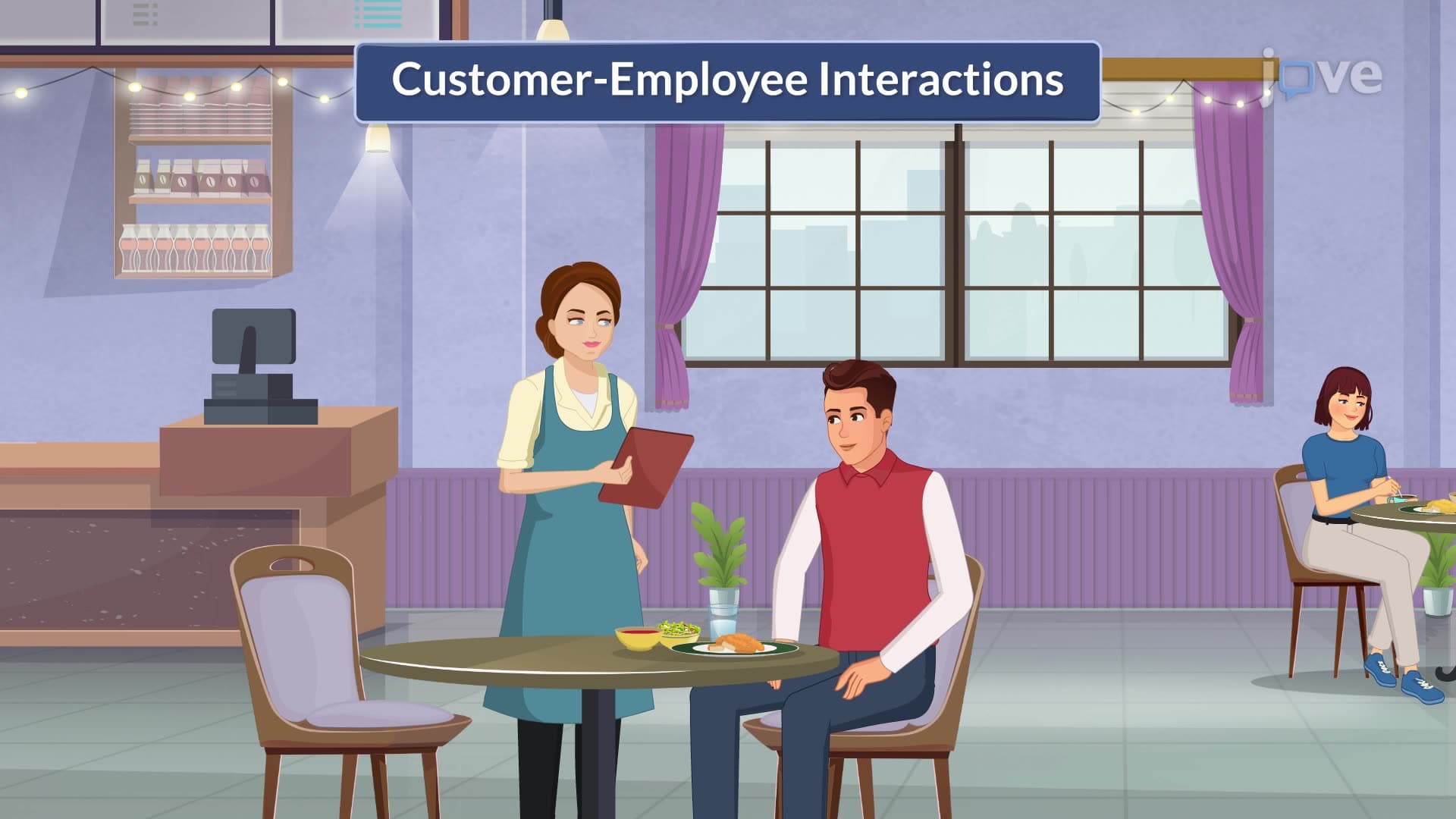

Video Summary: What Is Interactive Marketing in Services
Service businesses lose 67% of customers due to poor interaction quality, making interactive marketing services a critical competitive differentiator. Interactive marketing in services transforms real-time customer touchpoints into revenue-driving experiences through strategic employee training, personalization technology, and data analytics. Companies like Marriott International leverage these principles to achieve 31% higher customer lifetime value than competitors through personalized guest experiences and AI-powered service delivery. Watch the full video on JoVE Coach to master this concept with expert-led visuals and step-by-step explanations.
In today's hyper-competitive service economy, traditional marketing approaches fall short when customers demand personalized, responsive experiences at every touchpoint. Service businesses face a unique challenge: unlike physical products, services are consumed as they're delivered, making every customer interaction a make-or-break moment for brand perception and revenue generation.
The cornerstone of successful interactive marketing lies in optimizing human touchpoints. McKinsey research shows that companies with superior customer-employee interaction strategies achieve 25% higher profit margins than competitors. Consider how Nordstrom empowers sales associates with comprehensive customer history and purchasing preferences, enabling personalized recommendations that drive average transaction values 40% higher than industry benchmarks. This approach transforms routine sales interactions into strategic revenue opportunities while building long-term customer loyalty.
Advanced personalization capabilities separate market leaders from followers in service industries. Amazon Web Services demonstrates this principle by customizing technical support interactions based on each client's usage patterns, previous support tickets, and business objectives. This personalized approach reduces resolution times by 35% while increasing customer satisfaction scores to industry-leading levels. The business impact extends beyond customer service-personalized experiences increase customer lifetime value by an average of 15% across service sectors.
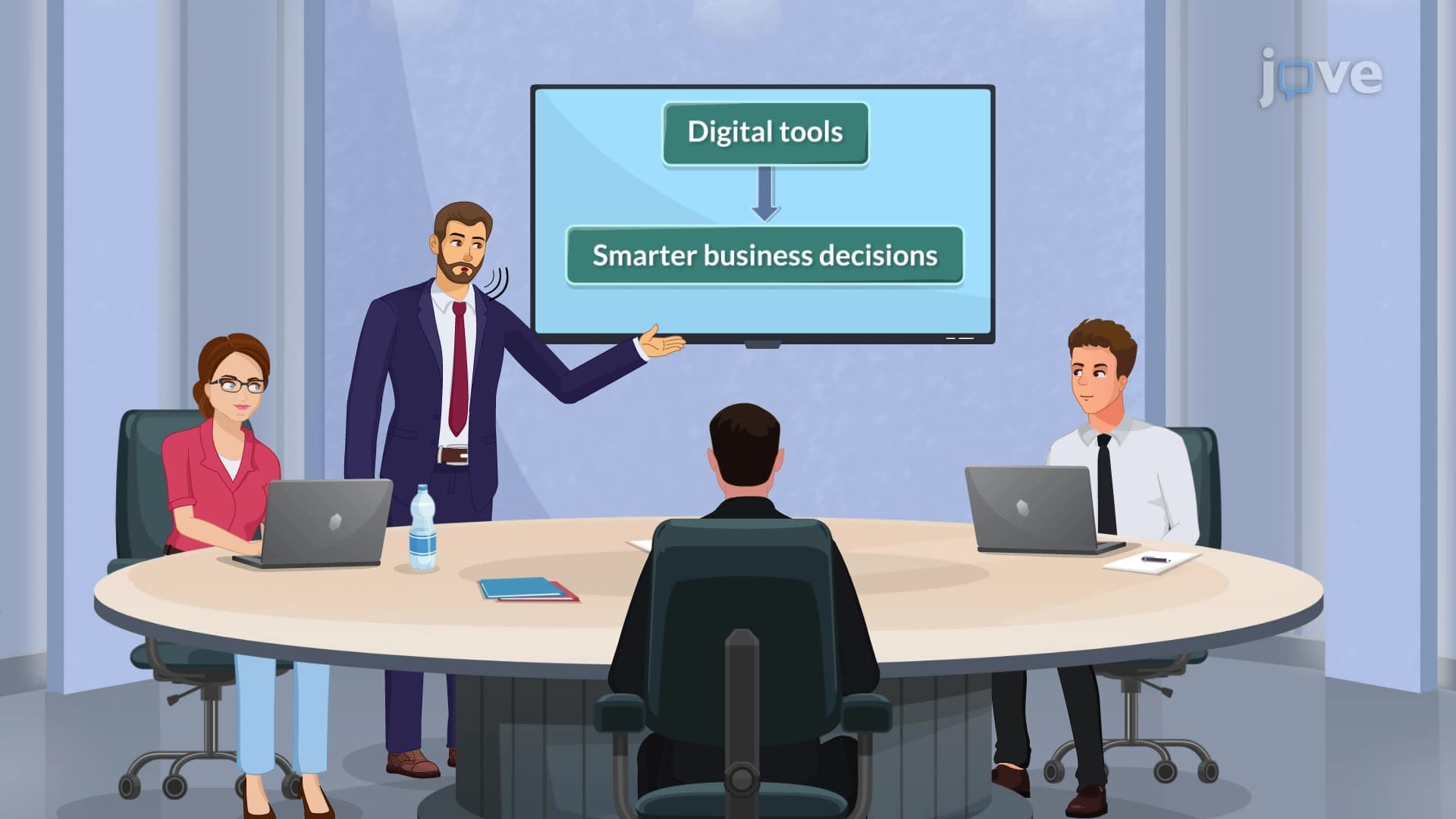
Modern CRM and AI technologies enable service organizations to deliver personalized experiences at scale without proportional cost increases. JPMorgan Chase's wealth management division uses predictive analytics to anticipate client needs, proactively offering relevant financial products during routine interactions. This technology-enabled approach generates 23% more cross-selling opportunities compared to reactive service models. The key lies in integrating customer data across all touchpoints to create seamless, informed interactions that feel personal rather than automated.
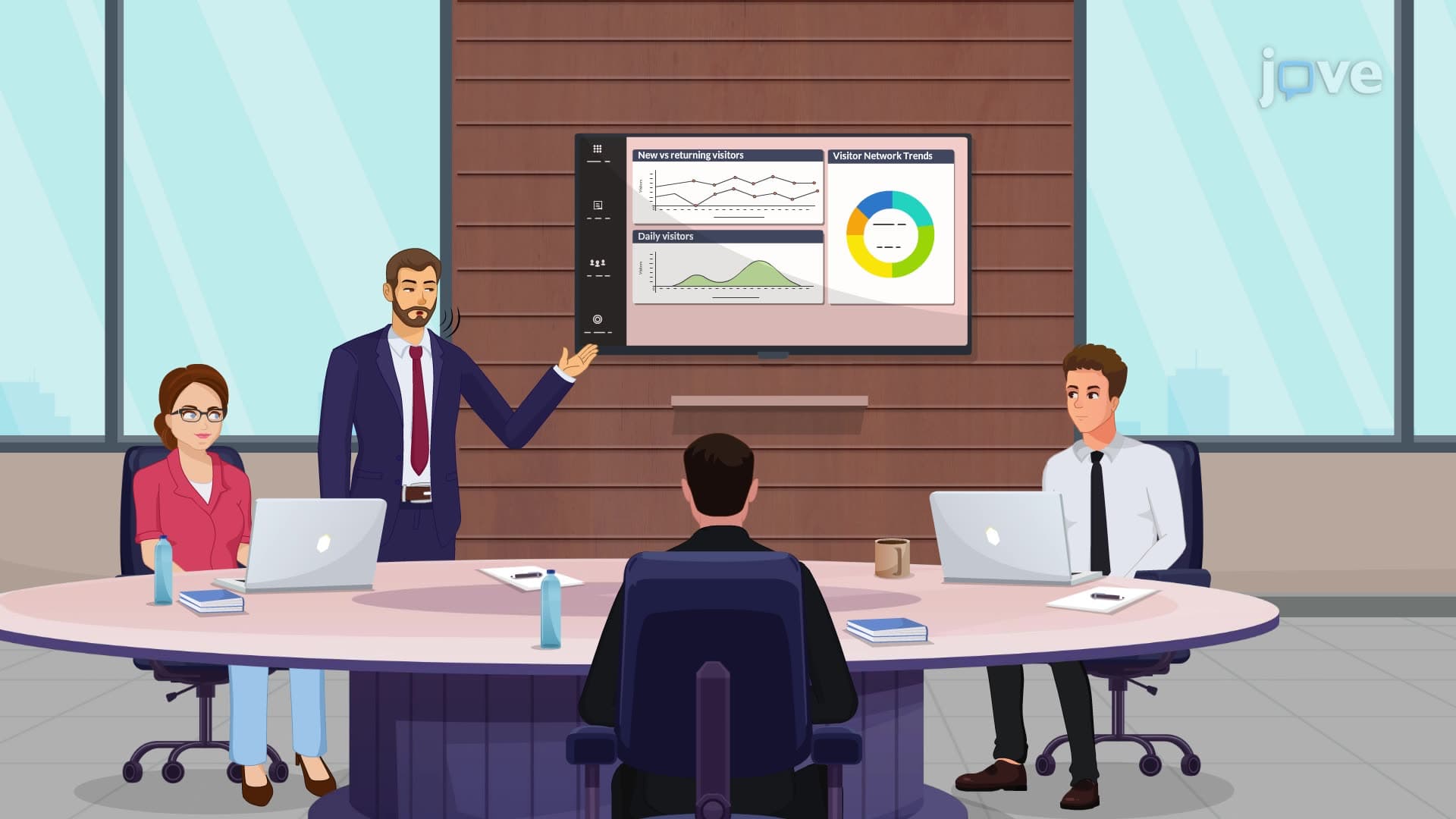
Successful interactive marketing requires robust measurement frameworks linking customer interactions to business outcomes. Leading service companies track metrics including Net Promoter Score by interaction type, customer effort scores, and revenue per interaction. These metrics inform continuous optimization strategies that align employee training, technology investments, and process improvements with measurable business results.
Related Micro-courses